© NGO Forum on ABD
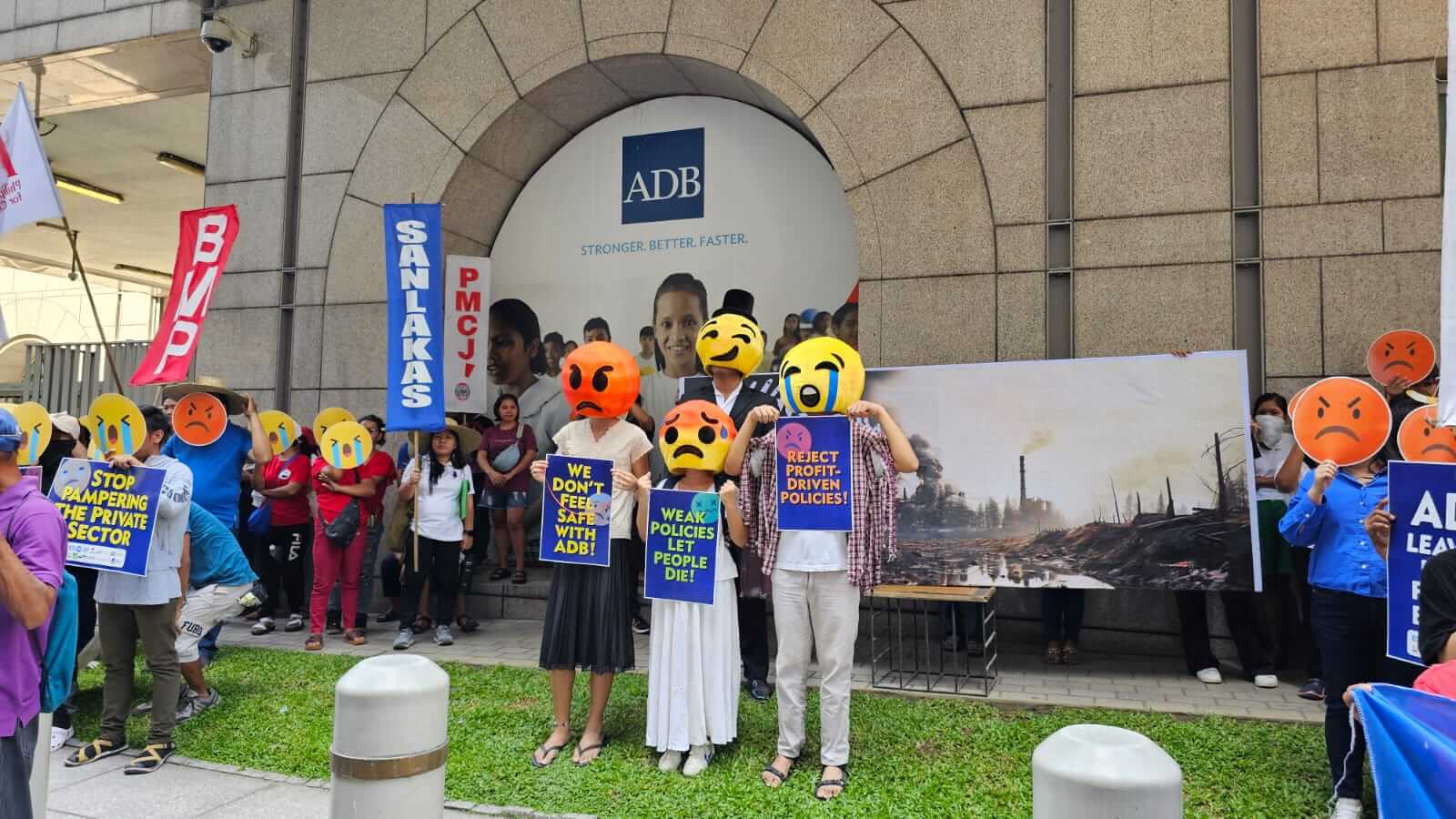
© NGO Forum on ADB
Thu 19 Dec 2024
Strengthening civil society engagement with Public Development Banks – Forus toolkit and study launch
The Forus launch event on the Engaging Public Development Banks Study and Toolkit brought together civil society organisations, experts, and advocates to explore strategies for enhancing their impact in influencing public development banks (PDBs).
Forus, is the CSO lead for the Financing in Common Summit (FICS) and the resources are intended to provide concrete ways in which PDB-CSO dialogue can be strengthened at the FICS in 2025 and beyond.
Moderated by Forus’ Marianne Buenaventura Goldman, the event presented the work of Amanda Lucey, author of the Forus resources, as well as insights from Rayyan Hassan (NGO Forum on ADB), Aly Marie Sagne (Lumière Synergie pour le Développement), and Knud Voecking (Urgewald).
The discussion highlighted successes, challenges, and strategic pathways for engaging with PDBs, with a red thread weaving throughout the dialogue: the critical role of civil society in demanding accountability, transparency, and community participation in development projects.
Why Public Development Banks Matter
Public development banks, including the African Development Bank (AfDB), the Asian Development Bank (ADB), and the Inter-American Development Bank (IDB) explored in the Forus Study and Toolkit, play an increasingly important role in funding projects.
However, their engagement with civil society remains inconsistent and, at times, opaque.
Amanda Lucey presented Forus’ newly developed study and toolkit, designed to support CSOs in navigating the complexities of PDBs. The resources emphasise building coalitions, understanding bank policies and pratices, as well as shaping access to information, safeguards, accountability mechanisms, and gender policies.
“CSOs have demonstrated persistence and adaptability in their advocacy, but engaging with PDBs requires sustained effort and strategic coalition-building,” Lucey noted.
Challenges in Engaging Public Development Banks
Several barriers impact effective engagement with PDBs, including limited access to information, a lack of accountability mechanisms, and inadequate opportunities for CSO participation.
The AfDB's for instance, provides limited consultation during the AfDB’s safeguards review process. At the ADB, while CSOs have been active at annual meetings, the quality of engagement often falls short of being meaningful and feels “tokenistic”. Advocacy efforts have made strides at the IDB, where sustained pressure led to a greater inclusion of CSOs in decision-making processes post-2022, but challenges persist.
Both the Toolkit and the Study present several “real-life” scenarios and strategies from partners including the Coalition for Human Rights in Development, Accountability Counsel and many more on what it feels like to navigate PDBs-CSO spaces, sketching out entry points to engage PDBs at local, national, regional and global levels. Information and case studies demonstrate challenges, opportunities and lessons-learned from CSO representatives and local activists who have been at the forefront of struggles.
Insights from civil society leaders
Rayyan Hassan of the NGO Forum on ADB, emphasised the importance of evidence-based advocacy, community involvement, and sustained efforts to influence PDB operations.
“We must articulate community needs in a language that resonates with the banks,” he advised. Rayyan shared how advocacy around energy policy, particularly the coal ban, underscored the importance of credibility and persistence.
Aly Marie Sagne of Lumière Synergie pour le Développement, shared his organisation’s experience with the Sendou coal plant in Senegal, which exposed the AfDB’s shortcomings in community consultation. Despite significant hurdles, sustained advocacy and use of independent review mechanisms resulted in a landmark decision to halt coal financing.
“Understanding the policies and strategies of African institutions is critical,” Aly stressed, encouraging CSOs to advocate at both national and international levels.
Knud Voecking of Urgewald, underscored the need for updated advocacy tools to match evolving PDB policies. He also cautioned against over-reliance on sign-on letters, advocating for direct engagement with bank executives and national governments.
“International coalitions can amplify CSO voices, but care must be taken to avoid perpetuating inequalities between Northern and Southern organisations,” he said.
Looking Ahead: Finance in Common 2025
As we look ahead at the Finance in Common Summit 2025 (FICs) which will take place in South Africa in February, Forus members and partners recognised the need for “resilience and adaptability”.
“Change takes time and persistence,” noted Marianne Buenaventura Goldman, Forus’ Project Coordinator for Financing for Sustainable Development. “Together, we can ensure that public development banks prioritise accountability, transparency, and the well-being of the communities they serve.”
Proposed recommendations as we prepare for the FICs and other multi-stakeholder spaces, emphasise the importance of keeping up to speed with evolving policies and strategies of public development banks. Additionally, knowledge-sharing and collective learning among civil society organisations through follow-up dialogues and spaces of discussion at various levels is crucial. Strengthening international coalitions can amplify advocacy efforts, particularly during annual PDB meetings and international events, while systematic data analysis of bank activities can enhance the effectiveness of advocacy campaigns and highlight systemic issues within bank operations.
For more resources and updates, explore the Forus Toolkit and Study on Engaging Public Development Banks here.