©Forus
Influence

Digital Governance and Rights
Forus advocates for a human-centric approach to digital governance that upholds the rights of individuals and supports the work of CSOs.
Our Campaigns on Digital Rights and Governance
Discover #Let's Talk Digital and the Civil Society Manifesto for Ethical AI

Digital Governance and Rights
Our Work
Forus as a network, focuses on human-centric digital governance, promoting digital rights and equitable access. We are a consortium member of the #CADE project support civil society in internet governance forums, as well as the #KeepItOn coalition against internet shutdowns. We raise awareness about emerging technology risks, providing CSOs with digital security and advocacy tools, and we engage with our members in global policy discussions to ensure inclusive, transparent decision-making and the representation of civil society visions.
2024-10-31
2024-06-11
2023-12-11
2024-07-07
2023-06-29
2024-02-28
2023-09-26
2023-07-18
2023-03-28
2023-05-23
2023-01-25
2022-12-29
2022-07-06
2021-11-18
2021-09-26
2025-12-11
2025-12-16
2025-12-11
2025-11-19
2026-02-16
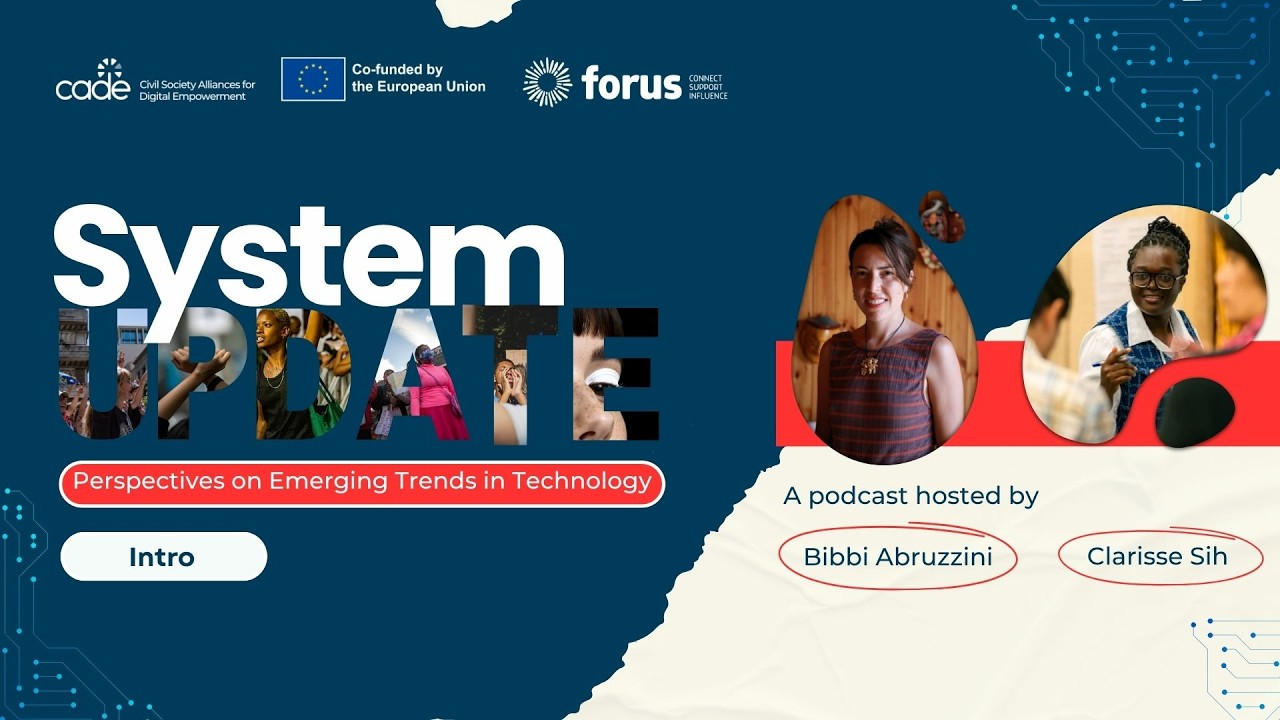
Call for Proposals: AI Artivism for Digital Rights Competition Launch of the Civil Society Alliances for Digital Empowerment project (CADE) Launch of the Civil Socety Manifesto for Ethical AI Social Media Strategies And Digital Advocacy for Civil Society Co-Creating a Civil Society Manifesto for AI Forus workshop on Digital Activism and AI narratives TechTalks: Digital Strategies for Civil Society Civil society calls on EU to protect people’s rights in the AI Act ‘trilogue’ negotiations - European Digital Rights (EDRi) Are barriers to digital technology preventing civil society organisations from achieving their potential? State of Digital Inequity Report Digital Politics: “Disconnected Citizens Are Kept Away from Opportunities” Digitalisation in Rwanda: "interaction with other platforms is not a luxury but rather a necessity" New report looks at the power of positive narratives and digital rights to support activism worldwide Together for an Equal, Just and Democratic Digital World #LetsTalkDigital: for better online activism Nigeria: Digital Dissent and Democracy- How CSOs Innovate to Protect Civic Space Online - Cameroon News Agency Digital Space, Artificial Intelligence, and the Struggle for Civic Life Digital Freedoms in West Africa: A Landscape of Tragedies, Coups, Arrests and Resistance Forus Digital Governance bulletin - November 2025 Forus Digital Governance bulletin - February 2026 Forus, as part of the Civil Society Alliances for Digital Empowerment (CADE), a project co-funded by the European Union, is launching a call for proposals aimed at civil society organisations, activists, artists and digital rights defenders. As part of our mission to strengthen the capacity and engagement of CSOs in digital governance and advocacy, we are launching a call for AI-driven artworks highlighting the critical role of civil society in shaping the digital landscape and challenges and opportunities when it comes to digital rights. Co-funded by the European Union, the CADE project aims to enhance the active participation of CSOs in global governance and development initiatives. This initiative is crucial in fostering inclusive and participatory democratic processes worldwide. Recap of the Forus launch event for the Civil Society Manifesto for Ethical AI Al margen del Foro Político de Alto Nivel que se celebró en Nueva York, Forus organizó un taller sobre estrategias de redes sociales y promoción digital en el que se presentaron diversas campañas e iniciativas en torno al espacio cívico, la cooperación internacional y la implementación y seguimiento de la Agenda 2030. The Forus network, together with over 40 other civil society organisations, is coordinating the co-creation of a Civil Society Manifesto for AI. Read more about this initiative and how to join in this article. The most recent Forus ComsForUs Workshop on Digital Activism, Artificial Intelligence and Storytelling looked at the intersection of technology and digital activism. How can civil society organizations conduct public education and awareness campaigns to combat disinformation and misinformation, which have the potential to erode public trust in their work? How can they measure the effectiveness of these initiatives? How can websites serve as informative platforms to showcase the impact, narratives, and collaborations of civil society organizations? As EU institutions start decisive meetings on the Artificial Intelligence (AI) Act, a broad civil society coalition is urging them to prioritise people and fundamental rights. 95% of CSOs say internet is critical to their ability to do their work; however, as much as 78% lack the digital technology tools to do so. This report explores the results of the largest ever survey of civil society’s digital haves and have-nots. In 2022, Saudi Arabia “quietly” sentenced Salma al-Shehab to 34 years in prison over her Twitter activity, marking the longest Saudi sentence ever for a peaceful activist. Fast forward and award-winning Ugandan author Kakwenza Rukirabashaija was charged with two counts of “offensive communication” after making unflattering remarks about the president and his son on Twitter. … Assisted by a Consultant, a local expert in communication, CCOAIB members exchanged on technologies, models of communication and on practices of collaboration. The sustained and multifaceted critique of civil society, and of activists in particular, by a growing number of political regimes who outbid themselves in calling into question the legitimacy, independence, and credibility of NGOs and civic actors mobilising around the world, represents a significant and increasing threat. Action Programme for Tech for Democracy – Civil society recommendations This article explores possible ways of shifting away from the current model of digitalisation, which restricts and represses, to one that enables and empowers. Nigeria’s digital dissent has come of age, and its true measure lies in the innovative and adaptive strategies that are gradually being developed by its civil society. Institutions like KeepItOn coalition ( Access Now) are battling censorship, Paradigm Initiative, PIN, and others are fighting for policy change, while theNetwork of Nigerian NGOs, NNNGO, is building grassroots resistance. This article examines the temperature through the above organizations; their battles, their victories, and how they are keeping the flames burning to ensure that the digital space remains an avenue for democratic participation and accountability. Across the globe, artificial intelligence is rapidly reshaping economies, governance, culture, and civic participation. Yet while the ethics of AI are debated intensely in boardrooms and policy circles in Europe and North America, communities across the Global South often encounter these technologies first as testing grounds rather than as co-architects of tAcross the globe, artificial intelligence is rapidly reshaping economies, governance, culture, and civic participation. Yet while the ethics of AI are debated intensely in boardrooms and policy circles in Europe and North America, communities across the Global South often encounter these technologies first as testing grounds rather than as co-architects of their digital futures. At the heart of this imbalance lies a fundamental question: who governs public life when the digital rules are still being written?heir digital futures. At the heart of this imbalance lies a fundamental question: who governs public life when the digital rules are still being written? In West Africa, digitally connected citizens experience severe repression, from internet shutdowns in times of crisis to advanced digital surveillance technologies and disinformation. In some countries, the consequences of this growing form of authoritarianism can extend beyond censorship and economic harm to doxxing, arbitrary arrests, and even death. While the internet offers immense potential for democratic participation and economic growth, this surge in digital oppression mirrors a broader political instability. In less than a month today, the military takeover in Bissau and the attempted one in Benin, coupled with concerning patterns of arbitrary arrests in Mauritania, the return of violence in Senegal universities, all highlight the deterioration of civic space in the region. Yet, the region also witnesses how civil society and the judiciary in countries like Senegal lean on vibrant activism, dialogue and legal frameworks to push back against these restraints. This edition is full with updates from Forus and the Civil Society Alliances for Digital Empowerment (CADE) project! This edition is full with updates from Forus and the Civil Society Alliances for Digital Empowerment (CADE) project!Key Areas of Focus
- Human-Centric Digital Governance: Forus advocates for policies that prioritize human rights in digital spaces, ensuring that digital transformation is aligned with democratic values and social justice principles. We raise awareness about the potential risks and ethical considerations associated with emerging technologies, such as AI and machine learning.
- Digital Rights and Access: Promoting digital rights, including the right to privacy, freedom of expression, and access to information, is central to our work. Forus supports initiatives that address online censorship, internet shutdowns such as the #KeepItOn coalition, and other forms of digital repression. We advocate for equitable access to digital technologies and the internet, particularly for communities in the Global Majority, to bridge the digital divide and enhance civic participation both online and offline.
- Capacity Strengthening: Forus provides its members with the tools and resources needed to navigate digital environments safely and to support the work of civil society organisations in the digital sphere. This includes trainings on digital security, AI, digital rights, strategies to counter internet shutdowns, data protection, and digital communications. We support members in developing digital advocacy strategies and engaging in digital governance processes at national, regional, and international levels.
- Global Advocacy and Policy Engagement: From the IGF to RightsCon and global discussions on digital governance in UN spaces, Forus works with international organizations, governments, and other stakeholders to ensure that civil society voices are heard in internet governance forums. Particularly, Forus is part of the CADE consortium enahcing civil society's participation in internet governance.
©Forus
Discover the CADE project
Enhancing civil society's participation in digital governance
"
Mavalow Christelle Kalhoule, Forus Chair and President of SPONG, the Burkina Faso NGO network: “Digitalisation touches the lives of billions of people around the world, but how many are consulted and informed? We believe in the power of strengthening capacities and creating new links between civil society organisations around the globe to influence internet governance forums and bring forward the needs of communities – especially of those left behind. Our commitment and meaningful engagement is indispensable.”
/ Podcasts & Videos
See all