© NGO Forum on ABD
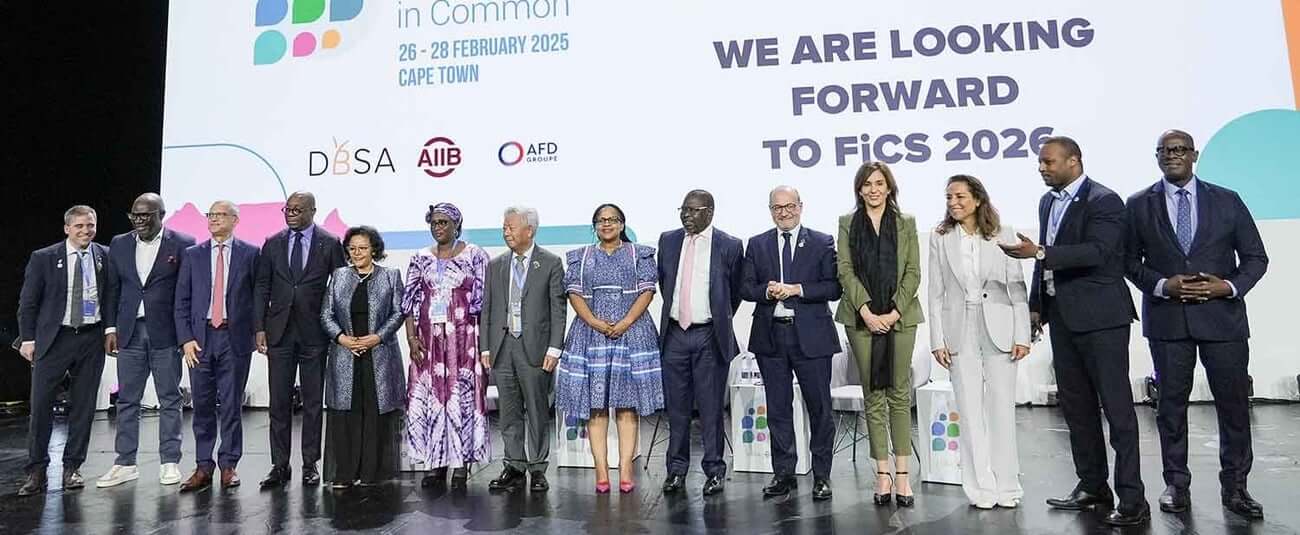
© Forus - Finance in Common Summit 2025 Closing Plenary
Mon 17 Mar 2025
Reforming Global Financial Architecture: A Call for People-Centered Development
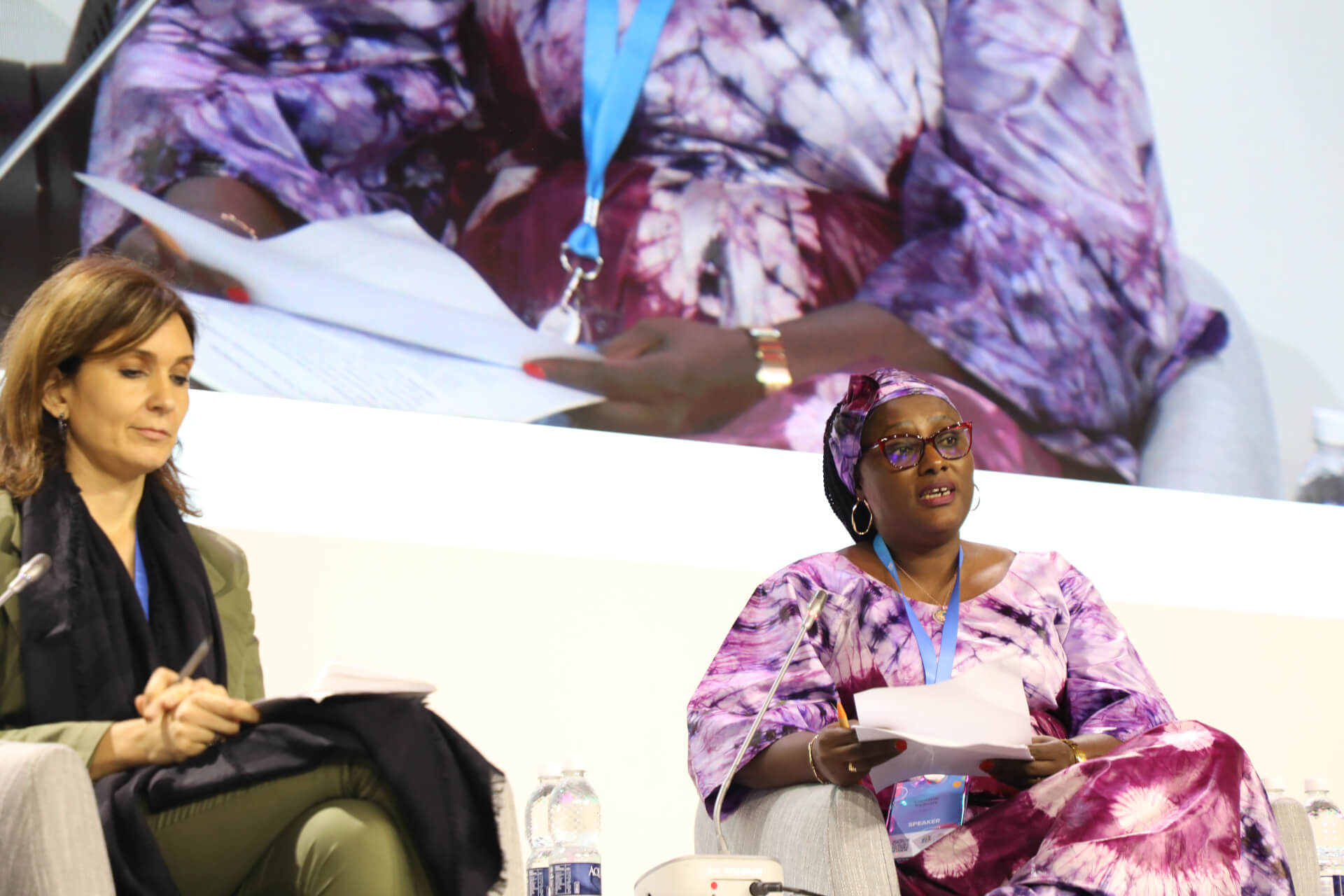
As the world faces multiple interconnected crises—ranging from growing debt burdens and declining multilateralism to the deepening climate crisis and shrinking civic space—the need for a new approach to global development finance has never been more urgent. At the Finance in Common Summit (FiCS 2025) in South Africa, I had the privilege of delivering a message from Civil Society Organizations (CSOs): “True development must prioritize the dignity, rights, and well-being of communities, particularly those most affected by these crises.”
While CSOs were given limited space during the summit, we remained steadfast in calling for a vision of development that puts people first. The core message is clear: finance must serve people and protect the planet, integrating human dignity, rights, and climate justice into all development initiatives.
Finance in Common: A Global Gathering for Solutions
The FiCS 2025 Summit, part of the broader Finance in Common initiative, brought together nearly 2,500 delegates, co-hosted by the Development Bank of Southern Africa (DBSA), the Asian Infrastructure Investment Bank (AIIB), and the AFD Group. This platform allowed us to emphasize that development finance must be inclusive, transparent, and people-centered, as detailed in our collective civil society declaration.
Communities at the Heart of Development
CSOs reaffirmed their commitment to a people-centered approach to development. Communities must not be mere recipients of development but the architects of their own futures. Development must be conceived with communities, not for them. Active participation from design to implementation is crucial, and human rights, gender equality, and freedom of expression must be respected throughout the process.
By integrating CSOs’ expertise, Public Development Banks (PDBs) can improve the quality, relevance, and impact of their investments. This collaboration ensures that projects are locally owned, risks are managed effectively, and outcomes align with sustainable development goals (SDGs).
Five Key Messages for Reform
From our discussions, five key messages emerged:
- Inclusive participation and transparency: Development finance must ensure meaningful community involvement, transparency, and accountability at every stage.
- Dignity and rights at the core: Development must prioritize human rights, economic justice, and cultural well-being to avoid harm and ensure lasting positive change.
- Locally-led development: We must shift from top-down solutions to empowering local communities to lead sustainable, transformative growth.
- Reforming a broken financial system: The global financial system must be reformed to prioritize public financing, grants, and accountability, ensuring development banks are responsive to people’s needs. Public Development Banks have a crucial role to play in addressing this by increasing public financing, prioritizing grants, and reforming multilateral banks to become more democratic, responsive, and accountable to the people they serve.
- Climate justice and our future: The impacts of climate change are felt universally regardless of where you live! Development finance must therefore be focused on climate justice and sustainable development. This requires increased support for communities to build resilience and adapt to the changing climate. Development finance must be a tool to protect the planet and its people.
PDBs and CSOs: Strengthening the Development Model
PDBs with their public mandate, are crucial in driving sustainable, inclusive development. They must focus on public financing, including debt cancellation, and support local economies, particularly in Africa, while promoting climate justice. However, PDBs can significantly enhance their impact by partnering with CSOs, who add unique value in ensuring investments are people-centered and aligned with the SDGs.
CSOs can be partners as expert practitioners with deep local knowledge. Their ability to assess and mitigate social, environmental, and economic risks early in project design helps ensure sustainability and avoid failures. Furthermore, CSOs ensure that communities are involved from design through implementation and monitoring, ensuring projects are socially inclusive, resilient, and aligned with both local needs and global objectives like the SDGs and the Paris Agreement.
CSOs also play a vital role in holding PDBs accountable, ensuring projects deliver tangible, positive outcomes. The new FiCS coalition between PDBs and CSOs offers a platform for formalizing these partnerships, sharing best practices, and co-creating sustainable solutions. This collaboration is essential for ensuring that development finance serves communities, not just elites.
A New Era for Development Finance: Building a People-Centered System
To address the pressing challenges of development and climate justice, we must ensure that PDBs are aligned with the SDGs and the Paris Agreement. This requires securing adequate public finance and advocating for fair global tax reforms, such as the UN Tax Convention and the G20’s wealth tax. The wealthiest and the biggest polluters must pay their fair share.
For real transformation, PDBs must align 100% of their investments with the SDGs, ensuring that public resources are spent on projects that contribute directly to these global goals. DFIs and MDBs must also prioritize country-led development strategies, empowering local communities and reducing reliance on donor-driven agendas.
Collaboration for Stronger Financial Ecosystems
As we look ahead to the Financing for Development conference, which will take place in Seville in June, development finance institutions (DFIs), including bilateral ones, must harmonize efforts, improve resource utilization, and leverage local expertise. Public finance must focus on long-term transformative projects with societal benefits, not just those with immediate returns. Civil society is a key ally here.
Public Finance and Just Transition
As we confront the climate crisis, PDBs must support a just transition to green energy. Gender equality must also be central to all PDB policies and investments. PDBs must integrate gender equality into their financing strategies, ensuring the rights of women and girls are prioritized.
PDBs should look beyond “bankable” projects, prioritizing long-term initiatives that provide value to local communities, even when immediate financial returns are uncertain. CSOs play a crucial role here. Their expertise in local contexts enhances the alignment of PDB investments with global development goals. From risk assessment to monitoring, CSOs ensure that PDB-funded projects are socially inclusive, environmentally sustainable, and resilient.
By working with CSOs, PDBs can improve the quality and impact of their investments. This collaboration ensures that projects are locally owned, risks are better managed, and development outcomes align with PDB mandates to promote sustainable, inclusive, and equitable development.
Conclusion
FiCS 2025 must mark the beginning of a new era for development finance—one that serves people, promotes dignity, and supports climate justice. CSOs remain committed to ensuring that finance works for people and the planet, and we invite PDBs to join us in this coalition for a people-centered, sustainable future. For further details, we encourage readers to consult the Civil Society Declaration and the final communiqué, which reflect our collective commitment to creating a financial system that responds to the needs of the most vulnerable.