Strengthening member engagement and strategic planning for 2025 and beyond
{'date': None, 'date_format': None, 'date_format_d': None, 'date_format_m': None, 'date_format_y': None, 'date_only': False, 'date_type_choice': 'd', 'time_only': False}
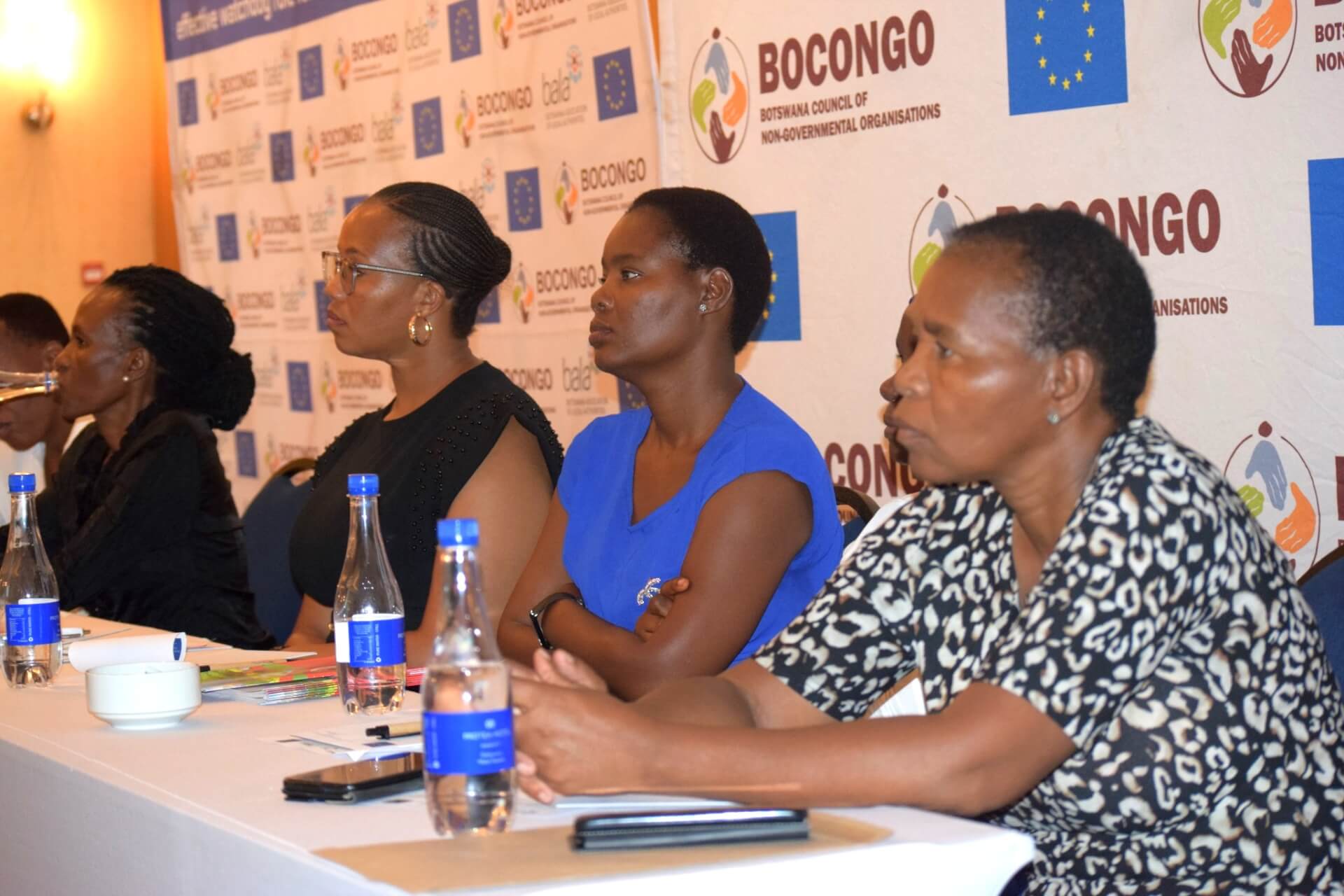
BOCONGO, the Botswana Council of Non‑Governmental Organisations, used Cycle 6 to strengthen three foundational organisational capacities: strategic direction, membership management, and resource mobilisation. In a context of declining government subventions and reduced donor interest in middle‑income countries, the platform focused on building internal systems that would enhance its legitimacy, improve member engagement, and support long‑term sustainability. The project resulted in a new strategic plan, a functional membership database, and a resource mobilisation strategy designed to diversify funding and strengthen relationships with partners.
Key Results
-
Developed and validated the BOCONGO Strategy 2025–2030, with full staff and member participation.
-
Created and launched a Member Relationship Management System, enabling real‑time tracking of membership composition and engagement.
-
Developed a Resource Mobilisation Strategy, including donor mapping and operational guidelines.
-
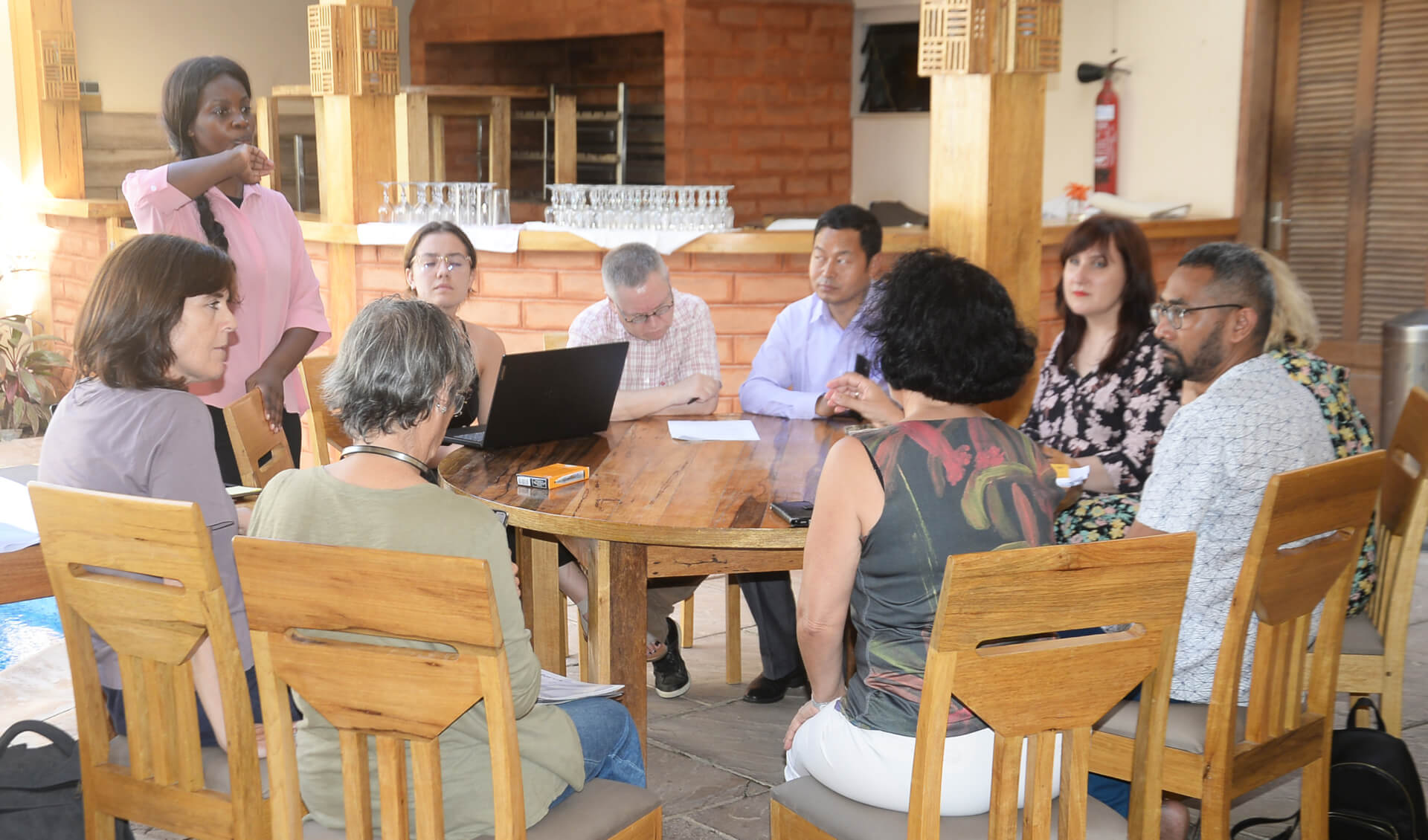
Trained staff and members on strategic planning, database use and resource mobilisation.
-
Improved internal coordination, with clearer roles, better planning and more structured communication with members.
-
Strengthened organisational legitimacy, supported by improved systems and clearer strategic direction.

Learning
BOCONGO’s experience shows that organisational strengthening requires time, sequencing and deep member engagement. One of the main lessons was the importance of allocating sufficient time for recruitment and consultation processes—especially when developing foundational tools such as a strategic plan or membership system.
The project also highlighted that member‑driven priorities create stronger ownership. The needs addressed—strategy, membership systems and resource mobilisation—were identified directly by members during the 2024 AGM, which increased trust and enthusiasm throughout the process.
Finally, BOCONGO learned that strengthening internal systems is not only about tools, but also about building staff confidence, improving coordination, and creating a culture of documentation and knowledge management.

/ Related content