
Sun 10 Dec 2023
75 Years of the Universal Declaration of Human Rights and the Path Ahead
On Human Rights Day this year, we mark the 75th anniversary of the Universal Declaration of Human Rights and the 25th anniversary of the United Nations Declaration on Human Rights Defenders. These proclamations made by the United Nations were not just theoretical; it's crucial to reflect on our journey towards integrating human rights with development and to highlight where we still see “human rights failures”.
These past months, the world has witnessed distressing suffering, from conflicts between nations to human rights abuses and slow-onset disasters. Forus underscores the critical need to operationalize human rights in development frameworks, emphasizing the role of civil society in responding to crises, inspiring solidarity, and ensuring accountability from decision-makers.
One of Forus's priorities is to ensure that global partners persist in their contributions to sustainable development despite geopolitical interests. Recognizing that combating poverty, inequality, and climate change vulnerabilities requires international collaboration, Forus highlights the detrimental impact of withdrawing public development aid from nations based on geopolitical considerations.
The recent Agence Française de Développement Conference joined by Forus on human rights and sustainable development on December 8, recognised that these two dimensions are not just intertwined, but inseparable.
The AFD conference's objectives resonated with Forus's advocacy for an ecocentric and community-based approach to development. This alignment also mirrors Forus's mission of pushing for policy coherence in sustainable development.
Forus Chair Mavalow Christelle Kalhoule from Spong, Burkina Faso and Jyotsna Mohan Singh from Forus regional member, the Asia Development Alliance, brought forth human rights challenges and proposed solutions rooted in their experiences.
Forus Chair Mavalow Christelle Kalhoule highlighted the situation in Burkina Faso, which is emblematic of the challenges facing many countries around the world. With a staggering 1 in 5 Burkinabes displaced and 3.7 million in need of humanitarian aid, the local context remains extremely fragile.
"Combating poverty, inequalities and the impacts of climate change require strong regional and international cooperation. Reducing development aid for geopolitical reasons would seriously affect those in emergency situations, particularly in my region, where climate change and conflict are already threatening livelihoods, food security, agriculture, education and public health. In a context of democratic challenges and restrictions on civic space, international partners must make a significant and constant contribution to the fight against inequalities and the effects of climate change. Development aid must not be used as a diplomatic tool, but rather as a fundamental commitment to these objectives," said Christelle reminding the AFD Conference audience of the recent move from some global partners to remove support to countries in the Sahel region.
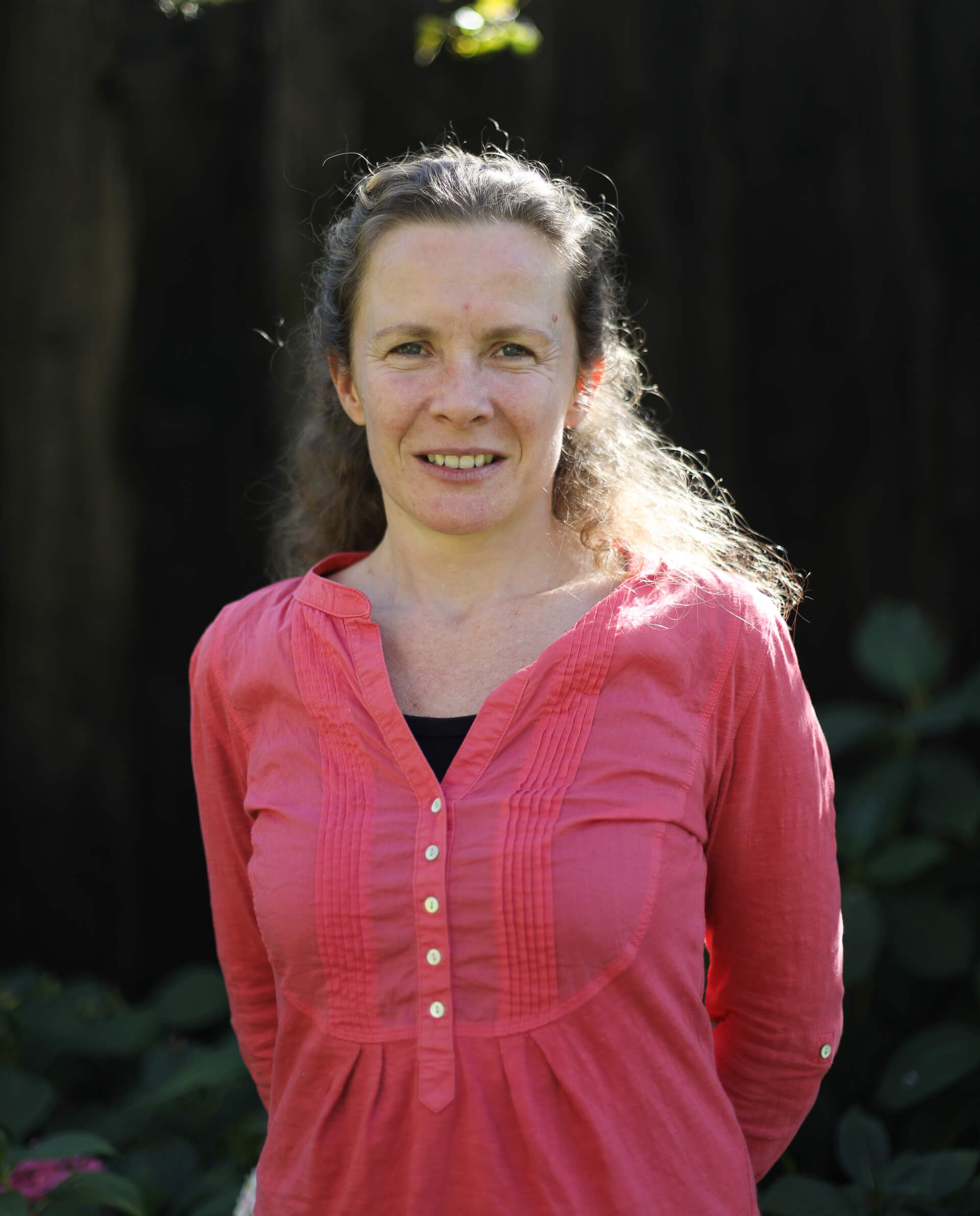
Jyotsna Mohan Singh, Forus regional coordinator from the Asia Development Alliance, brought forth regional human rights challenges and discussed the implications of agricultural privatization on human rights in Asia, advocating for sustainable practices, legal protections for Human Rights Defenders, and adherence to the UN Guiding Principles on Business and Human Rights.
"It was a great experience convening with civil society members worldwide, yet I believe true progress can be achieved when policymakers, private sector leaders, multilateral banks, and other crucial sectors actively engage in these conversations - together. The impact of our discussions remains uncertain unless all stakeholders are involved. This inclusivity and possibility for exchanges can then translate dialogue into meaningful action,” said Jyotsna.
As we look at today’s challenges, we also see the potential for transformation. Civil society's role in this transformation is pivotal and its effectiveness amplifies when joined by others in collective discourse.
At Forus with our global network of national platforms of NGOs representing more than 22,000 civil society organizations around the world, we advocate for meaningful participation in political processes, from the local to the global level.
Policy coherence is a crucial element that we want to highlight at this stage of the implementation of the 2030 agenda. In Burkina Faso, for instance, despite economic growth, environmental degradation and poverty persist. This highlights the need for harmonizing climate action with development goals. Last year's CSO alternative report on Burkina Faso's implementation of the SDGs underscores this point, calling for a focus on vulnerable groups and regional cooperation.
Moreover, our commitment to sustainable development demands global solidarity. We must not let geopolitical considerations dictate public development aid, as this primarily affects those in dire need. Local leadership and the right of initiative for civil society organizations are key in addressing these challenges.
Finally, rethinking development finance and investing in capacity development are imperative. With this message echoing in the corridors of COP28 this year, donor countries must commit to effective, transparent humanitarian and development programs, adhering to human rights and development effectiveness principles.
As we celebrate International Human Rights Day, our aim as a network is to not only commemorate but also put human rights, at the very core of conversations and actions.