2021-11-23
"Accountability and transparency: our contribution in the context of widespread corruption," a virtual forum organised by ASONOG
News
By the Institutional Development Unit of ASONOG, member of Forus in Honduras
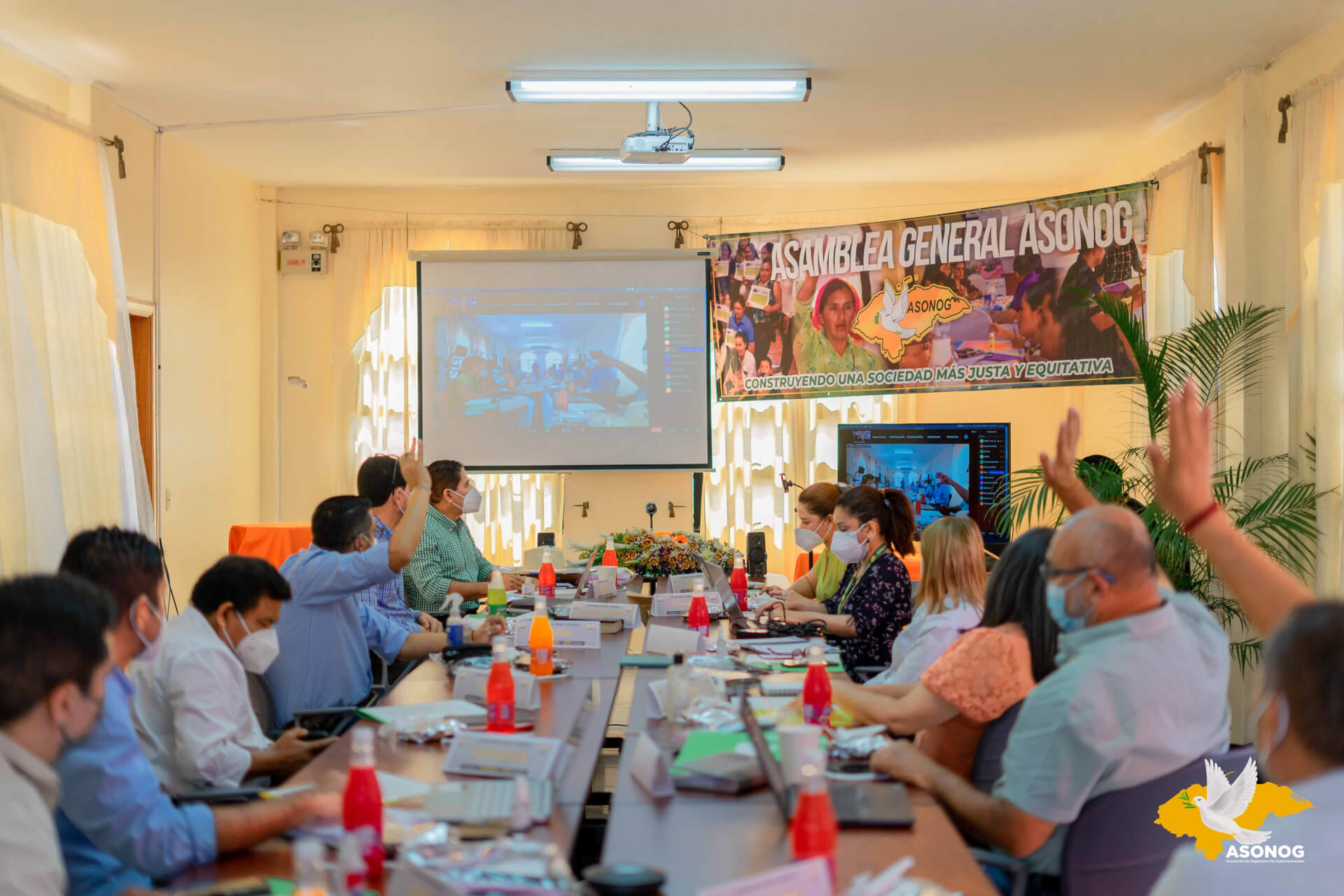
The Asociación de organismos no gubernamentales (ASONOG) organized the virtual forum "Accountability and transparency: our contribution in the context of widespread corruption" on 29 January 2021. This event was the culmination of a process which was initiated in order to identify the best accountability practices among our affiliates.
According to Transparency International, Honduras is one of the most corruption-ridden countries. Last year, Honduras was ranked 146 out of 180, which shows that it is among the most corrupt countries in the world. As a population, we are immersed in this culture. The corruption scandals which come to light do not constitute grounds for a public citizen complaint. The recent corruption cases regarding overvalued purchases, which have occurred in the context of the pandemic, have gone completely unpunished. Corruption schemes have evolved to the point where even NGOs are being used as tools to drain public resources with fictitious projects. Given this deterioration of operating conditions, the organisations that have a genuine agenda in solving this problem are taking on a big challenge.
Our affiliates' good practices in this area were shared during the forum. We consider these to be relevant to be adopted by other actors. We chose practices from the following affiliates: Organización para el Desarrollo de Corquin (ODECO-Corquin), Organismo Cristiano de Desarrollo Integral de Honduras (OCDIH), Asociación de desarrollo Pespirense (ADEPES), Asociación Ecológica de San Marcos de Ocotepeque (AESMO) and Unión de Empresas y Organizaciones de Trabajadores del Campo (UTC – La Paz).
Each affiliate shared its experience in the virtual forum. The main defining features of these practices are the following: accountability exercises at all levels, that is, not just upwards in order to satisfy donors, but also towards the organised base or project beneficiary populations; a range of actors, including the local private sector; participation processes that are open to the extent that they are also subject to social audit by the organized bases or the project target populations; and lastly, the incorporation of local government as an important actor when it comes to accountability, which has made it easier for them to invest resources for driving forward initiatives implemented by our affiliates. This variety of practices enriches the experience of the ASONOG network and commits us to disseminating these practices.
In view of the forum participants' reactions and comments, we can guarantee that it will not be enough to just demand clear accounts from government authorities, if we are seeking to make positive changes. We should instead be leading by example when it comes to practising transparency and accountability at all levels, thereby legitimising our work and our right to make demands of the authorities more forcefully.