© NGO Forum on ABD
Wed 29 Oct 2025
ANONG: Communication for Political Influence Supporting Strategic Storytelling in Uruguay
In Uruguay, civil society organisations play an active role in the social fabric, acting and participating in concrete actions to address social challenges such as inequality in access to goods and services, promoting inclusion and access to human rights. In this context, the deprivation of liberty of women, prison conditions and opportunities for full integration into the labour market are among the issues of concern and action.
The National Association of NGOs (ANONG) working towards development within the framework of the Crisálidas Project—coordinated by ANONG and UCLAEH—works to strengthen the comprehensive integration of women released from the prison system, while enhancing the advocacy capacity of grassroots organisations, civil society and the institutions leading this change.
The project aims to reduce vulnerability and recidivism by promoting gender-sensitive prison policies, creating spaces for citizen participation and raising awareness of job opportunities for women leaving the prison system.
The second phase of the project, which began in 2025, aims to strengthen the capacities of civil society organisations (CSOs) in political advocacy, citizen participation and the reintegration of women released from the prison system, with a focus on gender and human rights.
A central aspect of this work is understanding that communication is a political and strategic tool for influence, visibility and justice.
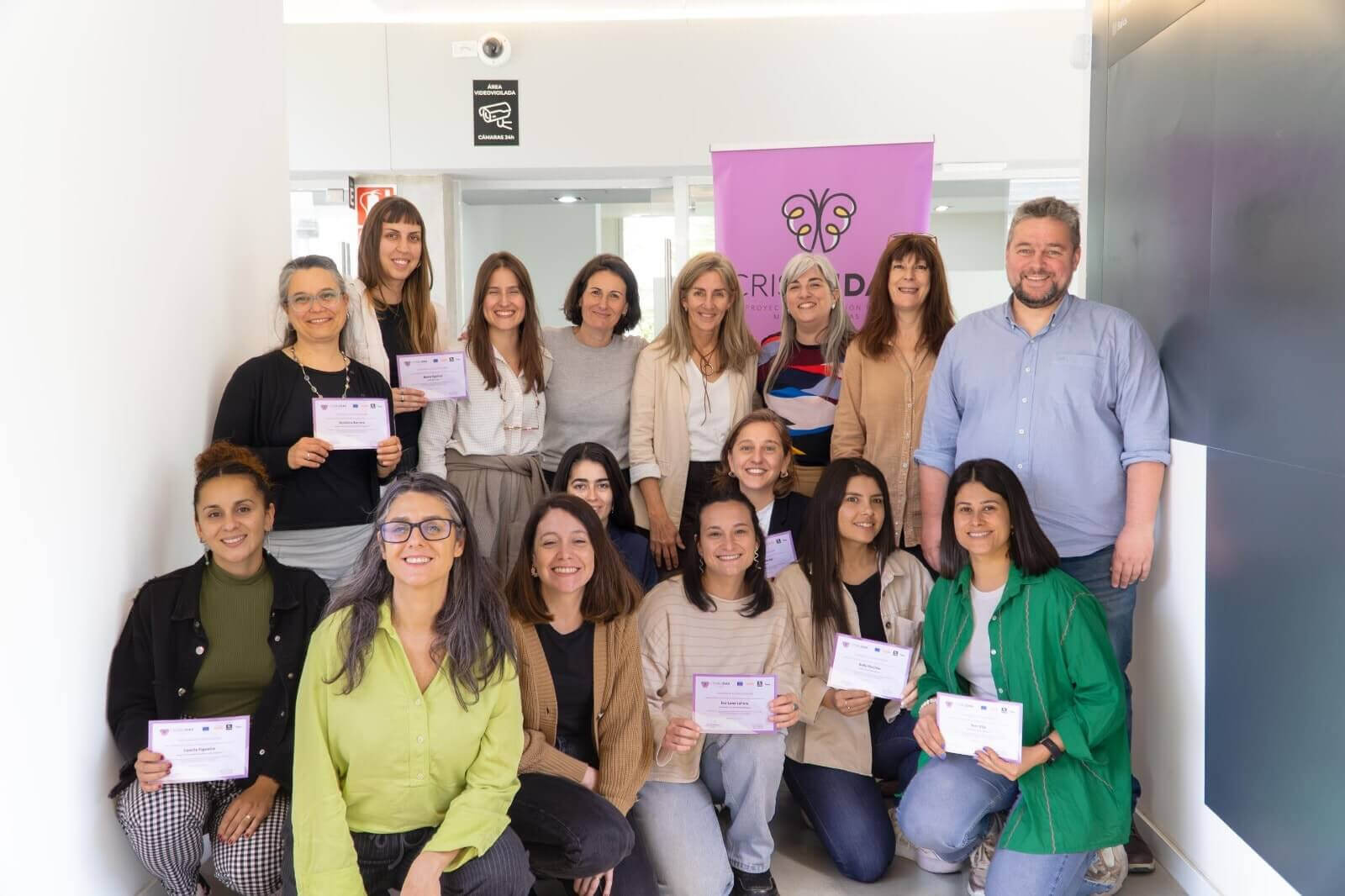
As part of this effort, the Crisálidas Project held a course-workshop entitled ‘Communication for Political Advocacy’ during September and October. During the sessions, participants explored how to frame messages with a political purpose, construct narratives that mobilise and represent vulnerable populations and relevant social issues with dignity and respect. They worked on the use of language and narrative construction to ensure visibility with respect, highlighting the power of communication to promote inclusion and rights-based representation.
For many participants, it was an opportunity to rethink the role of communication in activism, not only as a means of informing, but also as a means of transforming. Strengthening the way civil society organisations tell their stories undoubtedly contributes to building a stronger and more connected movement, capable of influencing both prison policy and public opinion.
Communication is a transformative act of advocacy: defining objectives, recognising audiences and crafting messages with purpose and political clarity. It is capable of mobilising citizens, strengthening collaboration between organisations and building collective narratives for social justice.