2023-01-01
Asia Development Alliance: International Financial Institutions must fully play their role in the reduction of global poverty while respecting human rights

The Asia Development Alliance (ADA) has carried out a study titled “The role of International Financial Institutions in shaping Infrastructural projects and Conflict Resolution Mechanisms in Asia” which focuses on the activities of some IfIs and their impact on the lives of vulnerable people.
International Financial Institutions (IFIs) have become widely known for the major role they play in the socio-economic development of nations and this includes advising on, funding and assisting in the implementation of development projects wherever they are found. This is done with the aim of:
· reducing global poverty and improve people's living conditions and standards;
· supporting sustainable economic, social and institutional development; and
· promoting regional cooperation and integration.
In Asia, the New Development Bank (NDB) and the Asian Infrastructure Investment bank (AIIB) in their choice of approach to development have been impacting their environment in many forms via their operations. Founded in 2014 and 2015 respectively, both banks declared that they aimed at mobilizing resources for infrastructural development and to promote sustainable development in developing countries and this attracted a lot of attention.
Within a short while however, civil society actors began complaining about the lack of detailed information as far as both bank’s environmental and social framework drafts were concerned with the NDB receiving harsher criticism. Their failure to even consult CSOs in this regard was not comprehensible to these actors. In 2018, the NDB declared that it conducts assessment of borrowing countries' national systems and addresses gaps, builds capacity and provides technical support. The Bank presented how it relied on country systems for project preparation and implementation and also shared the Bank's commitment to expand the scope of country systems approach after the review of local instruments. While adopting country systems is seen as a desired step in the evolution of the MDBs, the activists, practitioners, and scholars have also pointed to the pitfalls of such an approach. A huge gap was eventually found between NDB policies, project planning, and measures to strengthen national systems especially in displaying complete transparency and accountability while implementing the projects.
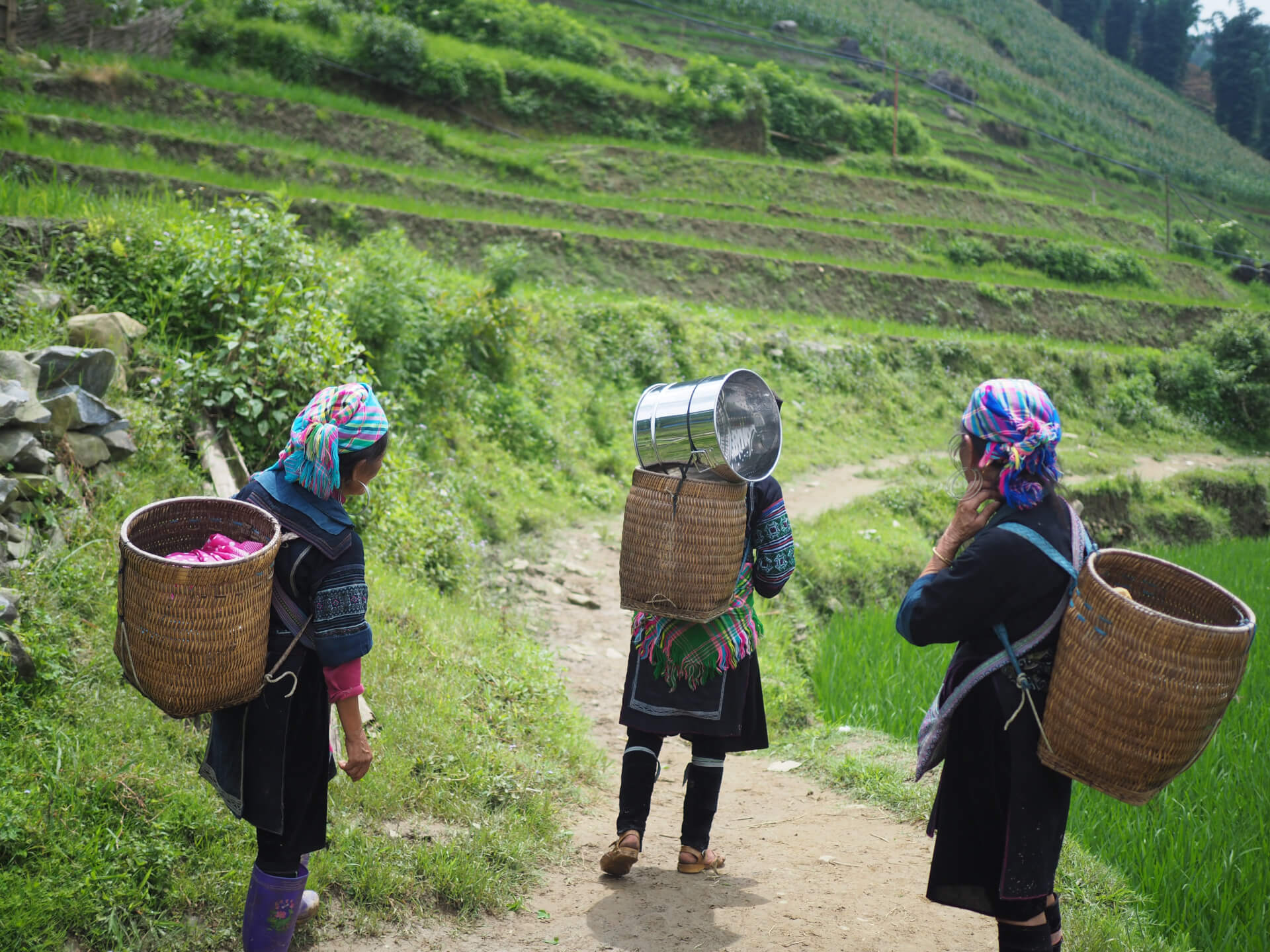
Some of these projects have caused a massive displacement of persons from their ancestral lands, homes and places of work. One of such victims are the Hmong and Khmu Indigenous Peoples who were forced to relocate so that the Nam Ngiep I Hydropower in Laos, a 290-megawatt hydropower infrastructure project to provide electricity, could be pursued in the provinces of Bolihamsai and Xaysombone. Another example is the ADB-funded SASEC Road Connectivity Investment Program (SRCIP) - a project under the South Asia Subregional Economic Cooperation (SASEC) that aims to improve about 500 kilometers of a priority road section in North Bengal and North Eastern Region (NB-NER) of India. The Indigenous Peoples in Manipur have argued that these road infrastructure would affect at least 400 hectares of agricultural land in the Western and Eastern regions of Imphal and displace hundreds of households.
In the face of increasing violence and exploitation of Indigenous Peoples and women, the Asian Development Bank remains unscathed and unaccountable as they have ensured that they would be given immunity by the Bangladesh government through the President’s Order No. 3 of 1973 or The Asian Development Bank Order, 1973. The bank’s immunity has served to violate basic human rights and Indigenous Peoples’ rights and has shrunk civic spaces, leading to continued attacks on local communities, human rights activists and environmental defenders.
With all these happening, the following recommendations have been made by ADA:
· No environmental social safeguard framework considers social reproduction, or un- paid work by women. This should be an important element at the time of assessment of compensation arising from impacts – especially, the loss and damages from the implementation of the funded projects by these entities. This is missing and should be addressed.
· The recommendation from many CSOs is that instead of framing the ESG as 'not doing harm', they should be framed in terms of 'doing good'. Gender sensitises them to consider issues of unpaid work, issues of men and women's access to resources; raw and natural resources and linking echo systems and natural systems and more such concerns. If climate funds can have a stand-alone gender policy and gender mainstreaming, there is no reason why the WB, which for years has been telling us about gender and women's rights and so forth, cannot have ESS that has a robust gender dimension integrated internally, as well as a complementary stand-alone policy. These dimensions should include unpaid work, access to childcare, and other relevant gender specific issues, as part of looking at issues of resettlement and compensation.
· The NDB, the AIIB , national development banks and other global financial institutions should have a normative core; they should start with the rights framework. This means grounding all safeguards into all the various rights frameworks that already exist. There are rights instruments for indigenous people, the elderly, women, youth, and people living with disability. They are part and parcel of a whole host of both global conventions and regional conventions.
ADB
· For the ADB to veer away from being a driver of fragility and to truly contribute to a prosperous, inclusive, resilient and sustainable Asia, it must genuinely uphold development effectiveness principles in its projects and policies. Observance of the principles of country ownership, focus on results, inclusive partnerships, and transparency and mutual accountability ensures the attainment of a rights-based and people-centred development.
· Country Ownership - The ADB must end conditionalities and cancel debts that further impoverish developing countries and fragile states. Assistance to the country should proceed from the main principle that the resources belong to the people
· Focus on Results - ADB projects must not be pursued based on the interest of their major shareholders and the private sector, but based rather on the needs of the people.
· The bank’s policies and projects must not threaten the state of peace and security in the region. It must stop financing authoritarian states that violate human rights. ADB must not be a driver of fragility in the region, and it should secure the exercise of rights of the people, especially those of the vulnerable and marginalized.
· Transparency and Mutual Accountability - Its transparency and accountability policies must be rigorously reviewed and audited with CSOs and people’s organizations to develop effective country accountability mechanisms for achieving truly inclusive and sustainable results
· It is important for investors to have the right tools to manage any accompanying risks in order to benefit from BRI opportunities. International arbitration, with its many benefits and advantages, unquestionably should be at the top of parties’ minds as a preferred choice of dispute resolution mechanism.
Capacity Building
· Local CSOs needs to be strengthened further to play the role as the front line human rights defenders / civic rights agents
· Rights based agendas need to be supported to strengthen systems instead of providing services that run parallel to states
· Commitments of ODA should be adhered fully
· Putting the most vulnerable at the centre of developmental actions would be helpful to ensure leaving no one behind
Transparency and Mutual Accountability policies must be rigorously reviewed and audited with CSOs and people’s organizations to develop effective country accountability mechanisms for achieving truly inclusive and sustainable results. The bank must also support and engage with civil society mechanisms that undertake monitoring of its projects, such as the CSO Aid Observation.