© NGO Forum on ABD
© Forus
Mon 28 Jul 2025
Civil society at the heart of the SDGs
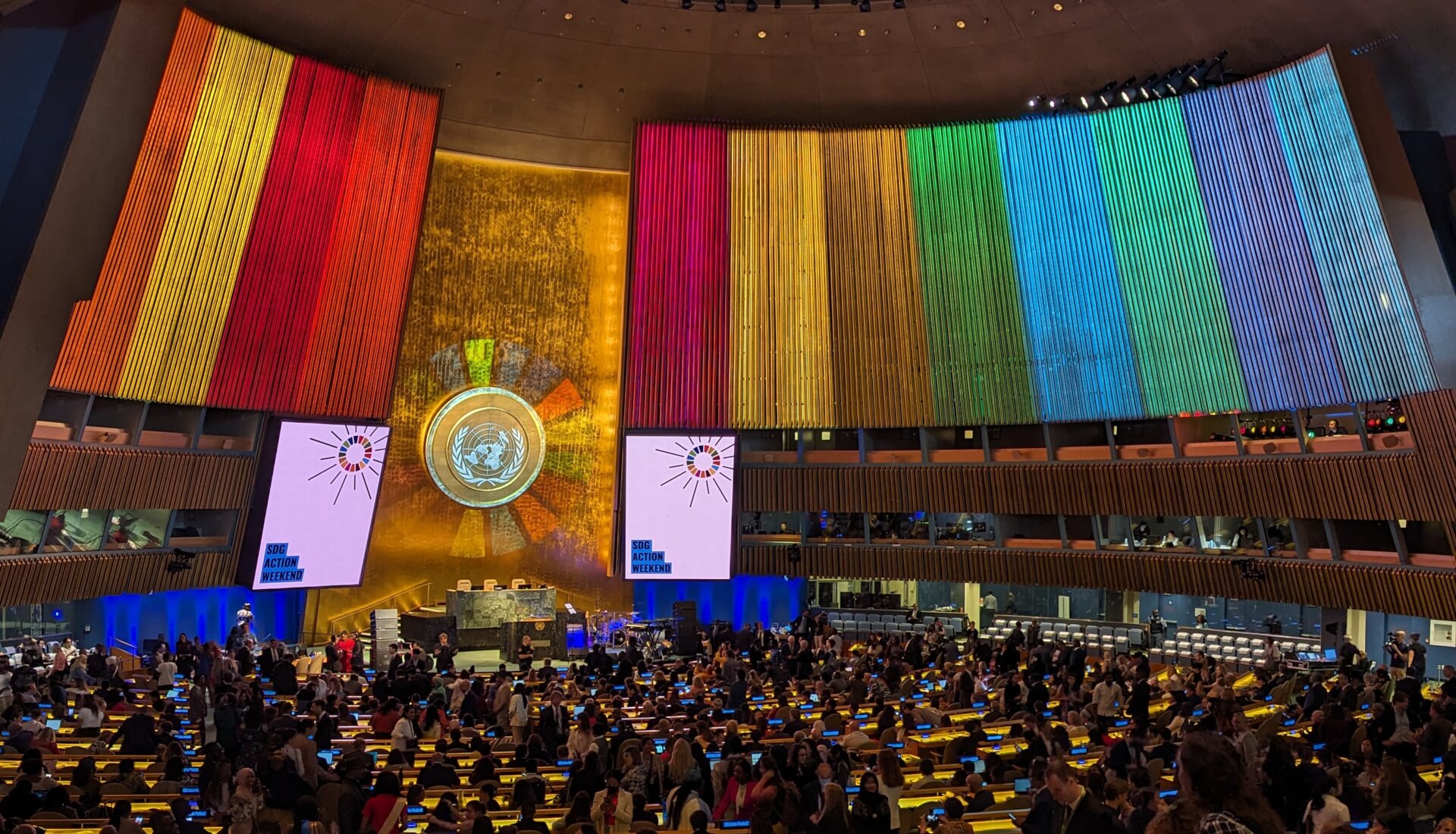
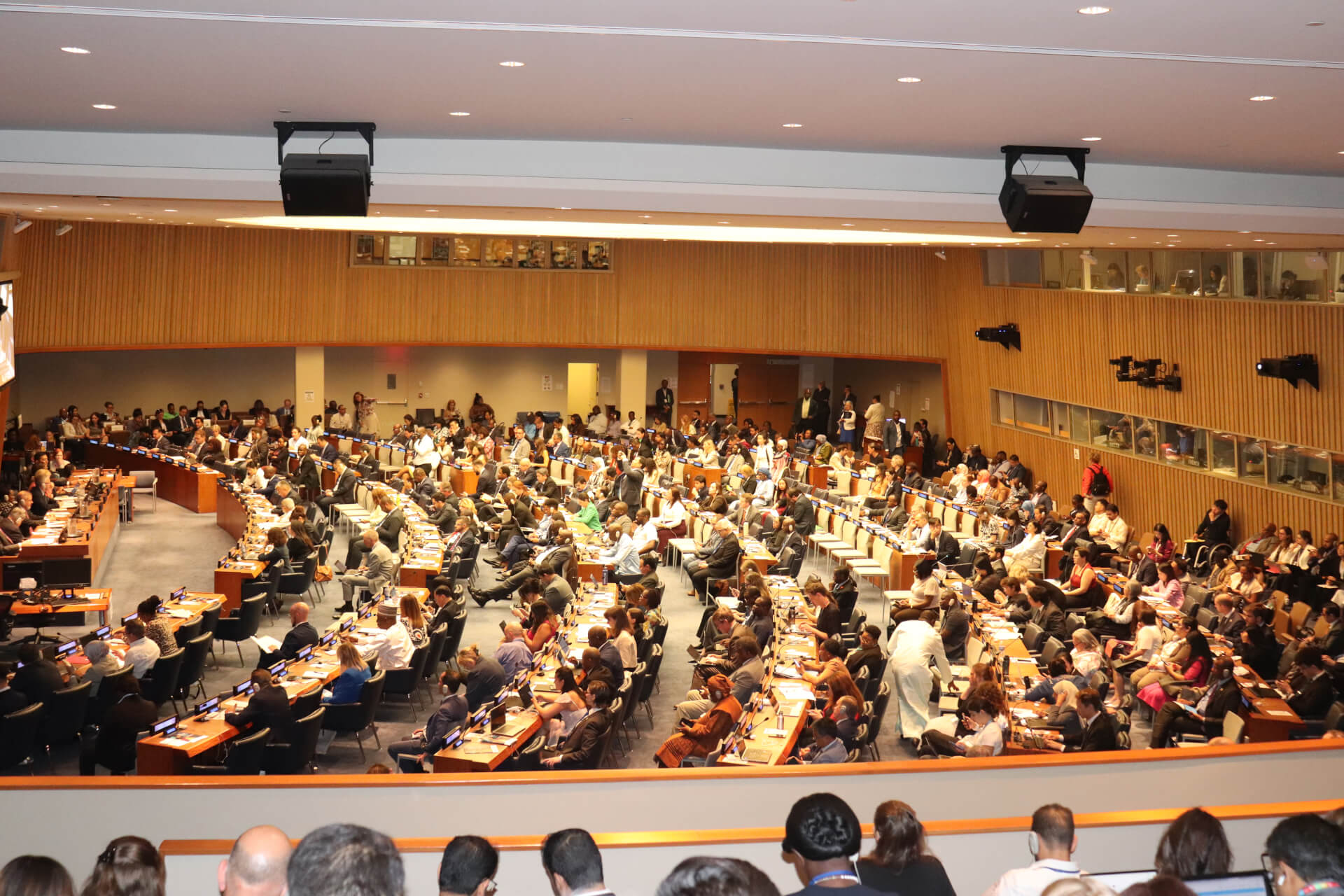
From 14–23 July 2025, the global community gathered at UN Headquarters in New York for the High-Level Political Forum on Sustainable Development (HLPF) — the UN’s central platform to review progress on the 2030 Agenda and its Sustainable Development Goals (SDGs).
This year’s Forum delivered a sobering reality check: only 35% of SDG targets are on track, 18% have regressed, and a $4 trillion annual financing gap threatens to derail the Agenda entirely. Yet amidst these challenges, Forus and its members made sure one message rang clear: civil society is not a stakeholder on the sidelines — it is essential infrastructure for sustainable development.
From side events to the launch of two flagship reports and Voluntary National Reviews (VNR) interventions, Forus members took the floor, shared evidence, challenged power structures and called for deep transformation across the SDG framework.
Local power, global change: launching Forus's flagship reports
At the heart of Forus’ engagement was the launch of two major global report that together set a roadmap for rescuing the SDGs from the ground up:
- “Unlocking the power of localization and multi stakeholder partnerships to rescue the SDGs.” Co-created with input from 20 national platforms, the report emphasises how civil society can drive SDG implementation and accountability at the local level
“65% of the SDGs depend on localization. The future is local. We must stop doing development for communities and start doing it with them — and that means flexible, predictable funding rooted in people, not just institutions.” – Dr. Moses Isooba, Executive Director, UNNGOF (Uganda)
- “A Decade of Accountability: Assessing the Role of Voluntary National Reviews (VNRs)” – a ten-year analysis of 366 VNRs (2016–2024), this report calls for VNRs to move from symbolism to substance by institutionalizing civil society engagement, integrating shadow reports and citizen-generated data, and mandating independent validation and follow-up mechanisms.
“Voluntary National Reviews must become tools of truth, not tokenism. Without genuine civic engagement and accountability, we risk producing more reports than results.” – Oyebisi Oluseyi, Executive Director, NNNGO (Nigeria)
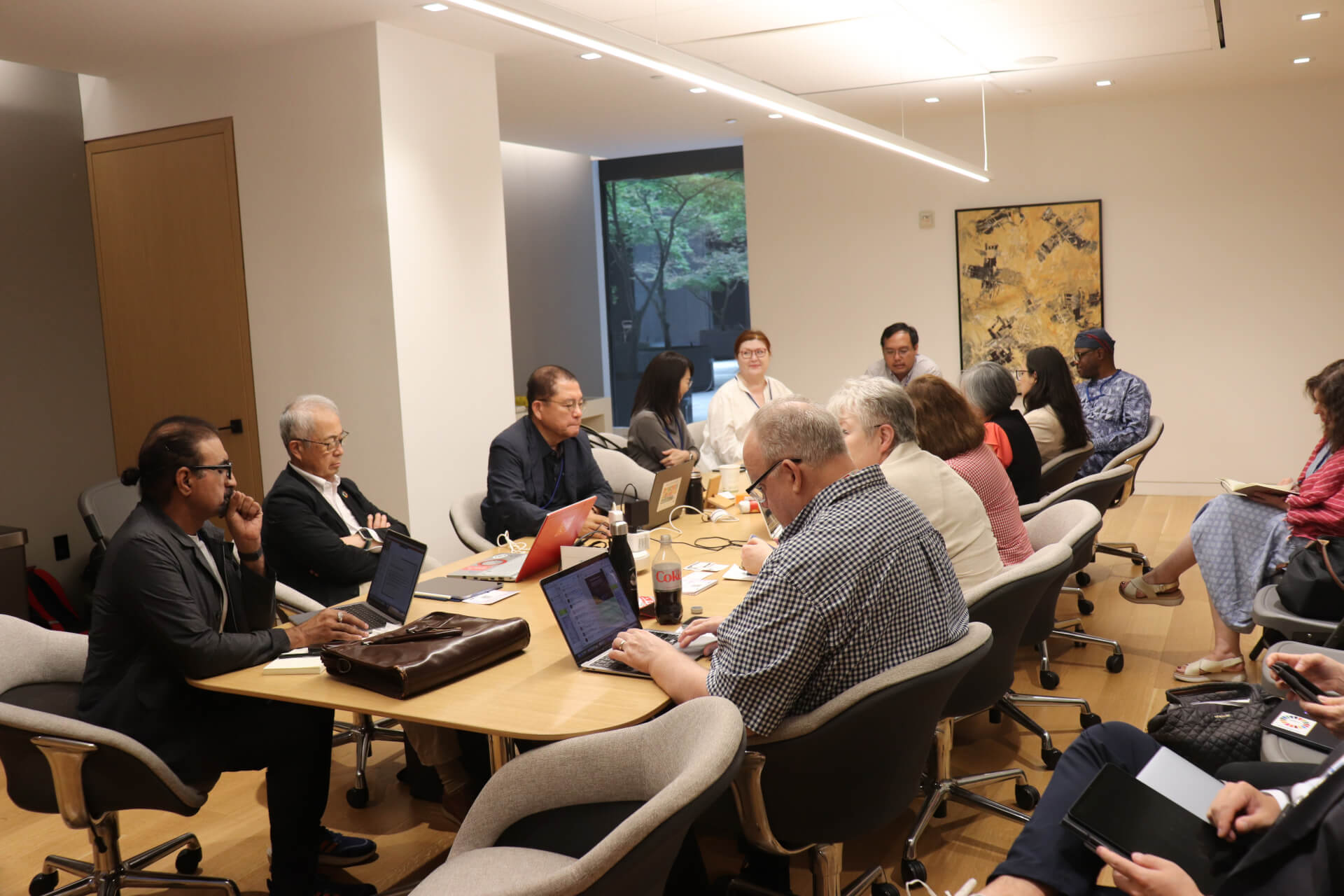
Both reports were presented through a packed in-person event on 17 July — co-hosted by the Governments of Nigeria and Finland and UNDP, and with the participation of Forus members from Japan, Indonesia, Finland and Nigeria — and a virtual launch on 18 July featuring members from the Philippines, Gambia, India and Guatemala.
At the virtual launch event, Forus members from CODE- NGO (Philippines), CONGOOP (Guatemala) and TANGO (The Gambia) shared powerful stories of grassroots accountability, civic participation and inclusive budgeting. The session spotlighted the voices of communities which are too often ignored informal decision-making spaces.
“Hope lies in localization - in the power of communities, inclusive partnerships and the innovation of local actors who are already driving resilience and results,” Jyotsna Mohan Singh, Forus Advocacy Officer and report lead author explained.
Defending Civic Space, Reimagining financing & localisation
Beyond report launches, Forus and its members engaged across multiple dialogues to defend the enabling environment for civil society and advocate for financing justice. From Uganda to Pakistan, Forus members stressed the need to rethink global financing and invest in local systems.
Moses Isooba of the Uganda National NGO Forum (UNNGOF) argued for flexible, predictable funding at the grassroots level. “Communities have assets, they have power,” he said. Speaking at events hosted by the government of Uganda and Local2030, he emphasised that 65% of SDGs depend on localisation and warned against top-down “ivory tower” development models.
At the Ford Foundation’s “SDGs and Civic Space Under Threat” dialogue, co-organized with CIVICUS, TAP Network, Accountability Lab, and QUNO, Forus presented early warning data from the EU SEE initiative, underscoring the rise of restrictive laws, funding cuts, and negative narratives about civil society. Participants called for flexible funding, stronger early warning and protection systems, and solidarity across sectors.
At another key moment reviewing the effectiveness of VNRs and launching another new report by the Forus network analysis a decade of the tool, Zia Ur Rehman from the Asia Development Alliance (ADA) and the Pakistan Development Alliance (PDA) delivered a bold critique of international financing structures: “The global aid system is not democratic. We need to stop funding armament and start funding development.”
Child labour, gender equality and accountability
At a side event on SDG Target 8.7, Janic (JAPAN) and partners like Action against Child Exploitation (ACE) emphasised the urgent need to eliminate child labour in all its forms. With 138 million children still engaged in child labour - half of them in sub-Saharan Africa - civil society called for stronger commitments and international cooperation to meet the 2025 target.
You can watch JANIC and ACE member Hideki Wakabayashi’s opening address here
VNR reactions: speaking truth over power
In the final days of the HLPF, several Forus member countries delivered their voluntary national reviews (VNRs), prompting strong responses from national civil society platforms.
- Nigeria: Civil society praised the inclusive consultation process but raised 4 urgent questions on insecurity, social protection, climate resilience and accountability.
- Japan: CSOs called on the government to move beyond fragmented approaches and adopt a shared strategy rooted in equity, inclusive data and civic participation.
- India: civil society acknowledged digital innovation and green investments but emphasised the need for equity-focused SDG delivery and deeper engagement with marginalised groups.
- Finland: CSOs challenged the contradiction between Finland’s high material footprint, ODA cuts and lack of climate finance, urging the government to uphold its “leave no one behind” pledge.
- Bulgaria: Roma-led CSOs called attention to structural exclusion, forced evictions, segregated schooling and the invisibility of Romani women in policy - demanding urgent legislative and institutional reforms.
- Philippines: civil society groups questioned the gap between rhetoric and reality in gender rights, climate justice and decent work, urging people-centred, rights-based governance.
- Indonesia: Indonesia's NGOs urged faster, more inclusive SDG action, calling for stronger civil society engagement, transparent funding and gender equality. they also highlited overlooked issues like migrant workers and climate-resilient fisheries.
In several side events, Forus members such as NNNGO (Nigeria), INFID (Indonesia) and PDA (Pakistan) highlighted the need to move beyond tokenism in national reporting.
“Voluntary national reviews must become tools of truth, not symbolism,” Oyebisi Oluseyi, Executive Director of the Nigeria Network of NGOs (NNNGO) declared.
“Civil society must be heard not only during consultations but in shaping outcomes. Without that, the SDGs risk becoming a broken promise.” – Zia Ur Rehman, Asia Development Alliance (ADA) and Pakistan Development Alliance (PDA)
You can watch Finland’s CSO response to the presentation of the VNR here delivered by Oyebisi Oluseyi.
A moment of community
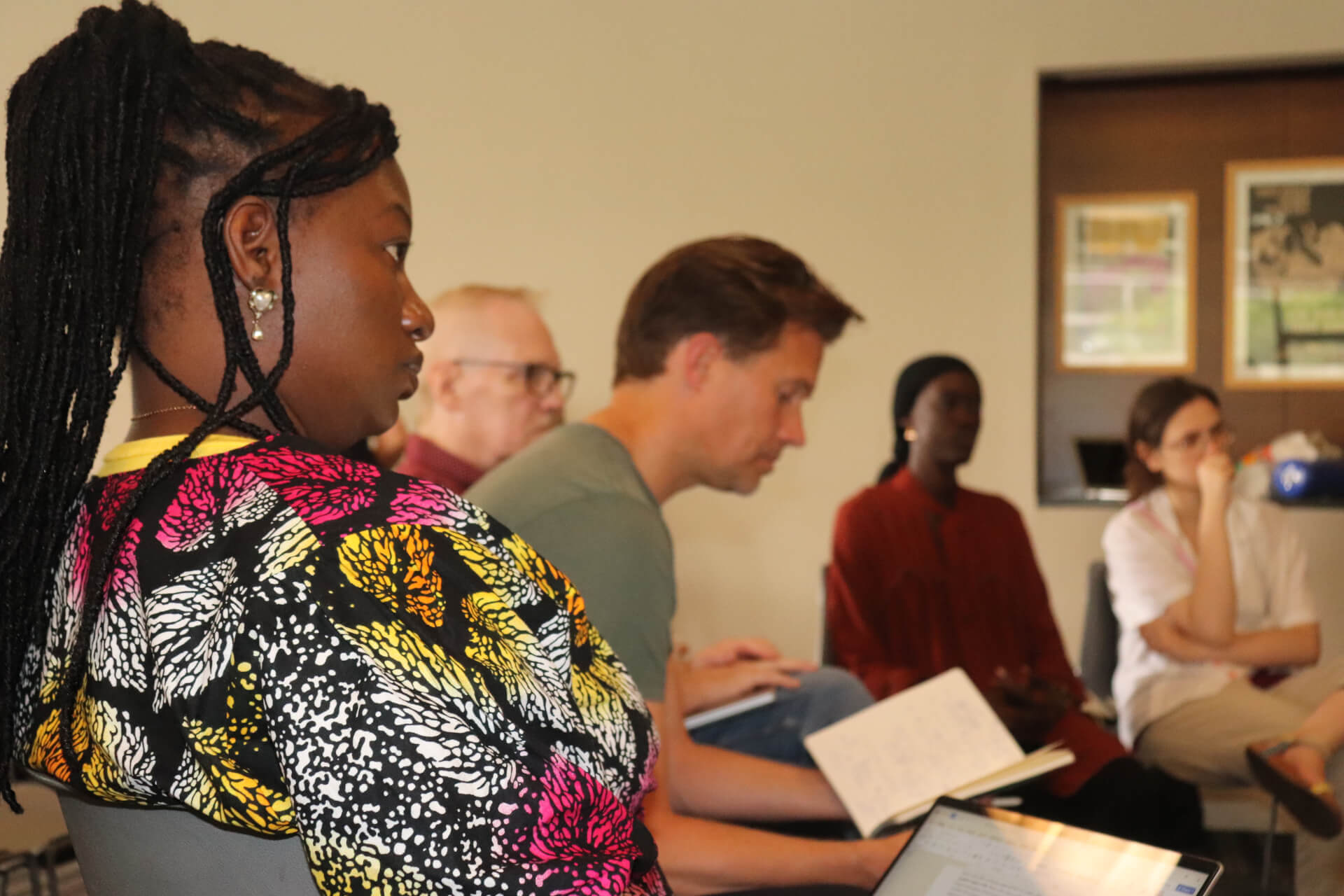
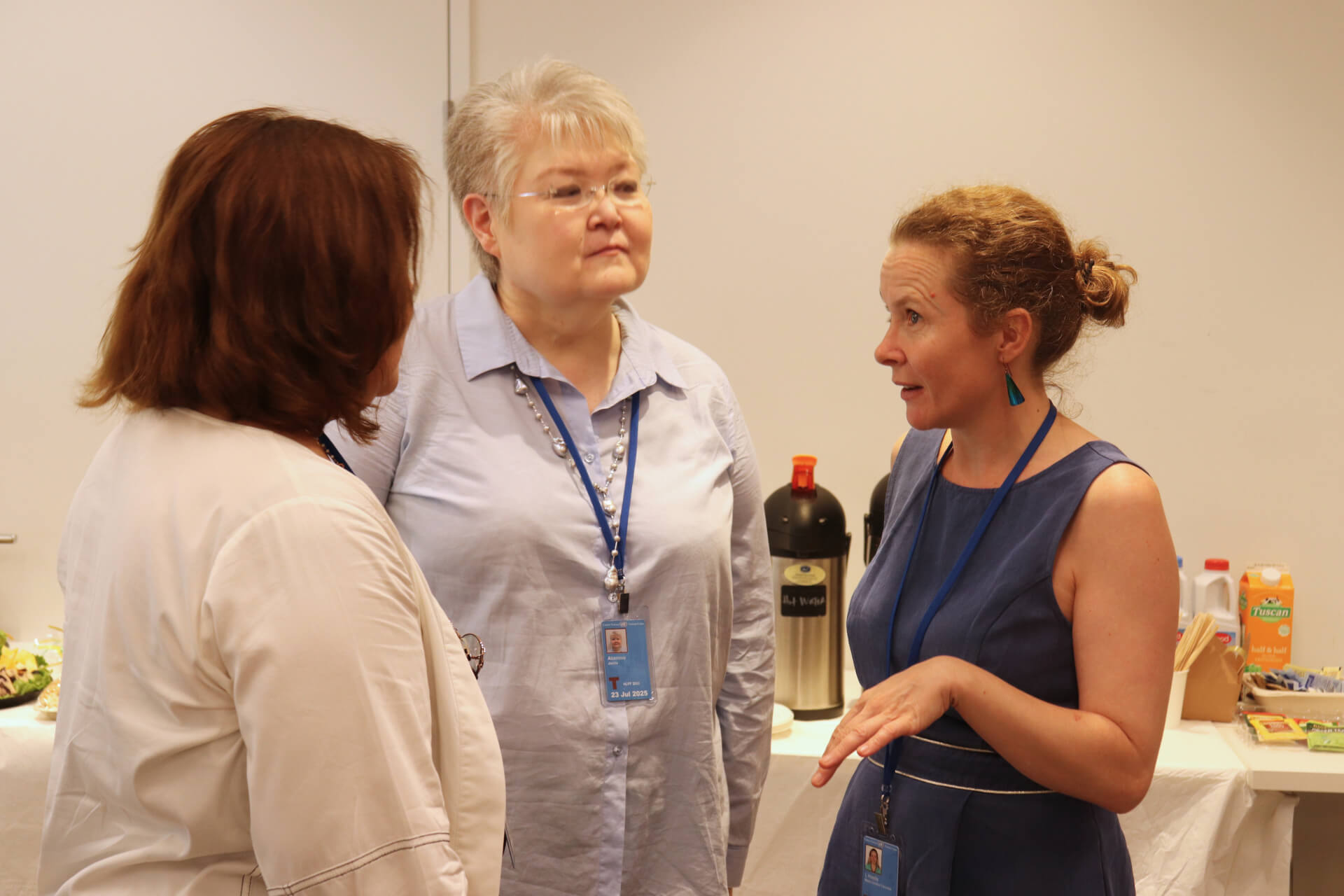
Amidst packed schedules, intense advocacy and daily events, Forus members found time to come together for informal exchanges – a reminder that trust, solidarity and shared strategy are forged not only in official meetings but also in moments of connection.
Looking ahead
HLPF 2025 was not just a review — it was a political turning point. With just 5 years left to achieve the Agenda 2030, Forus’ message in New York was clear:
Unlock local power. Rebuild partnerships. Rescue the SDGs.
As we move toward the 80th UN General Assembly and the 2026 World Summit for Social Development, Forus will continue to mobilize its network, amplify community voices, and push for resources and reforms that put people, equity, and resilience at the centre of the global agenda.
You can download our most recent report here
You can also access our latest annual report here
Join our campaigns!
Discover our campaigns on shifting power and new forms of financing for development