Thu 6 Oct 2022
Civil Society Organizations need to lead the new narrative

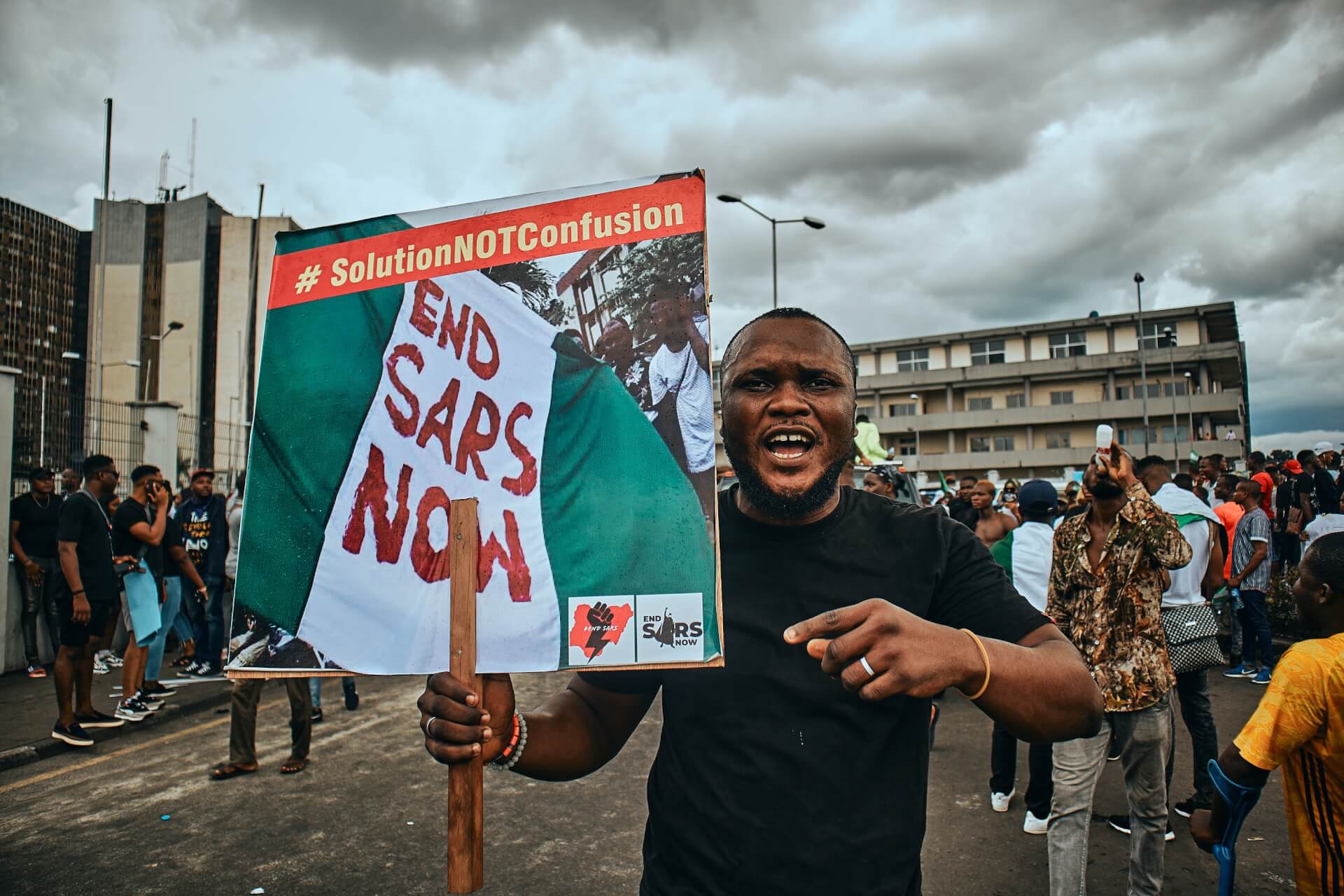
The operating space of civil society around the globe is shrinking, that’s a fact. Distrust, disinformation and polarization are growing, hand in hand with obstructions and deliberate attacks against the very existence of civil society and its representatives. From Brazil to the Asia-Pacific, the Forus network is raising the alarm.
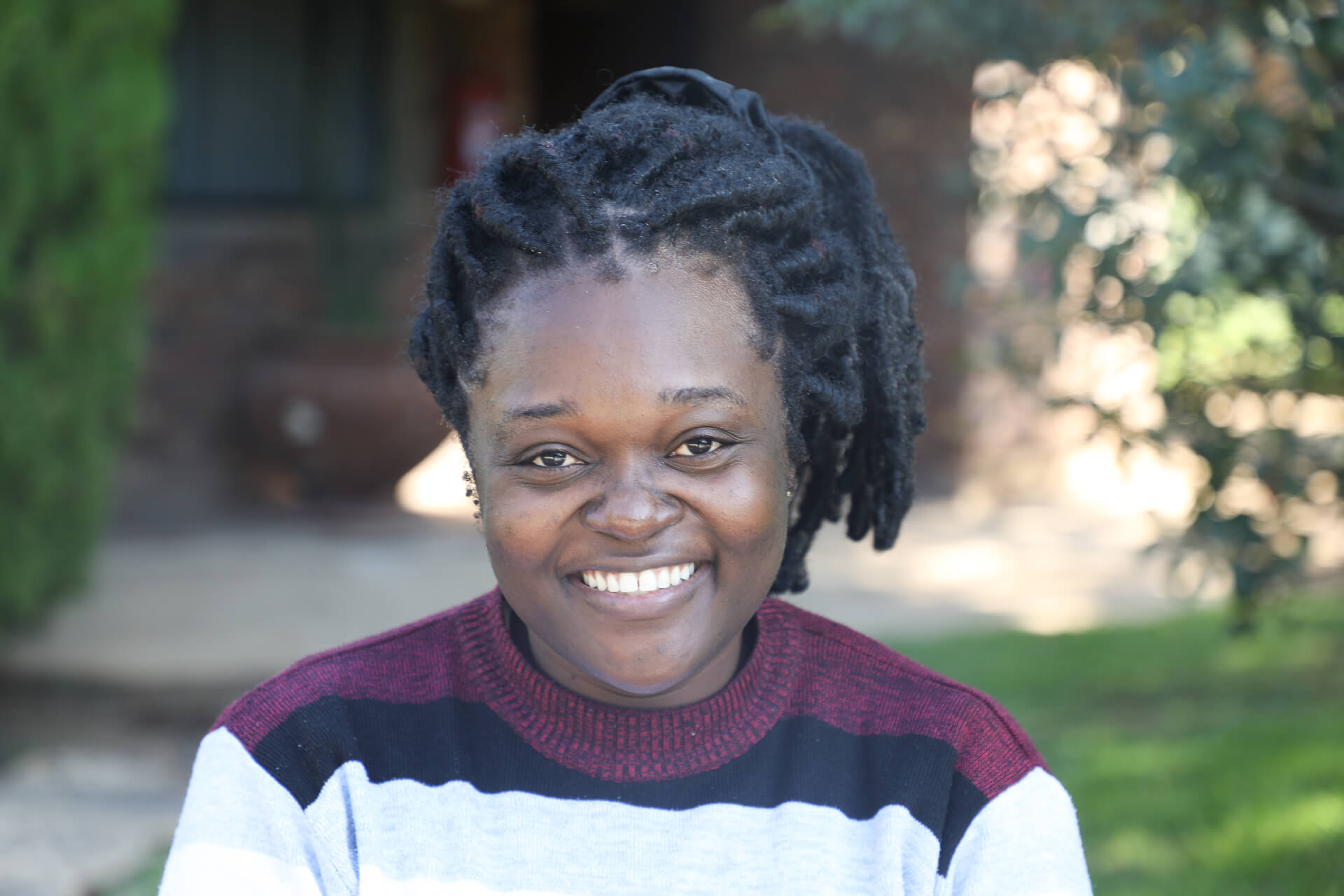
“Lack of understanding is one of the main problems. There is a need for meetings to be held between governments and civil society organizations for those directly affected to be able to tell what the problems are and propose solutions,” says Vitalice Meja, Executive Director of the Reality of Aid in Africa and Coordinator of the Enabling Environment for Civil Society Organizations Task Force of CPDE (CSO Partnership for Development Effectiveness).
Together with over 30 Forus members and partners from across the civil society spectrum, Meja discussed current challenges in terms of civic space at the Forus enabling environment working group meeting held this October 5th 2022.
Meja presented the idea of Country Action Dialogues: civil society-led initiatives which bring the experiences of frontline defenders and organizations to the center stage. Why? To help governments and partners to address the issue of a shrinking civic space and promote an enabling environment with knowledge "from the inside".
Unity in action is essential in order to avoid clashes:
“Civil society organizations must be the ones to lead or initiate the process. They must hold meetings to agree on what the aim is before convening governments or reaching out beyond network members or approaching partners. This will make it easier for them to speak with one voice during meetings with various stakeholders.”
Essentially, Country Action Dialogues are multi-stakeholder processes at a country level which aim at building a shared understanding of the state of an enabling environment and agree on concrete steps for joint action. What are the reasons for progress or regress? What opportunities exist and what actions are needed to strengthen civic space? "Good" country dialogues have 4 main ingredients: they are led by local civil society organizations, they are inclusive and ensure meaningful engagement, they draw on evidence and are results-oriented.
Questioned on how to integrate the voices of organizations which work in “unstructured movements” such as activists and grassroots groups, Meja has a clear philosophy:
“The focus should be on creating enabling spaces for them as well, so that their voices too can be heard. We should work on protecting, defending and expanding the space for all. They are part of our eco-system and we should appreciate that diversity more.”
There is a need to scale up partnerships across national and international stakeholders, yet +civil society organizations should bear in mind that this should be a voluntarily action which comes from deep convictions and not coercion.
Meja also explained how the advent of the coronavirus has crippled the enabling environment civil society organizations desperately need in order to function properly:
“Covid19 has put a lot of strain on how civil society organizations engage with governments on the one hand, but it has also made us see the urgent need to scale up cooperation and partnerships with governments. The current situation is very difficult and requires more action from all actors.”
“Getting information on today’s shrinking environment has become increasingly difficult due to restrictions imposed by governments and to the criminalization of civil society’s activities.”
Forus members Abong (Brazil), ADA (Asia-Pacific) and Taiwan Aid echoed this reality and shared their concerned of an increasing polarized political and social sphere, but also their solutions and the increase need for joint action.