© NGO Forum on ABD
© Forus

2025-07-17
Civil society steps up: Forus highlights the importance of true localisation, financing for development and elimination of child labor at 2025 UN High-Level Political Forum
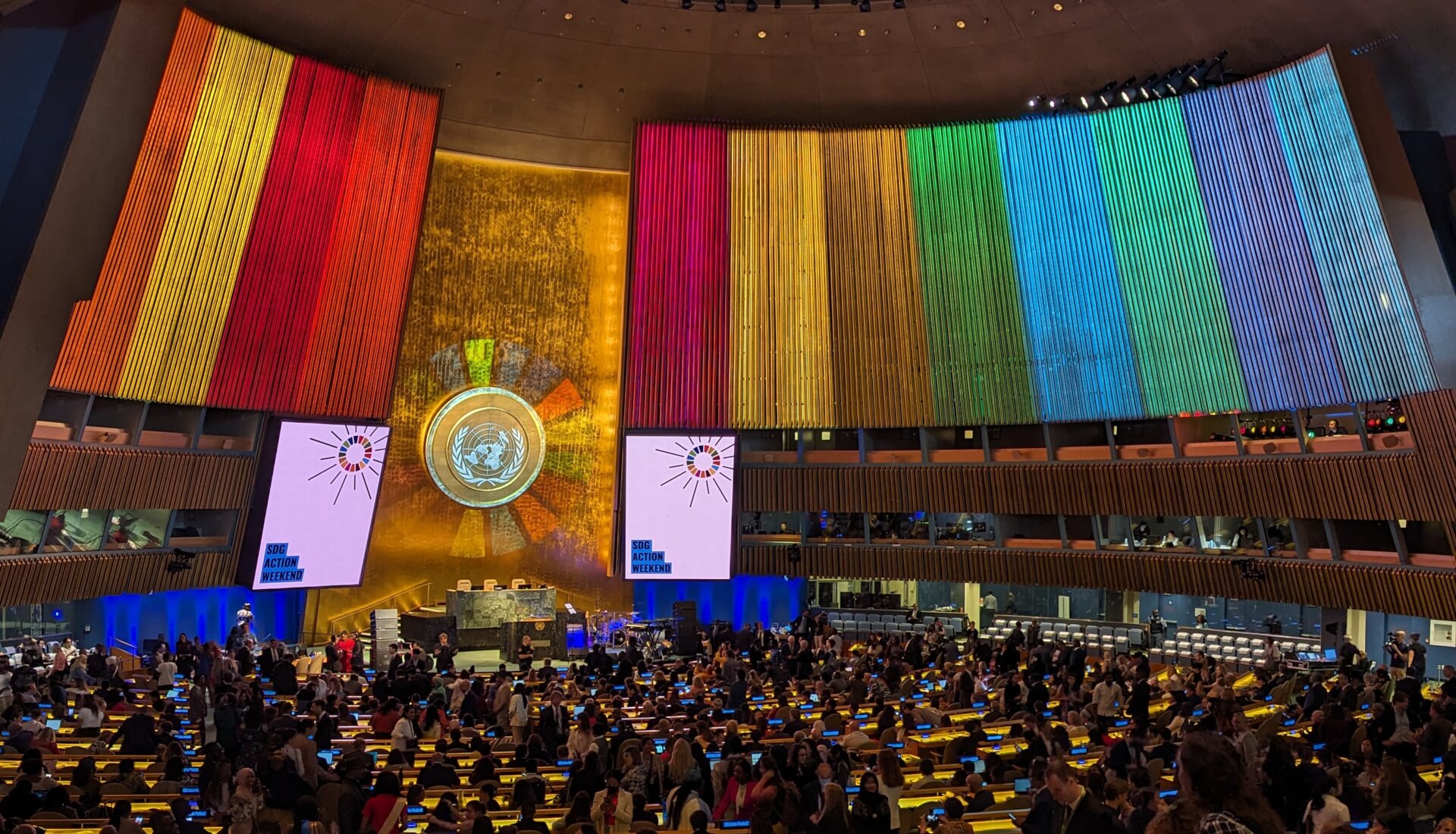
July 17, New York - As the 2025 UN High-Level Political Forum (HLPF) continues in New York, Forus members are making a strong case for the centrality of civil society in financing sustainable development and localising the sustainable development goals (SDGs).
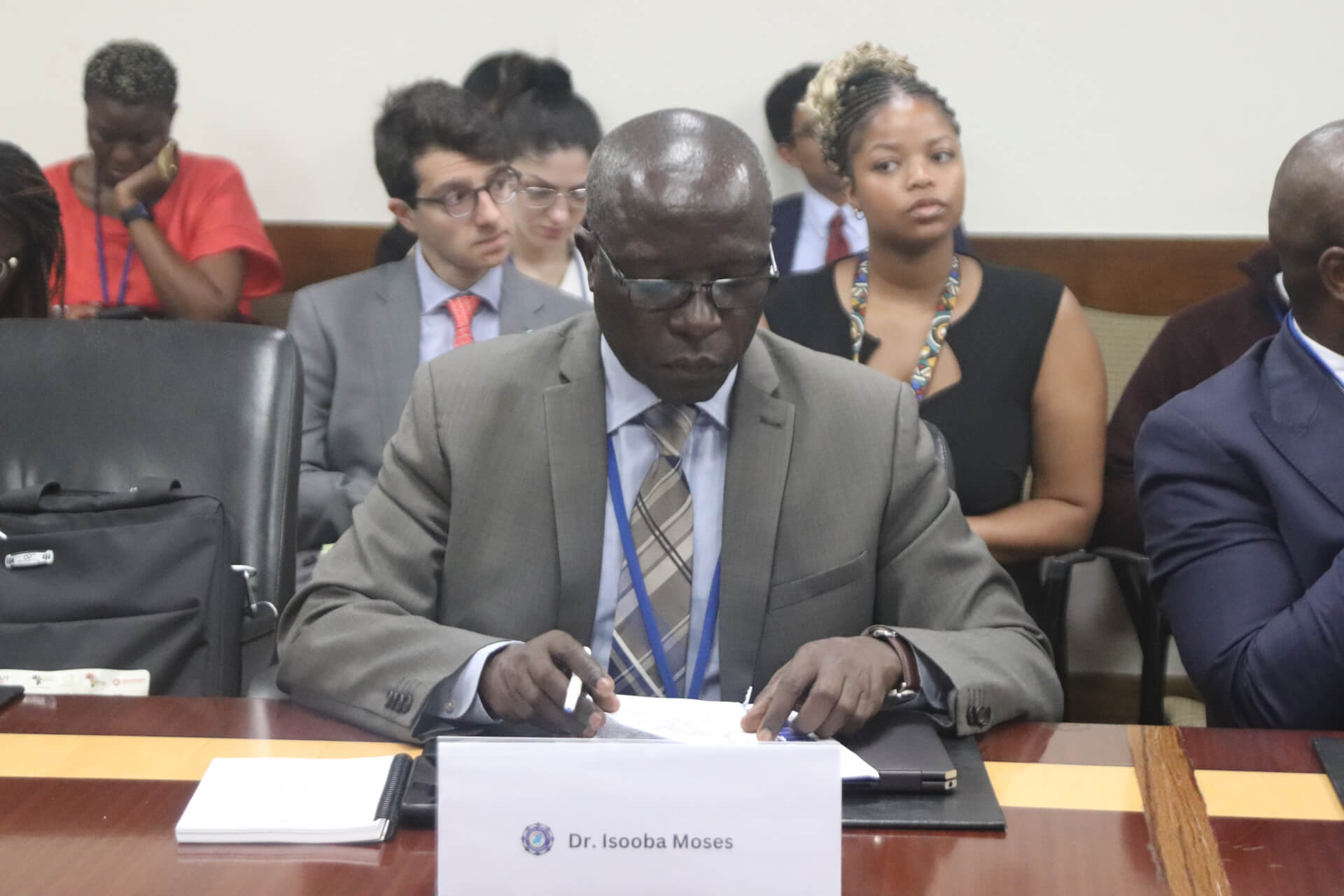
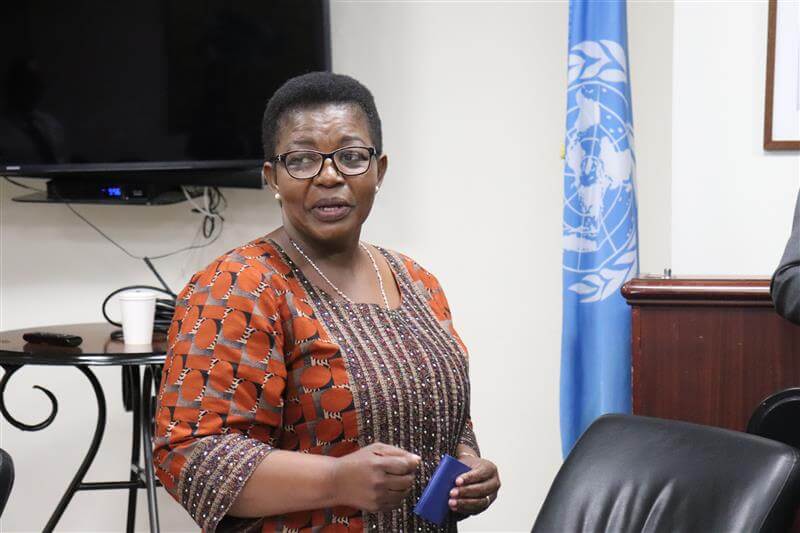
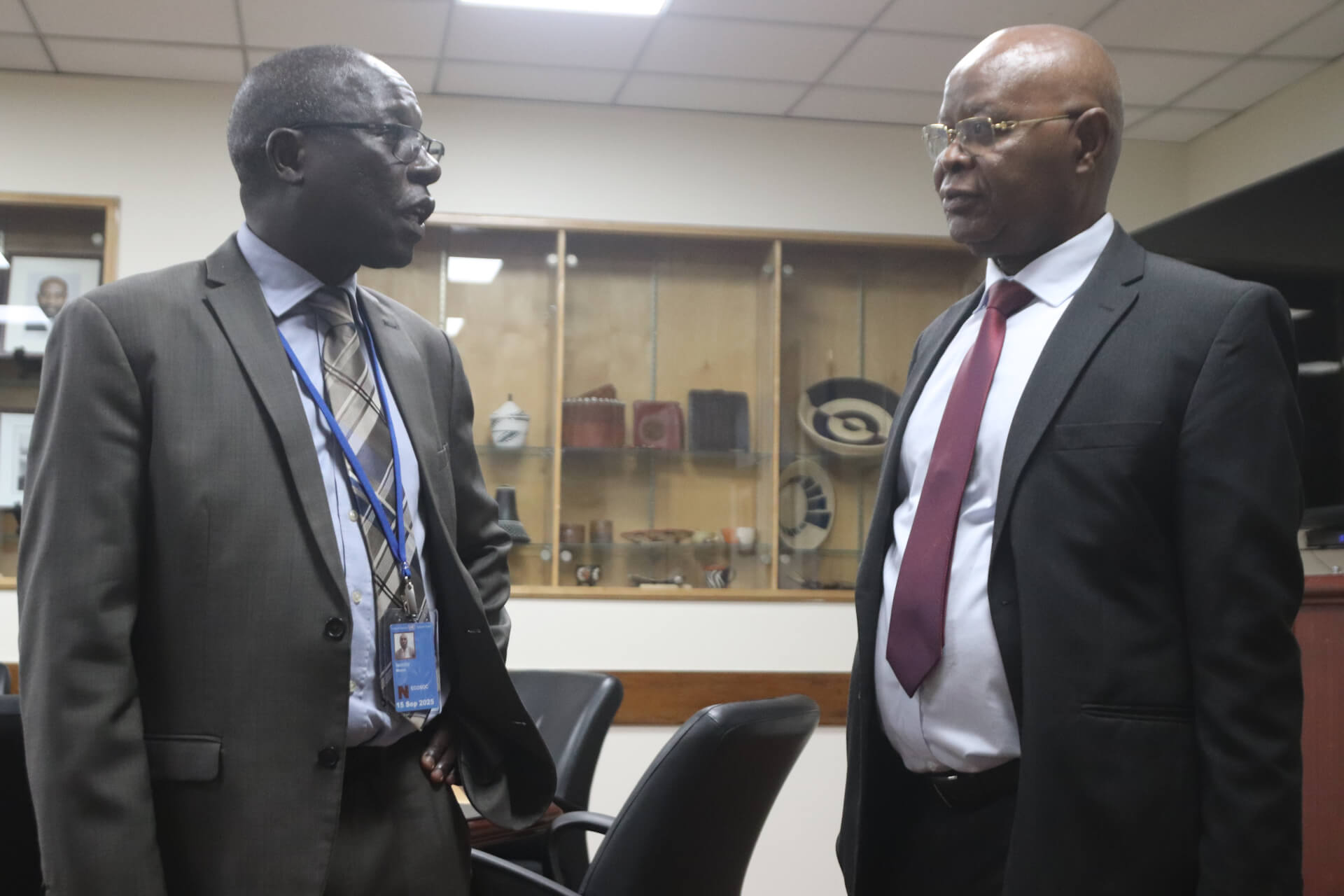
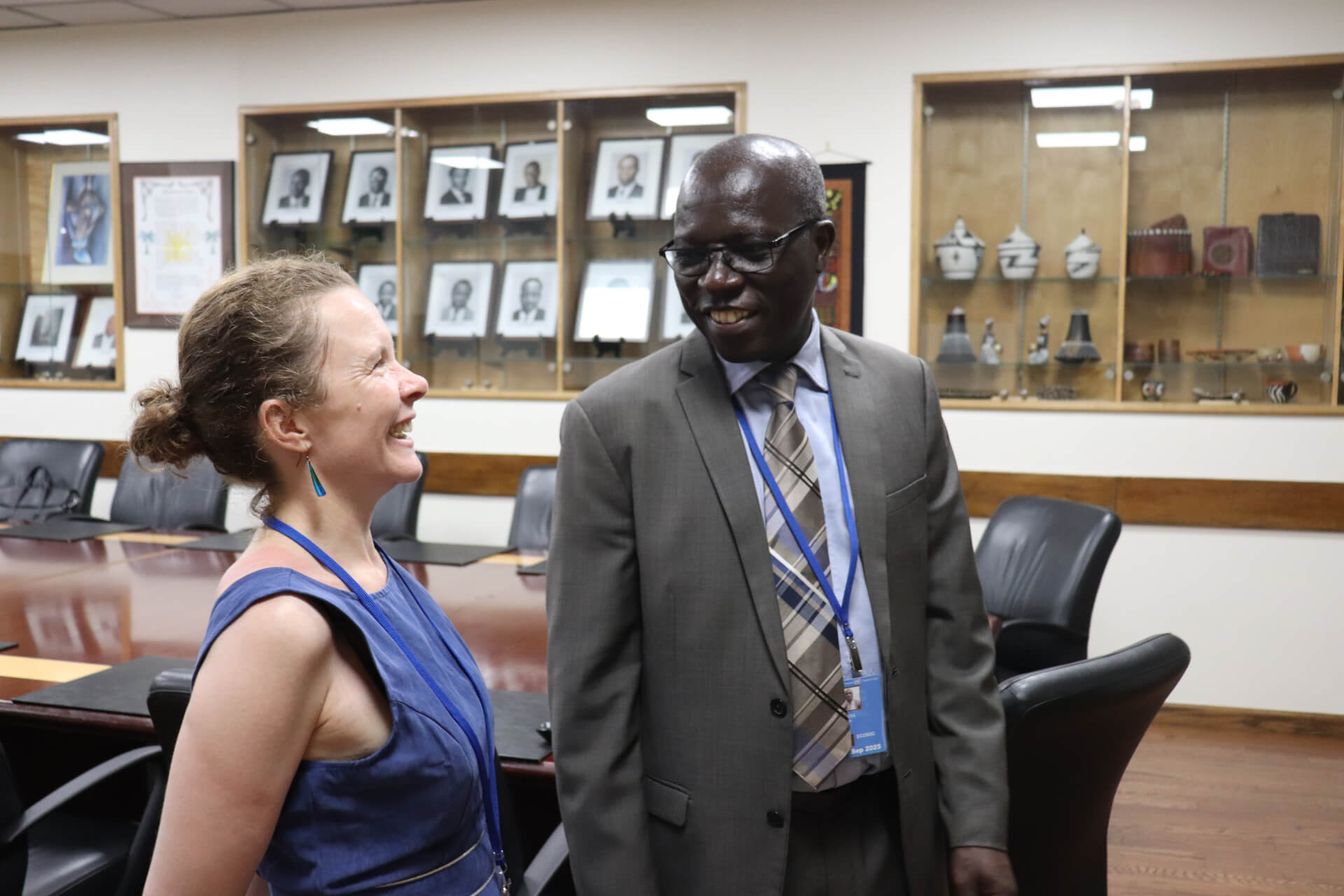
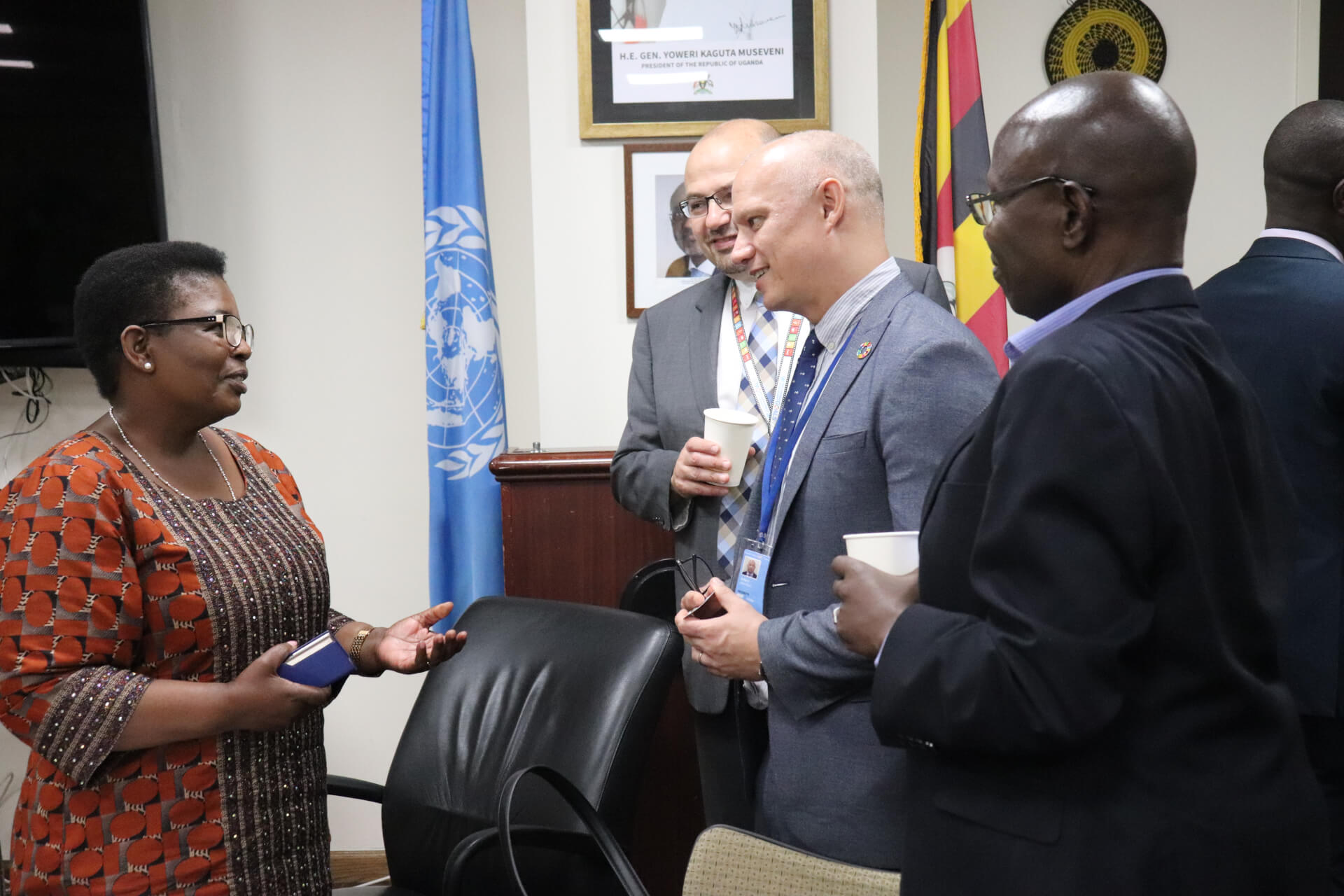
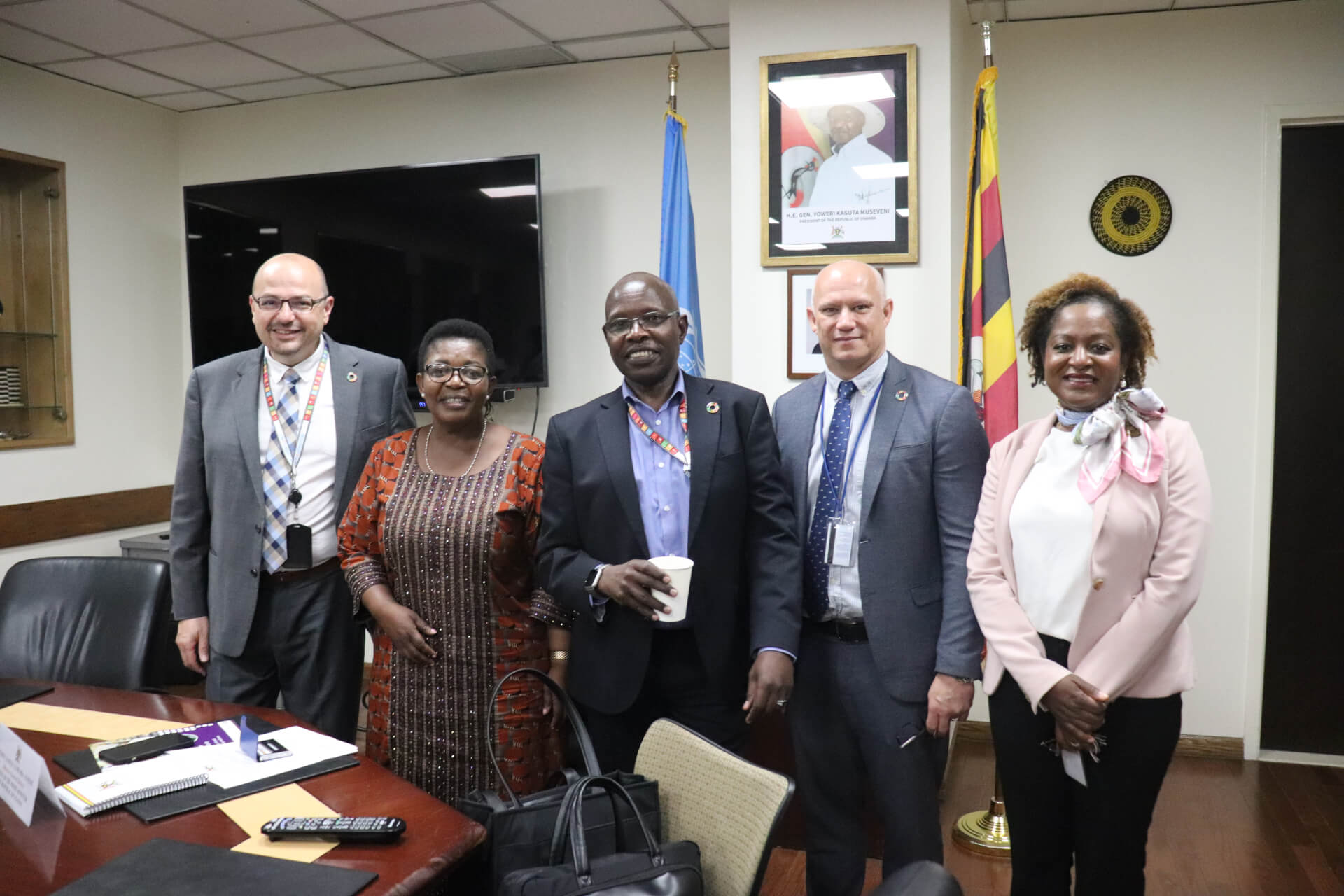
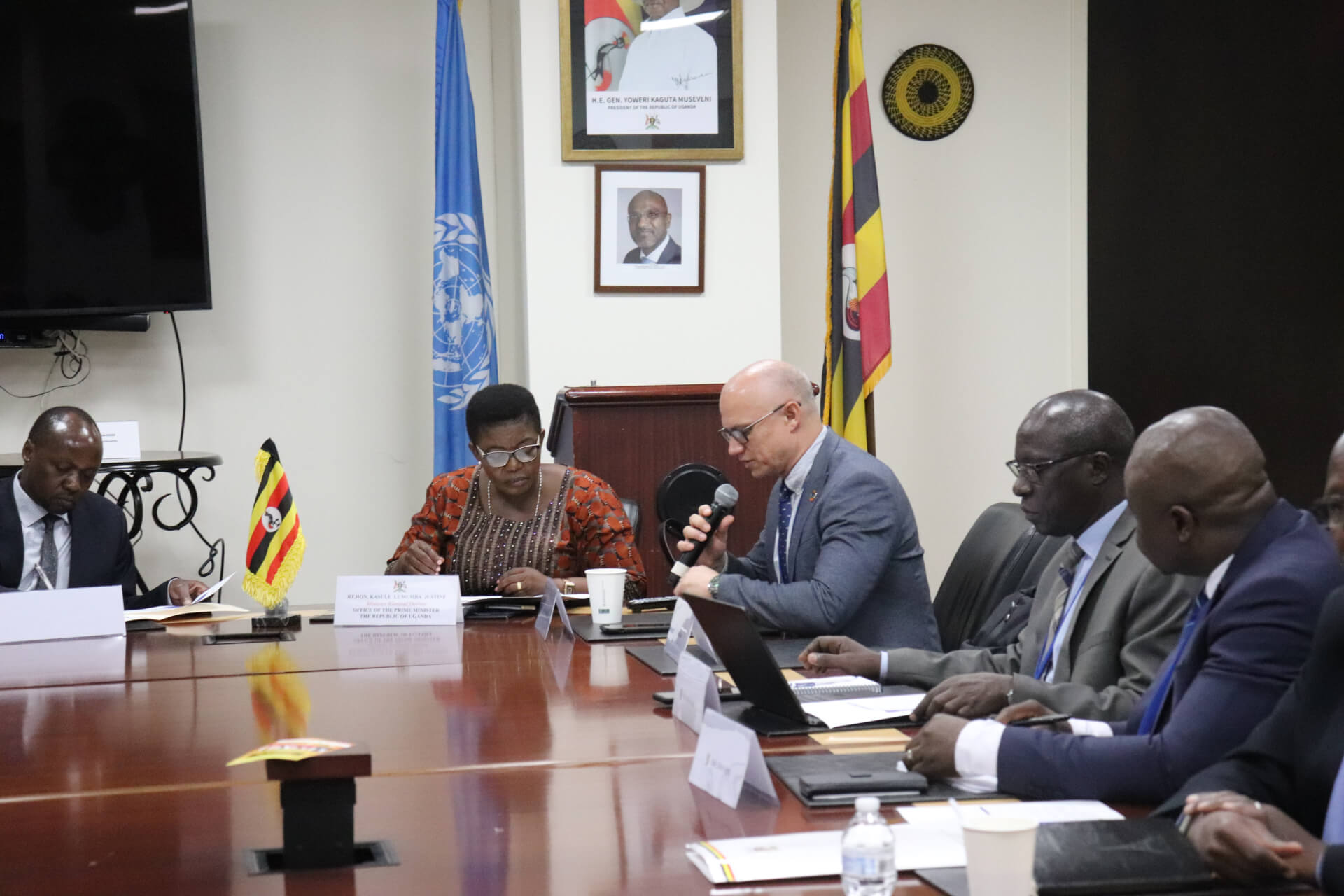
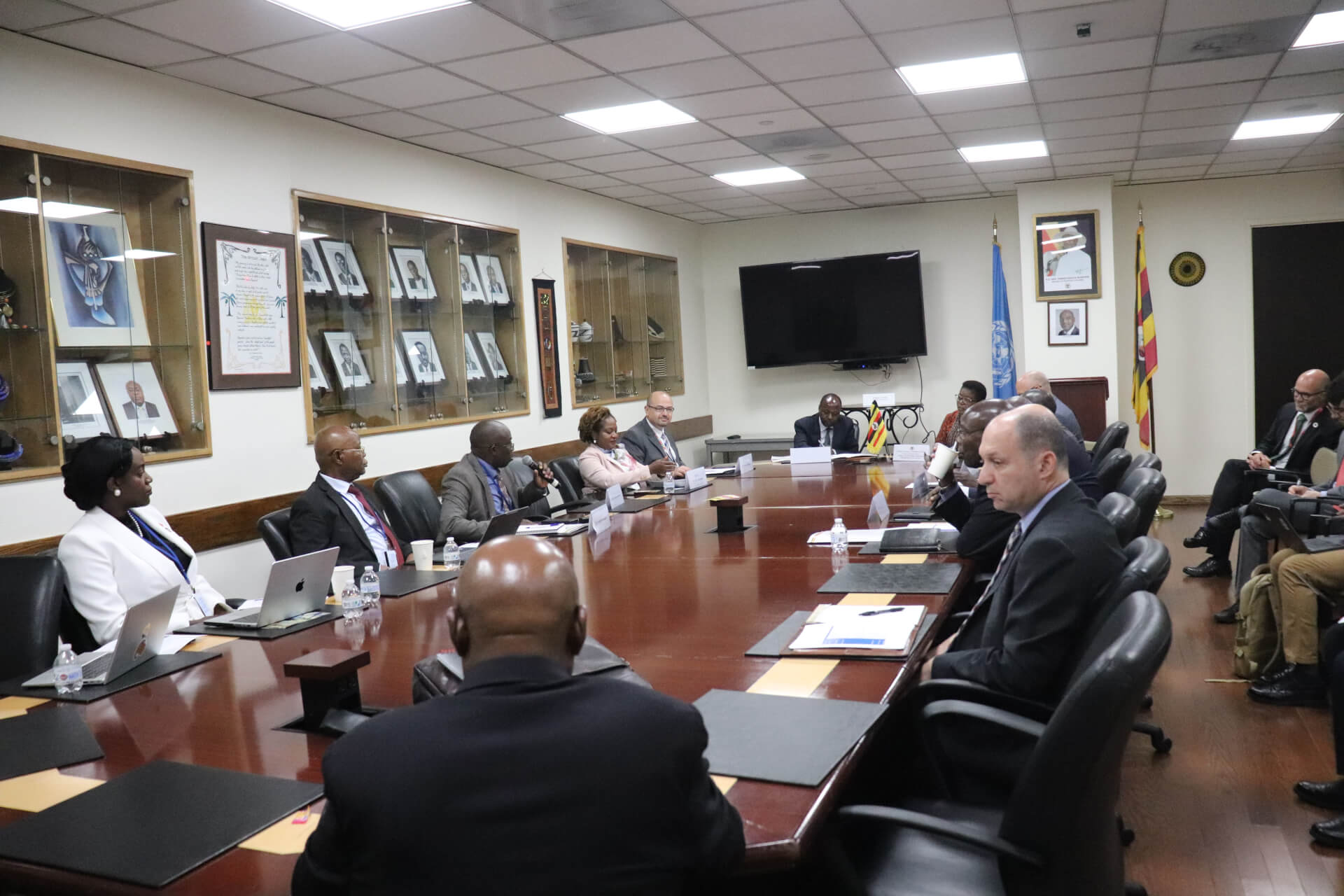
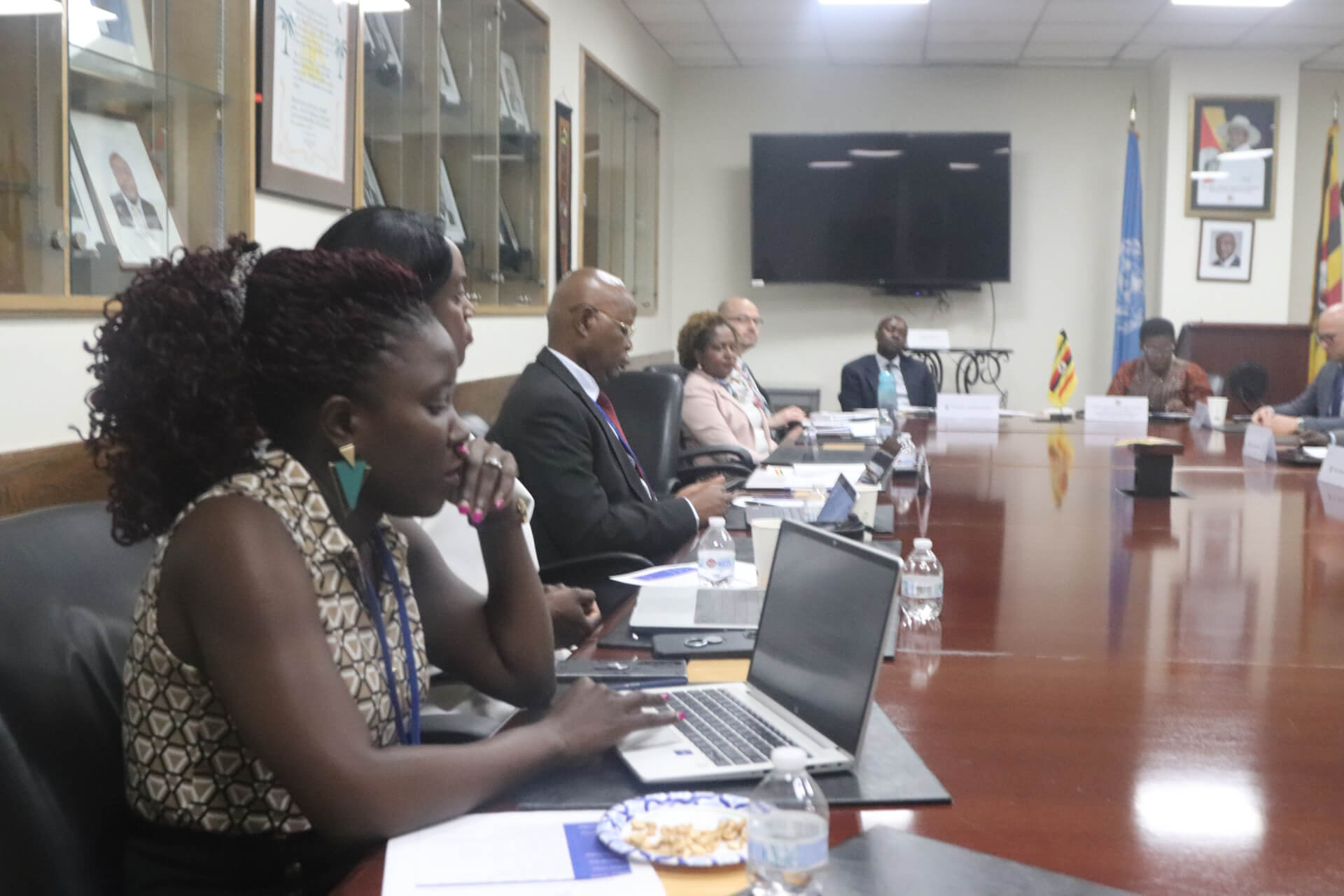
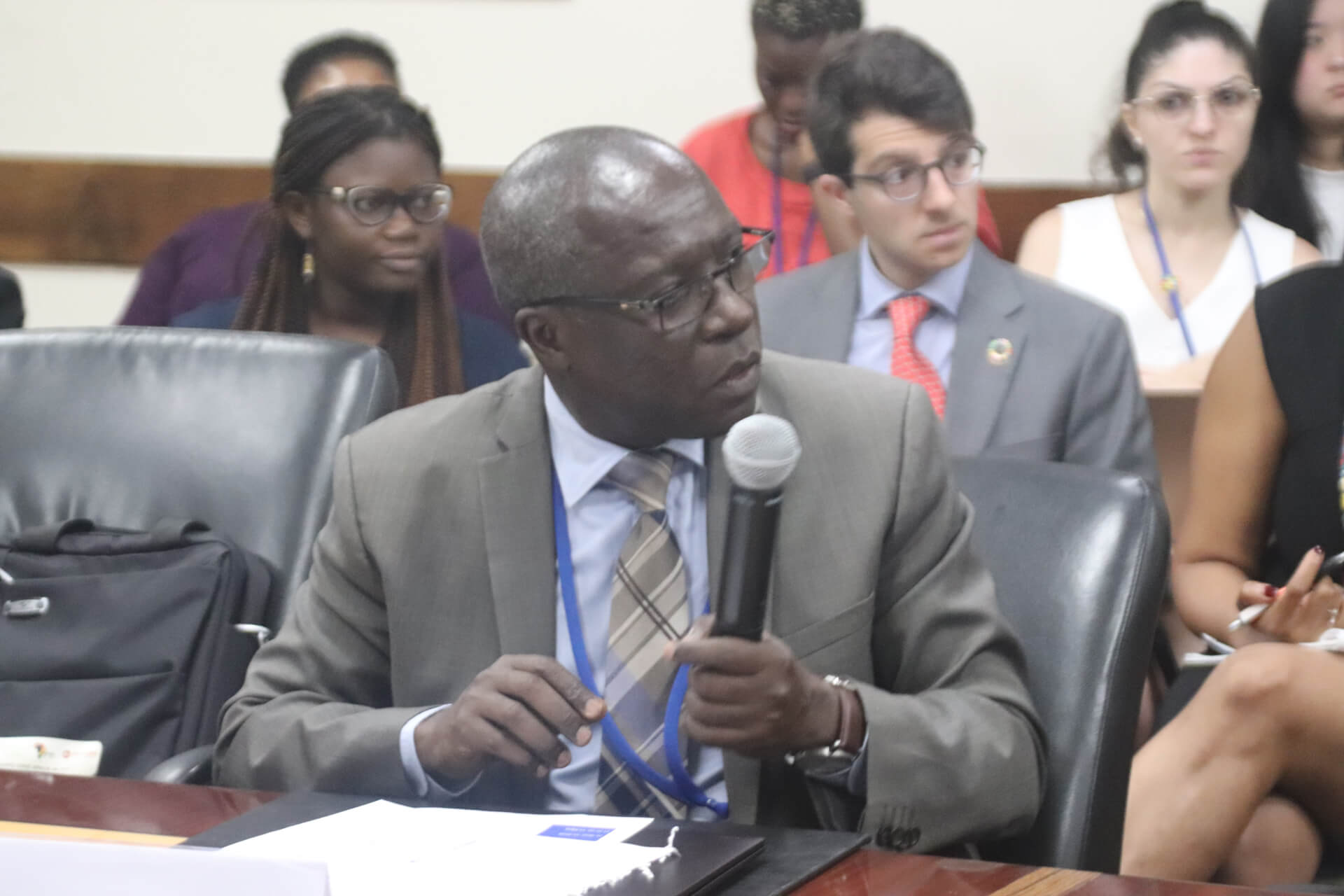
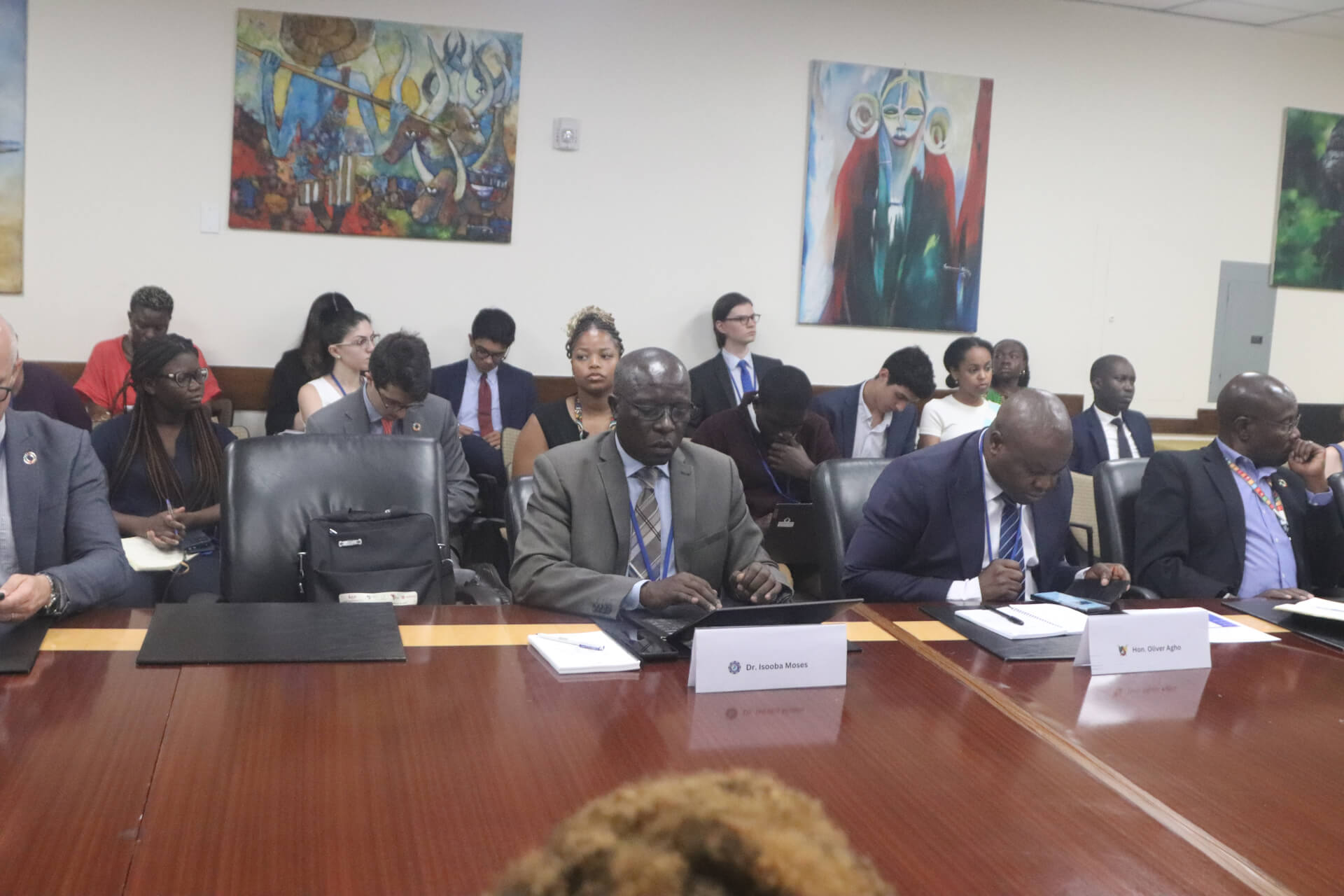
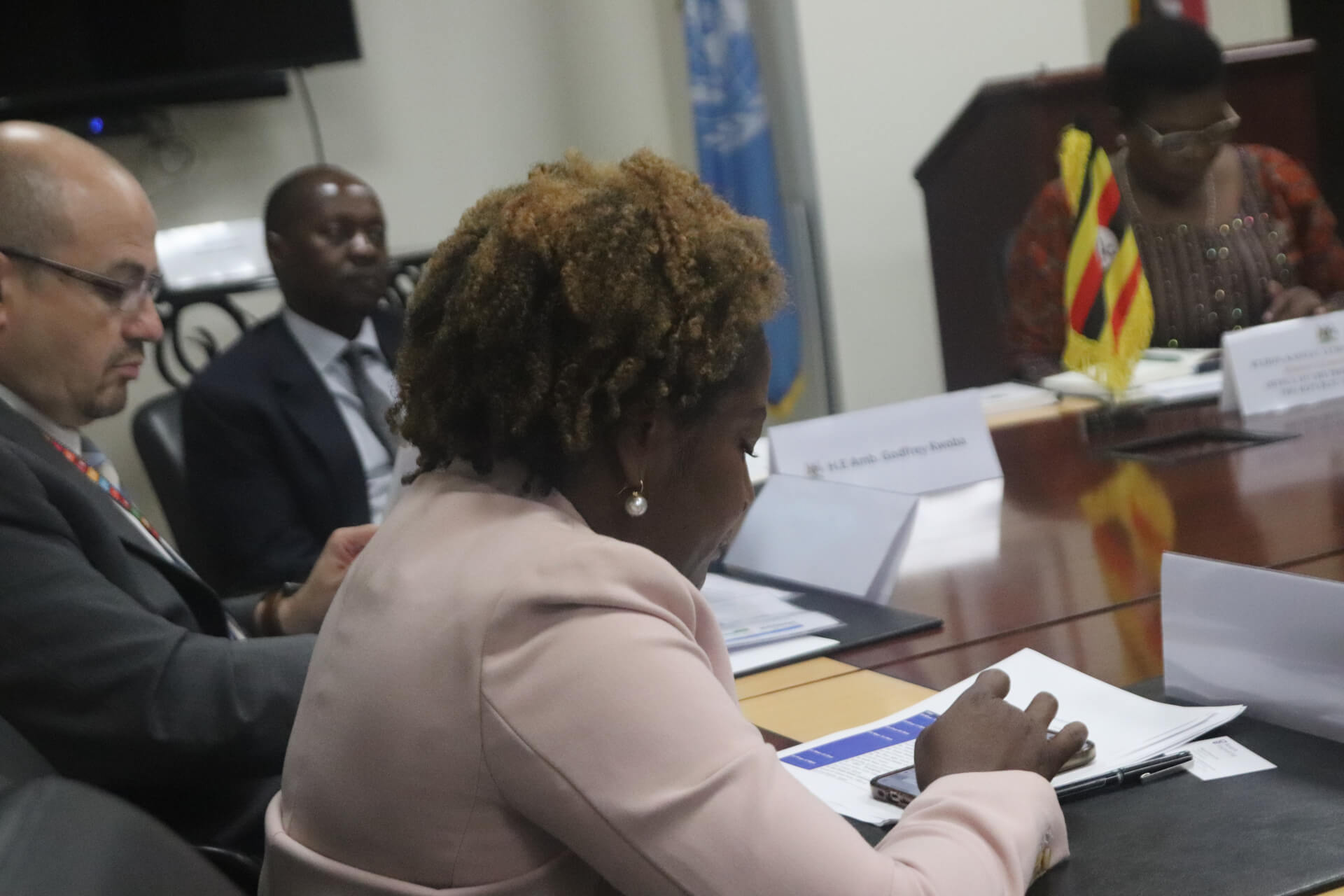
On July 16 at the #HLPF2025, Moses Isooba, Executive Director of the Uganda National NGO Forum at the event organized by the Government of Uganda and the Economic Commission for Africa powerfully emphasized the indispensable role of civil society in global development:
"Civil society organizations are not just service deliverables, but key to contributing to policymaking and decision-making, with our clear understanding of community needs. We are at the frontline for change."
He also called on international institutions to step up:
"We need institutions like the UN, OECD, Member States, Bretton Woods, etc. to ensure that commitments to 0.7% ODA support are met."
"We need to look at ways to leverage global financing for the purpose of sustainable development."
"For Africa, the UN is the most important space to ensure our engagement. As civil society organizations, we are looking at the UN to deliver financing for sustainable development in an equitable way."
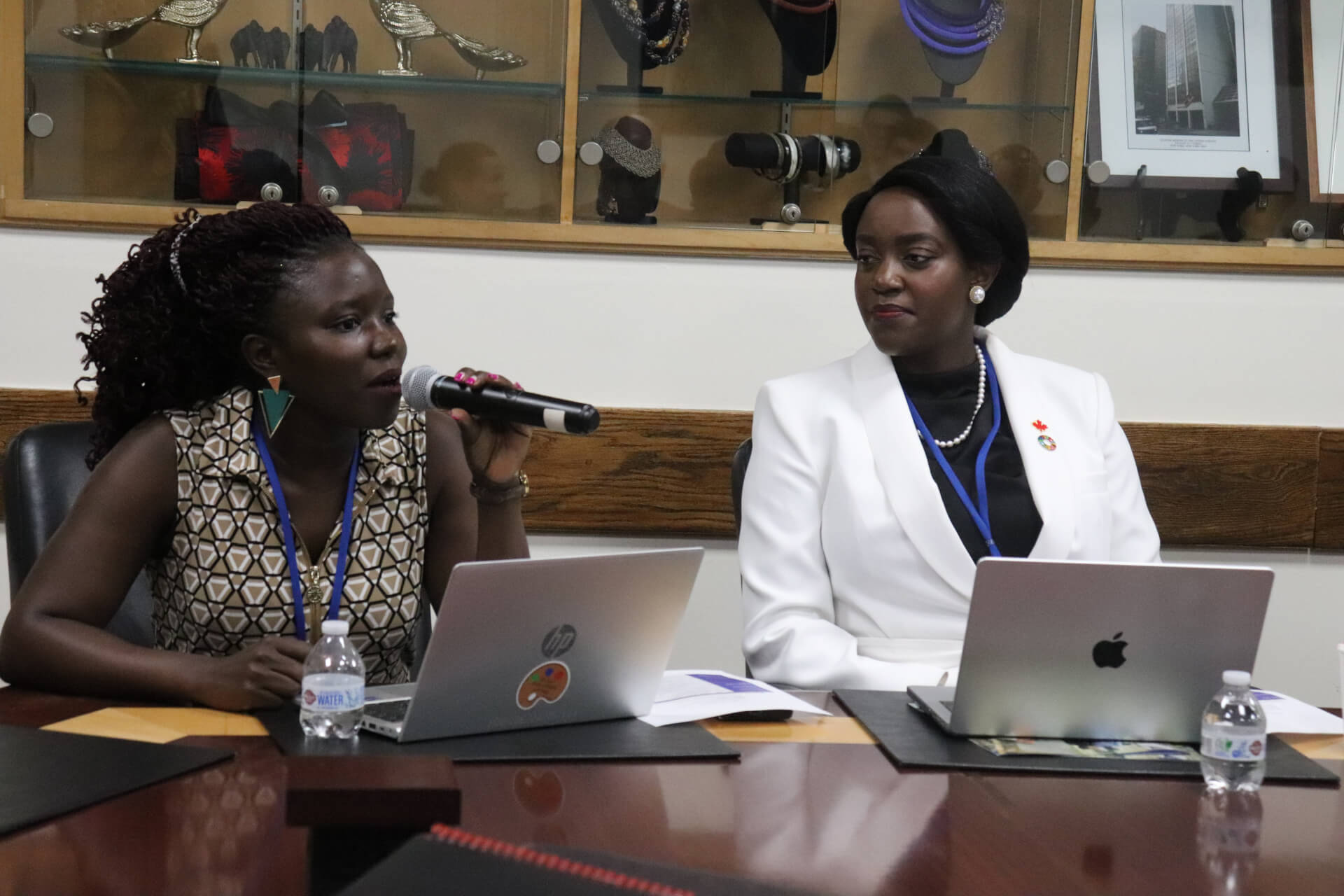
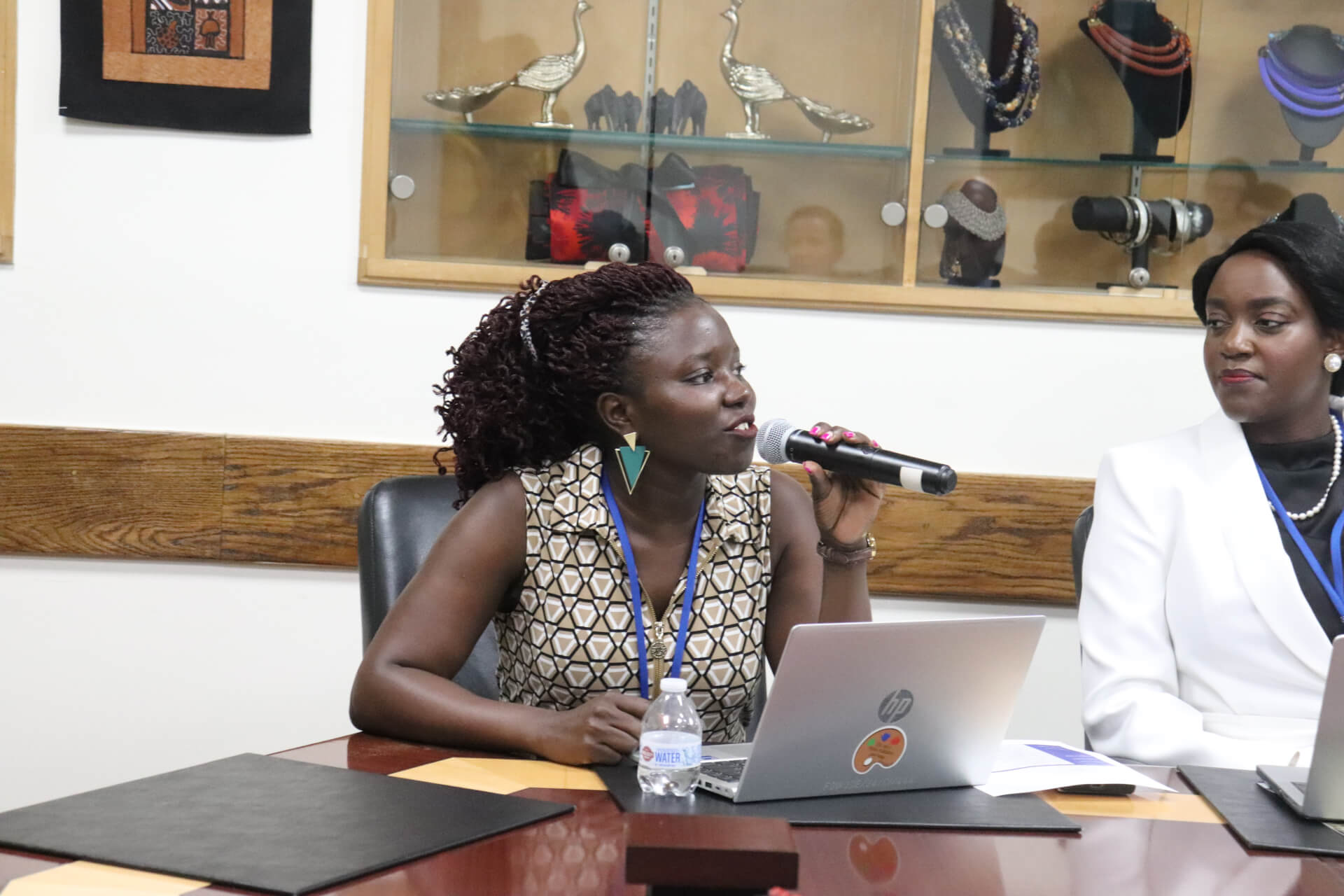
Later in the day, Isooba joined other civil society leaders at the Local 2030 coalition special multistakeholder event which focused on unlocking financing at the local level. Isooba, shared powerful insights on the role of organized civil society in unlocking local financing for sustainable development – highlighting how grassroots innovation and civil society leadership are essential to delivering SDG impact where it matters most—at the local level. From community-driven monitoring to territorial transformation, civil society is not just a partner but a driving force in SDG localization.
“65% of the SDGs depend on localization. Localization is the future,” he said. “For a long time, we have relied on government and foundation funding, but communities have assets, they have power.”
Dr Isooba underscored the need to shift away from traditional aid models and invest in local knowledge and solutions.
“We must do development with people, with communities, not for them. To foster local financing, we must provide flexible and predictable funding.”
Challenging the “ivory tower” approach to development, he called for leveraging community wisdom and insight:
“We need to get down to the people. Leveraging local knowledge and expertise. We must pay attention to the Ebony tower not just the ivory tower.”
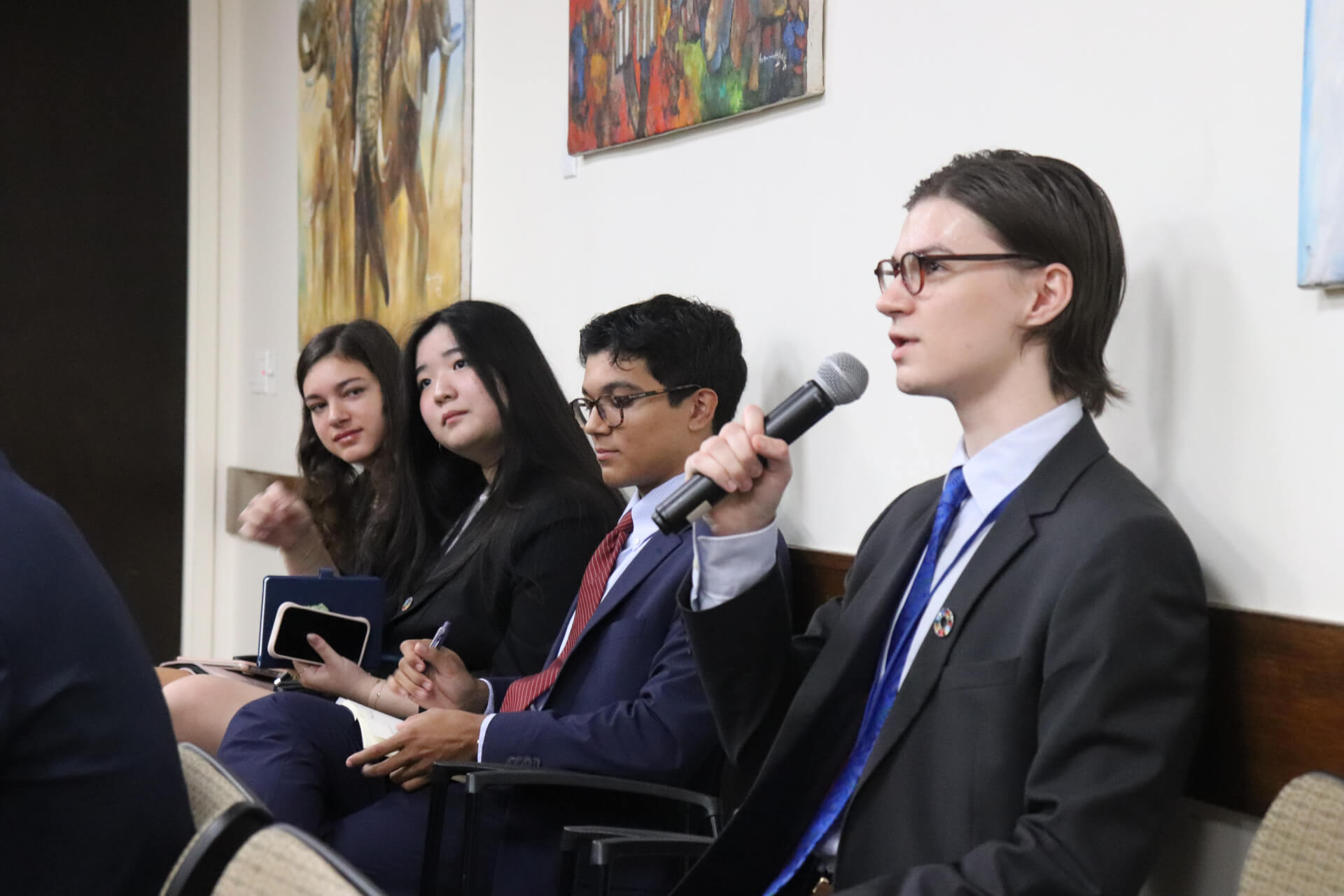
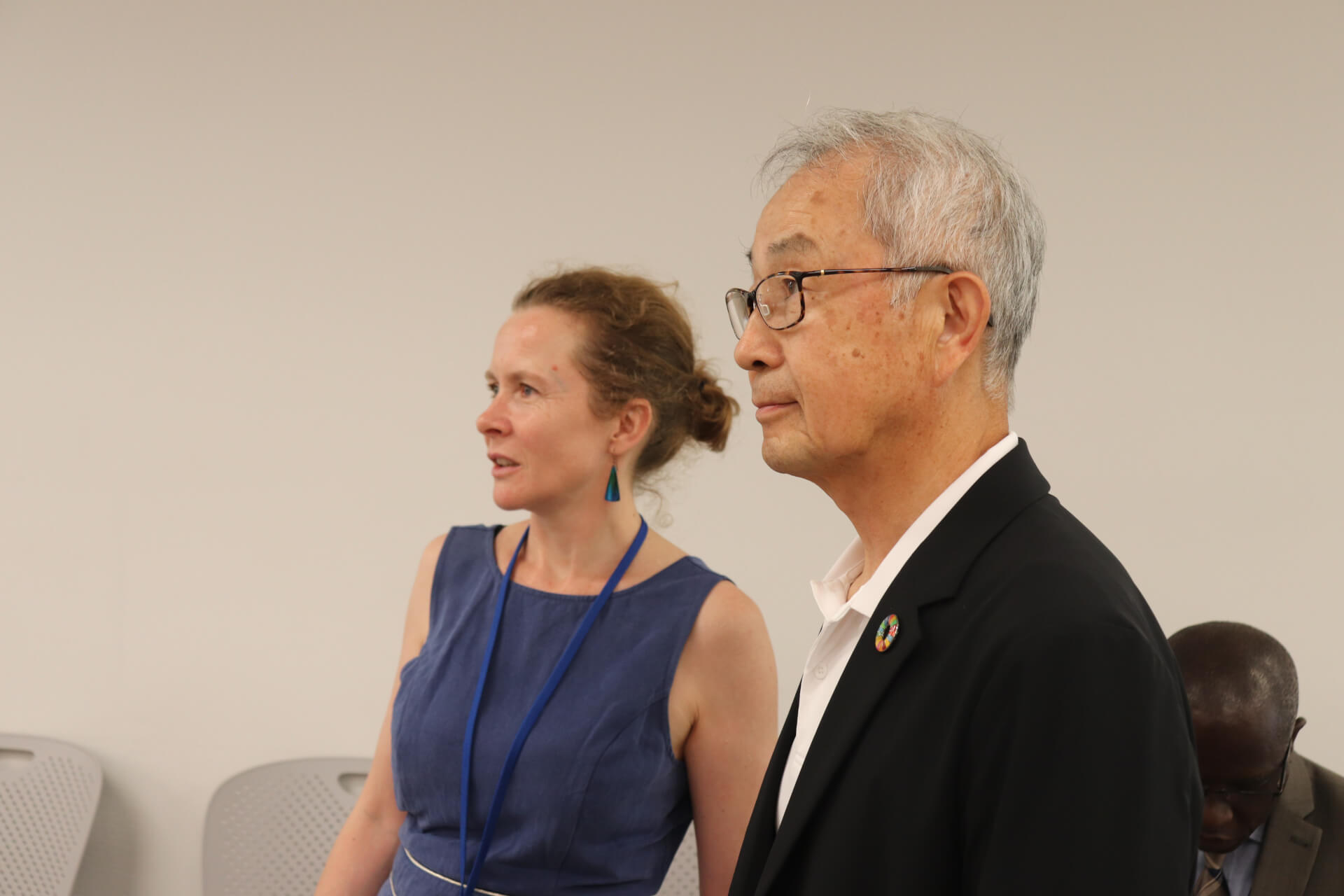
A side event organised by Janic (Japan) alongside ACE - Action against Child Exploitation - and partners, looked at SDG Target 8.7 and how to achieve a child labour-free world.
Despite global commitments, 138 million children remain in child labour—over half in sub-Saharan Africa. With 2025 around the corner, urgent action is needed.
This event brought together global leaders to explore practical, collaborative solutions and renew momentum for the SDG promise to end child labour.
Forus’ presence at HLPF 2025 reflects is growing momentum among national platforms to lead advocacy efforts on localization, financing and accountability.
As the global community reflects on how to rescue the 2030 Agenda with just five years left, Forus continues to spotlight the knowledge, action, and leadership that communities bring to the table. The message from New York is clear: civil society is not peripheral -we are essential infrastructure for sustainable development.
Join our campaigns!
Discover our campaigns on shifting power and new forms of financing for development