Thu 29 Dec 2022
Digitalisation in Rwanda: "interaction with other platforms is not a luxury but rather a necessity"
By Benoit NDIRIKIYE, Information and Documentation Officer of CCOAIB, member of Forus in Rwanda
Created for the most part in the aftermath of the genocide of the Tutsis in Rwanda, the member organisations of the Rwandan civil society initially evolved in extreme communication difficulties. Not only had many infrastructures been destroyed, but also the technology at the time was rudimentary. To communicate, people used fixed phones, mail via the post office, fax, telegrams and radio. However, things evolved rapidly until March 1989 when the internet entered the global digital eco-system to facilitate the sharing of information, files and electronic mails. From e-mail, the changes were very rapid and within the space of about a quarter of a century, several social networks emerged in a spectacular way. They had so many advantages that within such a short time frame, they had won the hearts of the users. This is not at all by chance but rather a choice made after careful consideration.
They make dialogue possible and more fluent with different partners. These social networks allow the development of social interactions revealing a commitment on the part of a community, but moreover, they allow communication with one's community at any time. Nowadays, people expect to be contacted at any time to receive information or to be asked to give information. With social networks, one also opens up to the world, to other cultures and can quickly disseminates information about the activities of one's organisation among other activities.
If adapting to this new way of life dominated by social networks has been easy, it has not been the case for older people, including many of the civil society agents who are members of the CCOAIB platform. Thus, with the support of Forus, in collaboration with the French Development Agency, the CCOAIB executive secretariat felt the need to strengthen the capacities of its members in this crucial area.
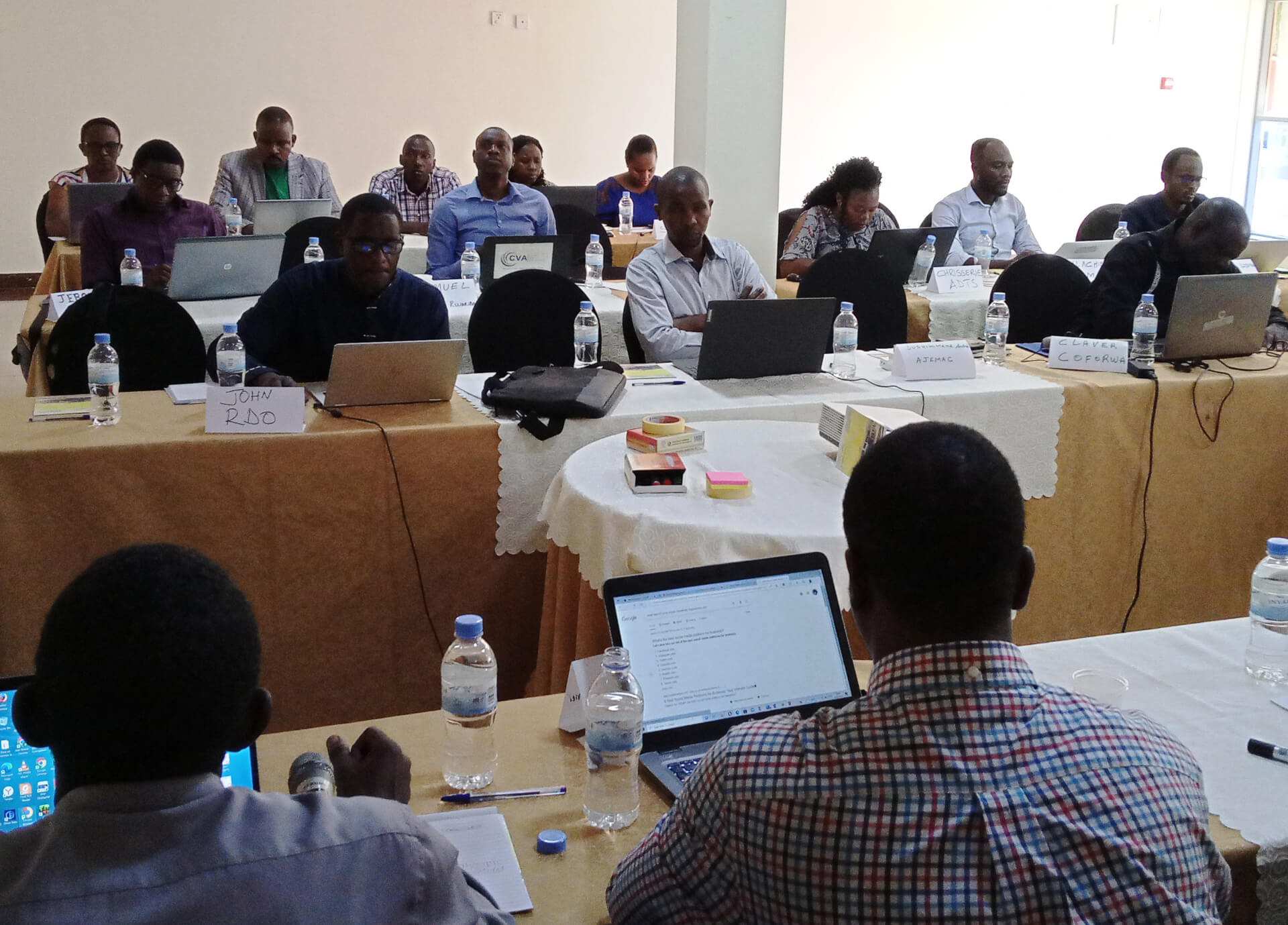
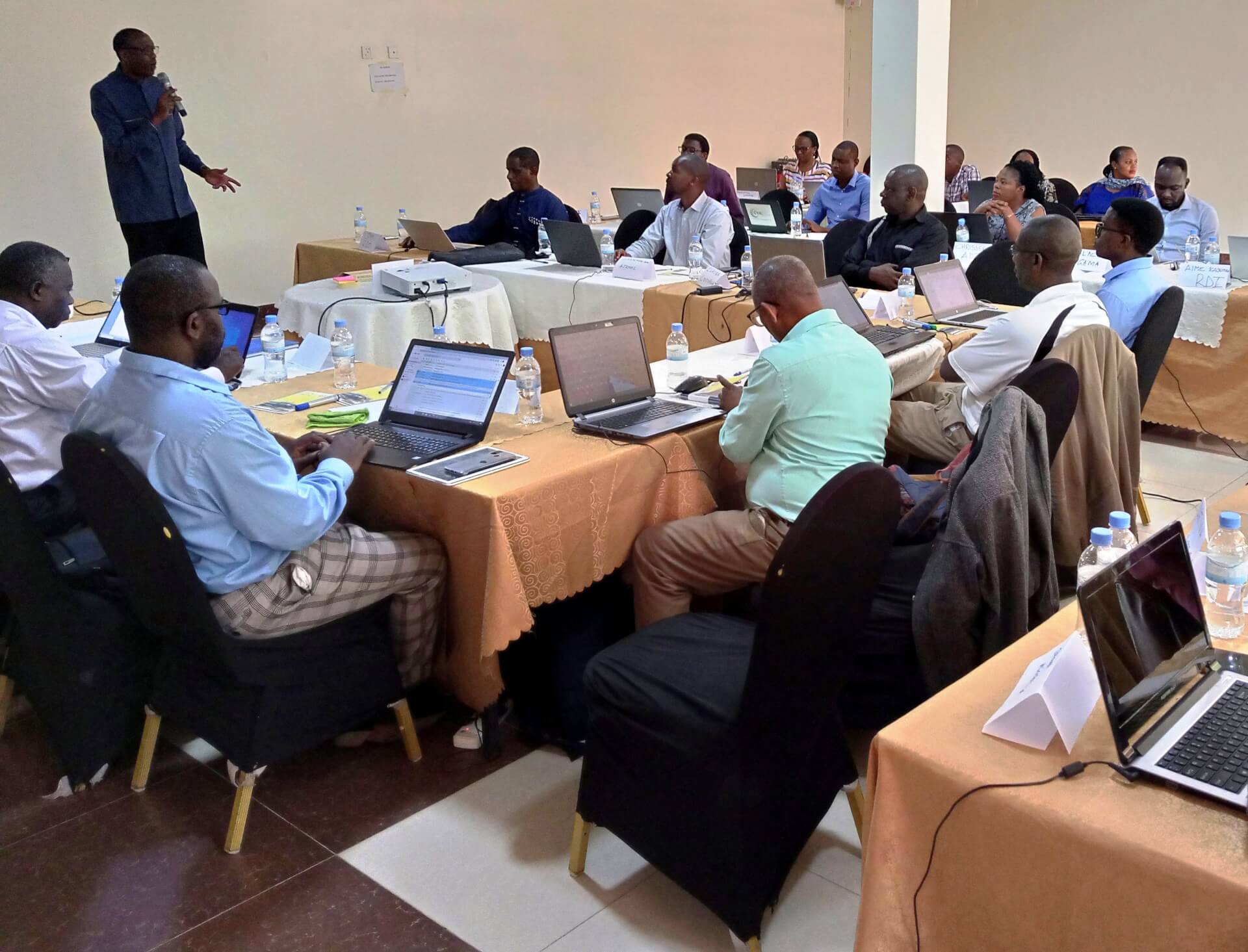
Assisted by a Consultant, a local expert in communication, CCOAIB members exchanged on technologies and models of communication as well as on practices of collaboration between the platform's member organisations and their partners. It is obvious that almost all the agents of these organisations are well aware of the existence of social networks but unfortunately it was noted that those who used them properly were very few. This workshop allowed participants to get to know the most common social networks, to become familiar with them and above all to open accounts and use them. This was a very interesting activity for them because they were trained, and the flow of information from member organisations has now increased.
After the workshop, we spoke to some of the participants who expressed their level of satisfaction.
"This training came at the right time. I had heard before that this or that personality had said this or that on Twitter and that another had intervened, but I honestly did not know how it worked. This afternoon I created my Twitter account, I learned a lot of things and I was very enriched,” Chrisserie Niyonsenga, executive secretary of the Association for Development and Social Transformation (ADTS) said beaming.
According to Célestin Kagurano, from the association KORA, this training has allowed him to strengthen his knowledge of the world of social networks.
The Conseil de Concertation des Organisations d'Appui aux Initiatives de Base (CCOAIB) is pleased that the organisation of this workshop was possible and this for the benefit of each and every member organisation of the platform. As the world is changing, CCOAIB believes that interaction with other platforms is not a luxury but rather a necessity.