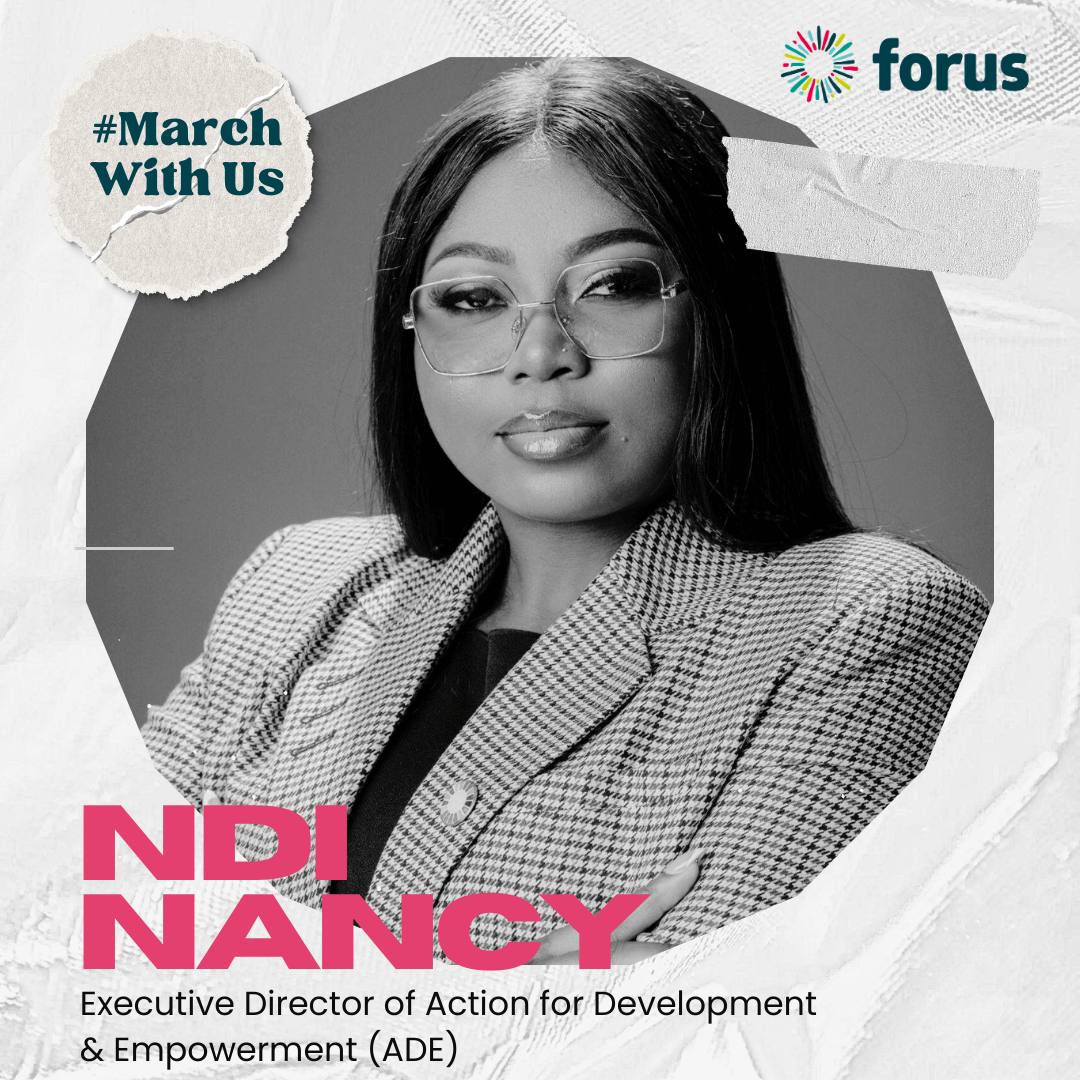
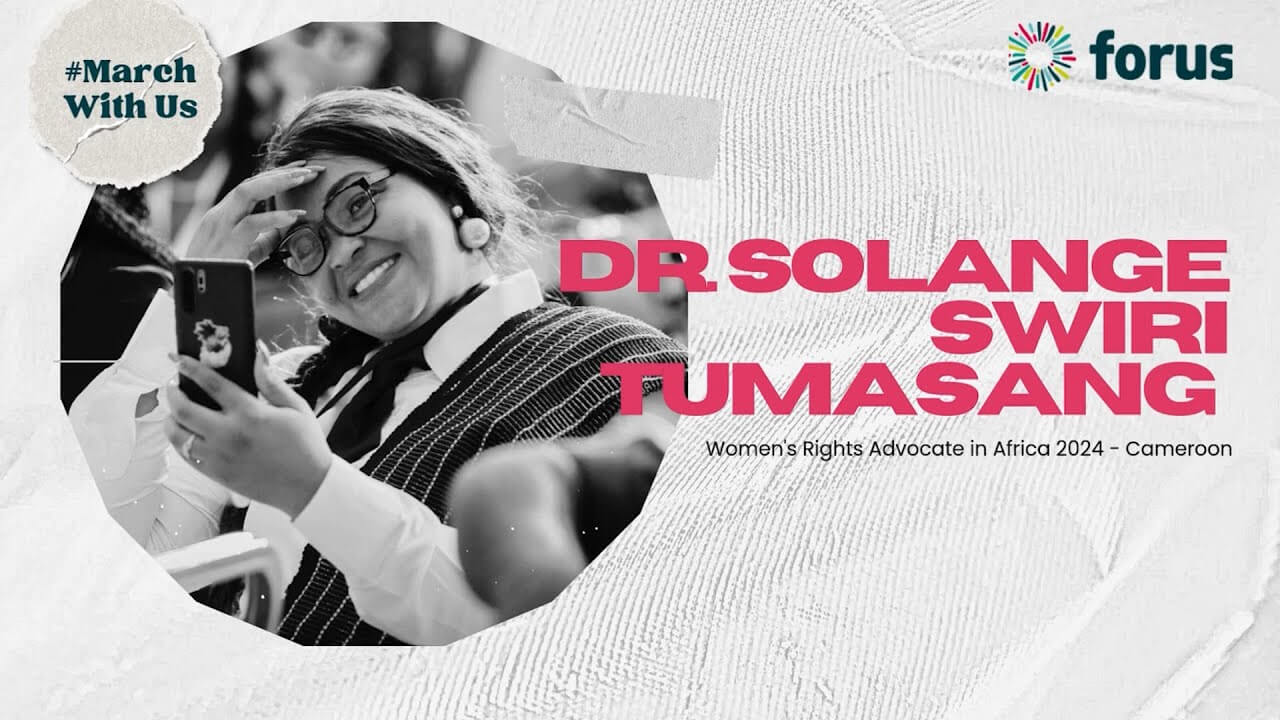
© NGO Forum on ABD
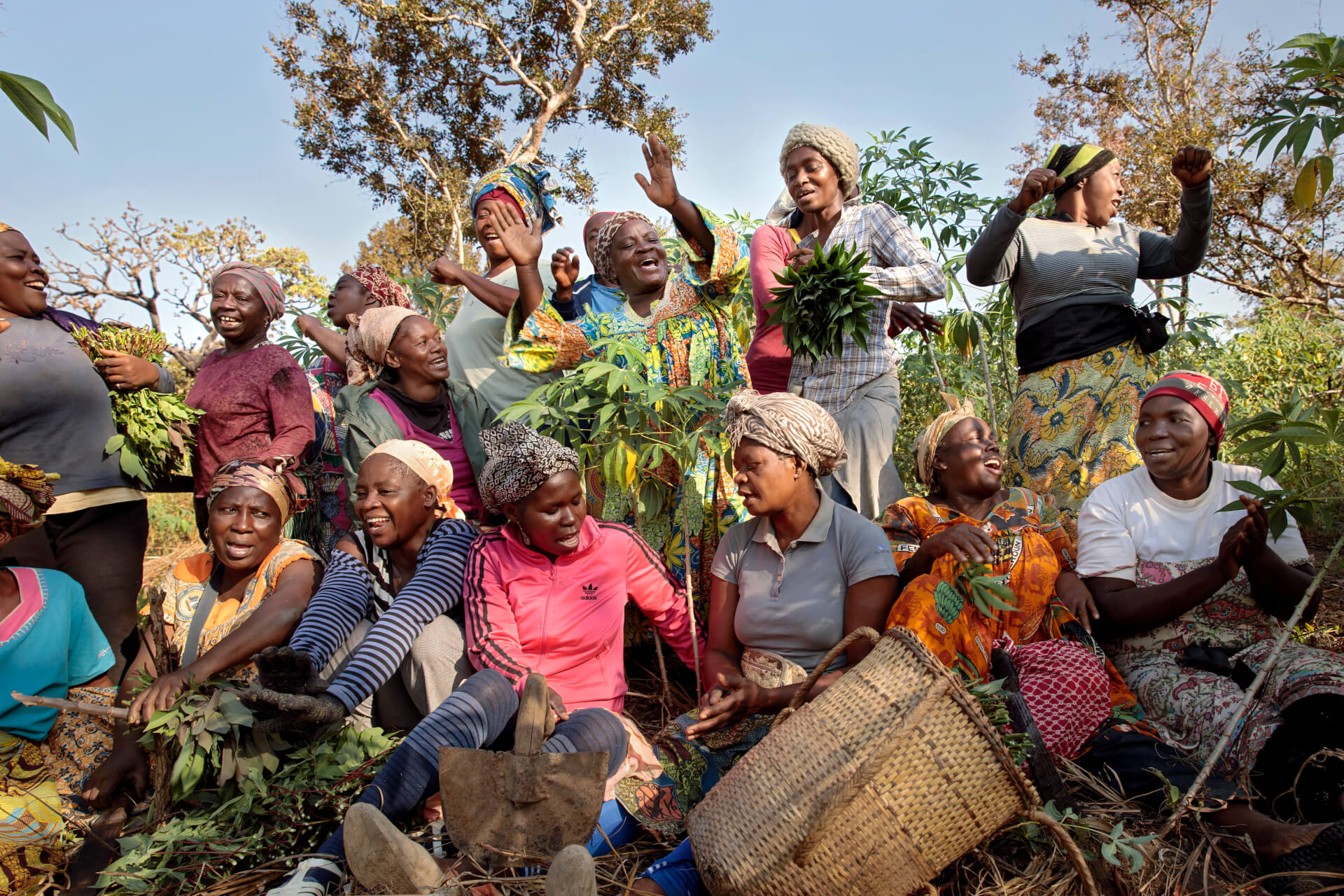
© UN Women
Tue 25 Mar 2025
Empowering Women and Girls: Fighting Gender-Based Violence and Driving Change in Cameroon
For years, Cameroon has faced socio-political challenges that disproportionately impact women and girls. From gender-based violence to economic exclusion and digital abuse, the barriers to equality remain high. In this article we dive into the work of activists Dr. Tumasang and Nancy Saiboh who are at the forefront of change and action for gender justice and rights.
Breaking the Silence on Gender-Based Violence
Gender-based violence (GBV) remains a persistent issue across Africa, and Cameroon is no exception. "GBV is a silent pandemic," says Nancy Saiboh, a human rights advocate and Executive Director of Actions for Development and Empowerment (ADE). "Women and girls face sexual violence, domestic abuse, harmful traditional practices and economic exclusion. A major challenge is the culture of silence—many survivors don't speak out due to fear of stigma or lack of legal support."
To combat this, Nancy and her team at ADE engage in advocacy campaigns to break the silence and provide survivors with legal and medical support. "We work closely with lawyers and doctors to ensure survivors get the help they need but ending GBV requires policy reforms, grassroots engagement and changing societal mindsets," she adds.
Dr. Tumasang echoes this need for reform: "Cameroon is highly patriarchal. Leadership is seen as a man’s role but we are working to change that by encouraging more women to step into positions of power." She believes empowering women economically is key, which is why her foundation provides startup capital, vocational training and business workshops for internally displaced girls.
Economic Empowerment as a Path to Equality
Financial independence plays a critical role in gender equality. Dr. Tumasang’s foundation supports displaced women by offering training in tailoring, food processing and entrepreneurship. "These young women have lost so much. Some are widows, some are single mothers but they all deserve a chance to rebuild," she says. "We teach them to transform cocoa into chocolate, peanuts into peanut butter—giving them marketable skills that ensure financial stability."
Similarly, Nancy’s “Empower Her” campaign addresses another pressing issue: period poverty. "The campaign started as a small initiative and has now impacted over 900 young girls across Cameroon," she shares. "We distribute reusable sanitary pads, train girls on menstrual hygiene, and challenge menstrual taboos through open discussions. Periods should never be a barrier to education."
Digital Safety: Combating Online Gender-Based Violence
The rise of digital platforms has opened new avenues for activism but also for abuse. "The digital world is both a powerful tool and a dangerous space, especially for women, girls and marginalized communities," Nancy warns. "Women face cyberbullying, online harassment, and even identity theft. I myself have been a victim of impersonation where someone used my images to scam people."
Through her work with “Defy Hate Now”, Nancy promotes digital literacy and online safety. "We must hold social media platforms accountable for removing harmful content. Governments need to enforce anti-hate speech laws while ensuring freedom of expression," she urges.
Healthcare and Protection for the Most Vulnerable
Beyond economic empowerment and digital safety, healthcare access remains a crucial issue. Dr. Tumasang’s foundation provides free medical consultations to underserved communities. "Healthcare should not be a privilege. We go into communities where people live on less than a dollar a day and provide them with the medical attention they deserve," she says. With a team of doctors, gynecologists, and pediatricians, her organization ensures that vulnerable women and children receive necessary medical care.
The Power of Collective Action
Collaboration among civil society, government, and international allies is crucial for sustainable change. "Change happens when organizations break silos and work together," Nancy emphasizes. "Grassroots groups bring local expertise, while international allies provide resources and advocacy power. The key is knowledge-sharing, funding local solutions, and amplifying grassroots voices in decision-making spaces."
Dr. Tumasang shares a similar vision: "Leadership is not about titles or positions. It’s about impact. To young women out there: You have the power to change your community. Believe in yourself. Take action. Start small. Find mentors. And never let anyone tell you that you are too young or too inexperienced to make a difference."
A Call to Action
From economic empowerment to healthcare and digital safety, the fight for gender equality in Cameroon is multifaceted. Activists like Nancy Saiboh and Dr. Tumasang are proving that sustainable change is possible through grassroots initiatives, advocacy and policy reform.
"Change starts with us," Nancy reminds us. "Every effort counts—whether it’s educating ourselves, speaking up, or taking action in our communities. Together, we can build a more just, safe, and equitable world for women, children, and groups that have been historically marginalized."
For those inspired to support these efforts, opportunities exist to donate, volunteer, and advocate - every contribution helps move the needle toward gender justice.