© Forus
© Parastoo Maleki

Thu 18 Dec 2025
Energy crisis in Mali: between citizen resilience, civil mobilisation and restrictions on civic space
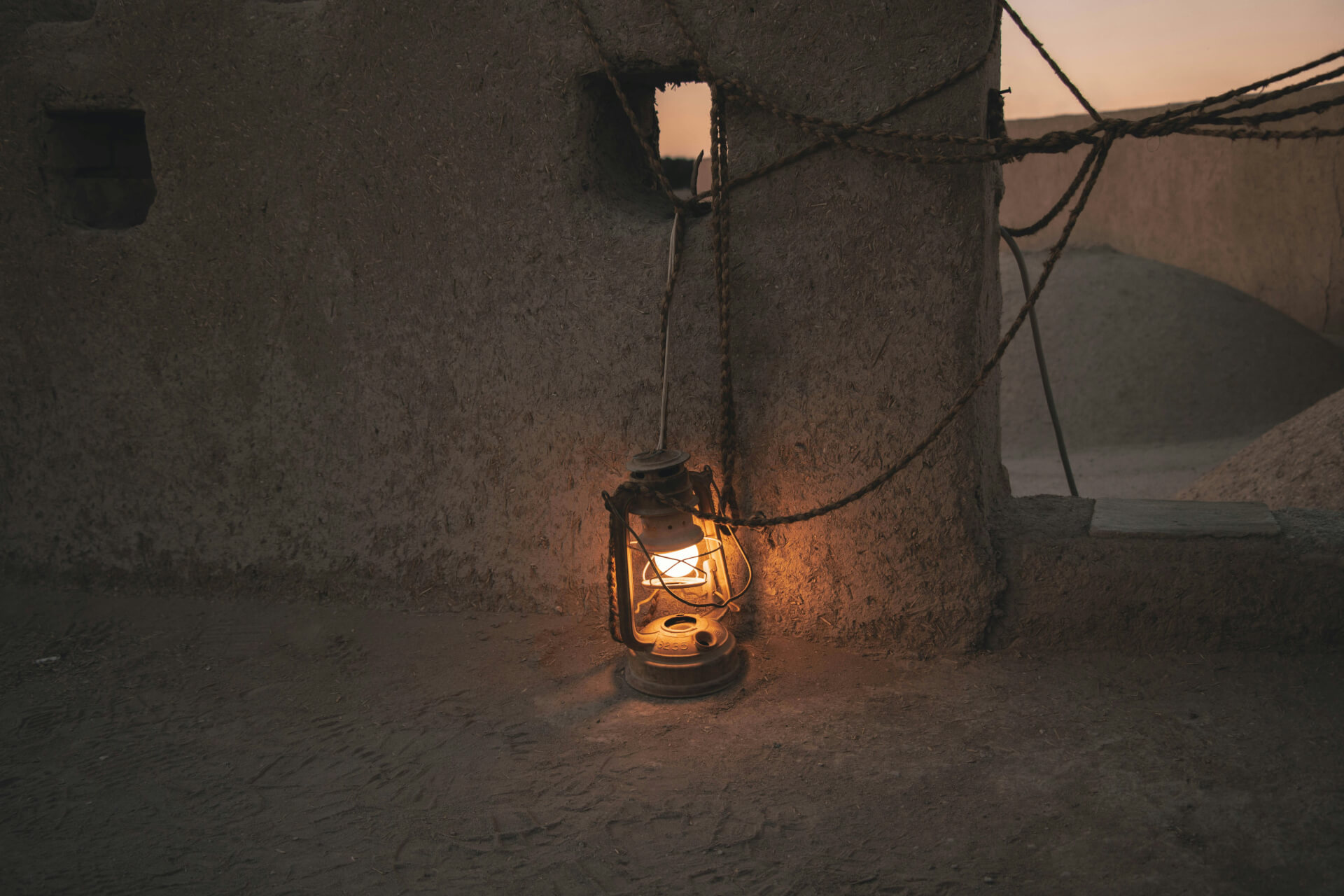
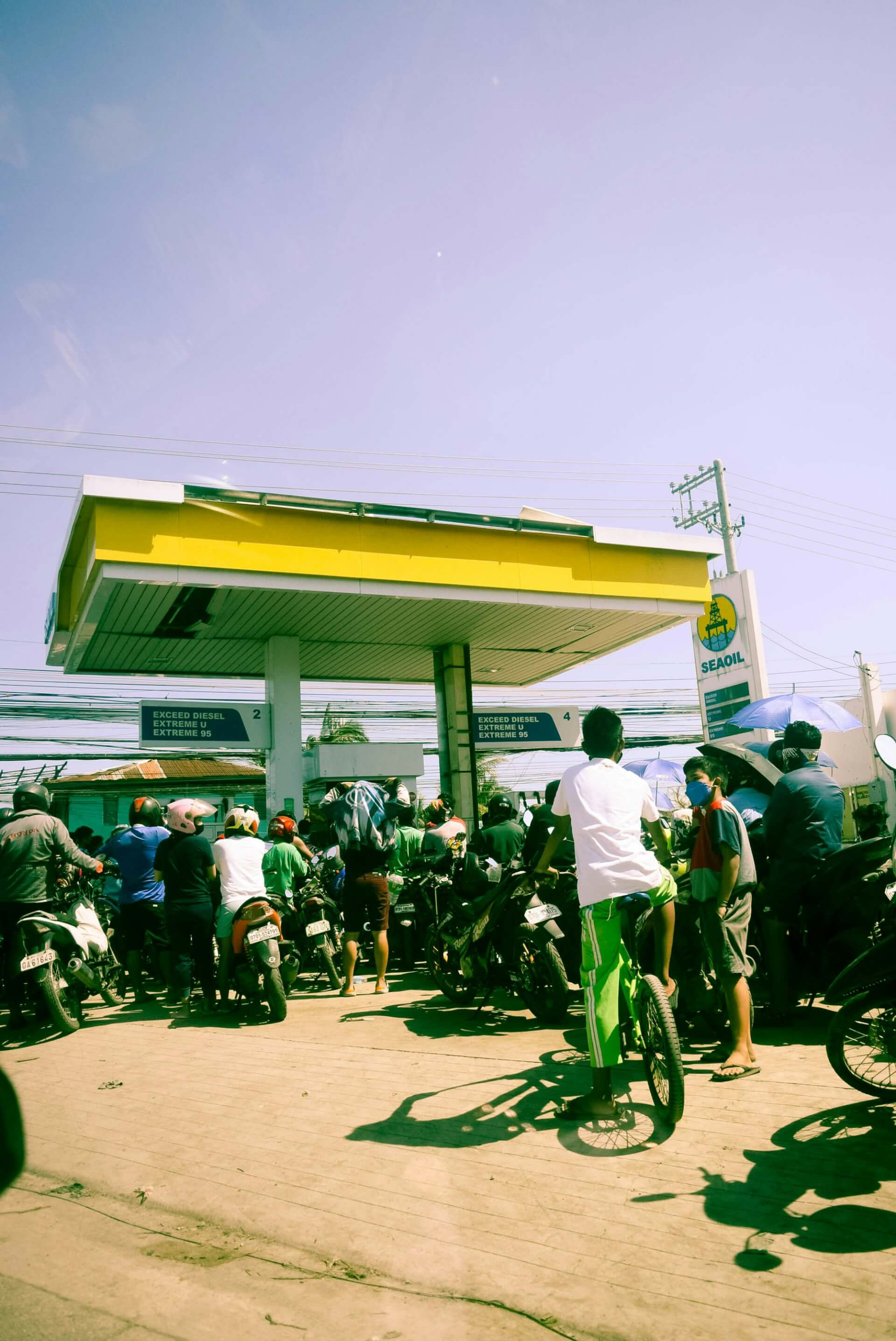
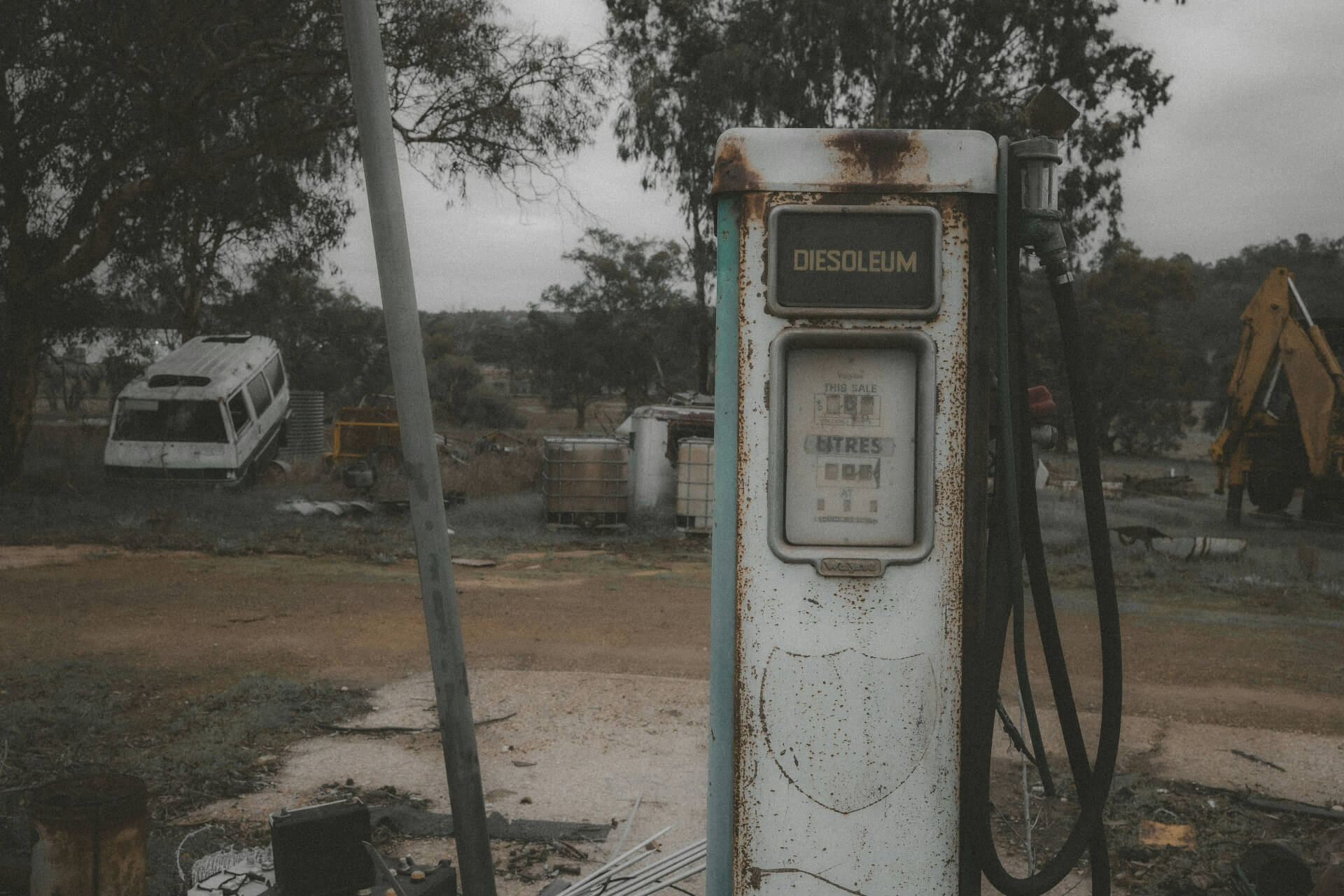
For several years, Mali has been experiencing a deep energy crisis, marked by recurrent power cuts, recently aggravated by a persistent fuel shortage. Entire neighbourhoods are plunged into darkness for days, sometimes weeks. Petrol stations are dry. Generators – the last line of defence for many households, hospitals and small businesses – remain idle due to a lack of diesel fuel.
This crisis goes far beyond technical or economic issues. It has gradually turned into a social and civic crisis that affects people's daily lives and undermines mechanisms for citizen participation.
It is essential to tell this story because access to energy is a prerequisite for the exercise of fundamental rights: the right to health, education, work and a dignified life. Without electricity, hospitals operate at a reduced capacity, students study in the dark, economic activity comes to a standstill and inequalities worsen. Silence or trivialisation of this crisis contributes to normalising it, even though it profoundly disrupts the lives of millions of Malians.
This story is also important to tell because it reveals social inequalities. Those who have the means can equip themselves with costly alternative solutions, while the most vulnerable populations bear the brunt of the consequences of the shortage. The energy crisis thus becomes a mirror of social divisions, accentuating precariousness and fuelling a sense of injustice.
Finally, telling the story of this crisis raises a civic and political question: that of responsibility, governance and the collective future. Giving a voice to residents, workers, women and young people means transforming a series of power cuts into a human narrative, one that carries memories and inspires action. It means rejecting oblivion and indifference, and reminding ourselves that behind every power cut there are lives, choices and emergencies that will shape Mali's future.
A structural crisis against a backdrop of instability
Mali's dependence on fuel imports, ageing energy infrastructure, the financial difficulties of public companies and persistent insecurity on the roads have created a particularly vulnerable system. Since September, attacks by the Group for the Support of Islam and Muslims (GSIM/JNIM) on fuel convoys linking Bamako to Senegal and Côte d'Ivoire have exacerbated the shortage, directly targeting the country's economic arteries.
In this context, hospitals, schools and businesses are operating at a reduced pace. The temporary closure of schools and the paralysis of small economic activities reveal the social scale of the crisis.
Women, students, transporters: resilience in everyday life
Aïssata, a mother of three, sells bissap and tamarind juice by the roadside. Prolonged power cuts prevent her from storing her products. ‘We can't stop,’ she says. To keep going, she covers her juices with cloths and gets ice cubes from a neighbour who has a small solar panel. Her income has fallen, but giving up is not an option.
Diatou, a housewife, has seen prices soar for oil, vegetables and transport. ‘Life has become increasingly difficult,’ she says. Traders report that transport costs have doubled or even tripled, delaying restocking.
For students, the darkness is forcing new habits. Mariam, a fourth-year medical student, studies by the light of her phone. ‘We're adapting,’ she says. Like her, many young people are turning the crisis into an exercise in collective survival.
Citizen initiatives and emerging local solutions
In the face of uncertainty, local responses are emerging. Mali has a high solar potential that has long been under-exploited. In several neighbourhoods of Bamako, households are investing in small-scale solar installations to reduce their dependence on Énergie du Mali (EDM).
For its part, the Malian government is collaborating with Burkina Faso and Niger to harmonise regional energy policies, share electrification efforts and strengthen energy security in the Sahel.
Young people play a central role in these dynamics. Informal collectives are organising to pool generators, share fuel and promote accessible solar solutions. Some are going even further: at several petrol stations, young volunteers are distributing water and food to people stuck in queues.
Mechanics and electricians are also offering community-based advice and repairs aimed at reducing energy consumption.
Social media, digital mutual aid and misinformation
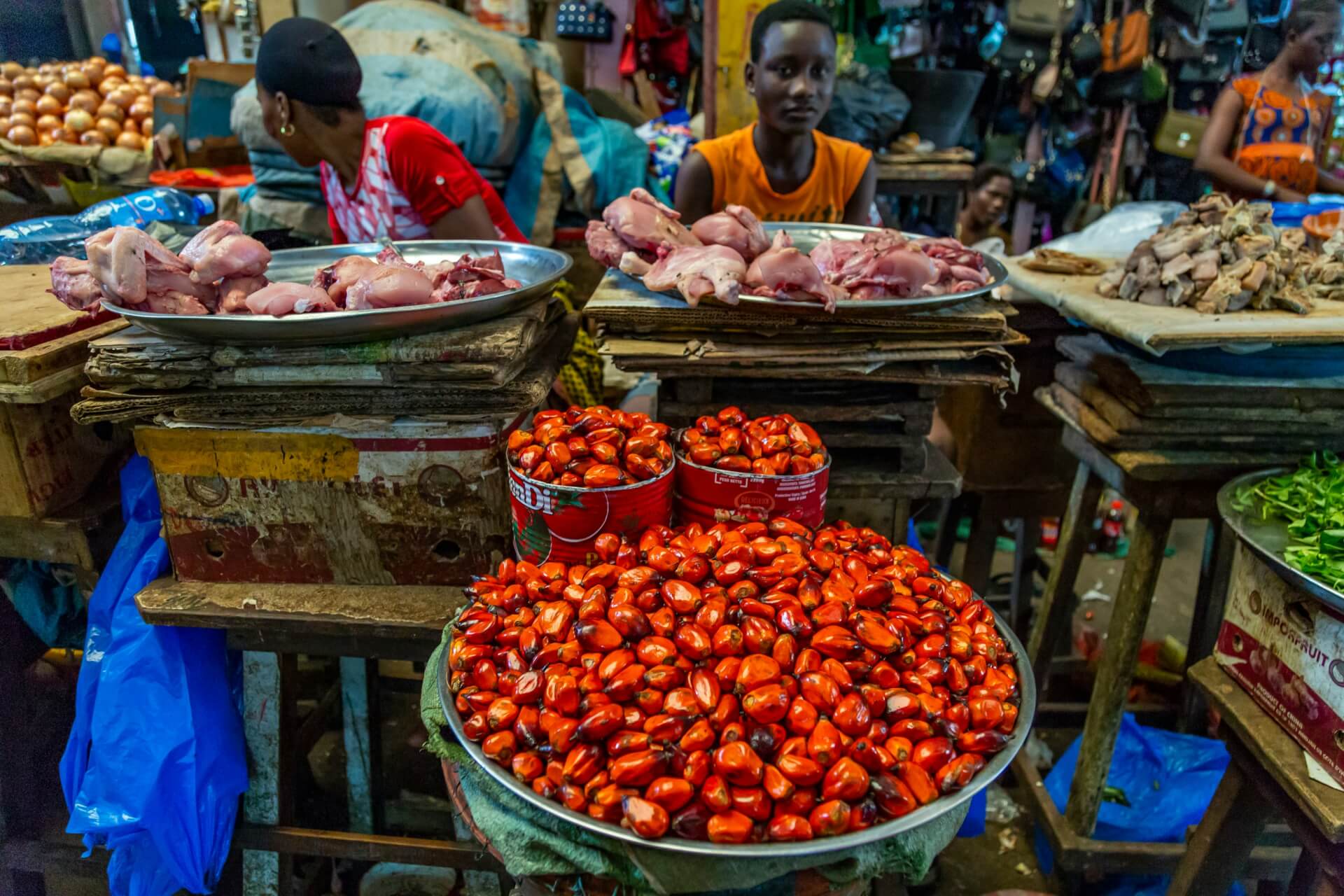
Digital communication has become a central tool in the informal management of the crisis. Facebook and WhatsApp are used to report which petrol stations are supplied, to share practical advice, but also to express popular anger.
However, this rapid flow of information is accompanied by misinformation: false announcements of arrivals, rumours of prolonged shortages or unverified accusations. This situation highlights the limits of the right to information in a crisis context. In the absence of clear, regular and easily accessible public data, citizens find themselves dependent on informal sources, often relayed by social media, which fosters confusion and mistrust.
Ensuring reliable information in times of crisis is a major democratic challenge. Without transparency, citizens struggle to understand the situation, adapt their behaviour and maintain a minimum level of trust in institutions.
Civil society organisations: Civil liberties under pressure
Although no formal ban on protests related to the energy crisis has been announced, civic space remains fragile. There are no demonstrations, and demands are expressed more online than in the streets. Beyond all this, it should be noted that Mali is in a period of exceptional circumstances and the absence of protests is also due to the suspension of political party activities, which also leads to strategic restraint on the part of civil society. This restraint raises questions about the effectiveness of the right to citizen participation in a context of multidimensional crisis.
Some civil society organisations, such as FECONG, have nevertheless organised workshops with the energy sector authorities to promote alternatives to EDM and raise public awareness. These initiatives have been well received, but remain limited given the scale of the crisis and the constraints on citizen expression.
Between hope and vulnerability
The arrival of nearly 200 tanker trucks escorted by the army at the end of October has given Bamako and some other major cities a breath of fresh air. But this temporary respite reveals above all a deep structural vulnerability.
The resilience of Malians is real, but it cannot suffice on its own. To be sustainable, it must be accompanied by structural reforms in the governance of the energy sector, based on transparency, accountability and citizen inclusion.
This crisis could become a historic opportunity: to accelerate the transition to renewable energies, strengthen decentralised solutions, create local jobs and open up a space for dialogue between authorities, civil society and citizens.
Reporting on this crisis is not just about bearing witness to an ordeal. It is a reminder that energy is a common good and that its governance is linked to dignity, social cohesion and the collective future of Mali.
This article is written as part of the Forus journalism fellowship programme. Learn more here
Our Campaigns on #Positive Narratives