© NGO Forum on ABD

Mon 29 Sep 2025
FIFAfrica25: The Nigeria Network of NGOs on open and inclusive Internet at the Forum on Internet Freedom in Africa
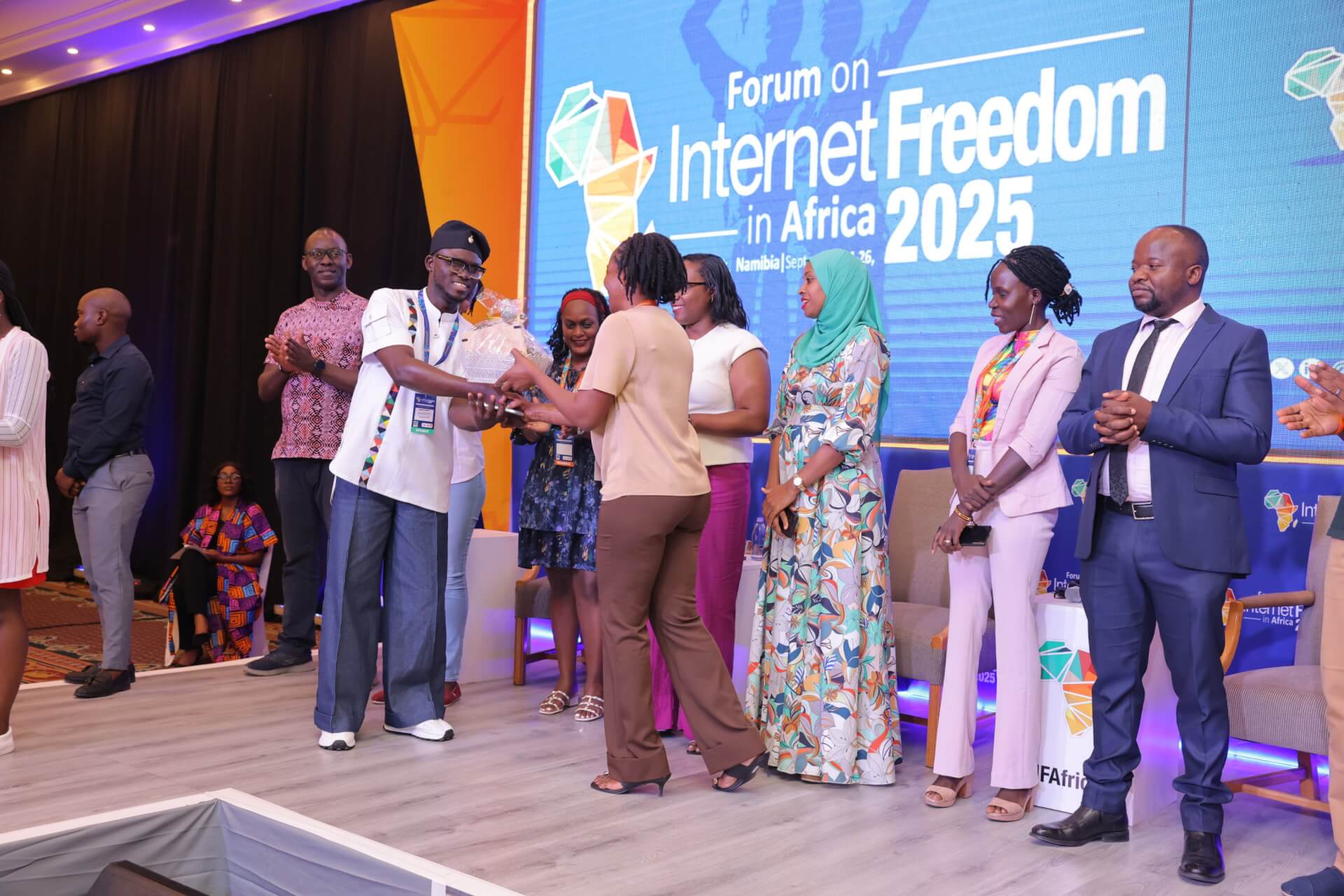
Read insights from the Nigeria Network of NGOs (NNNGO) as they participated in the 12th edition of the Forum on Internet Freedom in Africa (FIFAfrica25), held from 24 to 26 September 2025 in Windhoek, Namibia. Organised by the Collaboration on International ICT Policy for East and Southern Africa (CIPESA), the forum brought together policymakers, civil society organisations, human rights defenders, telecom regulators, media practitioners, and academics to shape conversations around digital rights, inclusion, and internet governance across the continent and beyond.
Namibia set the scene for the forum ranking highest in Africa on global press freedom indices and is equally highly ranked on the Freedom in the World index, where it is categorised as Free. In 2025, it made history with women at the helm of the Presidency, Vice Presidency, and National Assembly, a key moment for gender inclusion and in the country’s political landscape. As shared by CIPESA, "the country has made considerable efforts to uphold public rights such as through rejecting efforts by the Central Intelligence Service to block reporting on corruption; ruling against the unconstitutional collection of telecom revenue, and reinforcing legal safeguards in digital regulation. While outdated laws still pose challenges and a data protection bill is pending, Namibia is actively updating its legal frameworks. It is against this backdrop that FIFAfrica25 will delve into the evolving digital landscape in Africa and cast a light on the most pressing internet freedom issues today."
Oyebisi Oluseyi, Executive Director of NNNGO, highlighted the transformative potential of the internet while stressing the need for protective measures. “The opportunities the internet have brought to our world remain enormous. It is the reason we must at all times champion affordability and accessibility of the internet but, more importantly, also discuss the need to protect and promote rights associated with its usage,” he said.
Oluseyi emphasised the importance of addressing these issues in the context of emerging technologies such as AI. “Countries in the Global South must focus on how they and their citizens can be part of the AI ecosystem as innovators, developers, regulators, and standard setters. This would require policies, regulations, and laws that enable infrastructure development, reskilling, and upskilling of both the youth population and workforce across sectors,” he added.
He also underscored the dangers of internet shutdowns. “Internet on the African continent and elsewhere must remain open either during elections or peaceful assemblies as the cost of internet shutdowns on citizens remains dangerously high,” Oluseyi warned.
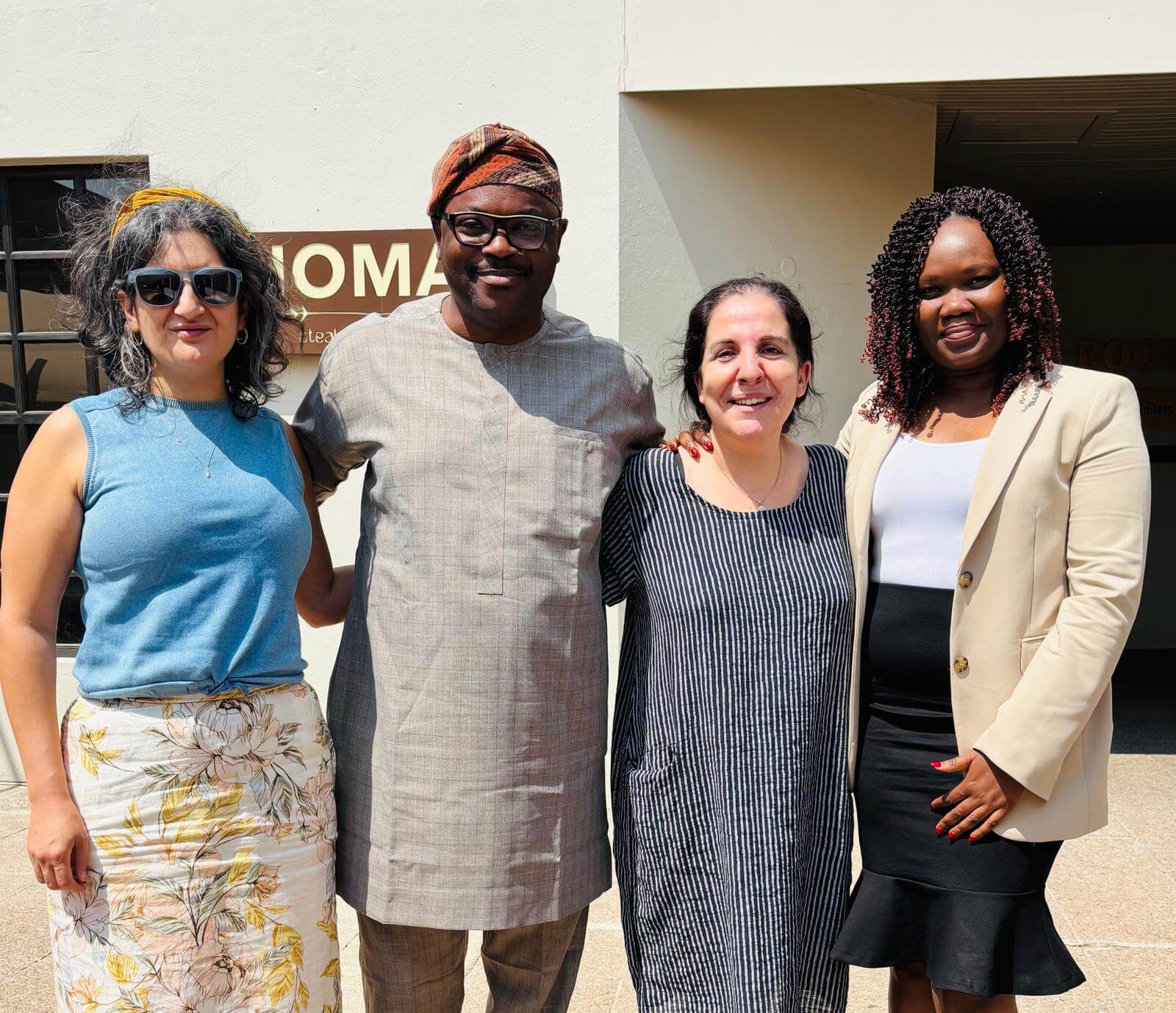
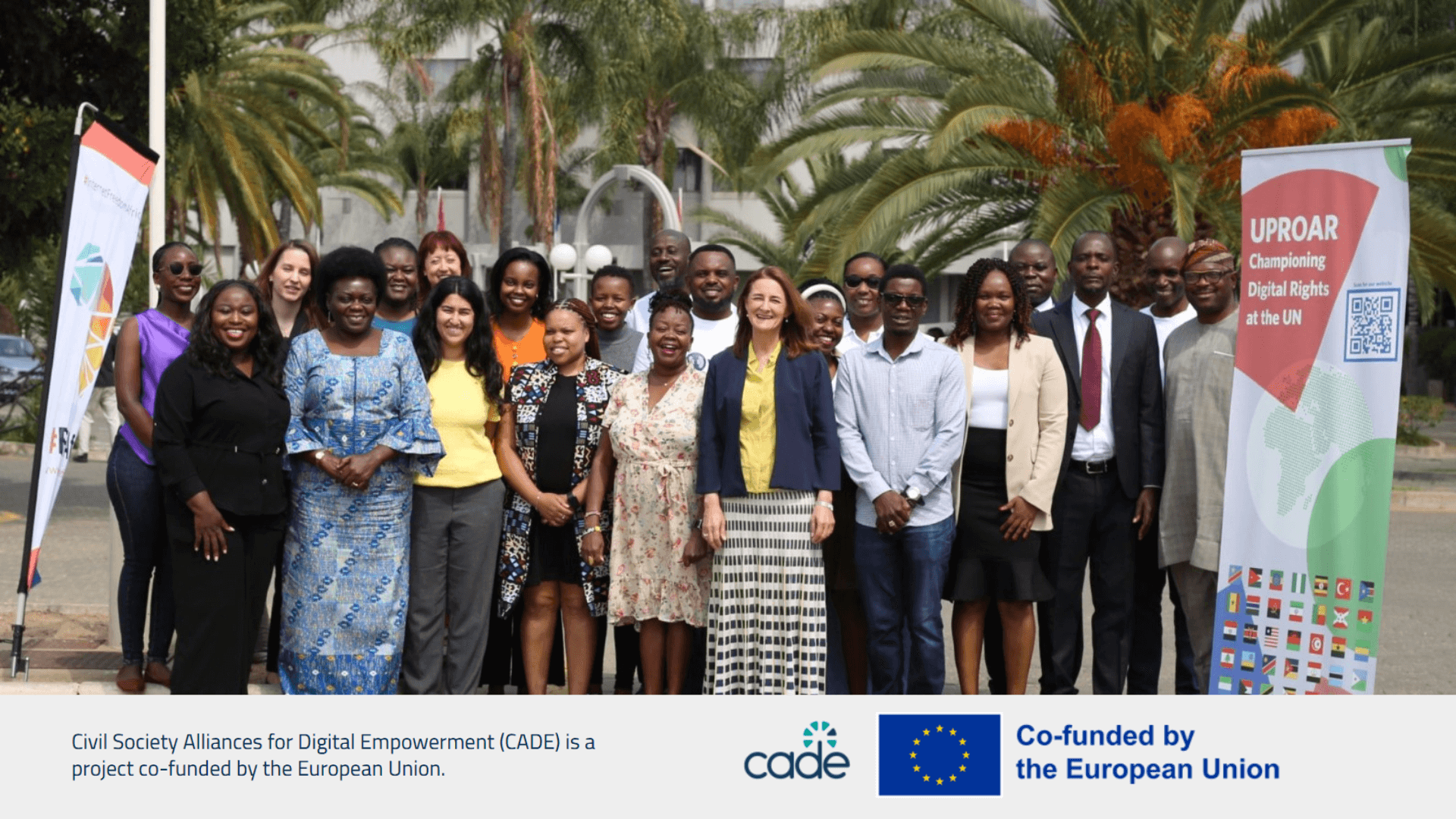
As part of pre-events leading up to FIFAfrica25, Oluseyi participated in the UPRoar Project Workshop on Universal Periodic Review (UPR), joining other Social for Good Leads, including Small Media. The two-day workshop, supported by the CADE project co-funded by the European Union, officially opened by EU Ambassador to Namibia, H.E. Anna Beatriz Martins, brought together civil society organisations and policymakers to reflect on successes and challenges in leveraging the UPR mechanism to advocate for transparent and inclusive digital spaces across Africa.
Reflecting on the forum, Oluseyi noted: “The last 4 days in Namibia have shown what is possible in terms of internet and media freedoms. Participants, I am sure, are resolved to continue working around key themes and topics around internet freedoms, including using quiet diplomacy such as the Universal Peer Review (UPR) in addressing the complex web of challenges facing the internet today.”