© NGO Forum on ABD
© Forus
Wed 20 Aug 2025
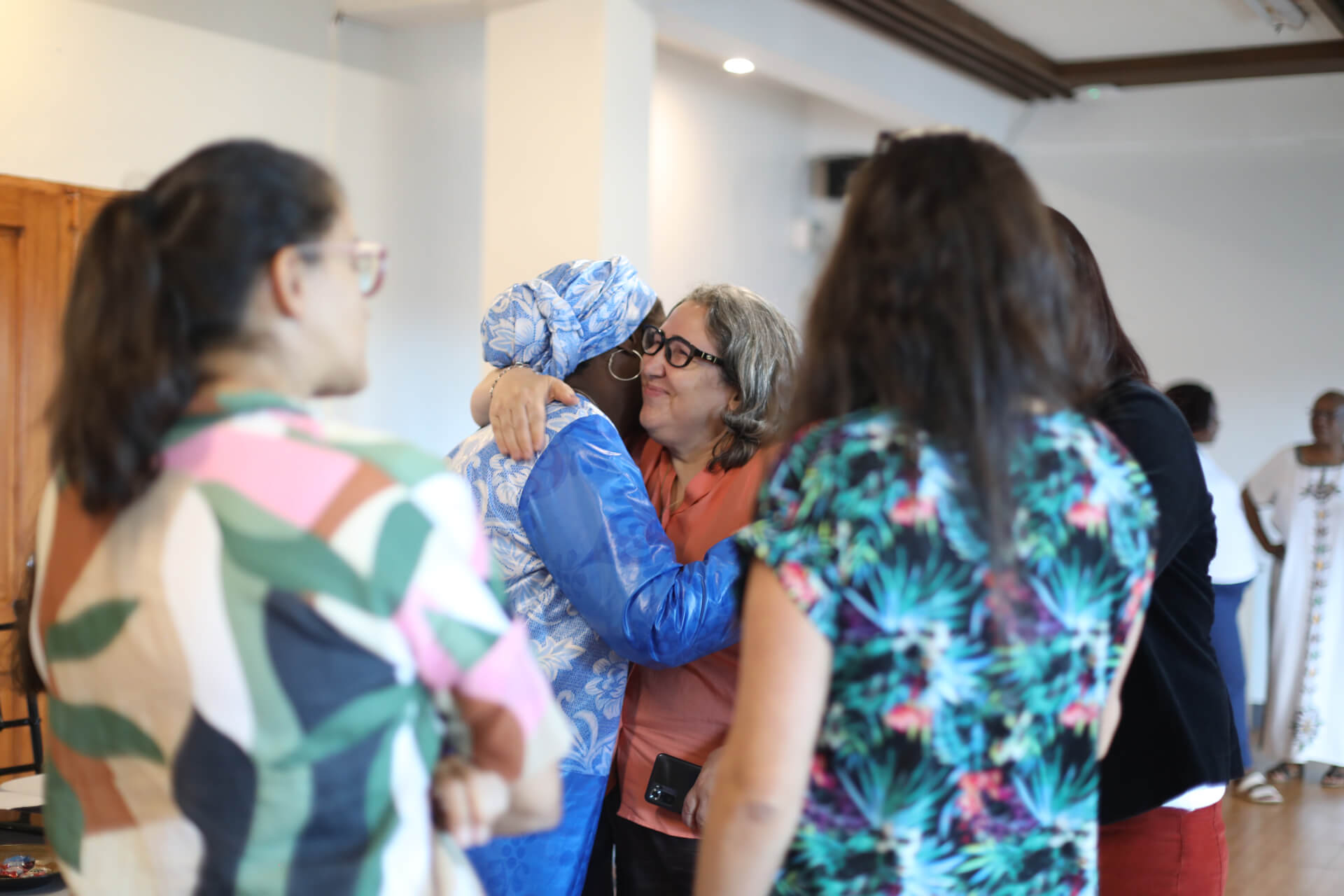
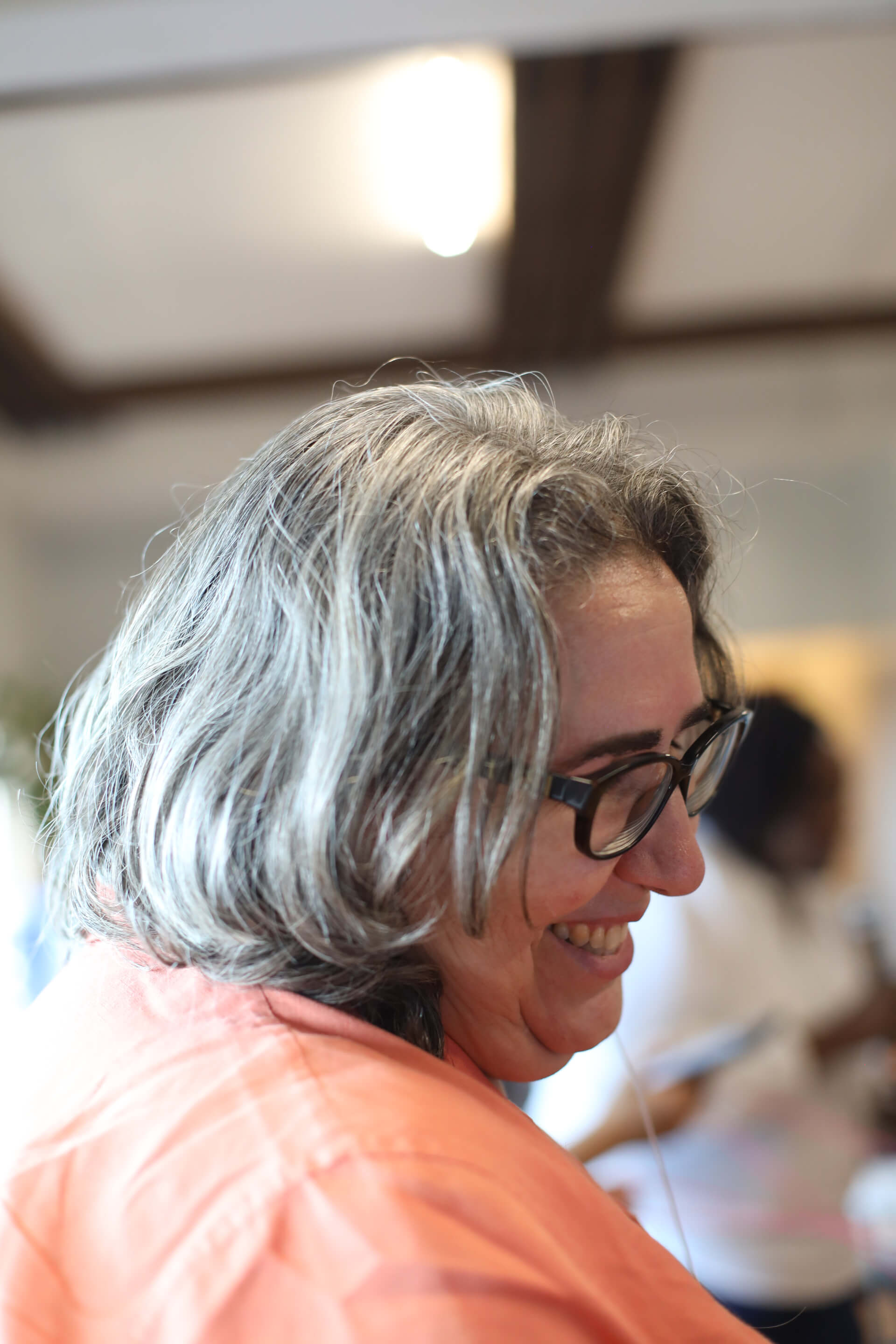
Forus Leadership Development Programme - Latifa Soufiani's story from Espace Associatif, Morocco
This case study is extracted from the story shared by Latifa Soufiani, President of Espace Associatif, Morocco, as part of the Cycle 5 of the Forus Leadership Development Programme.
The leadership journey of Latifa Soufiani at Espace Associatif (EA) demonstrates collective mobilisation and strategic repositioning of civil society governance in Morocco.
From collective moment to application
-
After participating in the Forus Leadership Development Programme in Manila (March 2025), Latifa returned with new perspectives on women’s transformational leadership gathered from participants from around the globe - representative of the diversity of Forus members.
-
She consciously projected these lessons onto Morocco’s civil society context, recognising opportunities to strengthen governance and mobilization within EA.
Overcoming structural challenges
-
Upon preparing for the delayed General Assembly (GA), Latifa confronted resource constraints - both financial and human.
-
Instead of adopting a victim stance, she mobilised solidarity through:
-
Voluntary contributions from members.
-
Hosting the GA at EA’s premises.
-
Collective ownership of logistical responsibilities.
-
-
This transformed a potential crisis into a moment of collective action and self-reliance from the network.
Strengthening governance
- Preparing the impact reports for the GA allowed Latifa to crystallise and analyse EA’s achievements over her term as President: improved governance, procedural strengthening, member engagement, and national advocacy.
-
With support from previous presidents, she built a roadmap for organisational restructuring, focusing on internal skills, strong partnerships and sustainability.
Strategic shift: from projects to strong partnerships
-
The GA marked a decisive transition from a fragmented project-based approach to strategic partnerships.
-
New alliances were forged with key networks (e.g., ANND, Forus) and three women’s rights organisations joined EA's membership, expanding its reach and legitimacy.
Participatory leadership and shared responsibility
-
The GA instituted working groups with delegated responsibilities, ensuring accountability not only from the board but also from member-led structures.
-
This participatory governance model is now supporting co-leadership, resource mobilisation, and strengthened ownership across members.
Leadership continuity as a result of collective trust
-
Despite hesitation about continuing her mandate, Latifa was persuaded by peers, members and predecessors to remain president. In the words of one of her predecessors: "The repositioning of the EA's image needs you because you master the different issues, you have a clear knowledge of the priority areas and you have managed to federate and use the available resources."
-
Their argument: her leadership had stabilised EA during a critical transition phase, and continuity was essential for sustaining momentum.
-
Her re-election symbolised recognition of her ability to federate members, mitigate conflicts, and realign EA strategically.
The work continues
- Immediately after the GA, Latifa facilitated a workshop to operationalise the working groups, translating commitments into action and reinforcing participatory and inclusive leadership.
What are some of the strategic takeaways?
-
Leadership that doesn't give up: Turning resource scarcity into an opportunity for solidarity and collective ownership.
-
Governance that evolves: Making shared accountability a reality through working groups and co-leadership structures in civil society platforms.
-
Strategic positioning for sustainability: Moving beyond project-based approaches towards sustainable and equitable partnerships.
-
Leadership continuity: Recognising the value of stability and accumulated knowledge in transitional phases.
-
Transformations for social change: Strengthening EA’s legitimacy, inclusivity, and collective engagement for national advocacy that bears results.