2022-12-29
Improving The Quality Of Free Basic Education : An Issue Of Priority

By Rigo Gene, Secretary General, CNONGD
The Democratic Republic of Congo is experiencing a general context dominated by insecurity and war, especially in the eastern part of the country. This is not a favourable context for public freedoms and the situation is leading to a narrowing of the civic space.
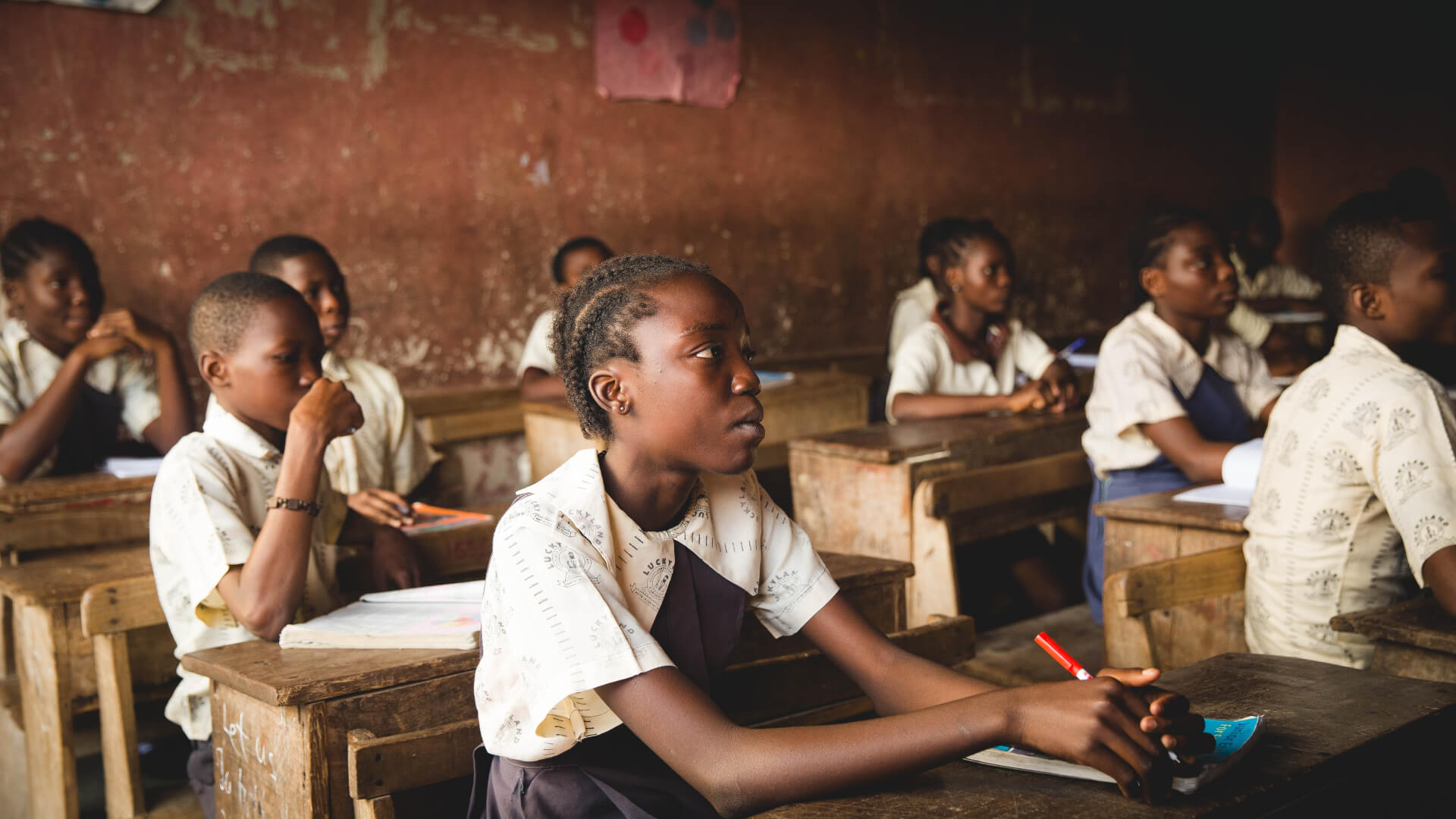
Despite this difficult context, it is important to emphasise the firm political will to ensure that Congolese youth have access to basic education. Although enshrined in the Constitution of our country in Article 43 paragraph 5, free primary education had never been effective.
The fact that in January 2019, the Congolese Head of State made free primary education a flagship policy of his mandate at the head of the country motivated us to develop the project to support the strengthening of interaction between civil society organisations, members and non-members of the CNONGD in the monitoring of the implementation of the Sustainable Development Goals at the local level, with a particular focus on this policy related to free education. Quality and inclusive basic education is essential for achieving many of the SDGs. To achieve this, it requires a greater involvement of civil society to better accompany this policy in particular, and the achievement of the SDGs in general.
As the human factor is the driving force and the goal of all sustainable development, the project focused on free basic education. CNONGD considered it useful to identify and sensitise CSOs, both members and non-members of CNONGD, on the challenges of implementing the SDGs at the national level and SDG 4 at the local level - education being one of the decentralised sectors in the DRC. In order to implement effective advocacy around the targets and indicators related to the SDGs, it is important to identify and raise the awareness of active actors at different levels of responsibility.
From 30 May to 5 June 2022, the National Council of Non-Governmental Development Organisations (CNONGD) in partnership with Action contre les Violations des Droits des Personnes Vulnérables (ACVDP) and a member of the National Coalition Education Pour Tous (CONEPT) organised a data collection survey on the problems related to the implementation of free education and the costs of participation in the primary school leaving test: Test national de fin d'études primaires (TENAFEP) and end of secondary cycle (Examens d'Etat-EXETAT), 2021-2022 edition in the 5 educational provinces of the city province of Kinshasa.
A total of 26 CSOs and 106 respondents, including 21 parents, 20 teachers, 29 students, 22 prefects/head teachers and 14 education inspectors were surveyed. In order for a finalist pupil in grade 6 and secondary 6 to take the end-of-cycle exams, his or her parents must first pay the fees, which range from 85,000Fc (about US$42) to 412,000Fc (about US$200) depending on the school.
The data collected in the framework of this survey show that the costs of organising the end of primary and secondary school exams are already partly covered by the state budget. Therefore, the funds mobilised from parents during the organisation of these tests can constitute an additional source of resource mobilisation at the local level likely to contribute to the financing of free education, thus answering one of the problems related to the effective implementation of this policy.
It is useful to keep in mind these words of a parent, collected during the survey: "Free basic education is a bold and noble policy that must put people at the centre of all concerns; investing in the education of Congolese youth cannot suffer from any opposition. The increase in the number of schoolchildren must go hand in hand with an improvement in the quality of the conditions in which pupils study".
The costs mobilised in the framework of the material organisation (ORGAMAT) of the end of school cycle exams, as revealed by the survey that CNONGD carried out in the framework of this project, with the support of Forus, in partnership with the French Development Agency, constitutes an important source of mobilisation of resources at the local level that should be destined to the additional financing of free education for the improvement of the quality of education and not to fill the pockets of certain individuals, even if they are actors in education.