Tue 11 Oct 2022
In-Depth: the new generation of civic action is about “global justice” and “grassroots leadership”

This year’s Global People’s Assembly saw 1,300 participants from 127 countries representing diverse, excluded and communities who have been historically marginalized. In this shadow event to the United Nations General Assembly (UNGA), from Afghanistan to Brazil, we heard testimonies of the current state of injustices and conflicts around the globe.
Lysa John, Secretary General of CIVICUS, expresses her disappointment at governments using Covid-19 as an excuse to block civil society organizations from getting included into the UNGA:
“At a time when you’re seeing countries fall back on their development commitments, on their commitments to solidarity and to support rights across the world, we simply can’t have the most important multi-lateral agency in the world also turn its back to civil society.”
The Human Development report is showing the world has fallen back for the first time in 32 years in its development indicators for 2 years in a row and action must be taken quickly:
“It is impossible really to meet the sustainable development goals, to meet the agenda of peace, climate and justice without the active participation of people and communities. The new generation of civic action is really not about waiting for governments or businesses to do the right thing. It’s about people taking charge, showing the leadership on the ground and on the issues that matter most to humanity,” Lysa John stresses.
“We need to get the two most powerful groups of the planet, decision-makers and local activists together in the same room, in the same spaces, in the same streets and that's the only time that change can truly happen.”
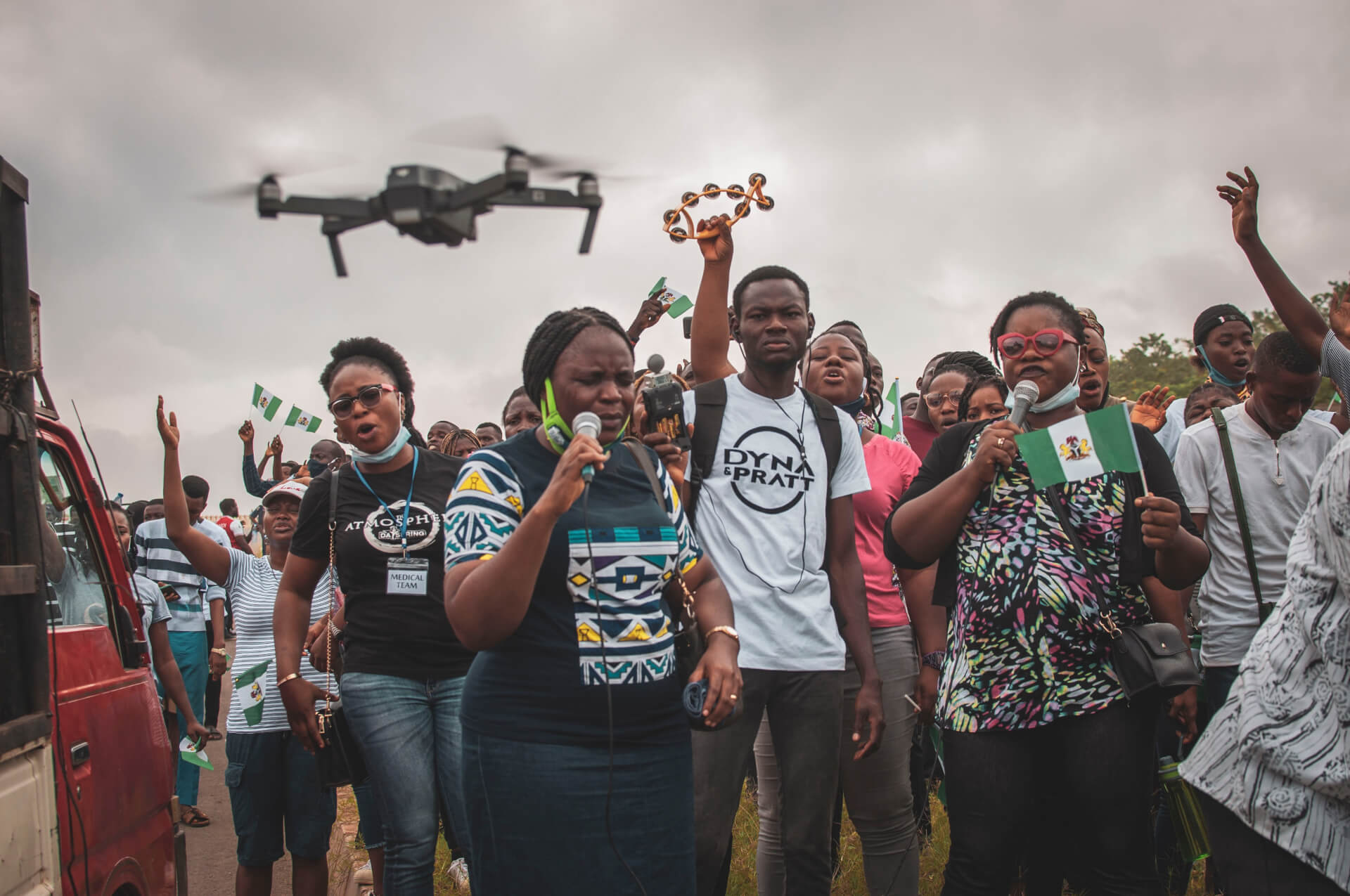
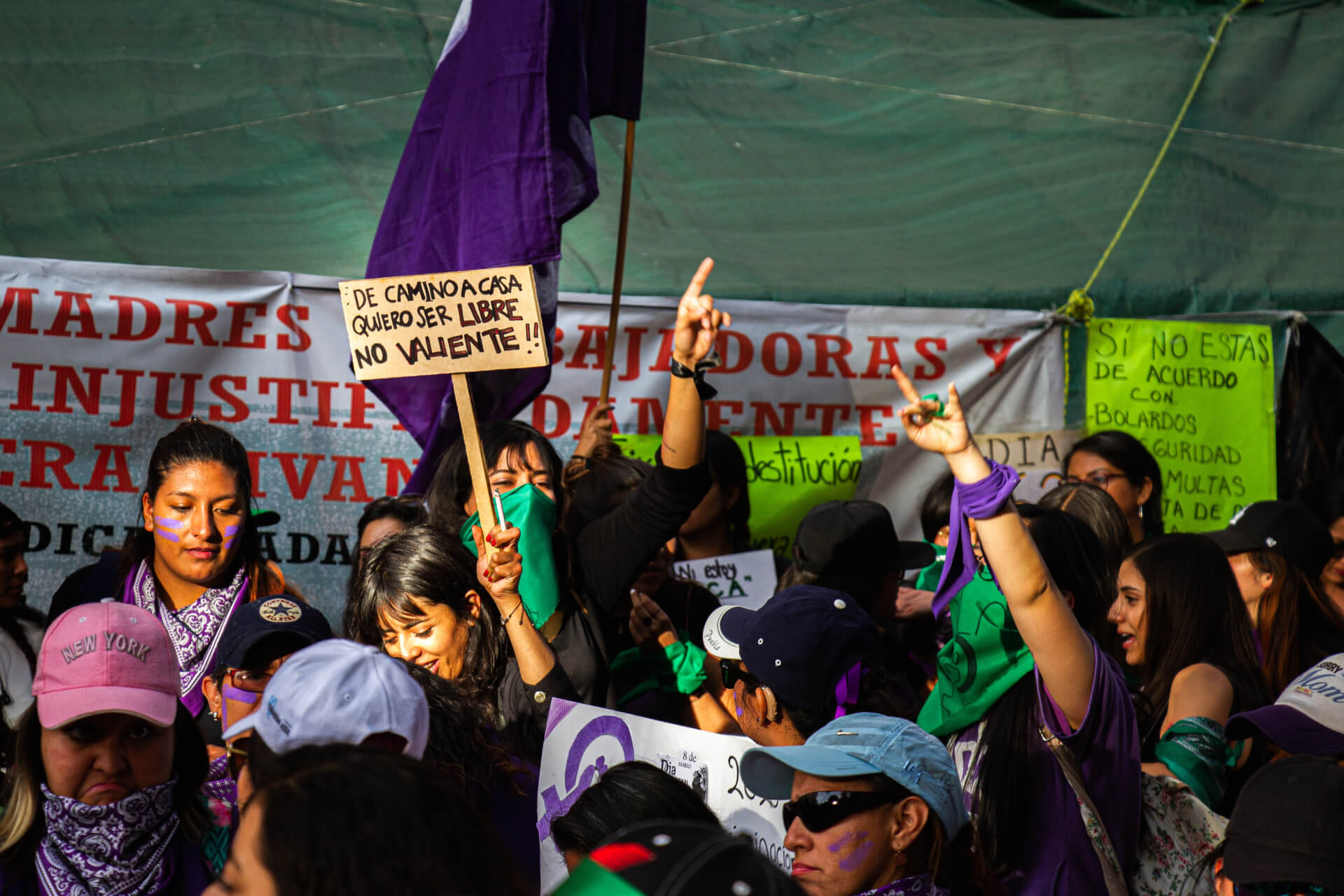
9 out of 10 people live in countries where civic rights are severely restricted.
According to the latest report People Power Under Attack 2021 only one country - Mongolia - improved its rating in 2021 when it comes to civic freedoms.
With only 3.1% of the world’s population living in countries where they can freely exercise their fundamental freedoms - of expression, assembly and association - the barrier between decision-makers and the people who can point the finger to the needs of communities must be brought down. Despite increasing restrictions, civil society has found ways to continue to speak up and claim their rights.
Those at “the bottom of the system”, are suffering discrimination influencing all spheres of life and violating transversal basic human rights including civil, political, social, economic and cultural rights. Today, caste discrimination still affects more than 260 million people globally, especially Dalits living in South Asia. The archaic caste system in the region is a strict hierarchical social system, “a social stratification”, whereby individuals face multiple generations of discrimination based on their descent and for whom social mobility is often impossible.
Bhakta Bishwakarma an activist from Nepal, highlights the issues faced by the Dalit communities across South Asia:
“People who earn less than the minimum wage have no access to education, experience segregation in respect to housing and suffer from numerous diseases. This is due to the lack of laws to protect vulnerable populations.”
“Northern countries are holding the vaccines and driving the COVID-19 recovery agenda, but this is affecting poorer countries especially Dalit communities across South Asia. With the advent of COVID-19, most people in these communities were pushed to the brink of unemployment and their condition was made worse by lack of access to vaccinations and medications,” Bishwakarma explains
“There is a huge gap in addressing the livelihood concerns of the much-marginalized communities who depend mainly on informal employment where government policies are less effective. We call on UN agencies, regional groups, civil society organisations and governments to take serious note of the situation of the Dalit communities in South Asia and ensure that the voices of the most marginalized are heard,” Bhakta Bishwakarma concludes.
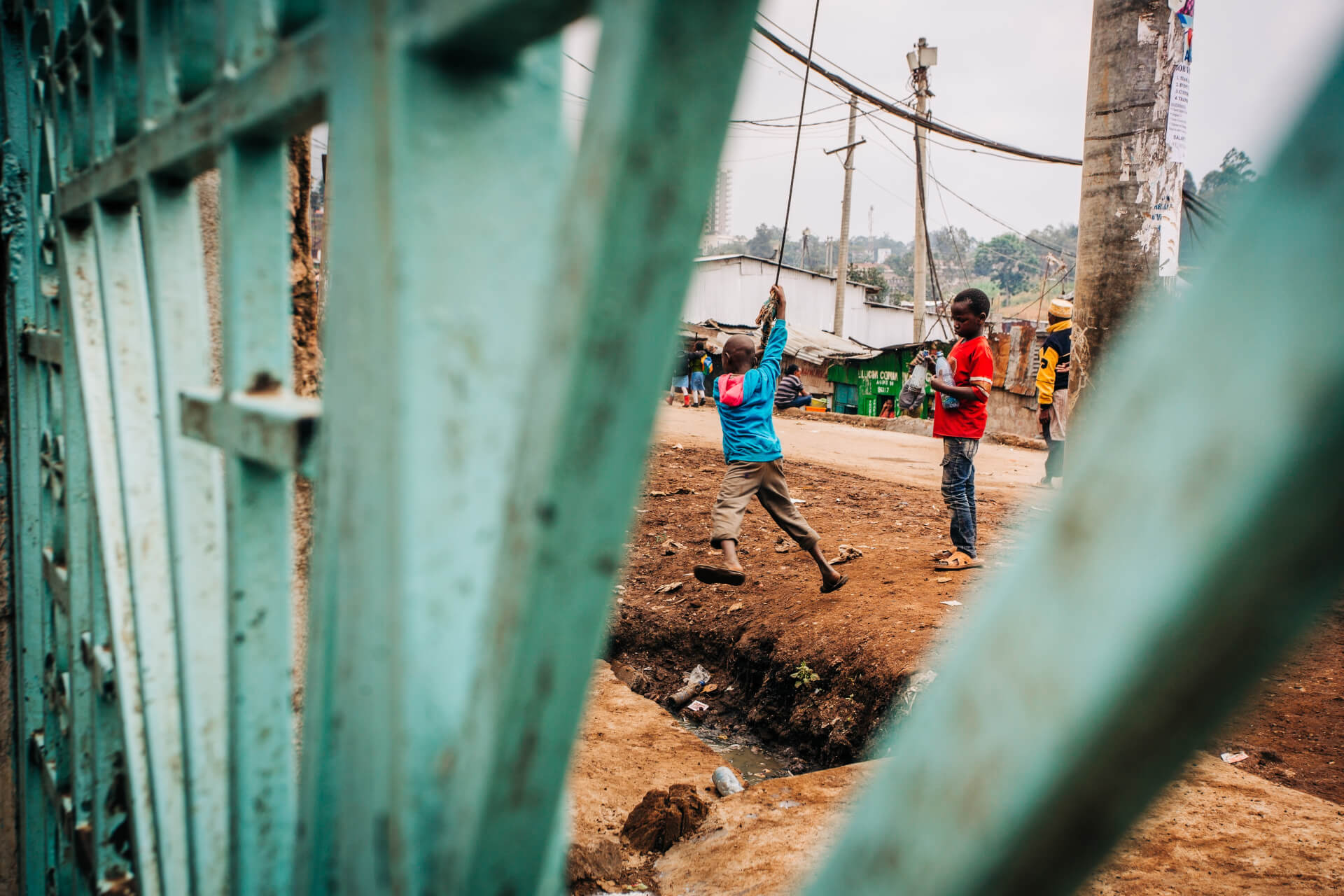
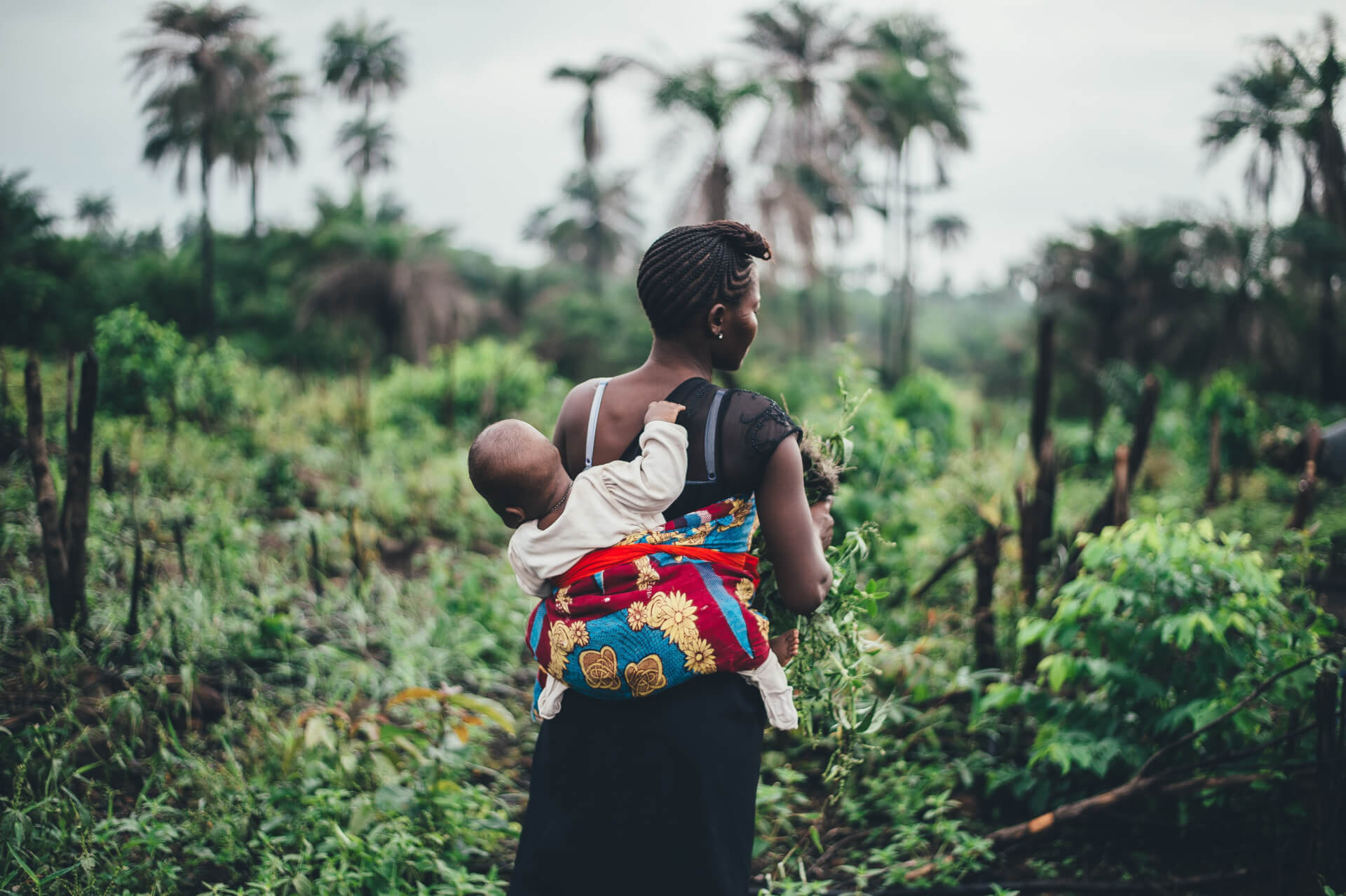
The “Shadow Pandemic” in the biggest slum settlement in Sub Saharan African.
From South Asia, we shift to the Kibera, the biggest slum settlement in Sub Saharan African based in Nairobi, Kenya. Here, Jane Anyiango is a well-known urban grassroots activist who started organizing women from different communities over 15 years ago in response to cases of sexual manipulation and violence towards adolescent girls. She is the founder and director of the Polycom development project, and talks about life in the slums and how terrible it has become after COVID-19 struck:
“With many people losing their jobs and schools shutting down, many families were forced to share spaces all the time leading to lots of conflicts and separations.” This is the so-called “shadow pandemic”. Before the pandemic 243 million women and girls, aged 15-49 experienced sexual and physical violence by an intimate partner in the past year. Since the outbreak of COVID-19, emerging data and reports from those on the front lines, have shown that all types of violence against women and girls, particularly domestic violence, has intensified. Kibera which is contained in 2.5 sq kms and holds 1 million people is no exception.
“A lot of violence against women has been reported and even against children because people could not provide for their families and as a result of this, people started fighting [physically].”
On top of the violence, schools’ shutdowns, which had until then been a means for organizations to supply girls with sanitary pads and support, resulted in numerous teenage pregnancy cases:
“We have children who did not even have access to toilets and some girls could not get access to sanitary pads and protection because we mostly distribute them in school milieus. We ended up with over 4000 reported teenage pregnancies.”
Many of these girls, mostly from disadvantaged homes, were forced to drop out of school:
“We had to plead with the government to distribute food to pregnant girls, women with children, old people and those living with disabilities. It hasn’t been easy because with corruption, most of the targeted people still do not get the food they deserve,” Jane Anyiango explains.
As a grassroots activist, Jane Anyiango knows the power of effective organizations, rooted in local methods of tackling problems. Such community-led groups based on local knowledge, relationships, and resources “have insider access to systems that affect them” and “thrive off of proximity to their community that extends beyond mere physical nearness.”
“My recommendation is that we support community-led initiatives because communities have their own solutions,” Jane Anyiango concludes.
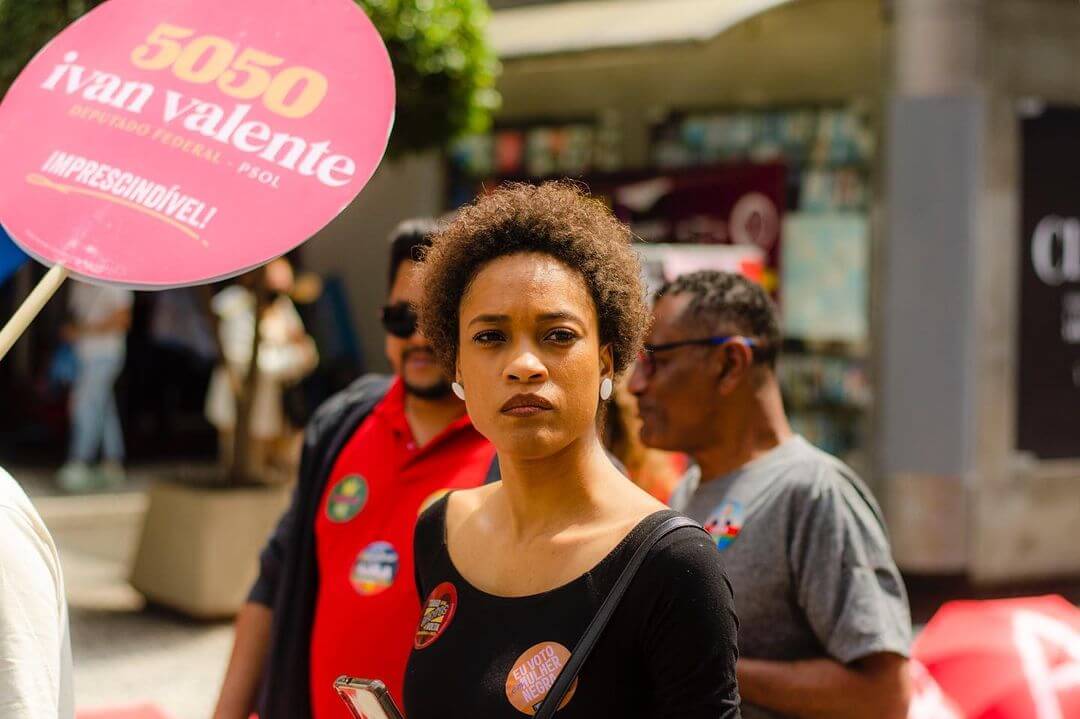
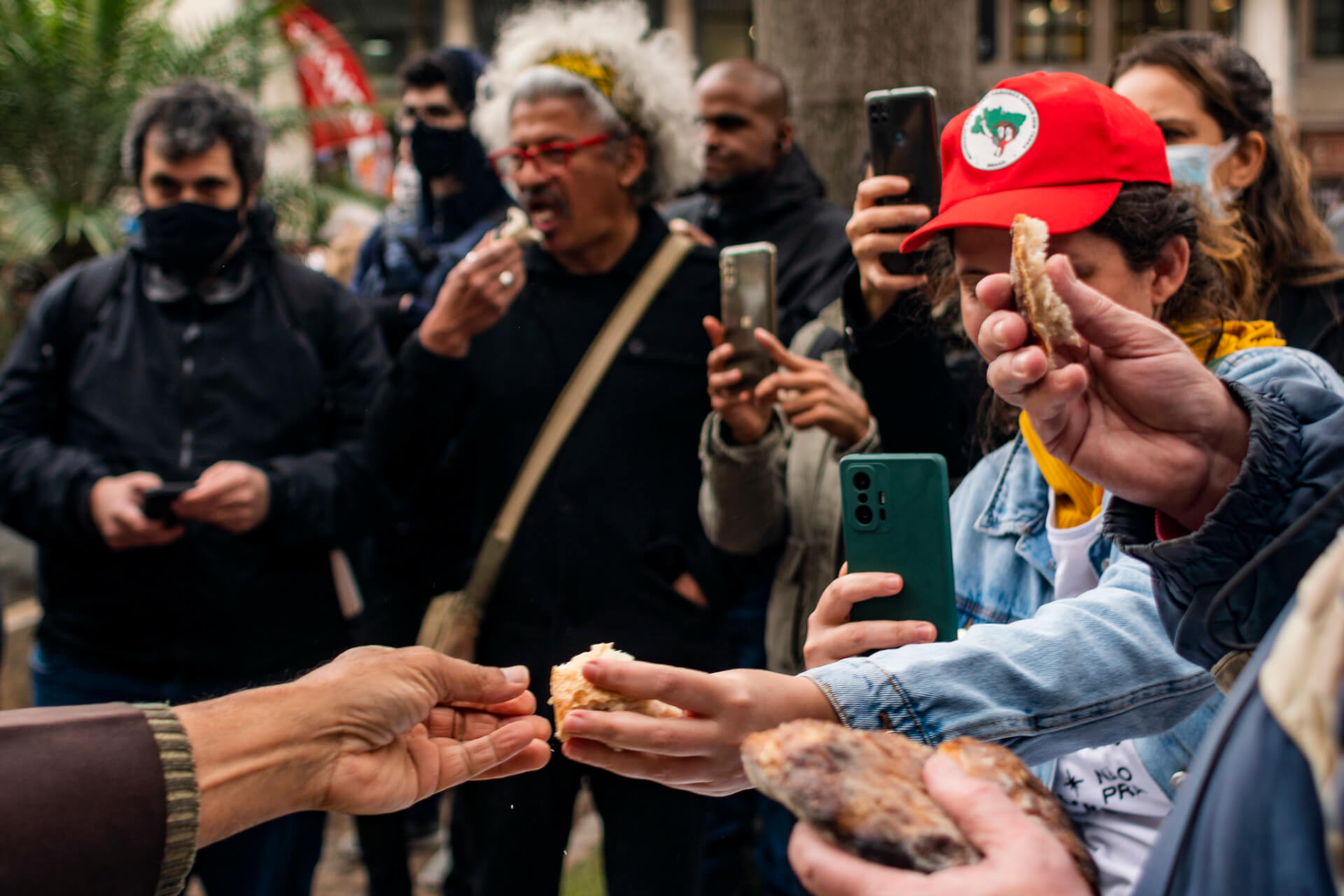
Brazil: “Human rights violations have grown considerably.”
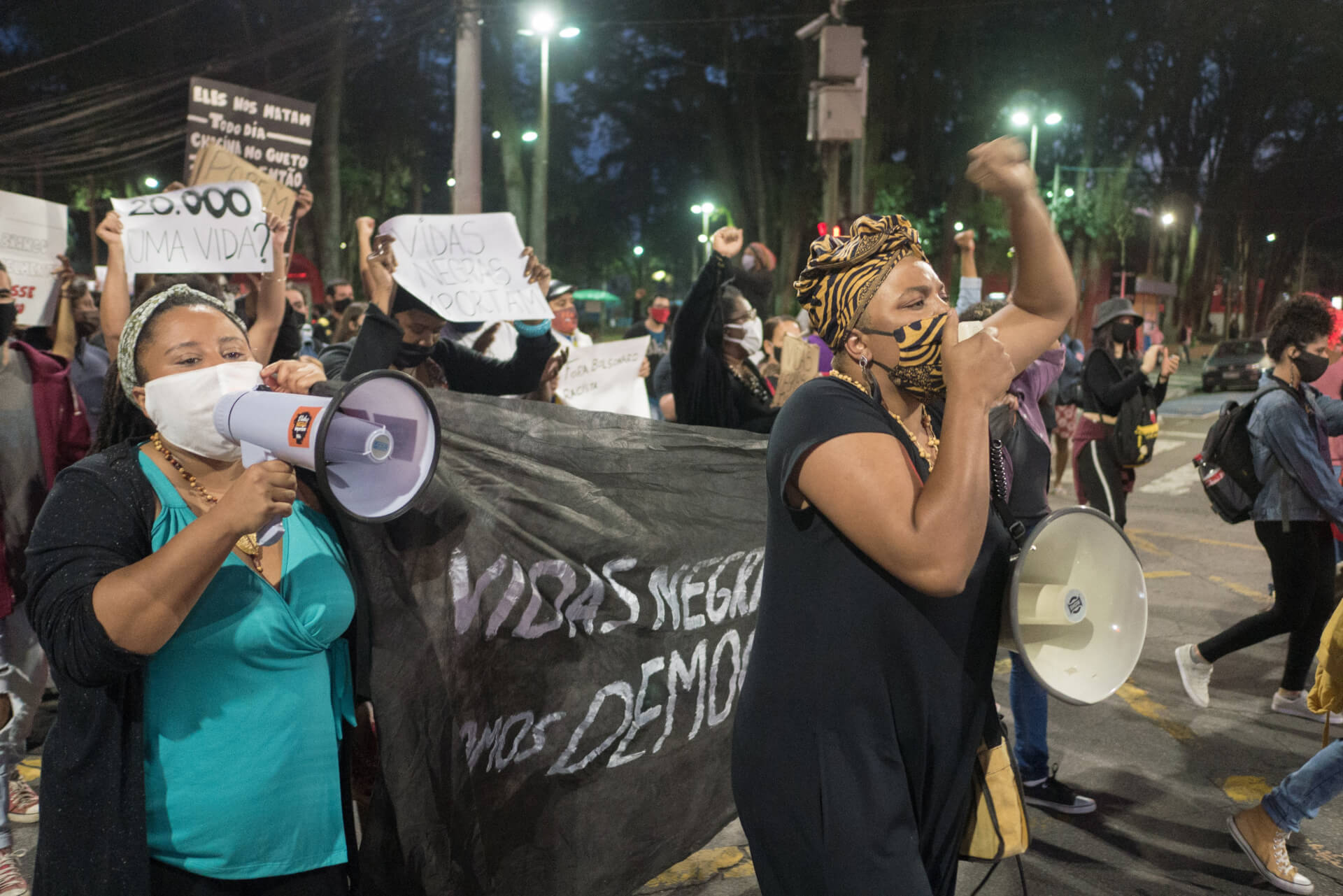
In Brazil, communities are ready to imbue themselves with the power of the democratic spirit and are hoping that free, honest and peaceful elections will be held throughout the national territory. Exercising democracy transcends the exercise of the right to vote. Athayde Motta, of the Brazilian Association of NGOs, Abong, and member of Forus’ executive committee talks about the state of civic freedoms in Brazil ahead of the second-round runoff of the country’s elections on October 30 in a context of increased political violence “with people owning more guns than the police” and “hate-based politics".
“Human rights violations have grown considerably and all the support in the public sector that was there to prevent those violations from occurring has vanished. Civic spaces have also been completely shut down in Brazil and citizen participation in policy and decision-making has been obliterated. In addition to areas like human rights, the implementation of SDGs in Brazil has also drawn back considerably because there are no more resources, no more commitments from the Brazilian government and there is no more social participation in the process of accompanying what the government was doing to implement the SDGs.”
With the presidential elections around the corner and after 4 years of Bolsanaros’s government, Athayde Motta talks about less effective social policies in place, and simply put, there is more poverty in Brazil, especially poverty related to hunger.
“More than 30 million Brazilians are facing hunger again,” Athayde Motta explains. Under Bolsanaro, the country returned to the Hunger Map in 2018 and, in 2020, recorded 55.2% of the population living with food insecurity. Scenes observed in 2021, such as people looking for bones and carcasses to feed and the various protests against hunger, are the result of rising inflation, cuts to social benefits and a dismantling of food security policies.
Civil society organizations and social movements have been at the forefront trying to support people to get out of the tunnel, but they have to face a spike in bureaucratic criminalization.
“This is a very important moment to bring a strong statement against the closing of civic space throughout the globe. In the case of Brazil this is a very significant example of a society which was once very active and very participatory but now it has changed completely.”
On top of the curtailment of civic freedoms, recent data confirm that 2022 is on pace to match 2021’s rate of deforestation in the Brazilian Amazon. Brazil has lost a Belgium-sized swath of the Amazon Rainforest since Jair Bolsonaro took office as the country’s president at the start of 2019. The current administration has contributed to the record-matching pace of Amazon deforestation, but the October 2022 Brazilian election could alter that trajectory.
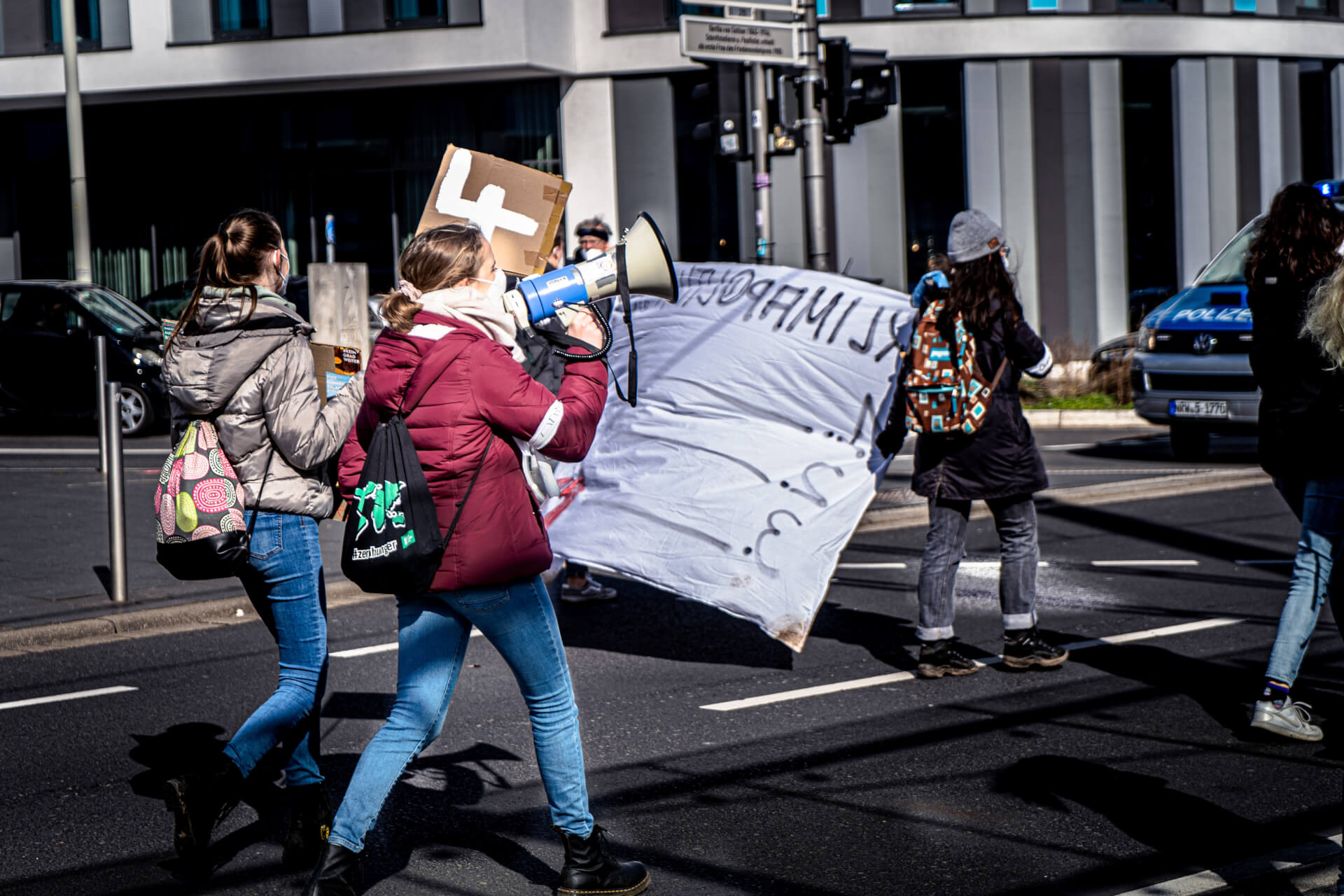
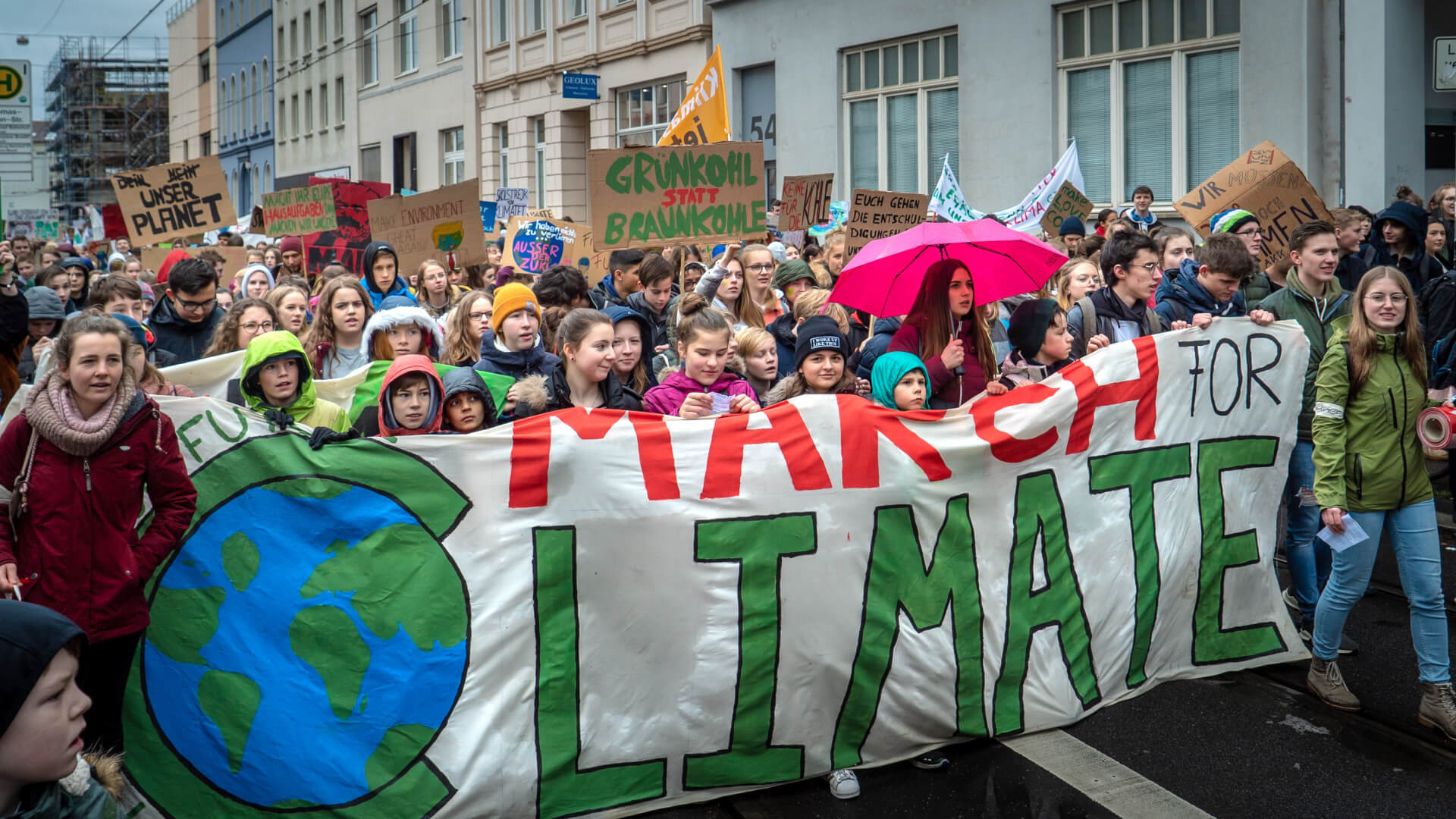
200 environmental defenders murdered in the last year alone.
The task for environmental defenders is increasingly daunting. Global Witness recorded that 200 land and environmental defenders were killed in 2021 – nearly four people a week.
Echoing the voice of Fridays For Future, 16-year-old Emma Buretta, a climate activist living in New York, calls for intergenerational climate justice and highlighted the need to catalyze collaboration and inclusive action.
“International governments need to declare ecocide a crime. Ecocide is the mass destruction of eco-systems which I consider a crime against humanity and it must be recognised as such. Oil spills, chemical disasters and plastic pollution are examples of ecocide. These events do not just destroy eco-systems, they destroy communities and take lives,” Emma declares.
Floods in Pakistan. Famines affecting Ethiopia, Kenya and Somalia. Studies show that the lowest carbon emitting countries are, more often than not, those which are most susceptible to the damage caused by the climate crisis.
"Why do communities have to take responsibility for a mess that is not theirs?” Emma asks. “The companies, industries and governments who have created this damage should be the ones responsible for their crimes.”
“It is not a coincidence that my generation is going through a so-called mental health crisis. Do you know how destressing it is that adults around the world don't care about your present or future? Because adults often tell me that they are impressed with the work I am doing, but I don't want them to be impressed, I want their action.”
“It’s about global justice.”
Ingo Ritz, the Director of the Global Call to Action Against Poverty (GCAP), further explains how Sustainable Development Goals or SDGs are far from being attained. As a small example, according to UN Women, it could even take up to three centuries for gender equality to become a reality:
“For a real transformation to take place, we need to have meaningful participation and collaboration between governments, parliaments, international institutions and civil society where the political and economic power is actively shared between the global north and the global south. So, it’s about global justice and it’s very clear that if we do not have progress about global justice, we will not achieve the Agenda 2030.”
Ingo Ritz unveiled the recommendations developed by over 127 civil society organizations for governments and these include, the need for universal access to public health, social protection for all, the shielding of civic space and human rights as well as the promotion of gender justice. On top of that, climate, economic and environmental justice should be achieved with the unconditional cancellation of public debts, a reduction of military spending by 3% per year, and a call for a UN reform so that institutions are more democratic and open to civil society.
This and more came out of this year’s Global People’s Assembly. In the words of Mavalow Christelle Kalhoule, Chair of Forus and President of SPONG, the Burkina Faso NGO network, “The gap between rhetoric and reality must be closed. Let us finally translate promises into action! Let everyone, Leaders, Researchers, Civil Society Groups and all other Actors around the world find in my words, a call to action.”
Pictures: Midia Ninja, Abong, Bennett Tobias, Mika Baumeister, Rupinder Singh.