© NGO Forum on ABD
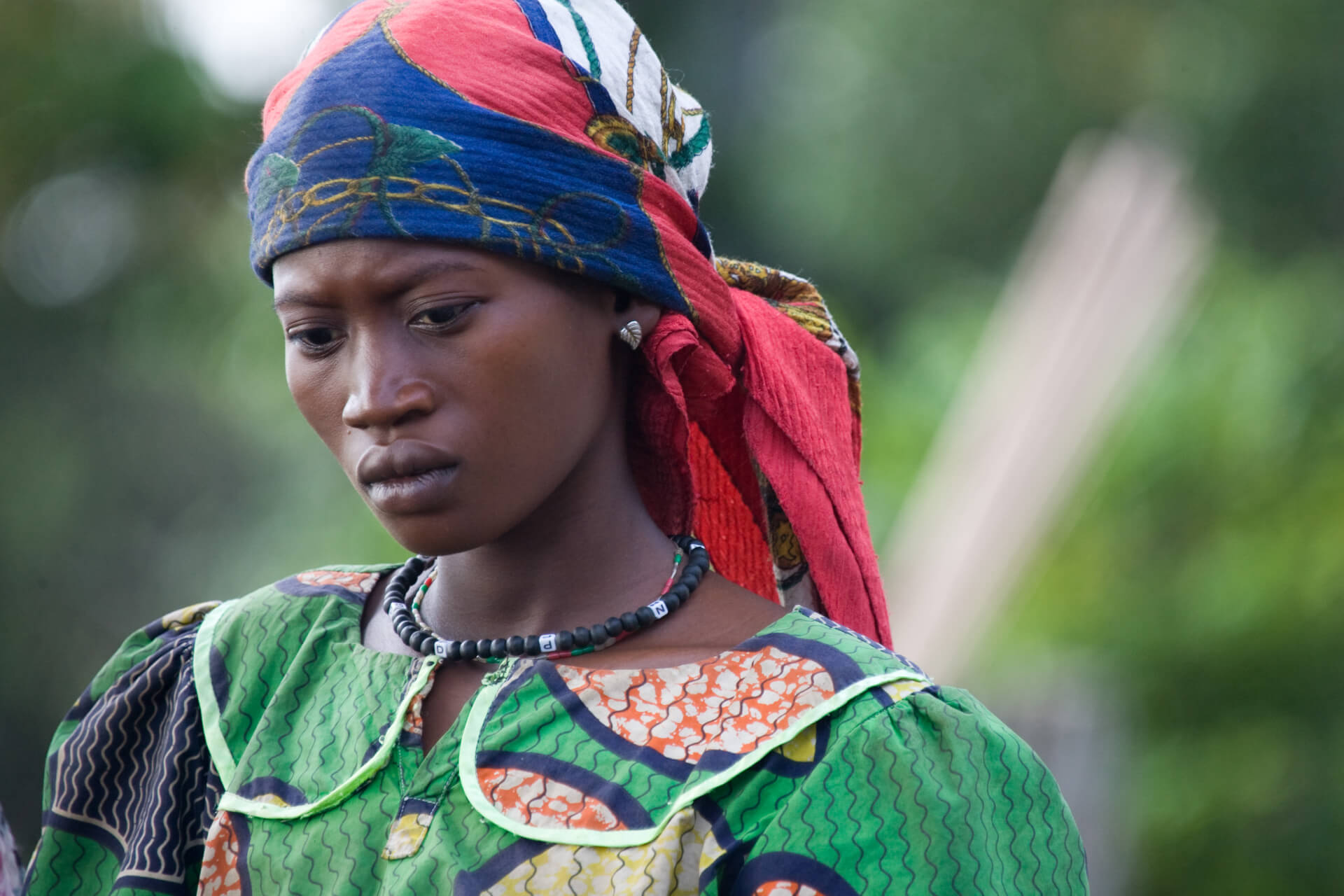
© Bompata, DRC. UN Photo - Marie Frechon.
Tue 15 Apr 2025
"Justice in our country is a luxury": Standing for Women and Girls in the Democratic Republic of Congo
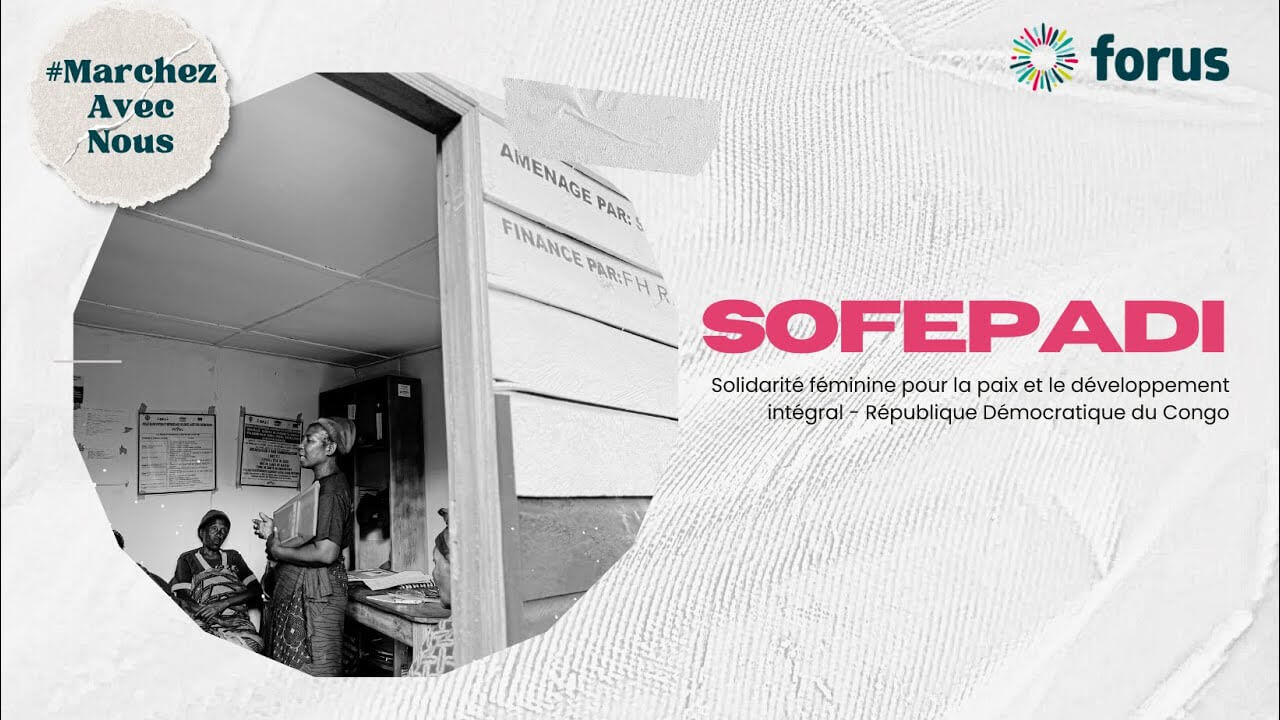
In the heart of the Democratic Republic of Congo (DRC), where conflict has raged for decades, women and girls face immense challenges. Yet, amidst the struggle, there is hope. Organizations like Solidarité Féminine pour la Paix et le Développement Intégral (SOFEPADI) are on the frontlines, fighting for the rights, dignity, and safety of women and girls.
A Crisis That Cannot Be Ignored
For over 30 years, armed conflict in the DRC has displaced millions, with women and children bearing on their own skins and hearts the violence. In recent months, the crisis has deepened, forcing thousands from their homes. Gender-based violence, lack of access to healthcare, and economic hardship have reached catastrophic levels.
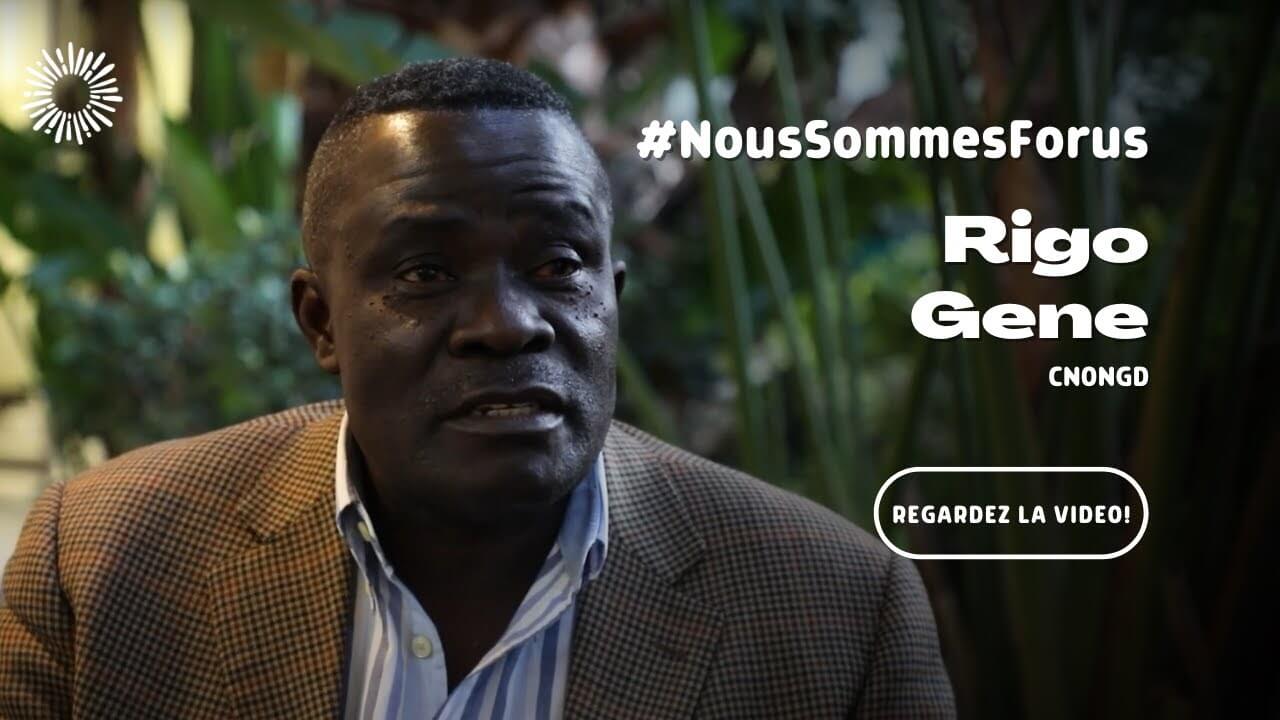
"The situation is very difficult for women and children, who are affected multiple times over by these conflicts," says Sandrine Lusamba, National Coordinator of SOFEPADI in an interview with Bibbi Abruzzini from the global civil society network Forus. "They face enormous protection challenges—access to humanitarian aid, healthcare, clean water, and sanitation services are all severely limited."
According to Sandrine, the most recent escalation of violence in Goma has left many with nowhere to go. "Camps for displaced people no longer exist. Thousands have been sent back to their villages without any support, without any plan. Others have sought shelter in churches or host families. Many have simply disappeared," Sandrine further explains.
Justice for Survivors: The Fight Against Impunity
Accessing justice in the DRC is an uphill battle. Courts are distant, legal fees are high, and survivors often face stigma rather than support. SOFEPADI is changing this by covering legal costs for survivors, organizing mobile courts to bring justice directly to communities and raising awareness to challenge harmful societal norms.
"Justice in our country is a luxury," says Sandrine Lusamba. "Most survivors cannot afford legal proceedings, and courts are often far from where they live. That's why we bring justice to them. We organize mobile courts, covering all costs—transport, accommodation, legal fees—so survivors can finally have their voices heard."
The impact is life-changing. Sandrine recalls the story of one survivor:
"After a mobile court session, a woman came to us and said, 'For years, I have been rejected and stigmatized. But today, everyone in my community saw my abuser convicted. They finally understand that I was a victim, not at fault.' This is why we fight for justice."
Beyond Healing: Rebuilding Lives
Survivors of sexual and gender-based violence need more than just legal support, which is why SOFEPADI offers holistic care. Their services include medical treatment for survivors of rape and abuse, psychological counseling to help process trauma, and economic empowerment programs that enable women to regain independence.
One of the most inspiring cases is that of a young girl who came to SOFEPADI in 2017 after being raped. "She was deeply traumatized and rejected her newborn child," Sandrine recalls. "Her mother took care of the baby while we supported them both. We raised funds to send her back to school. Today, she is a trained nurse—working at our own medical center."
How Can You Help?
The women of the DRC cannot fight this battle alone: "Each of us has a role to play," says Sandrine. "We need people to speak up for the DRC. Demand peace. Demand justice. With ongoing conflict and reduced international funding, the needs are growing, but resources are shrinking. Every action, no matter how small, can change lives."
Stand with the women of the DRC. March for justice. March for equality.
Listen to the podcast episode featuring SOFEPADI here.