© NGO Forum on ABD
© Forus
Mon 11 Aug 2025
Leading by doing: inclusive and transformational leadership in action
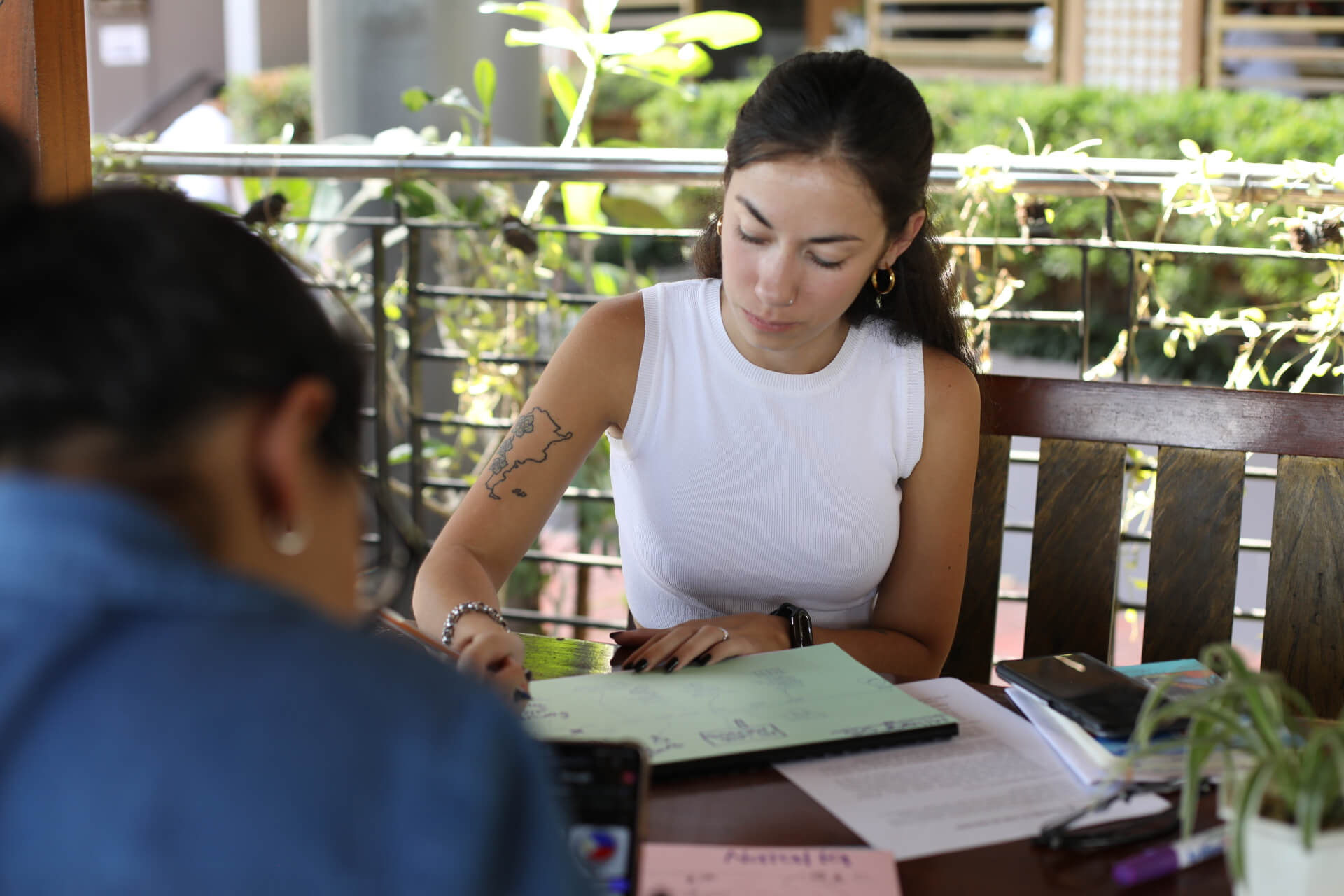
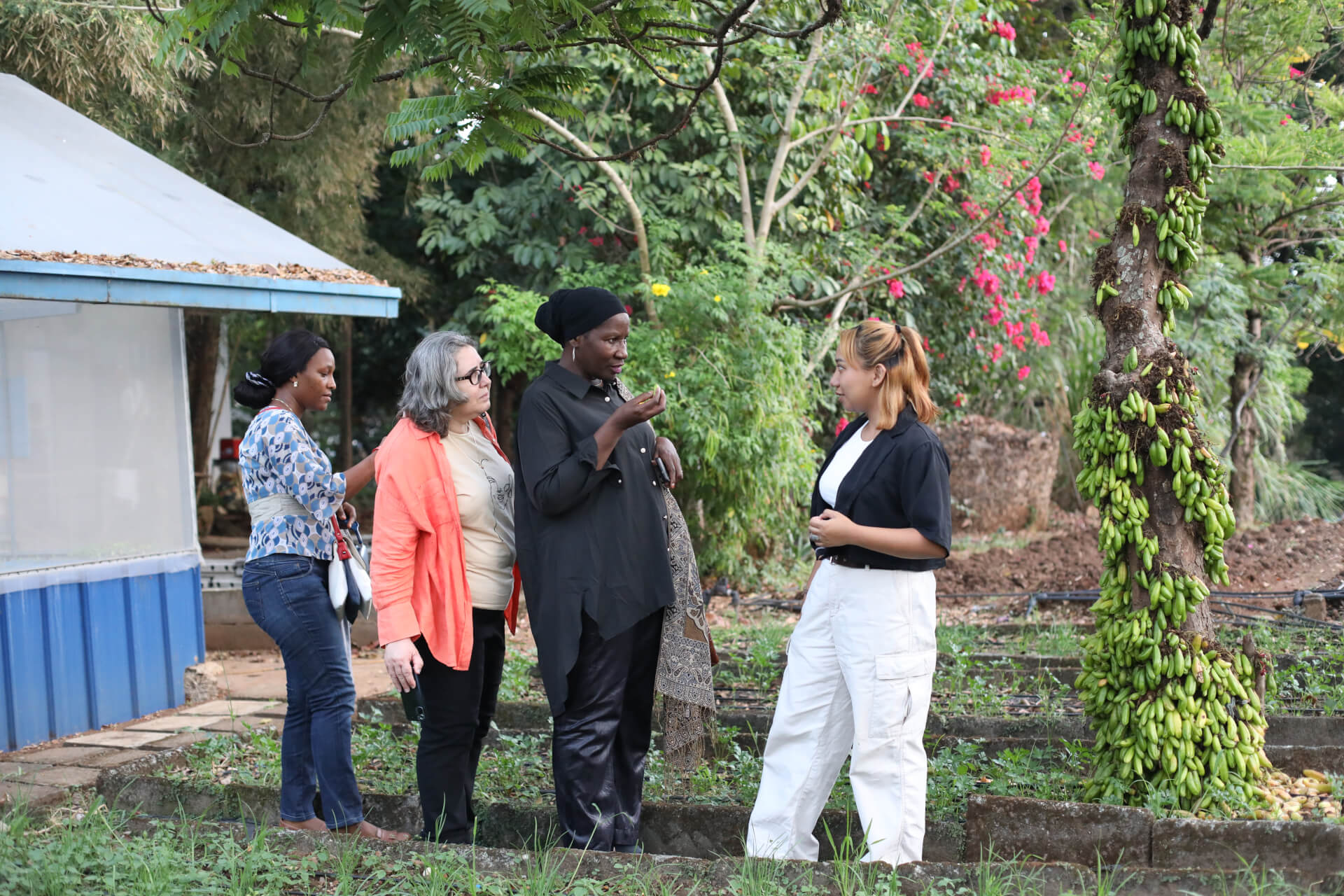
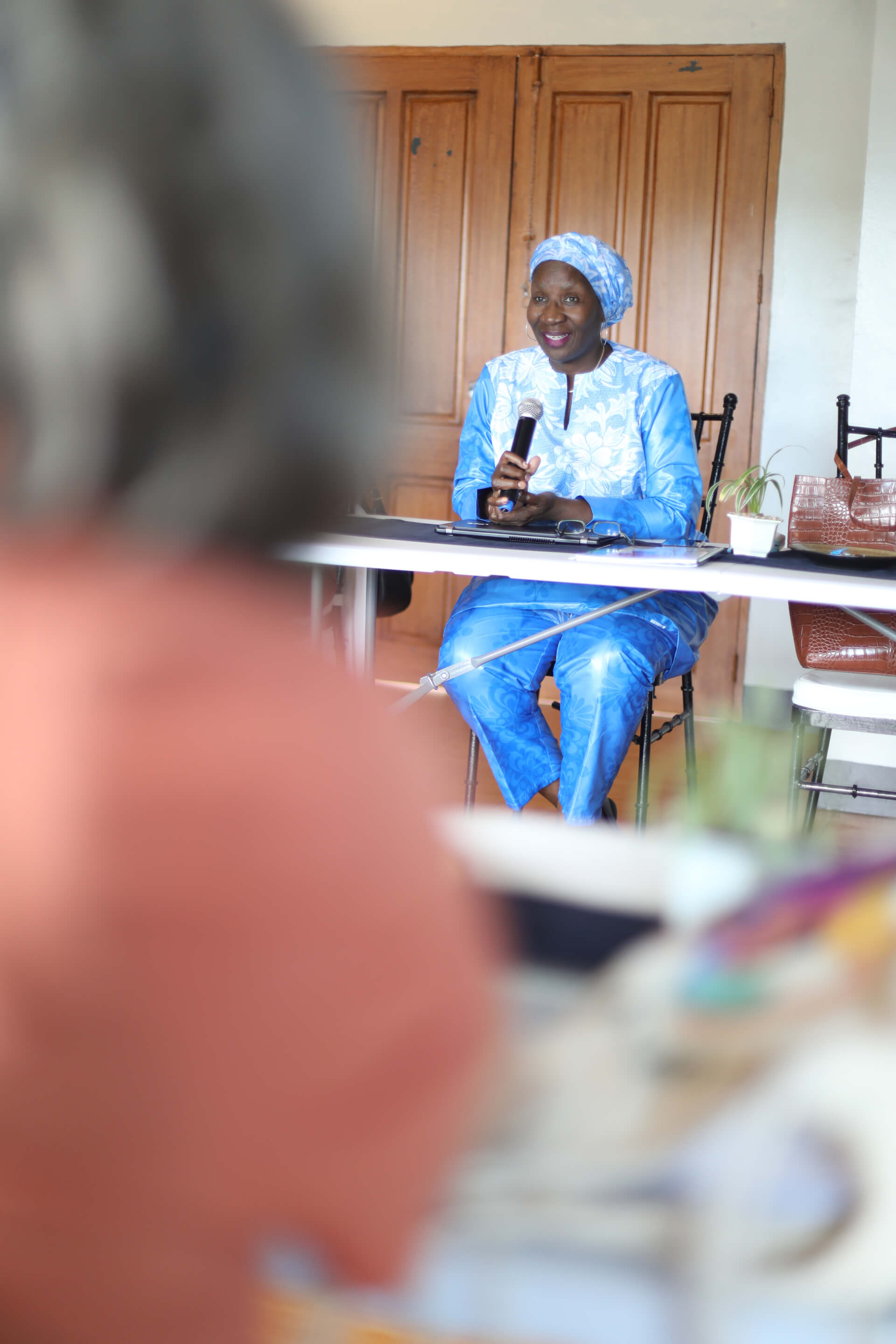
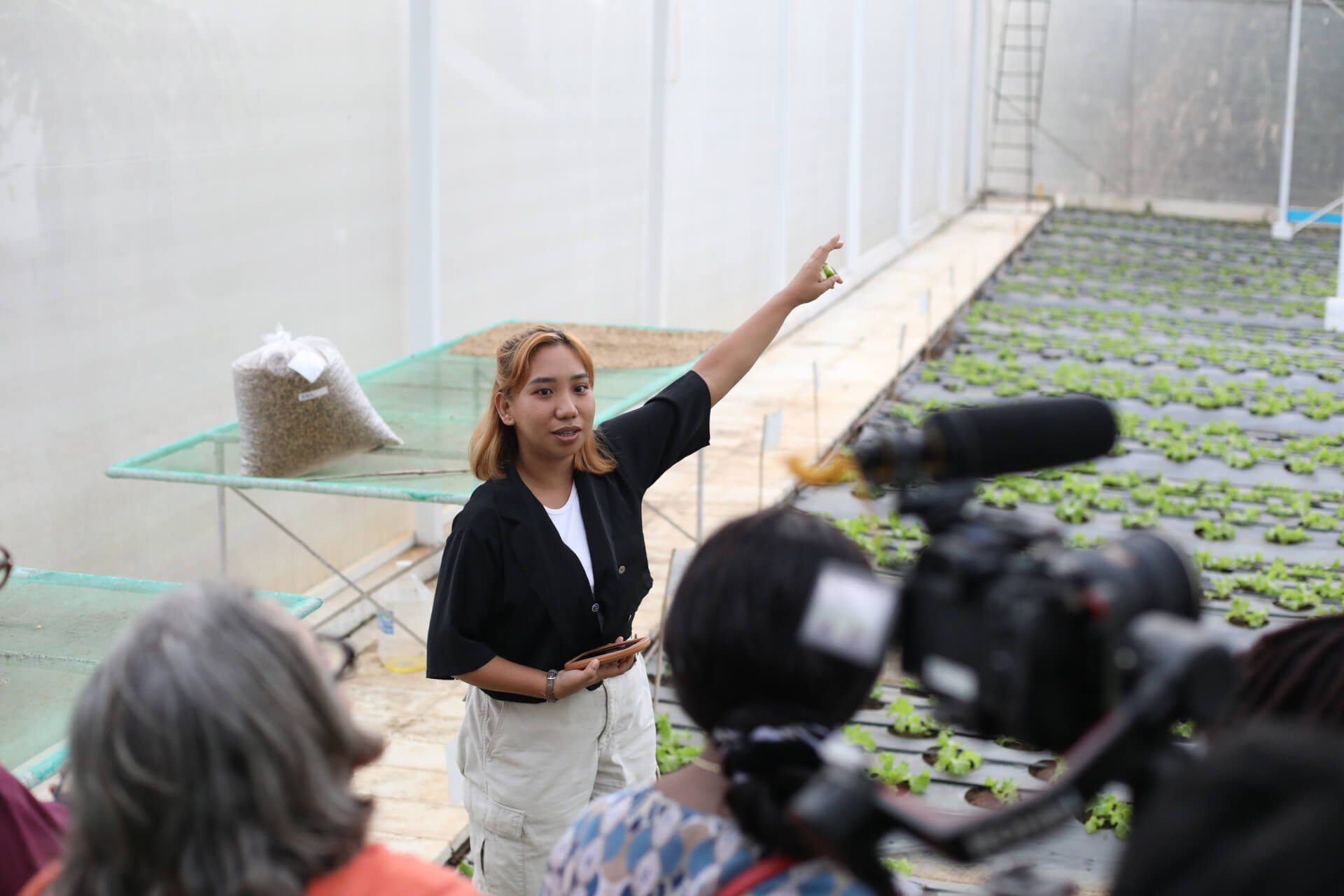
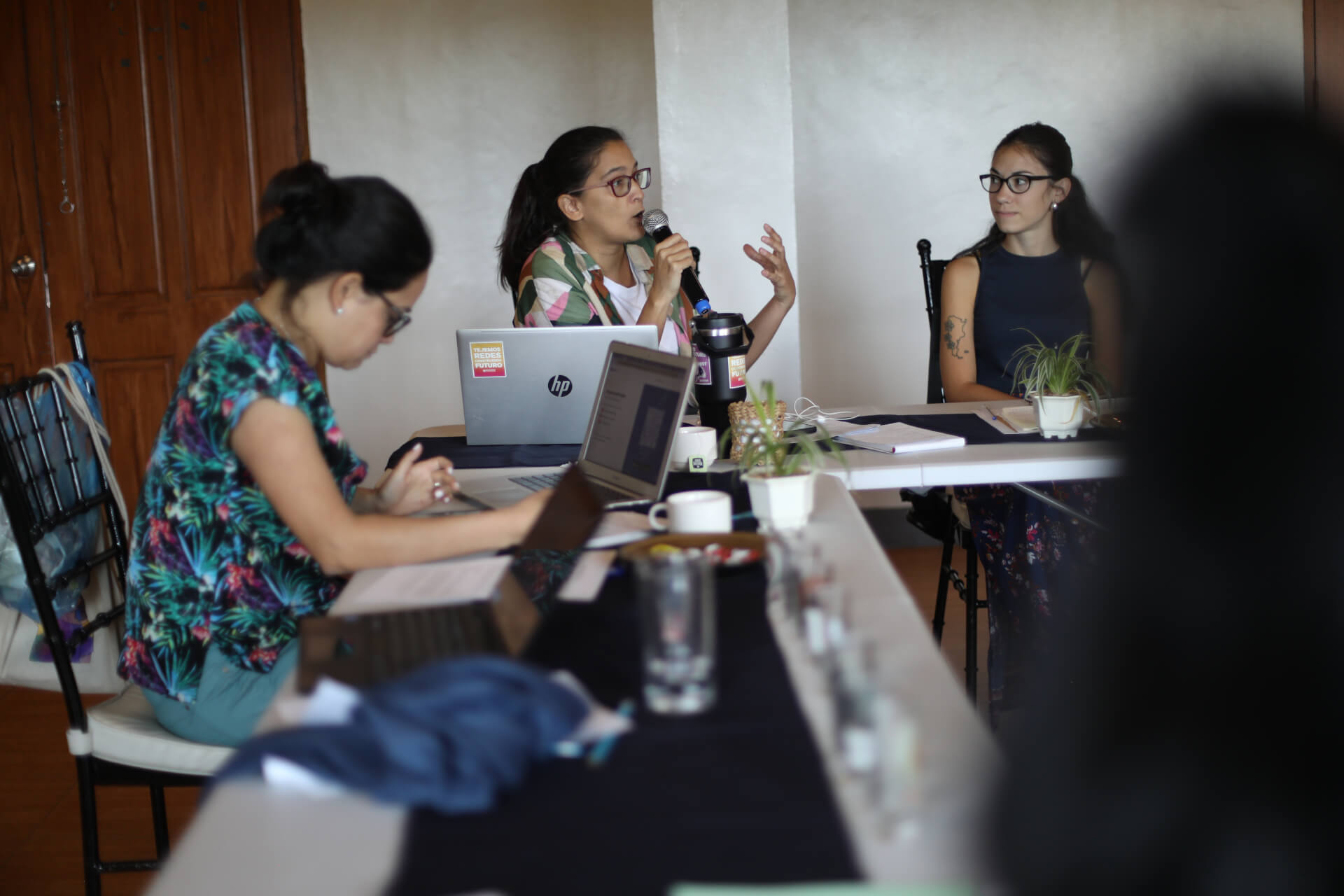
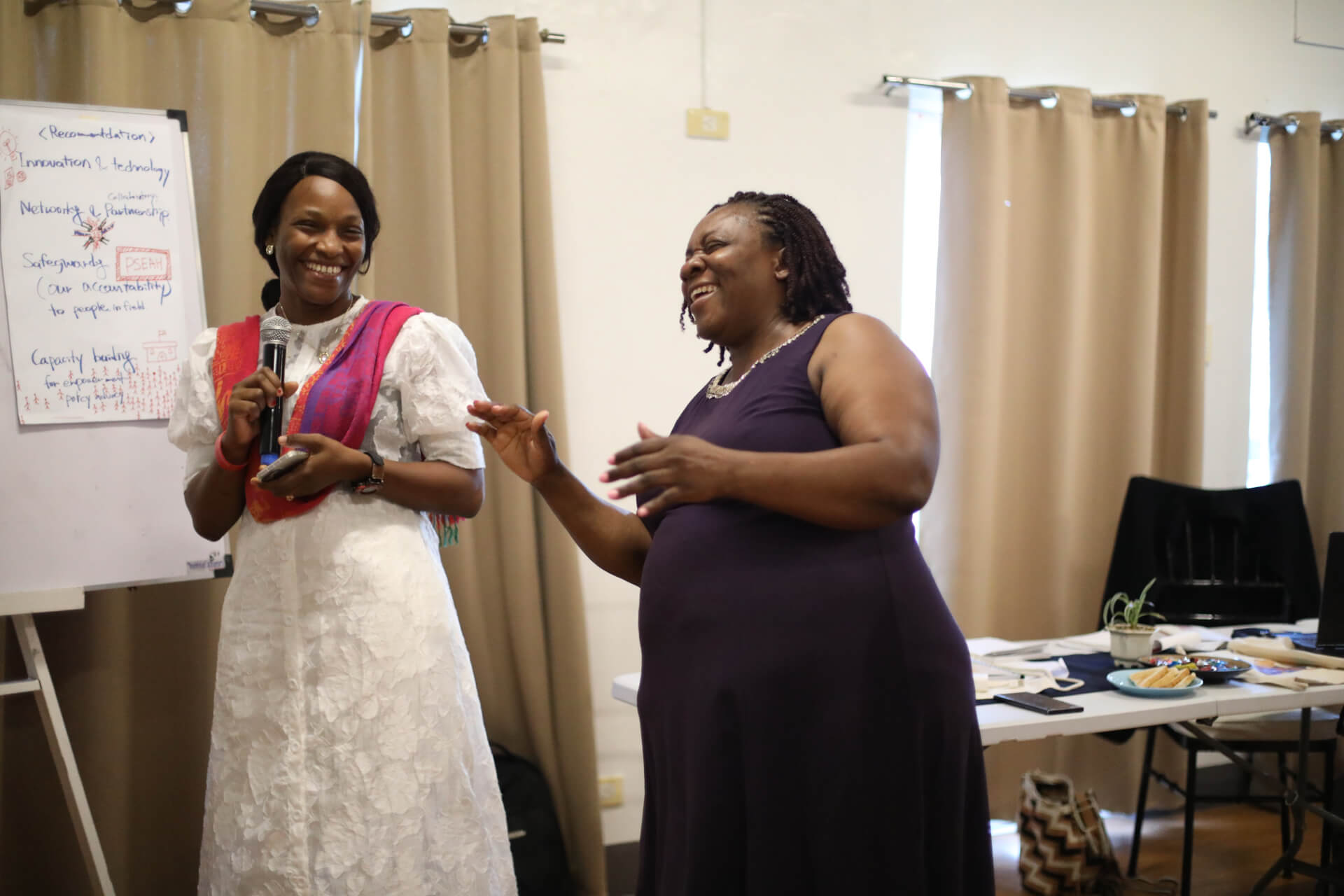
After completing an in-person retreat in Manila, Philippines (March 4–7, 2025), participants of the Forus Leadership Development Program took their learnings home, translating learnings into concrete, transformational actions in their local environments and platforms. Through reflection, strategies and capacity strengthening, each leader showed how transformational leadership can support civil society teams, influence systems, and drive transformational social change. Here’s a glimpse at how these change-makers brought their leadership journeys “back home”.
Marium, Pakistan Development Alliance (PDA, Pakistan) – Leadership through self-development and shared learning
Marium, returning to PDA in Islamabad, focused on both internal reflection and organizational learning. Marium initiated two internal sessions to disseminate her learnings at PDA in an act of inclusive leadership valuing knowledge-sharing and team growth. Deepening her understanding through a leadership book provided by the Leadership Development Program facilitator Nomvula Dlamini and journaling for self-awareness, she cultivated personal insight about where she started and where she would like to be. Starting French lessons to improve global communication is one of those new commitments in her professional development. Mariumshe is now even more committed to connection beyond borders.
Bibbi, Forus (global) – Collective voices for global visibility and impact
Bibbi’s leadership is rooted in advocacy and inclusion. By developing collective campaigns like #MarchWithUs on gender rights and #NoOneLeftBehind, she positioned the Forus network as a platform for all voices. Her reflections on collective memory, safe spaces, and perseverance unveiled a process of transformational leadership built on collaboration, creativity, and systemic impact. A podcast series which will launch in August with leaders from across the civil society sector, will extend these narratives even further, continuing the cycle of shared learning.
Rebekka, Global Focus (Denmark) – Building trust through accessible leadership
Rebekka implemented a more structured and thoughtful approach to onboarding her new team members. Drawing on what she had internalized during the retreat, she introduced a system of individual meetings and weekly check-ins to ensure clarity, trust, and support and rounding of the onboarding process with an individual evaluation meeting after three months giving space to go into depth with wellbeing, cooperation and expectations. The new process has been noted as a best practice within her organisation. Rebekka has also been learning how to balance her leadership authority with approachability and began articulating her core values more explicitly to her team. With guidance and encouragement from colleagues Natalia and Nadou, she continues to shape a leadership identity that prioritizes openness, empathy, and intentional relationship-building.
Mylène and Marcelline, Fédération des Organisations Non Gouvernementales au Togo (FONGTO, Togo) – Merging leadership with organisational values
At FONGTO, leadership transformation began with policy and principle, aligning organisational values with protective policy frameworks. Their focus was the development and validation of a safeguarding policy that affirms FONGTO’s commitment to protecting communities from abuse and neglect. Finalised in May, the policy mirrors values like respect for human dignity, transparency, equity, and responsibility. Marcelline, as the organisation’s board president, led a collective discussion on four key values: engagement, openness, solidarity, and excellence, which are central to FONGTO’s strategic vision for 2026–2030.

Natalia, UNIDOSC (Mexico) – Creating space for women’s collective leadership
Natalia’s “back to home” taskwork centered on strengthening collective leadership and amplifying women’s voices within UNIDOSC. Natalia, turned her attention to strengthening collective leadership by sharing her learning journey with her team. She promoted peer dialogue and women’s leadership by initiating internal meetings to exchange reflections and methodologies from the retreat. Safe spaces were created specifically for women leaders to engage, and the initial reception was strong, indicating a clear demand for such environments. Natalia’s efforts also highlighted the value of cross-regional exchange and the importance of documenting lessons for future replication and as a catalyst for collective capacity sharing.
Jae Eun, Korea NGO Council for Overseas Development Cooperation (KCOC, Republic of Korea) – Advancing human-centered global development
Jae Eun addressed systemic issues by proposing a national shift toward humanitarian values in Korea’s development sector. At KCOC, Jae Eun returned with a macro-level vision shaped by retreat discussions around values-based leadership and global solidarity. Representing a national alliance of over 140 NGOs, she tackled the issue of fragmented aid and nationalistic development agendas. Her proposal featured five key recommendations to reorient Korea’s development policy toward a more humanitarian, cooperative, and values-driven approach. This emphasized climate action, deeper collaboration with civil society, and strategic organisational integration, challenging dominant paradigms and pushing for transformational change that center the dignity and well-being of affected communities.
Corrine, Mauritius Council Of Social Services (MACOSS, Mauritius) – Learning “hands-on” for leadership awareness
Corrine, working with MACOSS, translated her retreat learnings into a practical and interactive workshop on leadership styles. During a weekly management meeting, she facilitated a session that combined theoretical insights with experiential learning, including role-playing different leadership styles and peer feedback. Participants engaged in self-reflection, and Corrine herself noted an increase in her self-awareness and confidence. She emphasized the importance of adapting leadership styles to different contexts and saw ongoing practice and feedback as vital to personal growth: adaptability and self-awareness builds leaders who can flex with context and support others’ development journeys as key aspects of transformational leadership.
Monica, POJOAJU - Asociación de ONG's del Paraguay (POJOAJU, Paraguay) – Collective resistance in the face of shrinking civic space
In Paraguay, Monica led a participatory analysis of a new repressive law, centering the perspectives of women, Indigenous people, and environmental defenders. Specifically, she led a workshop analysing the impact of a new restrictive law, commonly referred to as the “garrote law.” The law establishes the control, transparency and accountability of non-profit organizations”, being excessively broad with ambiguous formulations and giving rise to arbitrary restrictions. The session centered the voices of women, Indigenous peoples, and environmental defenders, which are groups identified as most affected by the shrinking civic space and oppressive environment for civil society organisations. Hybrid formats were used to maximize accessibility and inclusion, and the workshop became a platform for joint legal, communication, and political strategising across Paraguay. Trust-building, collective analysis, and preparation for coordinated advocacy were key outcomes, reflecting transformational leadership that emerges from dialogue, solidarity, and shared resistance and action.
Latifa, Espace Associatif (Morocco) – Developing participatory organisational reform
Latifa of Espace Associatif focused on reforming the national civil society platform’s structure to make it more participatory and dynamic. Inspired by discussions on decentralisation and inclusive leadership at the retreat, she helped establish a new board and expanded membership to include more associations, particularly those led by women or focused on environmental issues. The creation of thematic working groups is now supporting cross-organisational collaboration and learning. Her model is now recognised as replicable and effective and as a clear example of leadership that distributes power and cultivates collective agency.
Milagros, Red Encuentro (Argentina) – Building collective memory
Confronting information gaps within her network, Milagros created a feedback tool to systematise participation. Milagros saw that information from representation spaces wasn’t reaching the rest of the network in a systematic way. To solve this, she led the development of a practical tool —a digital form—to structure how information is shared before, during, and after events. This system now ensures proactive communication and strengthens collective memory, reinforcing a leadership style that prioritises transparency, institutional learning, and participation of diverse groups.
Ndey, the Association of Non-Governmental Organizations in the Gambia (TANGO, The Gambia) – Creating a culture of reflection and innovation
Ndey’s implementation of TANGO’s strategic plan centered on adaptive management, internal capacity strengthening of civil society organisations, and mentoring. She spearheaded the implementation of her organisation's strategic plan, with a focus on empowerment, capacity mapping and actions, and adaptive leadership. Her efforts included work plan reviews, training, and mentoring to identify and support emerging leaders. She highlighted the importance of reflection after each activity, not just for accountability, but as a learning tool. Looking forward, she aims to institutionalise these practices, embedding lessons learned into planning cycles and supporting a culture of innovation within and beyond her civil society platform. Her leadership vision which spans over decades is one of shared learning and continuous evolution.
Discover the profiles of each LDP leaders from Cycle 5 below!

Discover the 5th Cycle of the Leadership Development Program