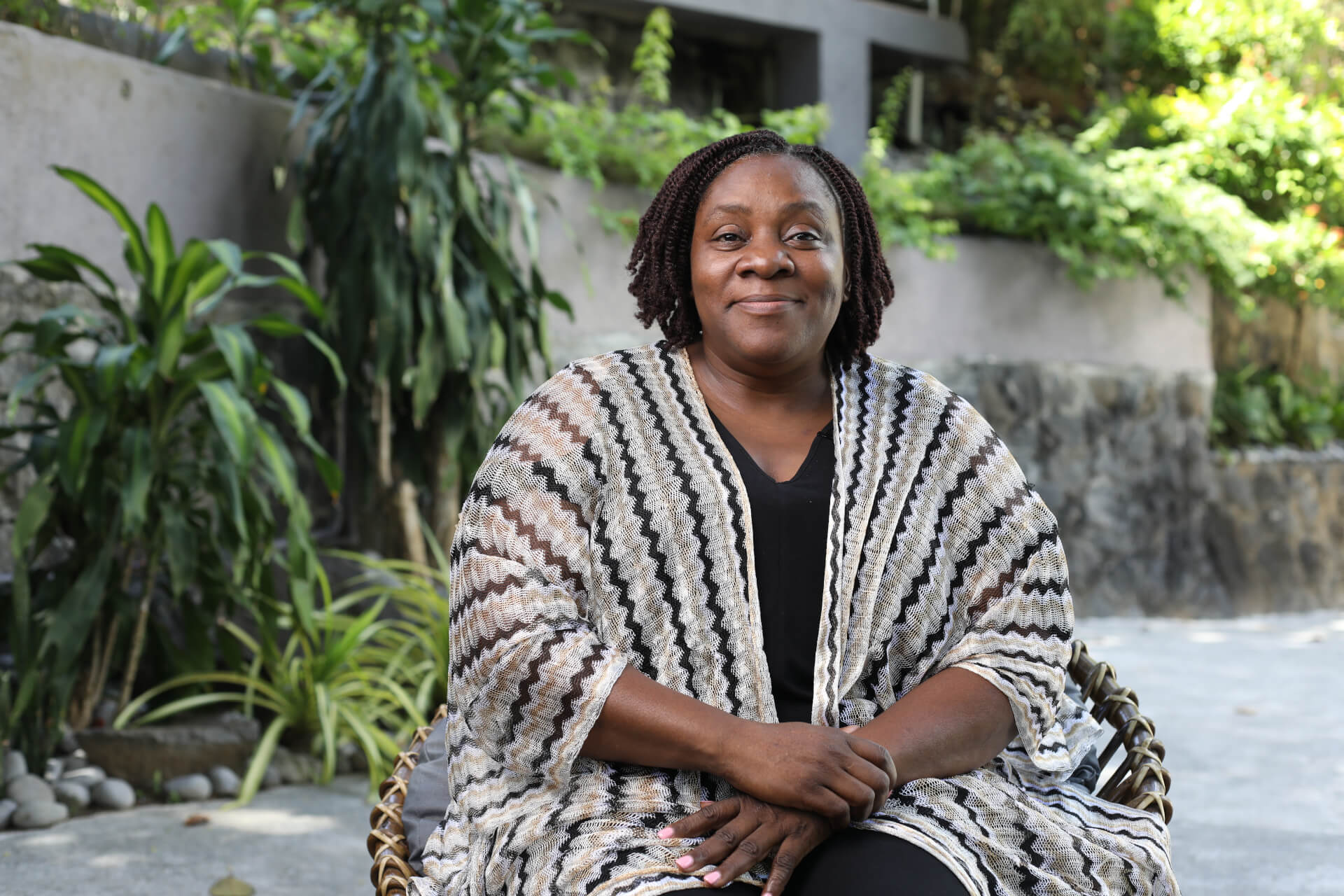
© NGO Forum on ABD
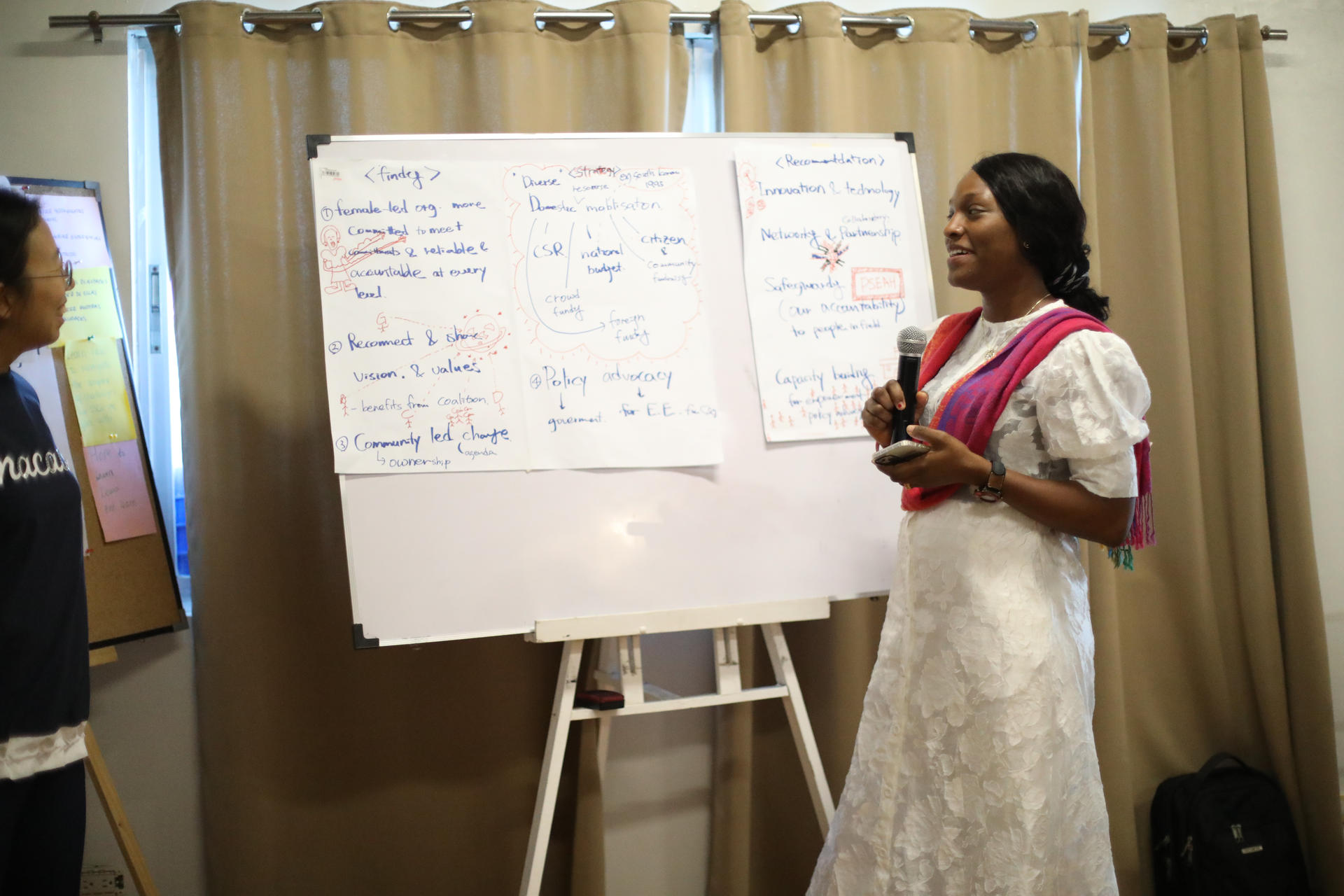
© Forus
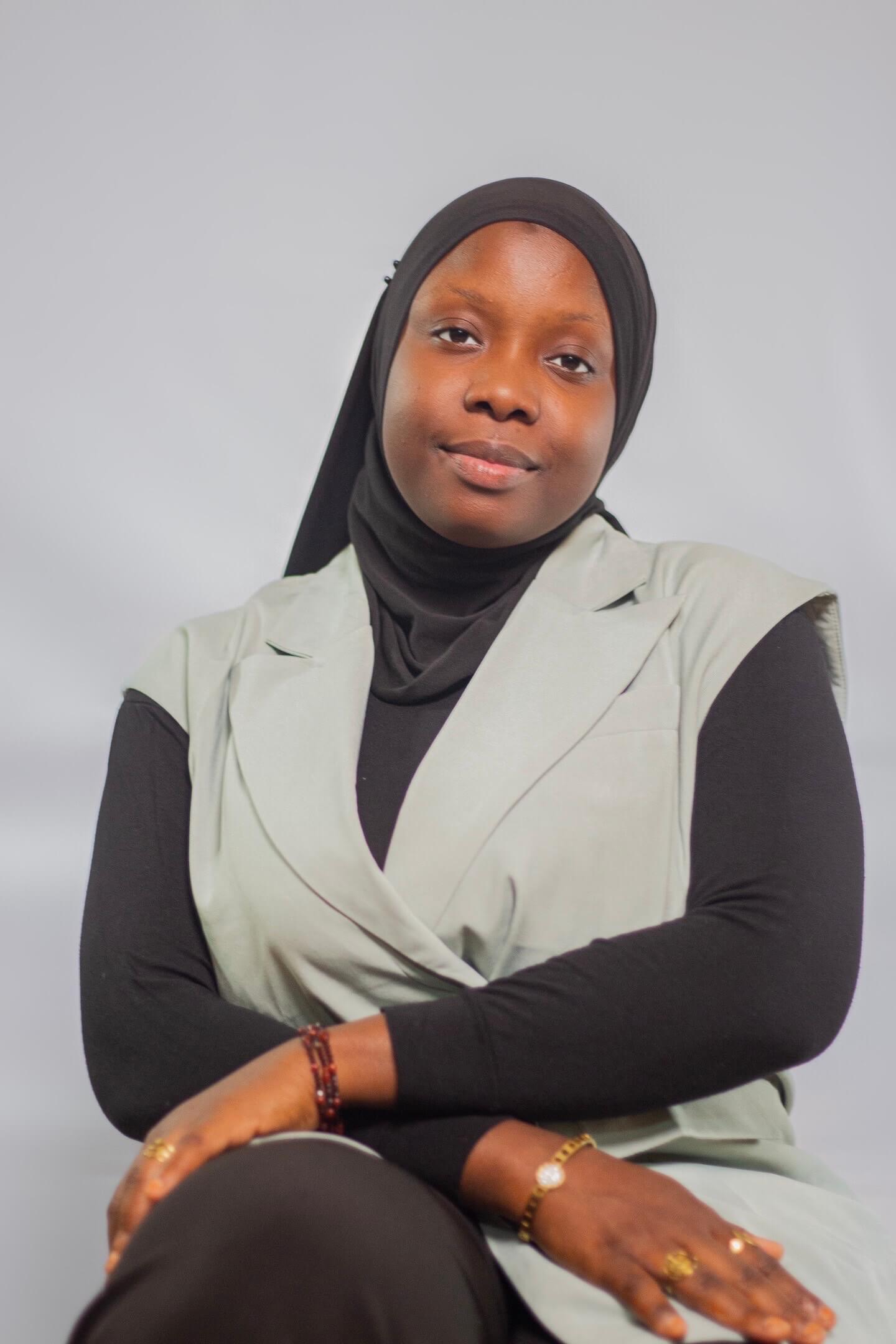
A civil society perspective on turning human rights commitments and women's leadership into lasting change for communities in Togo and across the region. This interview is part of the Forus Journalism Fellowship.
Fri 17 Jul 2026
Mylène Lawson: "It's often in translating, appropriating and following up on recommendations that lasting influence over public policy is built"
— Can you share examples where your action, advocacy or leadership have helped influence a public policy or government decision?
One of the most significant experiences of my career was my involvement in Togo's Universal Periodic Review (UPR) process in 2022. At the end of that review, Togo received 247 recommendations, 194 of which were accepted, covering a wide range of human rights issues. My role was to help analyze these recommendations and make them accessible to civil society organizations, communities and other stakeholders — facilitating their understanding and ownership so they could be used as tools for advocacy, citizen monitoring and dialogue with public authorities. The goal was to make sure the UPR recommendations didn't stay confined to a technical report, but became concrete reference points guiding the work of the different actors engaged in promoting human rights.
Following the UPR process and the awareness-raising efforts carried out by different stakeholders, the Togolese government developed a national action plan for implementing the recommendations, in collaboration with civil society and other partners, and national consultations were organized to strengthen the capacities of those involved in monitoring and evaluating them. That experience taught me that influencing public policy doesn't rest solely on formulating recommendations — it also depends on the ability to make them accessible, understandable and usable by decision-makers, civil society organizations and citizens alike. It's often in that work of translation, ownership and follow-up that lasting influence over public action is actually built.
— In your view, what are the main challenges to strengthening African women's influence and participation in public policymaking today?
In Togo, as in many African contexts, sociocultural norms continue to shape women's participation in decision-making spaces. Despite their education, skills and contributions to development, women remain frequently underrepresented in positions of responsibility and decision-making bodies. There's a saying often repeated in our society — that "a woman's place is in the kitchen, no matter her level of education or economic standing." Even though that kind of talk is generally condemned publicly, certain gender stereotypes persist and still shape behavior and decision-making mechanisms.
Despite legislative progress and efforts toward gender equality, many women continue to face obstacles that limit their access to responsibility and their capacity for influence — in some contexts, decisions concerning women are still made without their effective participation, even on issues that directly affect them. Another major challenge is the lack of information and, at times, training: many women simply don't know enough about the spaces where they could make their voices heard, nor about the mechanisms that would allow them to influence decisions affecting their daily lives.
— What strategies or approaches have proven effective in overcoming these challenges? Do you have concrete examples?
I believe it's essential to keep up awareness-raising efforts on this issue, both at the highest levels of the state and in the most remote communities, to foster genuine collective awareness. It's also necessary to train and inform women at every level, recognizing their fundamental role in education and the transmission of values — women who are already trained need to know more about the spaces where they can speak up and exert influence, along with support to turn that knowledge into concrete action. In my experience, approaches centered on behavior change, rather than solely on hitting indicators, are the ones that produce the most lasting results.
In my work with ADRA Togo (a member of FONGTO), through the IQUALIFE program and, more recently, the PACTE program implemented across six prefectures of the Maritime Region (Avé, Bas-Mono, Lacs, Vo, Yoto and Zio), we use an approach built on Outcome Mapping and Outcome Harvesting. Under this approach, the people we work with — women leaders, community leaders, cooperatives (SCOOPS), duty-bearers (TOM), literacy trainers and literacy groups — are treated as boundary partners, and it's their behavior change, more than classic project indicators, that serves as the real marker of progress. In several of these prefectures, we've supported women who, at first, attended community meetings without ever speaking up. Gradually, they began voicing their concerns, then actively taking part in discussions, and today, some of them engage directly with local authorities on issues related to education, social inclusion and community development.
Through the PACTE program, we track the evolution of women leaders' behavior through different progress markers: first their presence at meetings, then their willingness to speak and participate actively in discussions, and at a more advanced stage, their ability to initiate advocacy actions themselves or take part directly in local decision-making mechanisms. Outcome Harvesting then allows us to trace the thread of that change, to understand not only what shifted but how the program contributed to it. In several localities of the Maritime Region, groups of women supported through IQUALIFE and then PACTE have started dialoguing regularly with local authorities on topics including girls' education, child protection, inheritance rights and access to health services. What really made the difference wasn't the training alone, but the existence of regular, safe spaces for expression — something as simple as a periodic meeting where their voice carries real weight can, over time, transform how women see themselves as legitimate actors in public dialogue.
— What are the main opportunities or enabling factors that could further support women's leadership and influence in political spaces today?
In my view, digital technologies and social media are powerful mobilization tools today — they allow women to share their experiences, raise public awareness and interact directly with decision-makers on issues affecting their communities. Participatory approaches like Outcome Mapping also offer valuable opportunities to highlight women's contributions: they place the focus on behavior change and relationships of influence, allowing progress that's often invisible in traditional systems to be properly recognized.
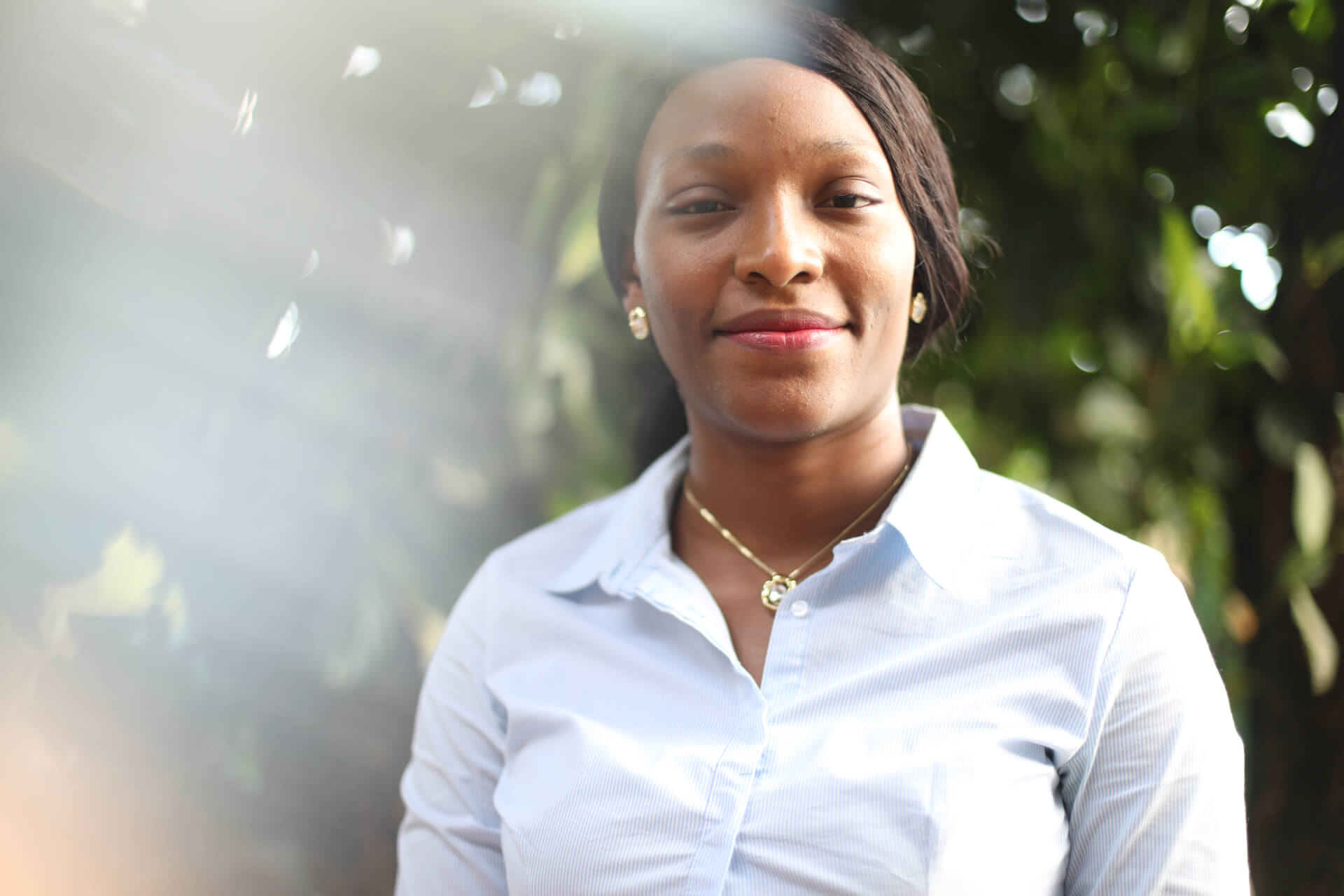
Mylene Lawson is a versatile, motivated professional who has worked in social development for over 12 years as part of the FONGTO team (Togo's National Network of NGOs). Through her work with ADRA Togo on the IQUALIFE and PACTE programs, she has supported women leaders across the Maritime Region in building the skills and spaces needed to participate in and influence local decision-making. Mylene Lawson was part of the Forus Leadership Development Programme in 2025.