© NGO Forum on ABD
(c) Forus


Mon 3 Feb 2025
Navigating Crisis: Building Resilient Communication Strategies for Civil Society
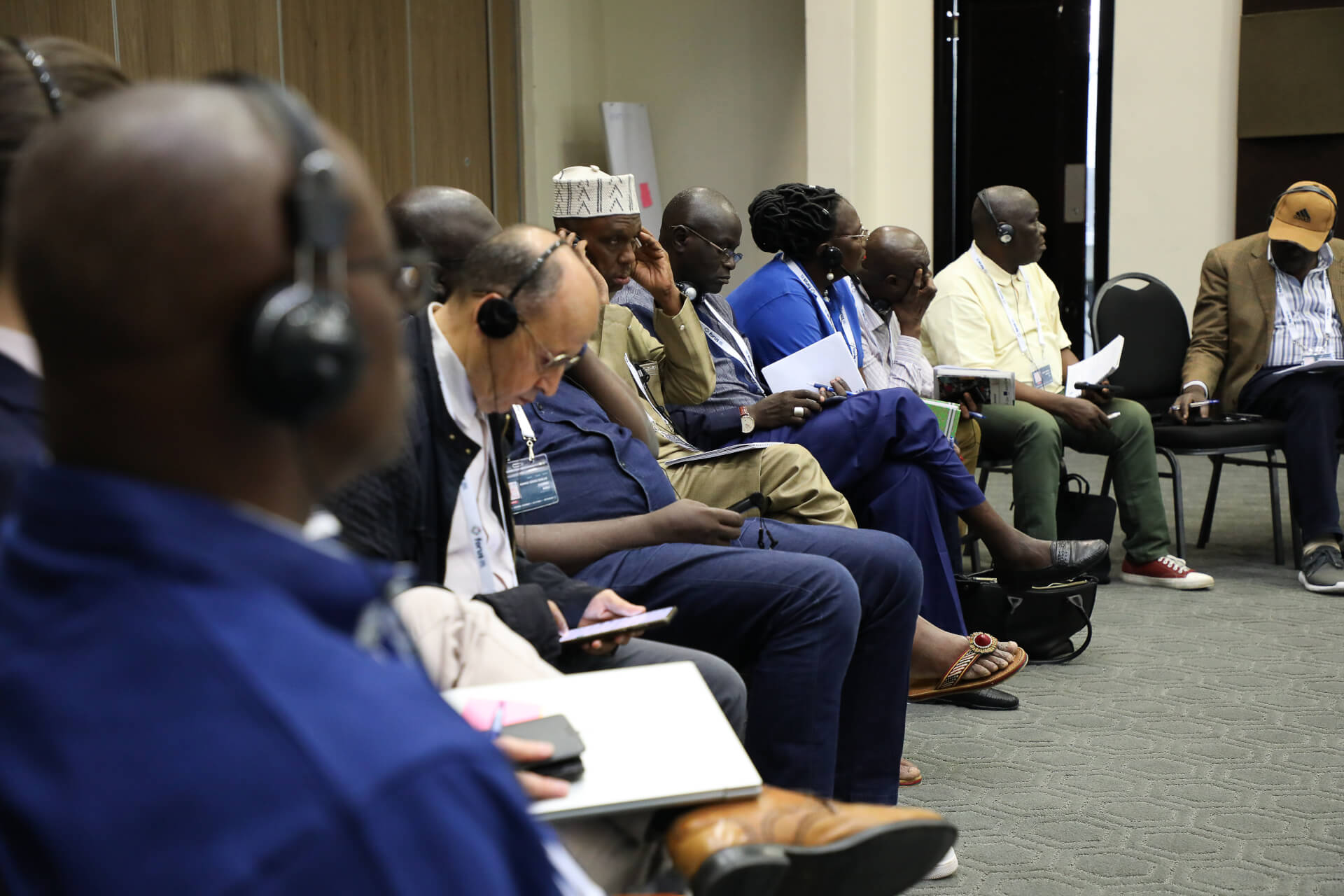
As we are confronted to different degrees of political instability and digital misinformation, crisis communication has become a crucial tool and workflow for civil society organizations. Forus recently organised a workshop to support its members to discuss strategies to prepare for, respond to, and recover from crises that threaten their work.
From regulatory crackdowns to media attacks and reputational risks, the workshop explored how proactive crisis planning can be a game-changer for organizations facing growing or recurring challenges.
The Need for a Crisis Communications Strategy
"A crisis can hit at any moment. The question is not IF it will happen, but WHEN. And when it does, will your organization be ready?" — Clarisse, Forus Communications Unit
Many civil society organizations operate in politically sensitive environments where a crisis—whether it be government restrictions, public backlash, or misinformation campaigns—can significantly impact their mission. The first step to resilience is having a crisis management team in place, with clear roles and responsibilities.
A strong crisis management team can be composed of:
✔ A Crisis Lead – the decision-maker guiding the strategy.
✔ A Communications Lead – responsible for external messaging.
✔ A Legal Advisor – ensuring compliance with laws and policies.
✔ A Spokesperson – representing the organization in media interactions.
✔ A Record Keeper – documenting actions for future learning.
"In times of crisis, clarity is power," said Clarisse. "Without a clear response structure, misinformation spreads, confusion deepens and the damage escalates."
Communications strategies also include effective pre-crisis communication strategies with crisis simulation sessions to refine decision-making under pressure, secure communication protocols for handling sensitive information, and maintaining up-to-date contact lists for swift coordination. Preparedness also involves developing and periodically reviewing crisis communication templates, including press releases and social media responses, as well as conducting risk assessments to anticipate potential threats. Post-crisis, a thorough debrief helps evaluate the response, document lessons learned, and refine future crisis plans to ensure transparency and continous learning.
How Forus Members are Fighting Back
The workshop featured real-life case studies of Forus members that successfully navigated crises through strategic communications. One of them was the Botswana Council of NGOs – Bocongo. Lovey Ramotlhala from Bocongo’s advocacy and communication team shared a powerful example of how strategic advocacy helped overturn a controversial constitutional reform: "Our government wanted to push through a constitutional amendment that ignored the voices of the people. So we took action."
Bocongo's strategy included:
📢 Media mobilization – partnering with journalists to amplify their concerns.
📜 Civic education – ensuring citizens understood their constitutional rights.
🗳️ Lobbying politicians – pushing for accountability in decision-making.
"People had no idea what was happening. We made sure they understood. An informed public is a powerful public," Lovey stressed.
Their communication efforts shifted public opinion and led to the failure of the controversial bill to pass —a major victory for civil society.
Anddy Landacay from Forus member ANC Peru discussed their communication strategies in response to the authoritarian proposal against freedom of association in Peru. ANC has long supported collaboration among its partners and networks, leading to the formation of REDICOM in 2017 and, more recently, a Communications Commission to counter increasing hostility towards NGOs.
The Peruvian government has historically attempted to control NGOs, however, the current situation is more severe, with an increasingly aggressive parliament—holding only a small percentage of public approval according to recent data —leveraging its majority to pass unconstitutional laws that serve private interests. This parliament promotes a conservative, anti-rights agenda and sees NGOs, particularly those focused on human rights, environmental protection, and feminism, as obstacles to its objectives. Consequently, civil society organizations and activists face heightened scrutiny and efforts to restrict their influence.
Key restrictive measures proposed in recent laws include:
- Banning NGOs from contracting with the state, limiting their operational freedom.
- Allowing Congress to be part of the APCI Steering Committee, increasing political control.
- Violating NGOs' right to tax confidentiality.
- Imposing sanctions on both registered and unregistered civil society organizations.
- Restricting their activities by introducing new penalties and infractions.
Facing a parliament pushing unconstitutional laws, ANC highlights how civil society organizations are unfairly targeted. Their initial response involved media statements, videos showcasing NGOs' positive impact, and graphic materials explaining the law’s implications.
However, recognizing the entrenched anti-NGO narrative, ANC shifted its strategy to emphasize how authoritarian forces aim to silence civil society and restrict public and civic participation – everyone is affected.
“We decided to rethink our approach in collaboration with different NGO and association communicators. Our goal is to inform citizens about these laws, as people are unlikely to engage with issues they do not understand. Additionally, we aim to motivate the public to take ownership of the message and share it widely,” said Anddy.
"We don't talk about anti-NGO laws, we now talk about fundamental freedoms and liberties, with themes that raise awareness among people – as this affects everyone."
Their current approach in this crisis links communication efforts to trending social media topics and real-time events, aiming to engage citizens and build resistance against restrictive policies.
Social Media & Crisis Management: Adapting to a Changing Landscape
In today’s digital world, social media platforms can be both an ally and a battleground for civil society. Daniela Alvarado Rincon from Democracy Reporting International highlighted the growing challenges organizations face due to shifting social media policies.
"Platforms like Facebook, X (Twitter), and Instagram are changing their rules. Content moderation is evolving, and civil society must adapt to ensure their voices aren’t silenced."
The workshop provided key takeaways for CSOs navigating crises and shift on digital platforms:
📌 Monitor platform changes and update communications strategies accordingly.
📌 Diversify communication channels to avoid reliance on a single platform.
📌 Develop pre-approved messaging to respond quickly to misinformation.
As featured in the Social_Media_Report_shared by Daniela, “open source platforms enable tailored experiences and a more participatory culture. Decentralization can facilitate interoperability and account portability, alternative social media relies on community-centered governance models that gives users more control and decision making power than mainstream options.”
How Can Civil Society Prepare for Crisis?
- Do no harm – always involve those directly involved and ensure consent and collaboration
- Run crisis simulations – Like firefighters train for emergencies, CSOs should practice crisis response annually.
- Maintain updated contact lists - Knowing who to call in a crisis saves crucial time.
- Pre-write templates for press releases and social media statements.
- Regularly assess risks – Identify potential threats before they escalate.
- Invest in civic educations
Additional readings:
Find the presentation of the workshop here – with more details on Forus’ ongoing campaigns, Bocongo’s work, Democracy Reporting International’s work and ANC’s political impact in Peru