© NGO Forum on ABD
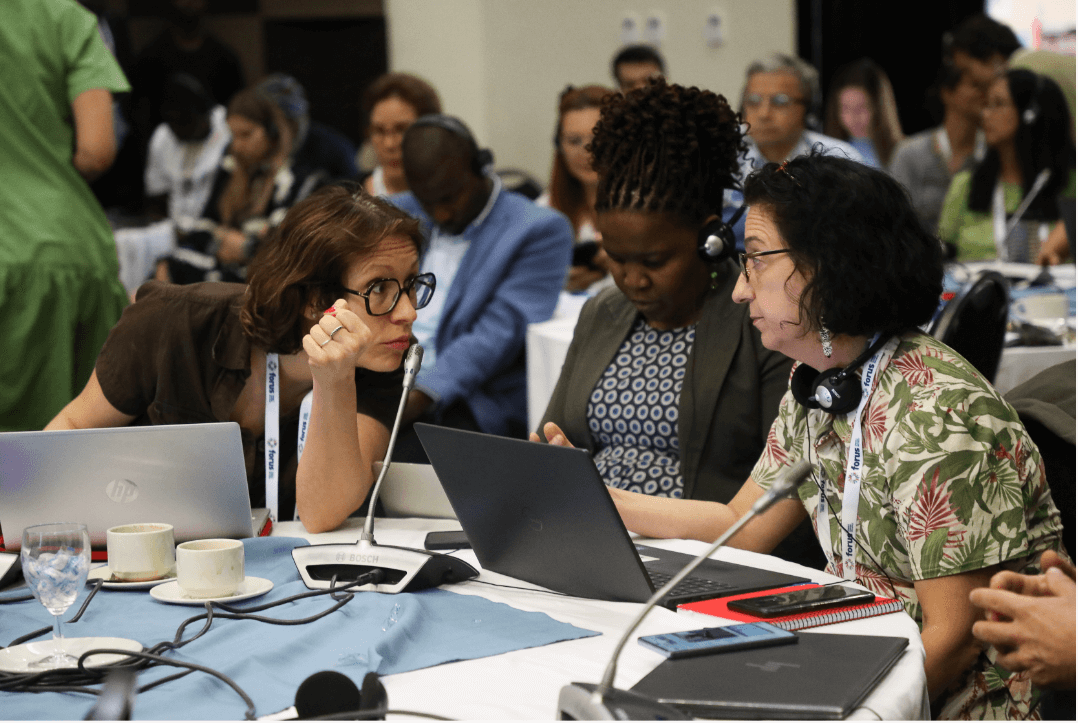
(c) Forus







Thu 20 Feb 2025
Post-elections, digital shifts and funding freezes: how can civil society react?
The current global landscape for civil society organisations is rapidly changing, with increasing restrictions on civic space, funding challenges, digital challenges and political crackdowns. 2024 was a historic "super year" for elections, with more than half of the world’s population voting in national elections. Over 70 elections worldwide, affecting nearly 2 billion voters. The political dynamics emerging from these elections are already reshaping civic space and democratic governance. These include new leaderships in the U.S., Indonesia, Pakistan, the UK, coupled with weakened ruling parties in the EU, France, India, Japan, South Africa and others. We have also witnessed disputed elections in 15% of cases – where opposition parties rejected results. Several countries have seen post-election violence in 20% of elections, with civilian casualties. This has also resulted in geopolitical realignments, a rise of repressive leaders and shrinking civic space together with new digital threats: AI-driven disinformation and election interference have intensified. Governments have also increased their use of surveillance technology to monitor and repress activists.
These shifts are being felt across regions, and CSOs are facing unprecedented pressure to adapt. Global civil society faces increasing challenges as the U.S. and EU scale back support. USAID funding is largely frozen, and its move under State Department supervision creates uncertainty. The U.S. withdrawal from key international bodies and the reinstated Global Gag Rule further restrict aid, while misinformation campaigns fuel crackdowns on CSOs. In the EU, budget cuts, restructuring, and a shift toward trade and security reduce funding and direct engagement with civil society. Governments worldwide impose stricter foreign agent laws, criminalise advocacy, and use cybersecurity laws to suppress activism. spaces.In particular, the impact of cuts to international funding, particularly through USAID, has caused significant disruption for CSOs worldwide. A number of organisations part of the Forus network, have issued statements in response to these funding reductions, including Interaction in the US, Globalt Fokus in Denmark, Bond in the UK, Cooperation Canada, Dochas in Ireland, La Coordinadora in Spain, NFN in Nepal, the Council for International Development in New Zealand and others.
The current crisis in the sector is due to a changing donor environment. As funds dry up, many organisations are being forced to rethink their funding models and seek new sources of long-term financial sustainability. In light of these challenges, CSOs are also reevaluating their advocacy approaches. At Forus, we are launching the LNOB campaign to showcase the incredible work that CSOs are doing worldwide. Additionally, we have developed the Solidarity Compendium to share practical tips and strategies for navigating shrinking civic space. Through the EU SEE program, we are exploring effective "fight back & protect" solutions to support CSOs—such as identifying legal language that balances institutional acceptance with government regulatory requirements.
As these challenges continue to evolve, the Forus network is providing space for conversations on how to navigate these global changes and how to adapt advocacy strategies for the future. We will we will leverage the upcmoing Forus Strategy Review process to reflect on current changes in the global cooperation/ aid landscape, how it will impact CSOs, and to review our priorities and strategic plans to better respond to needs, challenges and priorities.
A significant initiative within this broader conversation is the EU SEE project, which just launched at the end of January. This project, a joint effort between national and global organisations aims to improve the capacity of CSOs to respond to deteriorating or improving enabling environments in 86 countries and beyond. One of the key tools in this project is the Early Warning Mechanism, which documents real-time data on changes that could impact the ability of CSOs to operate. Through this mechanism, civil society actors can better detect and respond to emerging threats and opportunities, ultimately allowing them to take strategic actions in their advocacy.
The EU SEE initiative, has also started to produce country snapshots that provide detailed insights into the enabling environments for CSOs in different regions. These snapshots focus on the impact of restrictive policies, legal barriers, digital transformations, and funding constraints, but also the opportunities for civil society. In response to the US funding freeze, the EU SEE Consortium has also launched a survey to assess and to gather data on how the freeze is affecting organisations and communities, identifying emerging risks to the enabling environment, and supporting advocacy efforts.
Forus has also launched a new campaign to showcase all the impactful work CSOs are doing worldwide are doing to leave no one behind around the world.
Discover how to join the We are leaving no one behind, are you? campaign!