© NGO Forum on ABD
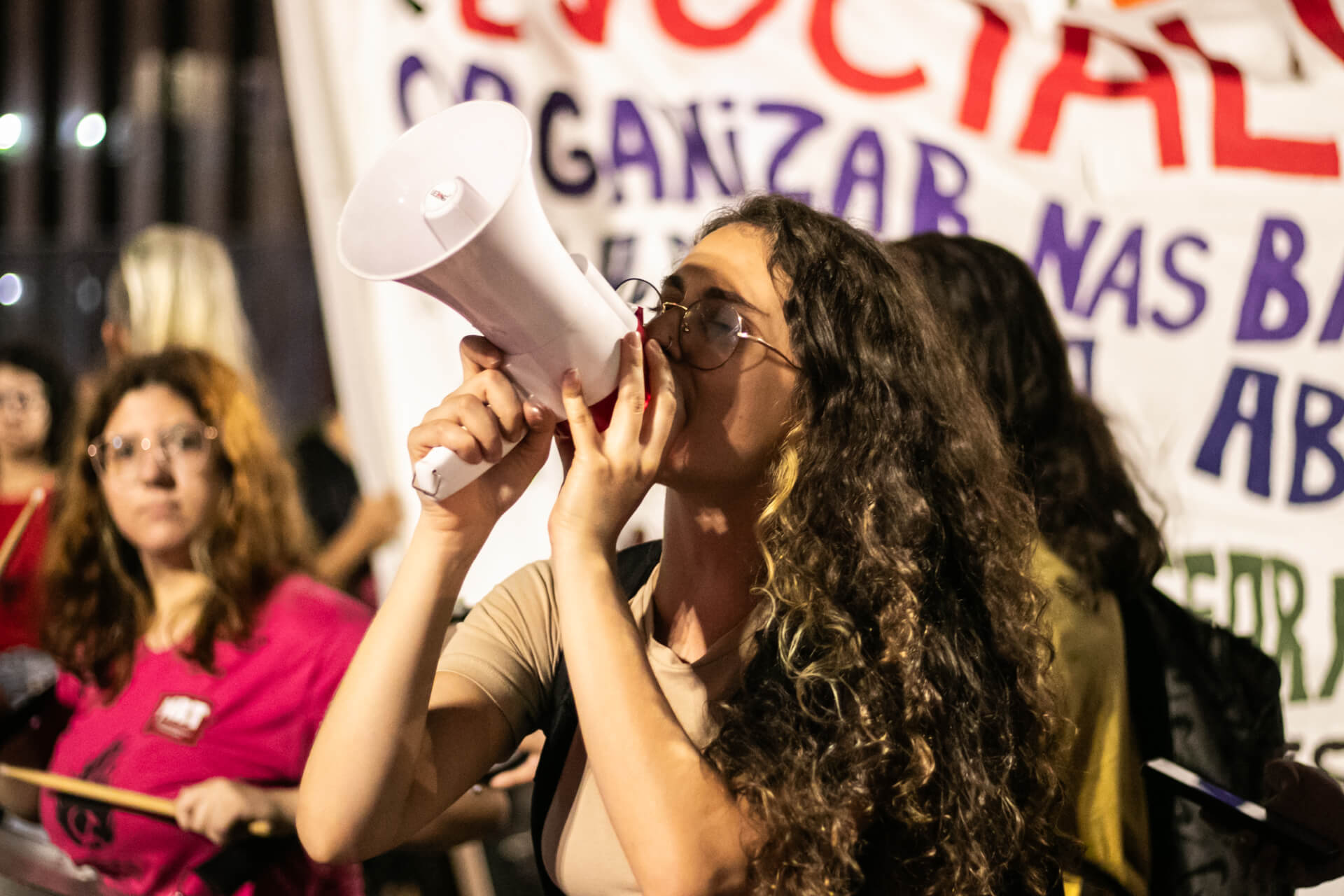
Junior Lima, Midia Ninja, women's protest in Brazil.
Thu 23 Jan 2025
“Reclaiming digital spaces for civil society” - Highlights from our workshop on Internet Censorship
Forus hosted a dynamic workshop on Internet Censorship Training, bringing together over 50 activists, civil society organizations and digital rights advocates to tackle one of today’s most urgent challenges – growing internet censorship around the globe.
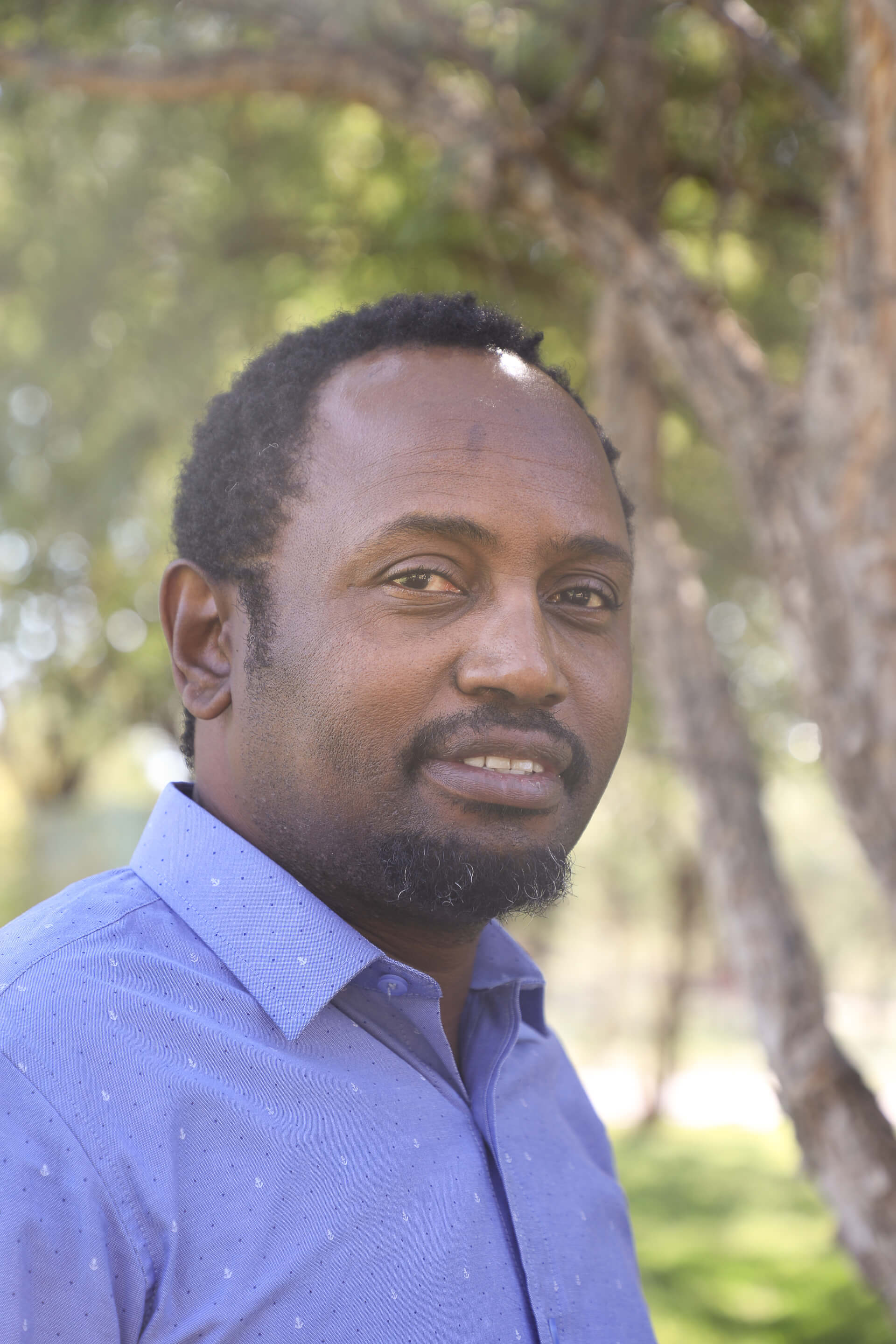
Kenneth Msiska, Project Coordinator for Digital Governance at Forus kicked off the workshop highlighting the need to address internet censorship, describing it as a “global threat to free expression and democracy.” He highlighted how censorship undermines the ability to advocate effectively – especially when it comes to communities that have been historically marginalized.
Michaela Shapiro, Program Officer at Article 19 remarked, “Internet censorship is not just about blocking websites; it’s about silencing voices and controlling narratives. This workshop is a step towards reclaiming digital spaces for civil society.”
Insights from OONI: Tools and tactics to monitor censorship
Elizaveta Yachmeneva, Community Coordinator at the Open Observatory of Network Interference (OONI) carried out an in-depth presentation to support civil society in detecting and reacting to internet censorship. Some key takeaways included:
- Types of Internet Censorship: “Governments and corporations use methods like blocking websites, throttling internet speeds and manipulating search engine results to restrict access to information,” explained Elizaveta.
- Supporting CSOs with tools: OONI’s free and open-source tools, such as the OONI Probe, were highlighted as essential resources for detecting network interference. “These tools allow activists to collect evidence of censorship, empowering them to advocate for transparency and accountability,” Elizaveta explained.
- Regional Challenges: Elizaveta pointed out that, “In regions like Africa and Asia, linguistic diversity and limited digital literacy compound the impact of censorship. Localized disinformation campaigns and inadequate investment in content moderation further exacerbate these challenges.”
Spotlighting on digital repressions
Throughout the session, speakers and attendees highlighted recurring forms of digital repression affecting civil society organizations:
- Harassment of Activists: Governments targeting online dissenters.
- Disinformation Campaigns: False narratives undermining the credibility of CSOs.
- Internet Shutdowns: Frequently deployed during protests to stifle dissent.
- Surveillance: State monitoring of digital communications to intimidate activists.
- Arbitrary Content Bans: Advocacy posts flagged or removed without transparency.
Sofia Martinez, a youth advocate from Argentina, remarked, “This training has opened my eyes to the tools available to fight censorship. OONI’s resources are a game-changer for advocacy.”
Amadou Diallo from Senegal, highlighted the value of collaboration: “By coming together as a global network, we’re building resilience against these digital threats.”
Kenneth Msiska ended the workshop by emphasizing the need for urgent collective action: “The fight against censorship is a collective one. Together, we can build a digital future that’s open, equitable and safe for all.”
Stay Connected:
- Explore Forus’ ongoing campaigns and projects.
- Find out more about Forus activities on the CADE project here
- Visit the OONI website for resources on network interference detection.
- Visit the Article 19 website to explore their work supporting people everywhere to freely express themselves and actively engage in public life without fear of discrimination.
- Report internet shutdowns using AccessNow’s #Keepiton coalition tools
- Join our upcoming Crisis Communication Workshops: Supporting members in exploring alternative communications platforms and reacting to crisis situations. You can register for the upcoming crisis communications workshop here
- EU SEE Project: Launched in January 2025, this initiative promotes digital rights while addressing censorship and surveillance.
- CADE Project: Co-funded by the European Union, this project focuses on improving CSO participation in internet governance spaces. A forthcoming report will provide actionable recommendations ahead of the Internet Governance Forum (IGF) in Norway this June.
- #Let’sTalkDigital Campaign: Amplifying civil society voices on issues like internet access, content moderation and governance.
- Digital Futures Podcast: Providing a platform for in-depth discussions on navigating the digital age.