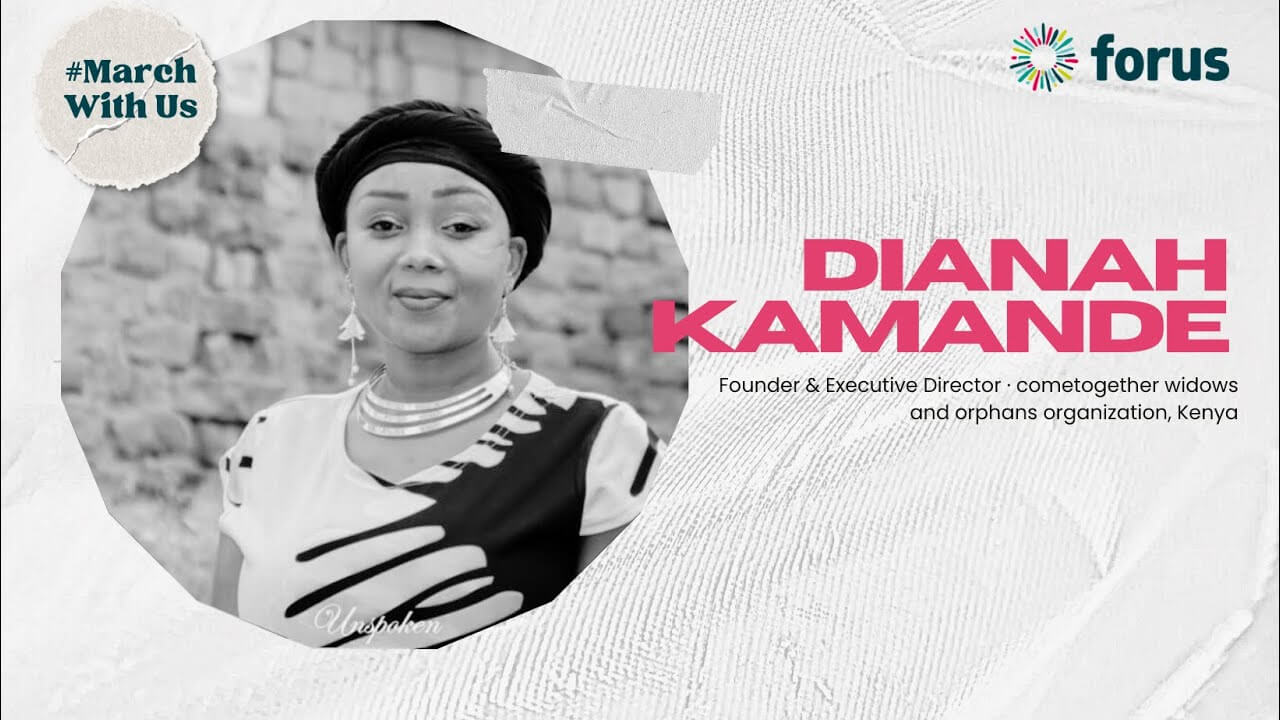
© NGO Forum on ABD
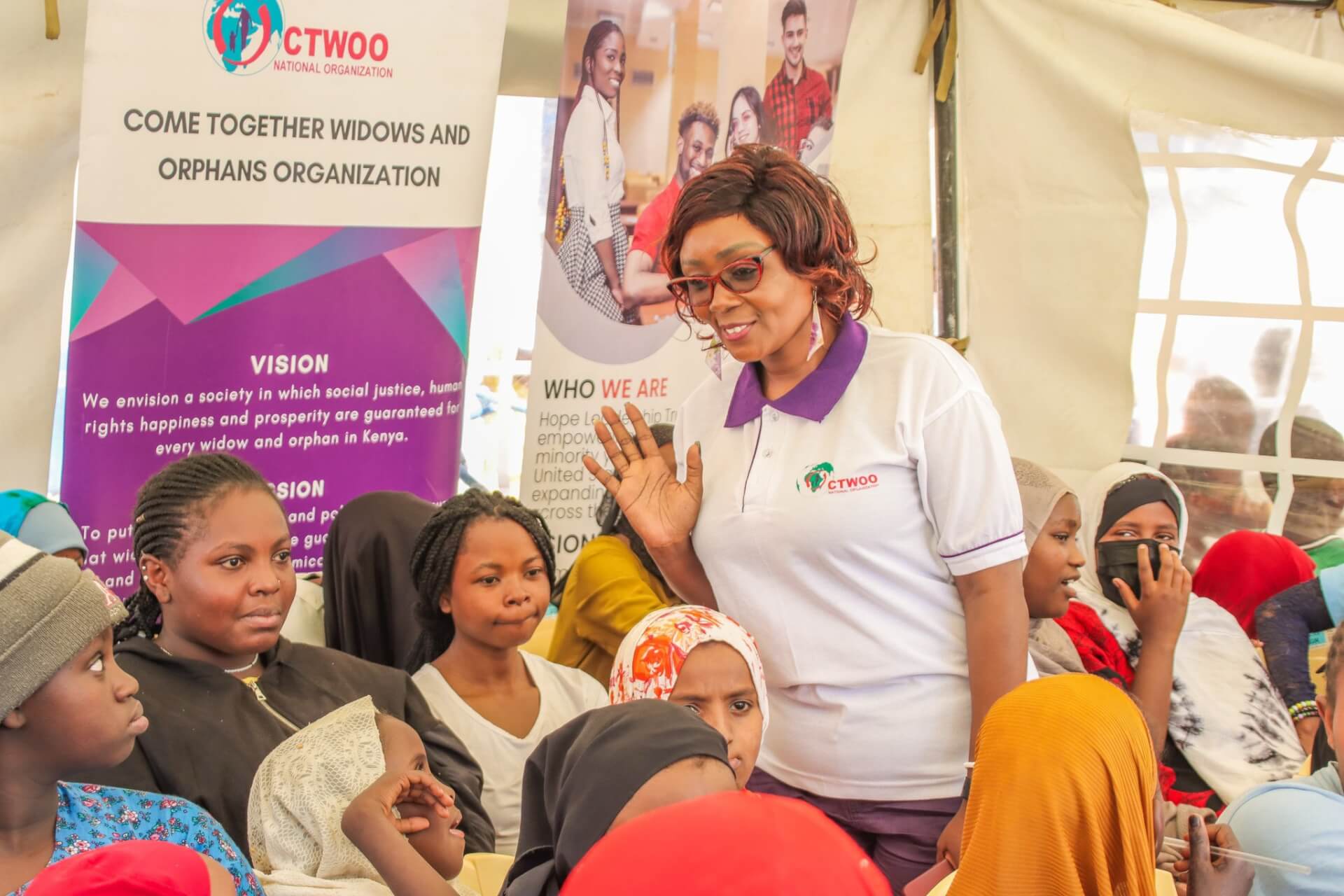
© Dianah Kamande
Tue 25 Mar 2025
Reclaiming Power: Dianah Kamande’s Inspiring Journey from Survivor to Advocate for Justice
The fight for justice, equality and dignity often begins in the most personal spaces of pain. Dianah Kamande’s story—one of unimaginable hardship, resilience and triumph—stands as a testament to the transformative power of courage and advocacy. As part of the March with Us campaign, her narrative not only inspires but calls for urgent action to reimagine the patriarchal systems that fail so many daily.
From Tragedy to Triumph
Dianah’s life took a harrowing turn in 2013 when domestic violence shattered the illusion of her marriage. For ten years, what appeared to be a perfect union masked the control and abuse inflicted by her husband. A violent attack on her life left her with 21 cuts, severe injuries requiring multiple surgeries and almost incurable emotional scars. “I normalized abuse,” Dianah recalled. “For me, I kept telling myself my husband loved me, even though I had to report every move I made. It was like living with a next-move rule.”
Her survival was nothing short of a miracle. However, the trauma extended beyond physical wounds: she was disinherited, ostracized and even accused of murdering her husband for personal gain. “My in-laws washed my house clean,” she recounted. “They took everything, including my children’s clothes, and left a broom in the bathroom. They said I killed their son so I could remarry.”
Rather than succumbing to despair, Dianah chose to rise. “I asked myself: where do women like me go?” she said. “I wanted to give women like me—widows, survivors of gender-based violence—a platform to articulate their issues.” She transformed her pain into purpose, founding the Come Together Widows and Orphans Organization in Kenya. Her vision was clear: to create a society where widows, orphans, and survivors of gender-based violence could reclaim their dignity and rights.
A Mission of Advocacy and Change
Dianah’s organization operates with a profound mission: to ensure social justice, human rights, and economic empowerment for widows and orphans. This vision is implemented through:
Policy Advocacy: Pushing for legislative reforms to protect widows from harmful practices such as widow inheritance and unprotected sexual “cleansing.” Dianah drafted a widow’s policy but struggles with the resources needed to bring it to fruition. “Advocacy needs resources,” she emphasized. “Laws are made in parliament, but as a CSO, when you don’t have funding, progress is slow.”
Community Engagement: Partnering with local leaders, faith-based organizations, and educators to dismantle harmful cultural practices and spread awareness about human rights. “We work with the gatekeepers of culture,” Dianah shared. “These are the elders, faith leaders, and teachers who can influence change.”
Education and Empowerment: Mentorship programs for girls, paralegal training for widows and alternative rites of passage for communities practicing female genital mutilation. “When girls are equipped with the right tools, they can break cycles of violence and oppression,” Dianah explained.
Economic Empowerment: CTWOO ensures widows can achieve financial independence through skills training and partnerships with stakeholders. “We want them to live holistic, fulfilled lives,” Dianah said. “Prosperity is part of their right.”
Breaking the Silence on Widowhood
Widowhood, as Dianah emphasizes, is neither a choice nor a career. “It finds you anywhere, anyhow,” she stated. “Most married men and women are candidates for widowhood, yet society treats widows as if they are to blame for their status.”
In Kenya alone, there are over four million widows, many of whom face dual discrimination due to their gender and marital status. “Widows are women first,” Dianah says, “but they are also doubly marginalized.”
Through her advocacy, Dianah has sparked important conversations on the rights of widows. “The Maputo Protocol recognizes that widows have the right to remarry the person of their choice,” Dianah noted. “But in practice, they are dictated to and ostracized. This must change.”
The Role of Education and Collaboration
Dianah’s work underscores the transformative power of education. By training young girls and engaging community gatekeepers, she’s challenging entrenched norms. Alternative rites of passage and mentorship programs equip young women with the tools to break cycles of violence and oppression. Similarly, paralegal training for widows empowers them to navigate legal systems and claim their rights. “Education helps people see beyond their cultural norms,” she explained. “When you show them the impact of harmful practices, they begin to embrace alternatives.”
Her initiatives also include distributing essential supplies like sanitary towels and mentoring girls. “Some girls don’t even have underwear,” she said. “We ensure they are not just educated but equipped for dignity.”
Dianah also recognizes the importance of collective action. She invites global organizations, volunteers, and students to collaborate, emphasizing that societal change is a shared responsibility. “If we don’t change our society now,” she warns, “when will we?”
A Call to Action
The March with Us campaign’s theme of “Reimagining Power” aligns with Dianah’s vision. Her journey compels us to act. As activists and civil society leaders, we must:
- Advocate for the allocation of resources to grassroots organizations.
- Support policies that protect vulnerable groups and eliminate harmful cultural practices.
- Amplify the voices of survivors and activists to inspire systemic change.
Click here for the full podcast episode with Dianah.