© NGO Forum on ABD
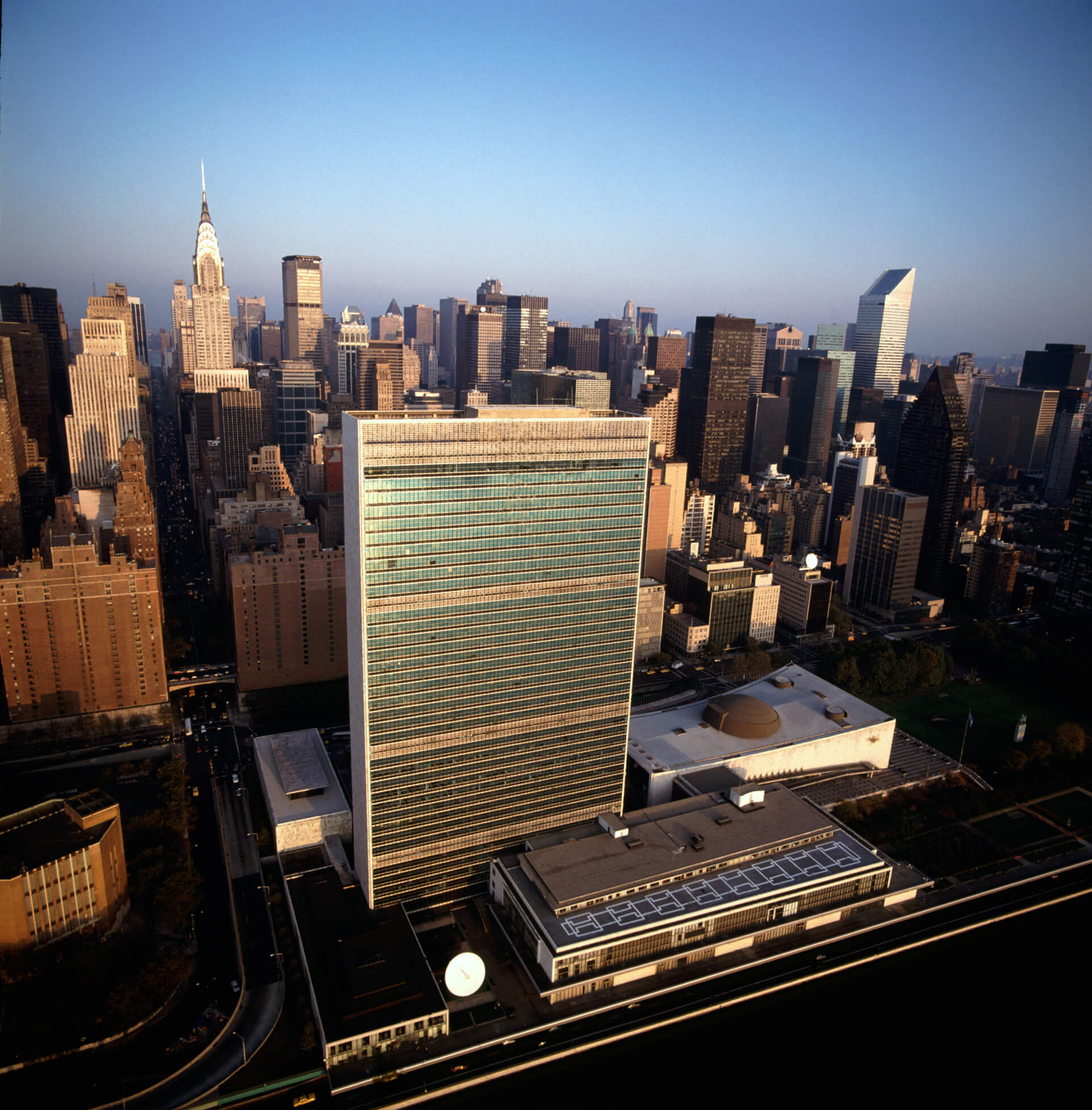
© Arial view of UN HQ - UN - Andrea Brizzi.
Tue 15 Apr 2025
Reimagining Power: The Fight for a Feminist UN Leader
For 80 years, leadership at the United Nations has remained in the hands of men. Not a single woman has ever held the highest office of Secretary-General—a role that influences the lives of the world’s 8 billion people. But a movement is rising to change that.
The 1 for 8 Billion campaign, spearheaded by activists like Ben Donaldson and Enyseh Teimory, is demanding a fair, open and transparent process for appointing the next UN Secretary-General in 2026. At the heart of this campaign lies a bold and urgent question: Isn’t it time for a woman to lead?
“A Fair Process Leads to a Powerful Leader”
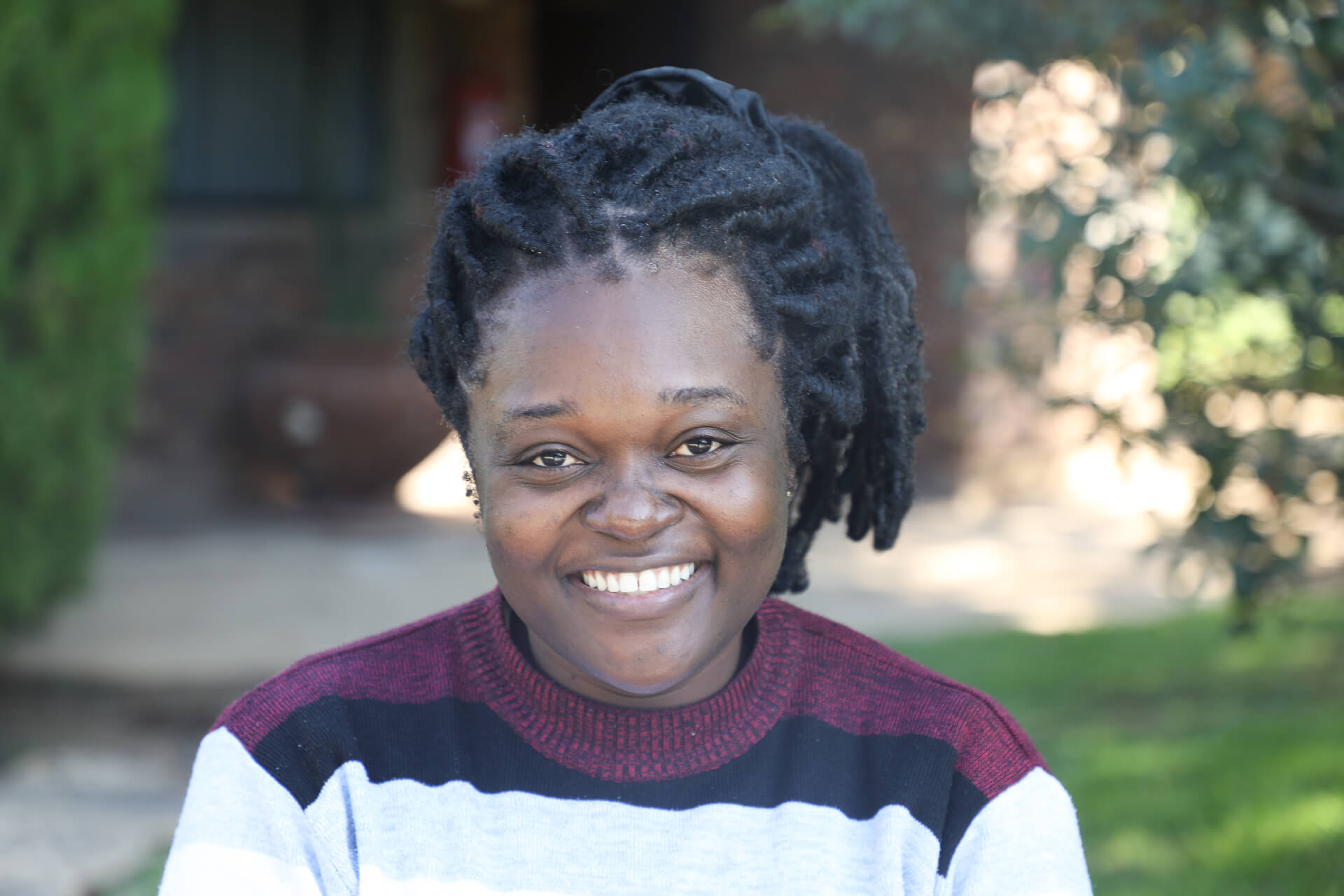
Ben Donaldson, Coordinator of the campaign in an interview with Clarisse Sih of the global civil society network Forus, says its importance cannot be over-emphasized: “A fair process leads to a leader who is more legitimate, has more credibility, and can squeeze every last bit of power from the UN system to drive forward the work on climate change, inequality, and global peace.”
Donaldson emphasizes that strong leadership at the UN is more critical than ever:
“Geopolitics is back in a huge way. We need someone trusted, an honest broker, who can mediate between nations. We can’t afford anything less than a transformative leader.”
The Time for a Woman Leader is Now
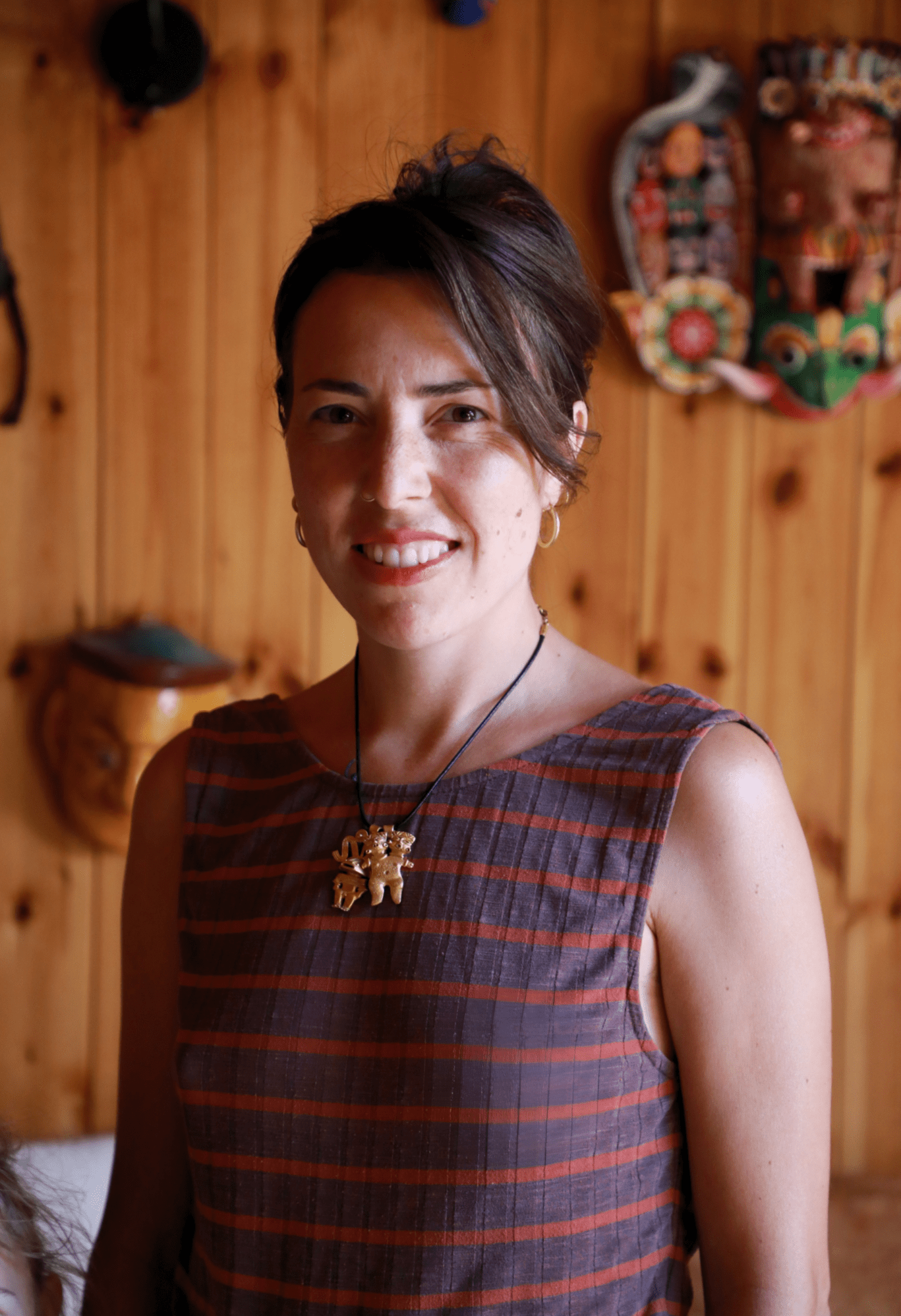
The campaign is clear in its stance: the next UN Secretary-General should be a woman. As Enyseh Teimory, Head of Policy at 1 for 8 Billion passionately states:
“Eighty years of an unbroken male monopoly must end. The UN sets the standards for the world—it cannot lead us toward gender equality if it doesn’t fix its own leadership.”
It’s not just about fairness; it’s about effectiveness. Women in leadership have been shown to bring stronger peace-building efforts, greater inclusivity, and better organizational governance. Yet, UN leadership remains male-dominated.
“We cannot miss this transformative opportunity,” Teimory insists. “This is a moral imperative.”
Challenging Systemic Barriers
The 1 for 8 Billion campaign isn’t just about electing a woman; it’s about fixing a flawed system. The UN’s appointment process has long been dominated by a handful of powerful nations, with backroom deals deciding leadership roles.
“You can look at the UN’s top leadership and see the patterns,” says Donaldson. “Political jobs tend to go to Americans, peacekeeping to the French, counterterrorism to the Russians. This isn’t fair representation.”
That’s why the campaign is pushing for key reforms, including an end to secret deals to ensure transparency in appointments, a shortlist of women candidates rather than a single predetermined nominee, and public hearings where candidates must answer tough questions. “The UN needs to work with the public, with civil society, with real people,” Donaldson stresses. “That’s how we reimagine power.”
The campaign is pushing people to raise awareness by sharing this cause on social media and demanding transparency from UN representatives, advocate for women leaders by urging government to nominate and support qualified women candidates and raising our voices for a more inclusive and accountable UN.
“There’s no shortage of incredible women leaders,” says Teimory. “It’s time for one of them to lead the UN.”
As Ben Donaldson puts it:
“The UN leader should not serve the most powerful nations, but the people of the world. That’s where legitimacy and true power come from.”
Listen to the podcast episode featuring the 1 for 8 Billion campaign here.