


Fri 9 Aug 2024
The CADE Global Digital Compact (GDC) Webinar On Digital Policy Processes
The Civil Society Alliance for Digital Empowerment (CADE), co-financed project by the EU, recently organised a webinar to talk about the Global Digital Compact (GDC) and how civil society can be efficiently involved in digital policy-making.
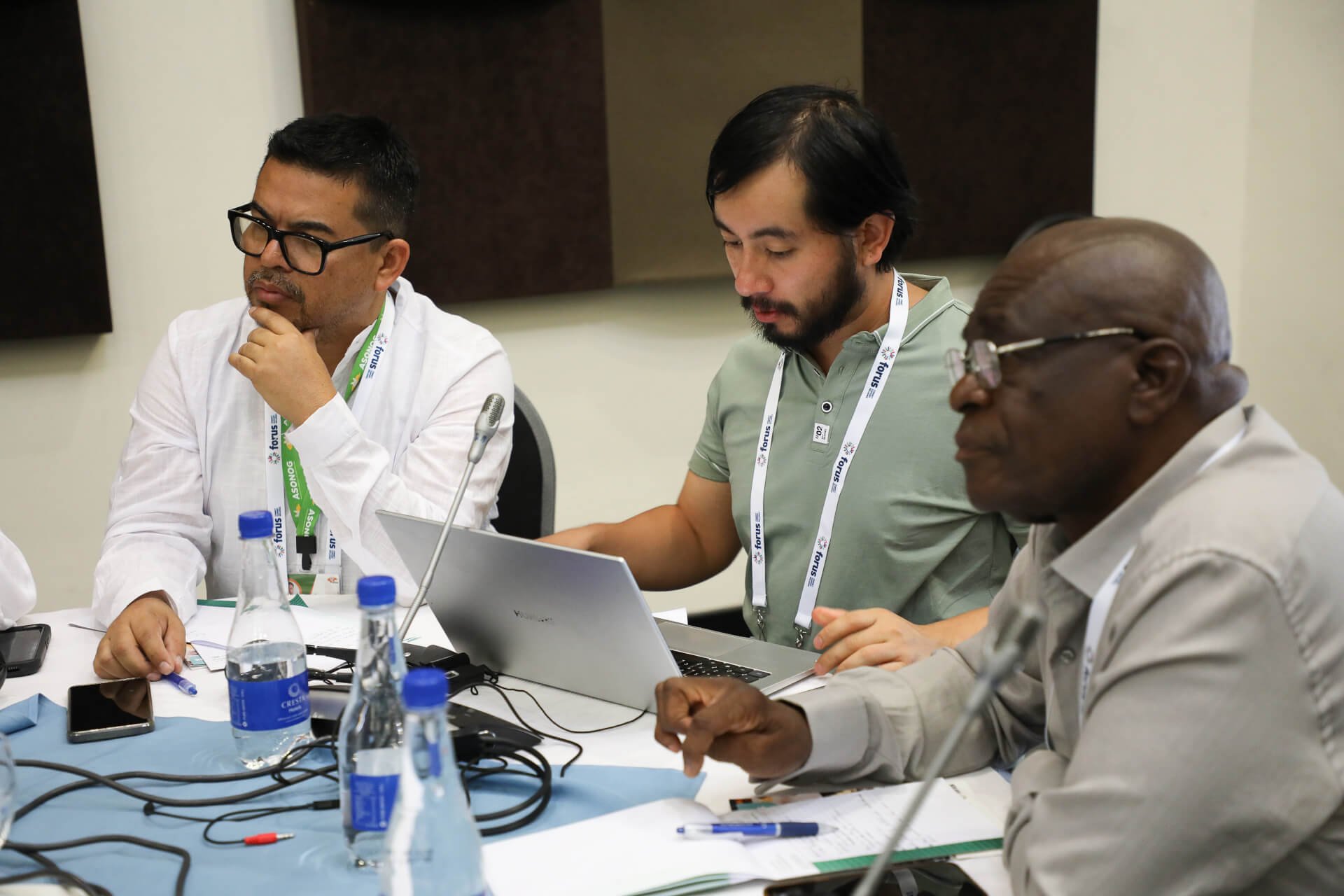
The webinar, CSOs Engagement in Digital Policy Processes: Lessons from the Global Digital Compact Process, hosted 40 participants from various organisations. The webinar was organised by Forus, the Digital Rights Coalition (Malawi), the European Centre for Non-profit Law (ECNL), Paradigm Initiative, Global Focus, and Fingo.
Kenneth Msiska, Digital Governance Coordinator for Forus started off by emphasizing the importance of civil society organisations (CSOs) in internet governance and digital policy-making. He also announced a mapping and baseline study to understand CSO involvement in these processes.
Sigrid Kromann, Policy Advisor at Global Focus advocated for a more united civil society front to keep CSOs involved in decision-making processes at the United Nations to ensure a more open and all-round inclusive world.
Marlena Wisniak, Senior Legal Consultant for Technology and Human Rights at the European Centre for Non-profit Law (ECNL) talked about artificial intelligence and emerging technologies, highlighting issues in the current Global Digital Compact (GDC) drafts, such as inadequate references to human rights, lack of gender perspective, and concerns over mass surveillance. She however recommended minimizing data collection and sharing, emphasizing necessity and legality as possible solutions to this issue. Marlena stressed that the GDC should be seen as a foundational document for the UN, advocating for support to CSOs to mitigate AI risks.
Adeboye Adegoke, Senior Manager at Paradigm Initiative presented a report on the Global South Perspective on the GDC and Summit of the Future. He also emphasized the need to strengthen the Internet Governance Forum (IGF) for effective follow-up on GDC processes. Discussions highlighted the need for gender parity and broad representation in digital governance. He concluded by saying that a unified CSO voice will enhance visibility and influence.
Attendees suggested engaging with new bodies from the GDC, participating in annual policy discussions, and building capacity for CSOs, especially from the Global South, as strategies for engagement. Natalia Carfi from Open data Charter suggested the Open Government Partnership (OGP) and other regional forums as key areas for advancing GDC implementation.
The discussions also stressed the critical role of CSOs in the GDC process, the need for a unified civil society approach, and the importance of inclusiveness and representation in digital governance. Emphasis was placed on a human rights-based approach, active engagement, and the strategic use of existing forums and partnerships to advance the GDC's implementation and influence global digital policies.
List of resources shared by speakers:
- To know more about the CADE project
- EN - Global Digital Compact Rev 2
- FR - Pacte numérique mondial Rev 2 (traduction AI de l'anglais vers le français)
- ES - Pacto Mundial Digital Rev 2 (traducción AI del inglés al español)
- EN - Global South Alliance Position on the Global Digital Compact and Summit of the Future
- FR - Position de l'Alliance mondiale du Sud sur le Pacte numérique mondial et le Sommet du futur (traduction AI de l'anglais vers le français)
- ES - Posición de la Alianza Global del Sur sobre el Pacto Mundial Digital y la Cumbre del Futuro (AI traducción del inglés al español)