© NGO Forum on ABD
© Forus

Fri 18 Jul 2025
“The Future is Local”: Forus highlights local leadership and civil society resilience at the UN High-Level Political Forum
New York, July 18, 2025 - At the 2025 UN High-Level Political Forum (HLPF), Forus and its members made strong interventions across three side events on July 17. Each of these amplified local voices, called for financial justice and demanded a space for “healthy”, inclusive and results-driven civic action.
The launch of the Forus report: “Unlocking the power of localisation and multi-stakeholder partnerships to rescue the SDGs”
On July 17, Forus launched with members and partners its latest global report drawing on over 20 case studies from five continents. The report is a practical roadmap for reorienting SDG implementation from the ground up.
Speakers included representatives from forus members JANIC (Japan), INFID (Indonesia), FINGO (Finland) as well as speakers from the government of Nigeria, government of Finland, Futuro en comun and Local2030. Each echoed a unified message: local action and inclusive partnerships are essential for delivering the SDGs in the face of growing global setbacks.
“At a moment when only 17% of SDG targets are on track, our report makes it clear: the solutions to rescue the 2030 Agenda are already taking root at the local level. Across more than 15 countries, we see how civil society, communities, and local authorities are driving change—despite fragmented systems, shrinking civic space, and financing gaps. If we want to truly leave no one behind, we need to institutionalise localisation— with governments embedding it in national & local budgets, data systems, and decision-making, while investing directly in the people, partnerships and civil society leaders closest to the solutions,” says Marie L’Hostis, Advocacy Coordinator at Forus.
You can access the report here
“No one left behind?”: a joint civil society dialogue
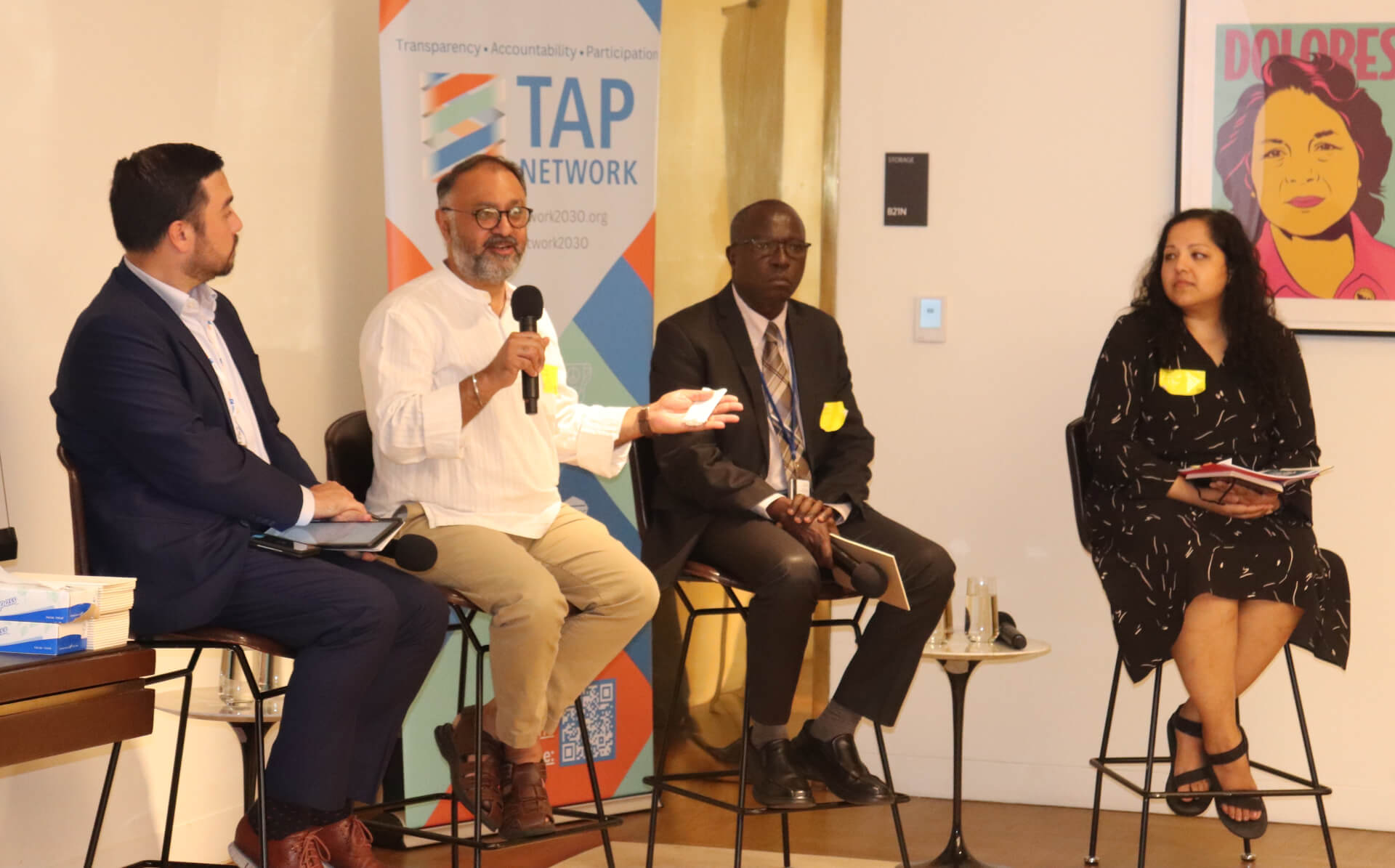
In a joint side event co-organised by Together2030, Local2030, TAP Network, Sightsavers, Save the children and others, the theme “No one left behind? Reassessing global commitments in times of scarcity”, brought together speakers navigating the start realities of shrinking enabling environments as well as financial crises.
Moses Isooba, Executive Director of the Uganda National NGO Forum (UNNGOF) - a Forus member – delivered a striking address on the erosion of aid and the urgency of community-led action.
“January 20th will be remembered as the day the aid industrial complex took its last breath,” said Isooba, referencing mass funding cuts triggered by political shifts. “We’ve lived in a starvation cycle for decades. Now is the time to build organizational resilience.”
He emphasized the need to move from “cold money” (referring to institutional aid), to “warm money” - community-rooted financing, driven by connection and purpose.
“In Africa, we give to weddings, to children, to life. Now we must give to development,” he said. “The future is local. We must stop doing development for communities and start doing it with them.”
His call to transform the development language and decolonise language drew positive responses from participants.
“When someone travels from Geneva to Africa, they say they’re ‘in the field.’ From London to Brussels? Never. That must change.”
Building solidarity at the Ford Foundation
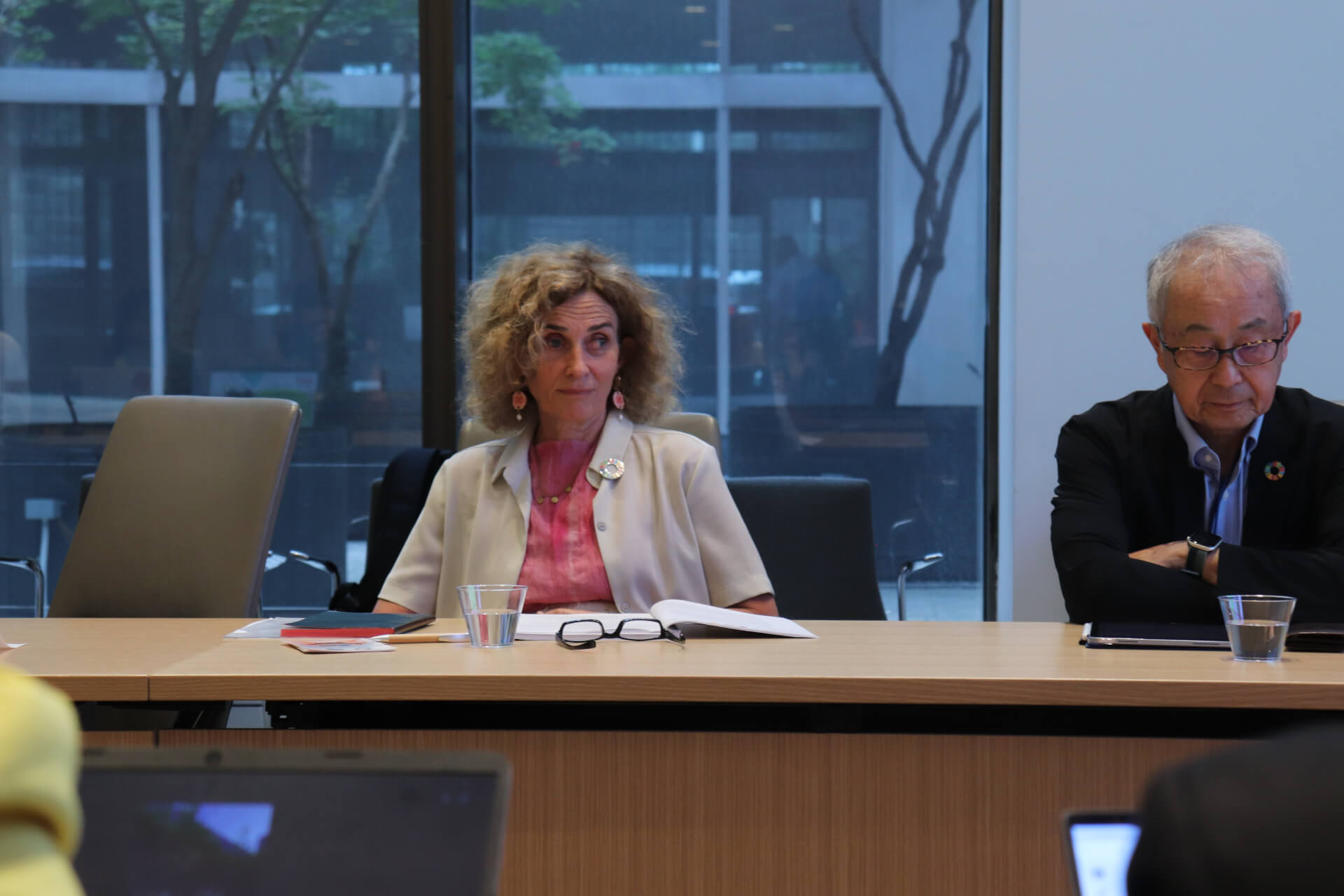
Forus members also participated in a discussion hosted by Forus, Civicus, the TAP network, Accountability Lab and Quaker UN Office on strategies to counter negative narratives about civil society and combat the shrinking enabling environments. This intimate and solution-focused space brought together allies across sectors to exchange bold ideas for defending the fundamental freedoms which civil society needs in order to thrive. Forus also presented recent trends from the EU SEE initiative which monitors and acts upon restrictions and opportunities to an enabling environment for civil society in 86 countries.
Looking ahead
The Forus network message throughout the day was clear: localisation, solidarity and flexible, predictable funding for civil society are non-negotiable if the SDGs are to be attained.
Civil society is not just a stakeholder – it is the frontline of transformation.
“The future is young. The future is local. If we are serious about leaving no one behind, we must act now.” - Moses Isooba, UNNGOF
Join our campaigns!
Discover our campaigns on shifting power and new forms of financing for development