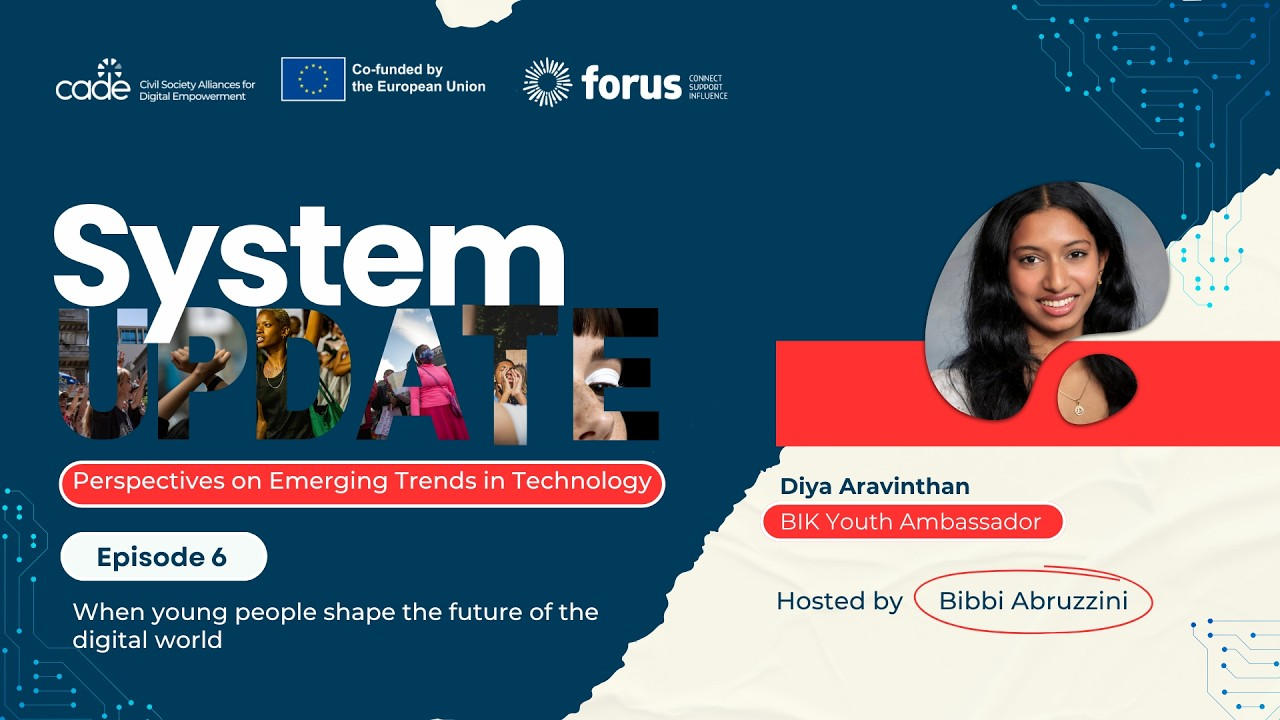
System Update - Episode 6: When young people shape the future of the digital world
2026-08-17
00:17:56
As younger generations spend increasing amounts of time online, issues such as youth participation in digital policy, online safety, misinformation, and digital literacy have become central to building a safer and more inclusive internet. These topics are important because they address the need to ensure that young people are not only protected from digital risks but are also recognised as active participants in shaping the future of the online environment. Involving youth in decision-making processes allows governments, regulators, and technology companies to better understand the challenges they face and develop solutions that reflect the needs of different communities. Online safety remains a critical concern as young people encounter risks such as harmful content, cyberbullying, privacy threats, and online exploitation. The growing spread of misinformation and disinformation also presents significant challenges, particularly as digital platforms become major sources of news and information. Strengthening media literacy is therefore essential to help young people critically evaluate online content, identify unreliable sources, and engage responsibly in digital and democratic spaces. Today we are joined by Diya Aravinthan an active BIK Youth Ambassador and panelist for the Better Internet for Kids (BIK) initiative, where she advocates for youth participation, digital citizenship, and online child safety. "System Update", is produced by Forus as part of CADE - the Civil Society Alliances for Digital Empowerment - a project co-funded by the European Union. CADE’s objective is to support the capacity of civil society organisations for effective advocacy in multilateral and multistakeholder internet governance processes. https://cadeproject.org/ https://www.forus-international.org/en/campaign/let-s-talk-digital This podcast was co-funded by the European Union. Its contents are the sole responsibility of Forus and do not necessarily reflect the views of the European Union.