
Strengthening advocacy, resource management, and engagement for greater impact
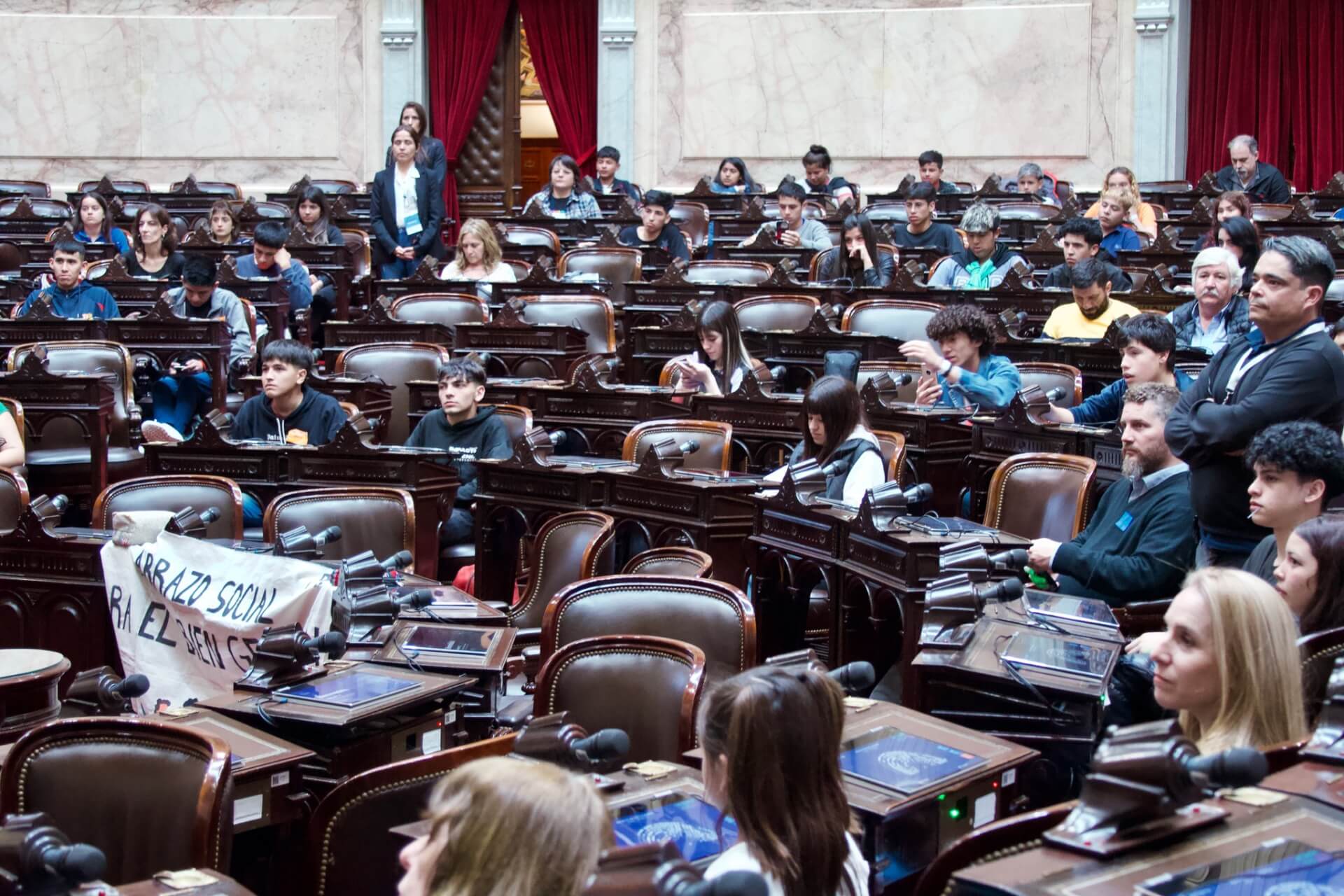
Red Encuentro, a long‑standing national platform of civil society organisations in Argentina, focused its Cycle 6 project on strengthening its advocacy strategy, improving communication capacities, and expanding the diversity and representativeness of its membership. In a context of shrinking civic space and increasing hostility toward civil society, the project helped the network build new tools, identify key political actors, and reinforce internal cohesion to better respond to territorial needs and influence public agendas.
Key Results
-
Developed a new advocacy strategy grounded in territorial dialogue and participatory prioritisation of themes.
-
Identified eight new political interlocutors, including national legislators, provincial authorities, local governments, SEGIB and UN agencies.
-
Produced a draft practical guide for local, provincial, national and global advocacy.
-
Strengthened resource mobilisation capacities, including mapping funders and developing project‑writing tools.
-
Launched new communication initiatives, including the campaign “Los Imprescindibles” featuring voices from member organisations.
-
Advanced a new membership protocol and conducted a full diagnostic of member participation and territorial gaps.
- Improved internal cohesion, with high participation in meetings and shared ownership of the strengthening process.

Learning
Red Encuentro’s experience shows that network strengthening must be rooted in participatory processes, especially in contexts where civic space is under threat. The project demonstrated that advocacy becomes more effective when it is grounded in territorial voices, supported by clear communication tools, and sustained by diverse and representative membership.
Another key learning is that resource mobilisation and advocacy are interdependent: without diversified funding, networks struggle to sustain long‑term political work. The project also highlighted the importance of investing in internal cohesion—monthly assemblies and shared decision‑making proved essential for maintaining trust and collective direction.

/ Related content