

Thu 9 Apr 2026
Adapting, connecting, resisting: Civil Society Navigates a World in Flux
A recap of the 2026 Forus Generally Assembly – Siem Reap, Cambodia – March 2026
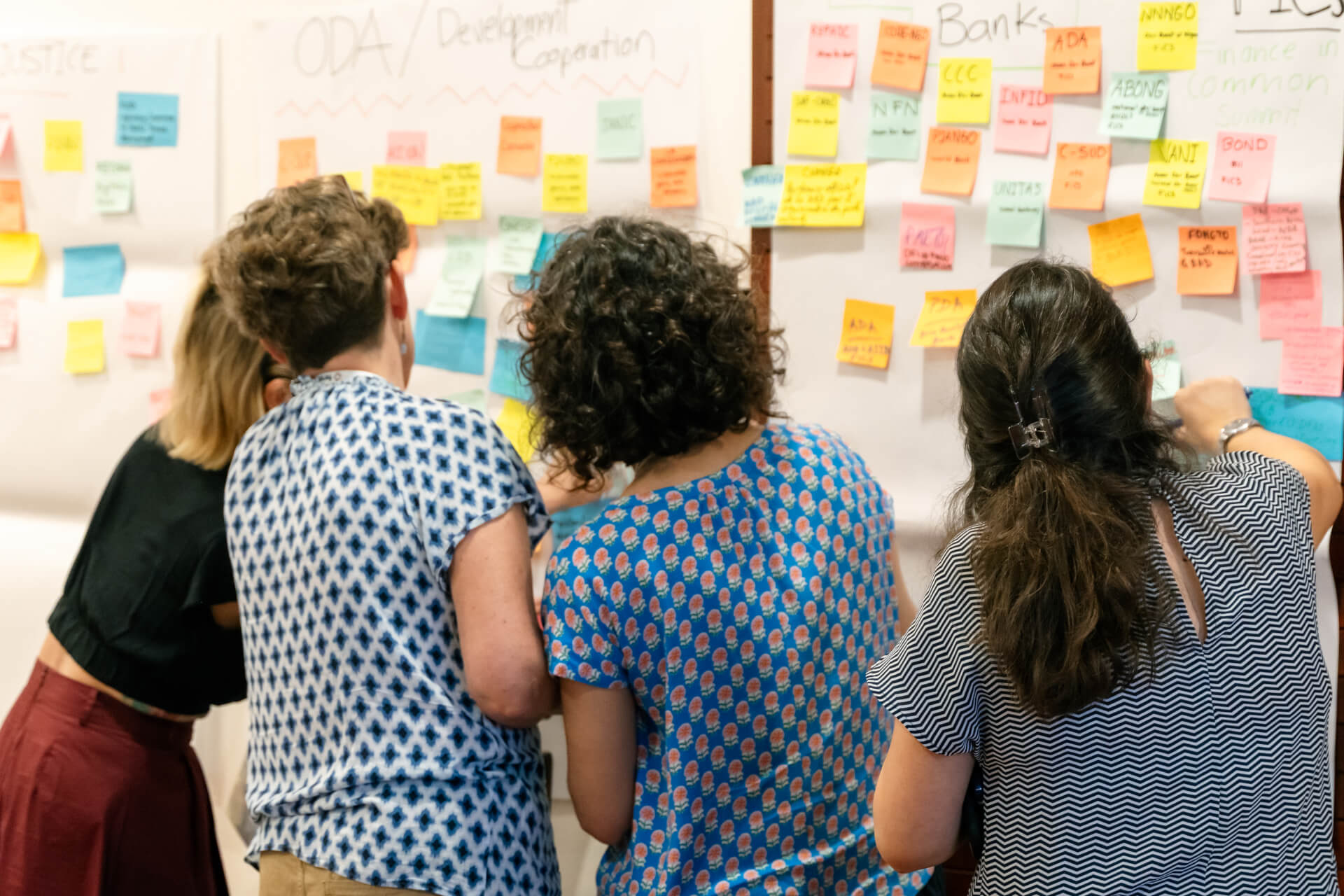
In a world where an enabling environment for civil society is under pressure, development finance is being redirected, and the 2030 deadline for the Sustainable Development Goals looms closer with many commitments still unmet, the Forus network gathered in Siem Reap, Cambodia for its 2026 General Assembly. The five-day event was a collective act of strategic thinking, to map the landscape, strengthen ties, and sharpen the tools that civil society needs to remain impactful.
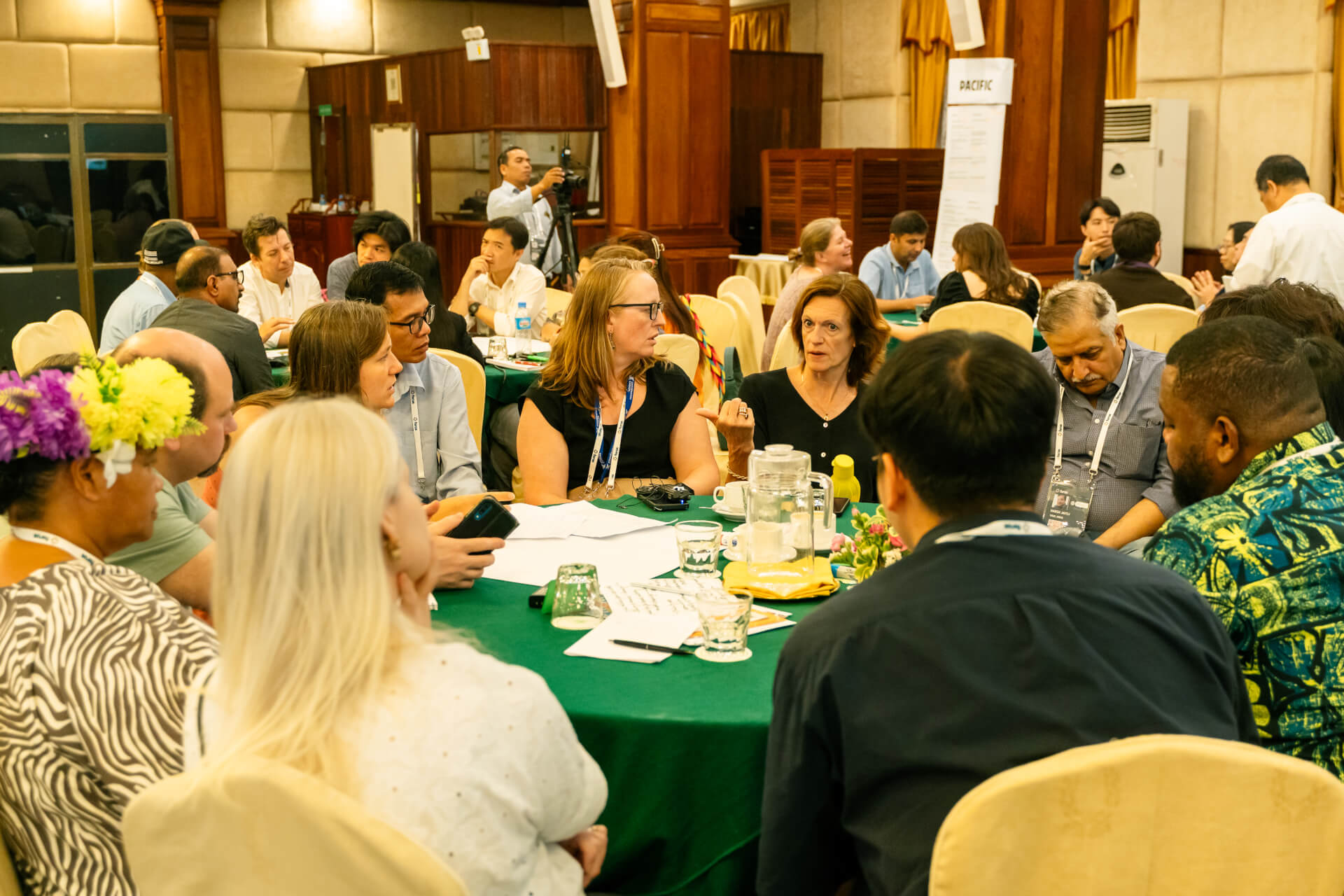
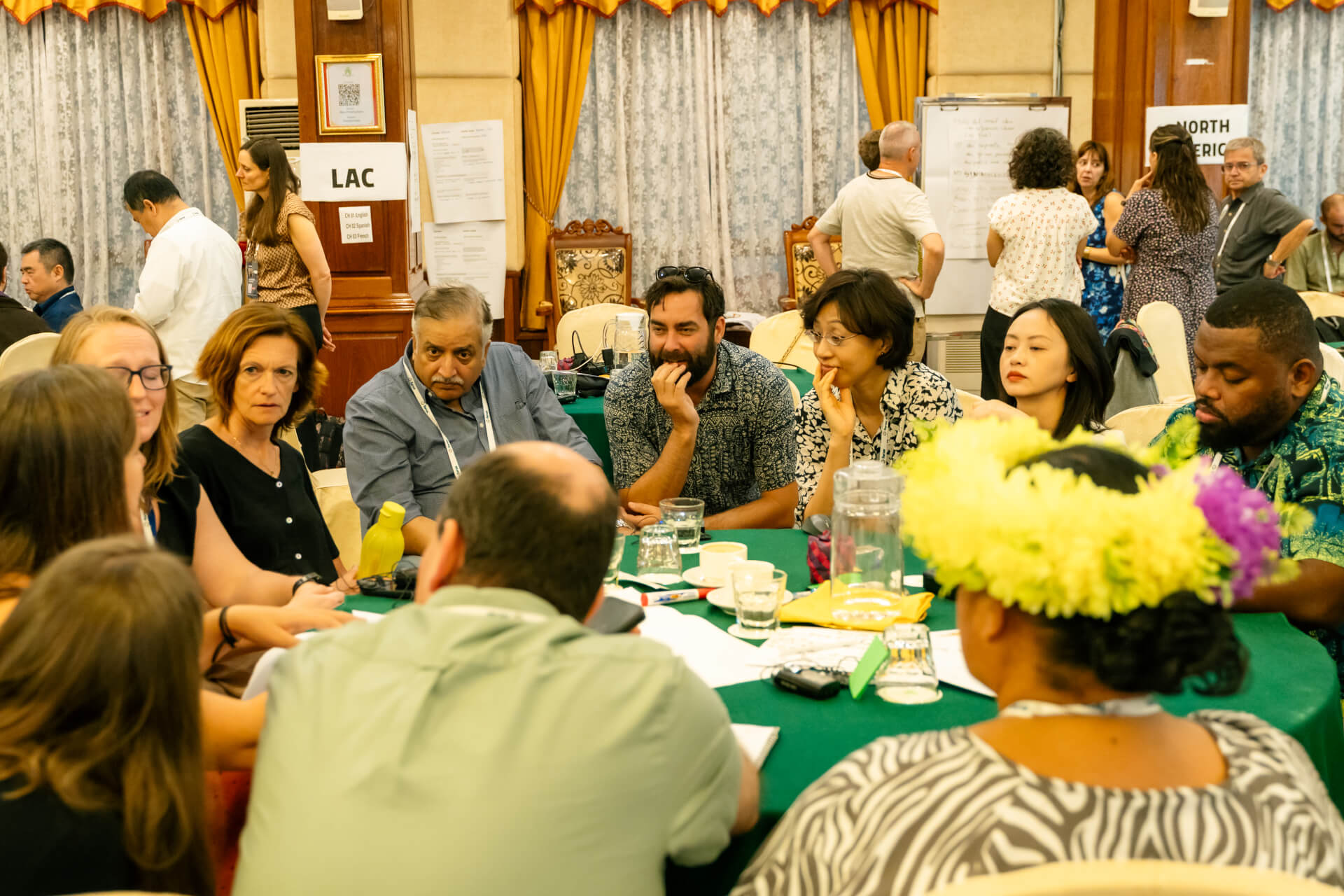
The Assembly brought together member platforms from every region — spanning Asia, Africa, Latin America and the Caribbean, the Middle East, Europe and the Pacific — alongside online participants who contributed throughout. This article weaves together the strongest threads from across the week: a sneak peek into of our network confronting the hardest questions and choosing, together, how to answer them.
Across regions, members arrived with the same underlying question: how does civil society stay effective when the frameworks it relies on are being dismantled? The answer that emerged collectively, was that relevance is being built on new ground, with new tools and new alliances to defend those frameworks from the ground up.
As Christelle Kalhoulé Forus exiting Chair representing of SPONG (Burkina Faso), put it: as development is being redefined "People, planet and dignity must remain the compass"
Confronting the new reality
The Assembly opened with an honest reckoning with the world that civil society now inhabits. The operating environment has changed structurally, and people-centred agendas are being placed at the periphery of discussions. Development finance is flowing differently. And in country after country, the space available to civil society is contracting.
As Philippe Walfard (Agence Française de Développement – AFD) shared, institutions that once provided predictable frameworks for civil society engagement are under pressure or in retreat.
What makes this moment particularly demanding is that the pressure is not coming from one direction.
From Brazil, Henrique Frota of ABONG described civic space as “under attack,” with new legislative proposals aimed at controlling what civil society can say and do.
The shrinking of civic space is not a single phenomenon but a family of related pressures. What looks like financial exclusion in Hungary, legal restriction in India, surveillance and intimidation in Pakistan, and government hostility in Mozambique are all expressions of the same underlying dynamic — a narrowing of the room in which organised civil society can operate independently.
As a result, three structural tensions crystallized early and ran as threads during the Assembly. First, the crisis of space and funding: pressures on an enabling environment are not accidental — it is, in many contexts, deliberate. And second, the imperative to adapt: new actors, new technologies and new forms of exclusion are reshaping what it means to be a global civil society network. And third, the question of narrative: civil society must reclaim the story of what it is and what it does, not as a recipient of aid, but as a constructor of solutions rooted in communities.
In Mozambique, Simao Tila of JOINT described a reality in which spaces that once existed for civil society to discuss public policies with government are now being challenged “The spaces for dialogue with the government, to do monitoring, to present analysis — they are closing.” Yet JOINT has not retreated. Instead, it has found new entry points: building a budget monitoring network in partnership with Parliament, and mobilising a coalition of over 800 organisations to push back against a law that would have fundamentally restricted civil society operations.
Andrea Detjen Ibáñez of ANONG (Uruguay) described maintaining direct dialogue with international institutions and holding a consistent role as an interlocutor between government and civil society organisations — an example of how structured engagement, sustained over time, creates the conditions for genuine influence.
This capacity to adapt and remain consistent — to find new channels when old ones close, leverage digitalisation, to build coalitions where individual organisations would be too exposed, to use innovative forms of advocacy — was held up across sessions as a core skill.
Shifting Narratives
Alongside the analytical work, the Assembly heard a more fundamental call about how civil society describes itself. Across multiple sessions, members pushed back against the narrative of civil society as a passive recipient of aid.
Underlying all of this was a question about self-description. Reclaiming the political legitimacy of organised civil society as a democratic actor in its own right was a consistent thread. Prince Elom Noutepe of FONGTO (Togo) offered a clear articulation of why this matters: “A strong civic space does not weaken the state — it reinforces its legitimacy. The challenge today is not only to preserve civic space, but to allow it to be useful. A strong, structured and heard civil society is not a constraint — it is a condition for public policies to be more effective, more legitimate and more durable. When civic space shrinks, it is not only civil society that weakens: it is the collective capacity to solve public problems that is set aside.”
In a book talk that brought together reflection and debate, Sam Worthington, Forus Senior fellow and author of Prisoners of Hope, debated how civil society can boost power and self-determination for communities.
As Zia Ur Rehman of ADA (Pakistan) noted, "localisation is key."
From Zimbabwe, Ernest Nyimai of NANGO described work to build a shared framework around localisation — creating a platform for civil society organisations and international partners to co-design programmes and shift from risk-shifting to risk-sharing. But he was clear about where the real barrier lies: “The major challenge in localisation is financing — shifting resources from intermediaries to local actors who are at the frontline.”
Canada’s Shannon Kindornay of Cooperation Canada brought the conversation back to the responsibilities of northern organisations. The shift of power, she argued, requires a willingness to rethink fundamental assumptions about what international NGOs are for: more resources directly in the hands of local partners, a genuine reimagining of the northern NGO’s role, and a recognition that the work of equitable partnership means valuing what each actor brings — not only the perspective of those who provide the money.
Reimagining how civil society is resourced
The financial landscape facing civil society organisations is changing in ways that make the old model increasingly untenable. International funding is contracting or shifting focus. Domestic resource mobilisation remains underdeveloped in most contexts. And the organisations that most need sustainable financing are often the least equipped to access alternative sources. The Assembly spent considerable time on this: what models actually work, and how can the Forus network help its members develop them?
Forus members explored concrete models in depth. On crowdfunding, members were clear that success requires time-bound campaigns, compelling storytelling, and youth and influencer amplification.
On corporate partnerships and CSR, the most useful contributions came from those who had moved beyond transactional relationships. Brenda Molinar Marquez of UnidOSC (Mexico) described the FECHAC model in Chihuahua — a foundation that has brought together government, business, civil society and academia around a shared social agenda for over three decades. The lesson she drew is deceptively simple: “Only under this possibility of working together is it feasible to achieve a social agenda that delivers results.” The political economy of that collaboration — how trust is built, how accountability is shared, how interests are aligned without compromising independence — is where the real work lies, to NGOs in Taiwan supporting migrants to establish franchise businesses. On social enterprise, members identified revenue streams already in use across the network: renting spaces, consulting services, event sponsorships, job boards, hospitality.
One of the most generative ideas to emerge was mutualization — the deliberate pooling of resources, expertise and infrastructure within the Forus network. Time banks, solidarity funds, shared office space, collective negotiation with service providers: as structural strategies for resilience.
Jacques Bemadjibaye Ngarassal of CILONG (Chad) described a situation where the majority of civil society organisations are directly affected by the funding question, and where the path forward runs through institutional strengthening: “The real challenge is how to build capacity so that organisations can respond to calls, write stronger reports, and develop real partnerships with international partners who bring the financing. We need technical capacity, financial management tools, and people who can deliver quality results — that is what will open the door to sustainable partnerships.”
At the same time, members were clear that financial sustainability cannot be pursued in isolation from advocacy. Public Development Banks (PDBs) — institutions increasingly central to how development finance flows — were identified as a critical engagement target. The CSO-PDB coalition that Forus is leading was highlighted as a concrete response to this structural gap — a model for how civil society can engage new actors on meaningful terms rather than waiting to be included as an afterthought. Célia Cranfield of CONCORD Europe framed the political argument clearly: “Too long we have had to demonstrate our positive value — for donors, for public development banks, for national governments. We cannot afford to stop raising the voices of what we hear from our partners all around the world. Inequalities are both causes and consequences of bad politics and systems that are leaving people and the planet behind.”
From Norway, Gina Ekholt of ForUM made an argument that added a different register to the conversation — not just about what civil society needs, but about what donor governments owe, particularly in a moment when the international order is shifting and the temptation to retreat from multilateral commitments is strong: “This is the time where strong institutions and democracies are being tested and have to show what they are made of. When other civil society environments are put under pressure, the Norwegian government has to uphold its support for civil society organisations all over the world. The political landscape is shifting, and the government has to keep speaking up even when it’s uncomfortable and even when they don’t have any other friends in the room.”
Shared ownership and co-leading
The Assembly elected a renewed Council and a new Executive Committee. The new Executive Committee is led by Justina Kalūnaitė, Senior Policy Advisor at NGDO (Lithuania) as Forus Chair, with Shannon Kindornay, Deputy CEO of Cooperation Canada as Treasurer. Rodríguez Tariba, President of Sinergia (Venezuela), Moses Isooba, Executive Director of UNNGOF (Uganda), and Rolando Ariel Kandel, President of EENGD (Argentina), join as Vice-Chairs.
Outgoing Chair Christelle Kalhoulé SPONG (Burkina Faso), joining online, set the tone for the transition: "Leadership in a network like Forus is a particular kind of challenge. It is not about command but about coordination; not about representing a single position but about holding together a plurality of experiences and making them legible to each other".
Justina Kalūnaitė as new Forus Chair described what she sees as the foundation of coordinating the network: “I am going to look at all the voices. Being a member of Forus, being part of this community — it is an honour and a responsibility. And that responsibility comes from the relationships, and from what I see the network needs.”
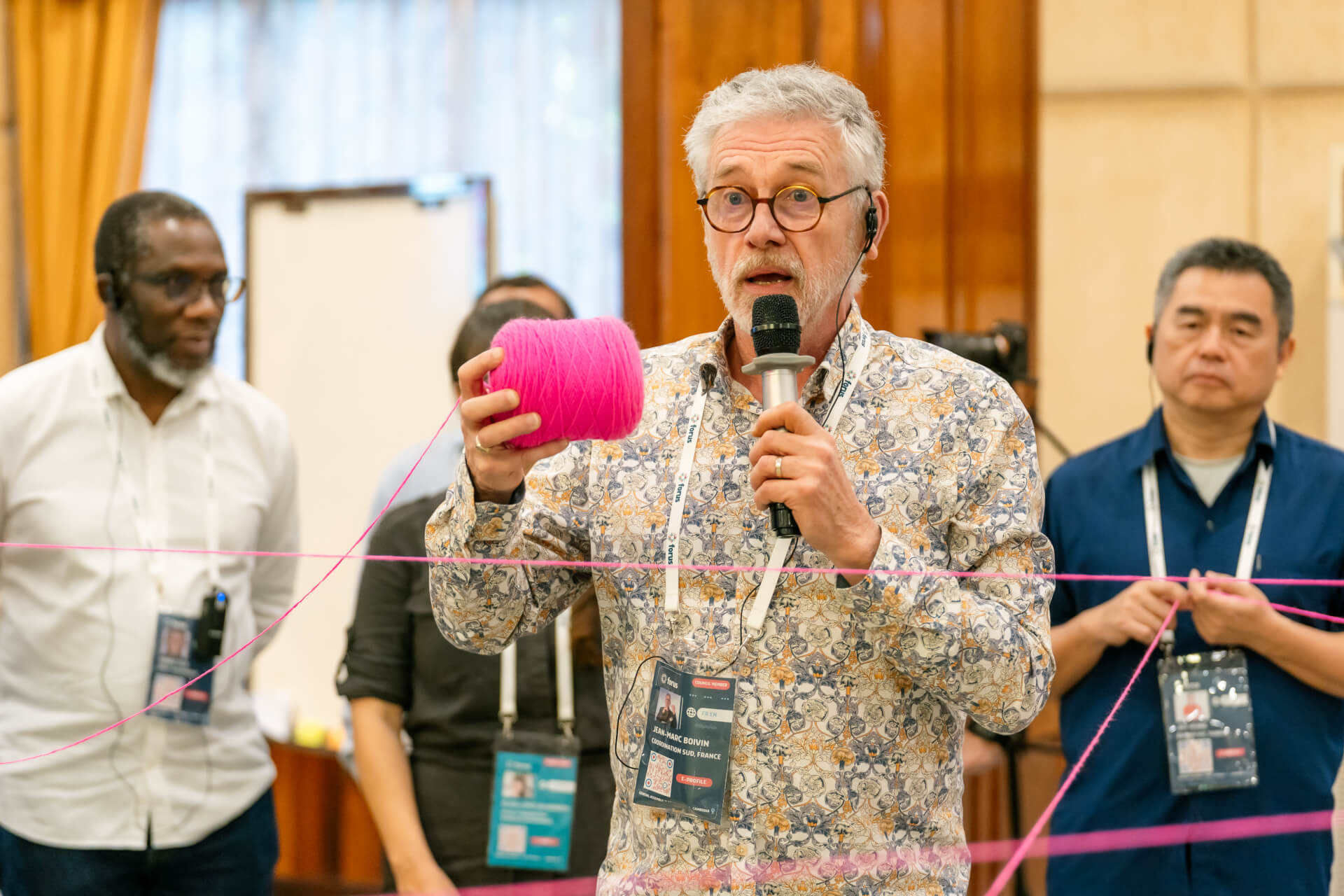
Jean Marc Boivin of Coordination Sud (France) reflected on the deeper logic of international solidarity that gives a network like Forus its purpose — and its obligation: “It was a deep intuition — that we are always stronger together...each of us playing our part, to build a collective international voice that rises to all the challenges we are engaged in today.”
As shared by Randriam Ihavana, President of PFNOSCM (Madagascar),“Joining a global network transforms an NGO from an isolated actor into a connected strategic actor, capable of acting simultaneously at multiple levels. A single NGO often has limited influence — but when we speak collectively, it gives us a voice that increases our credibility with decision-makers and allows us to carry common messages at the national, regional and international scale.”
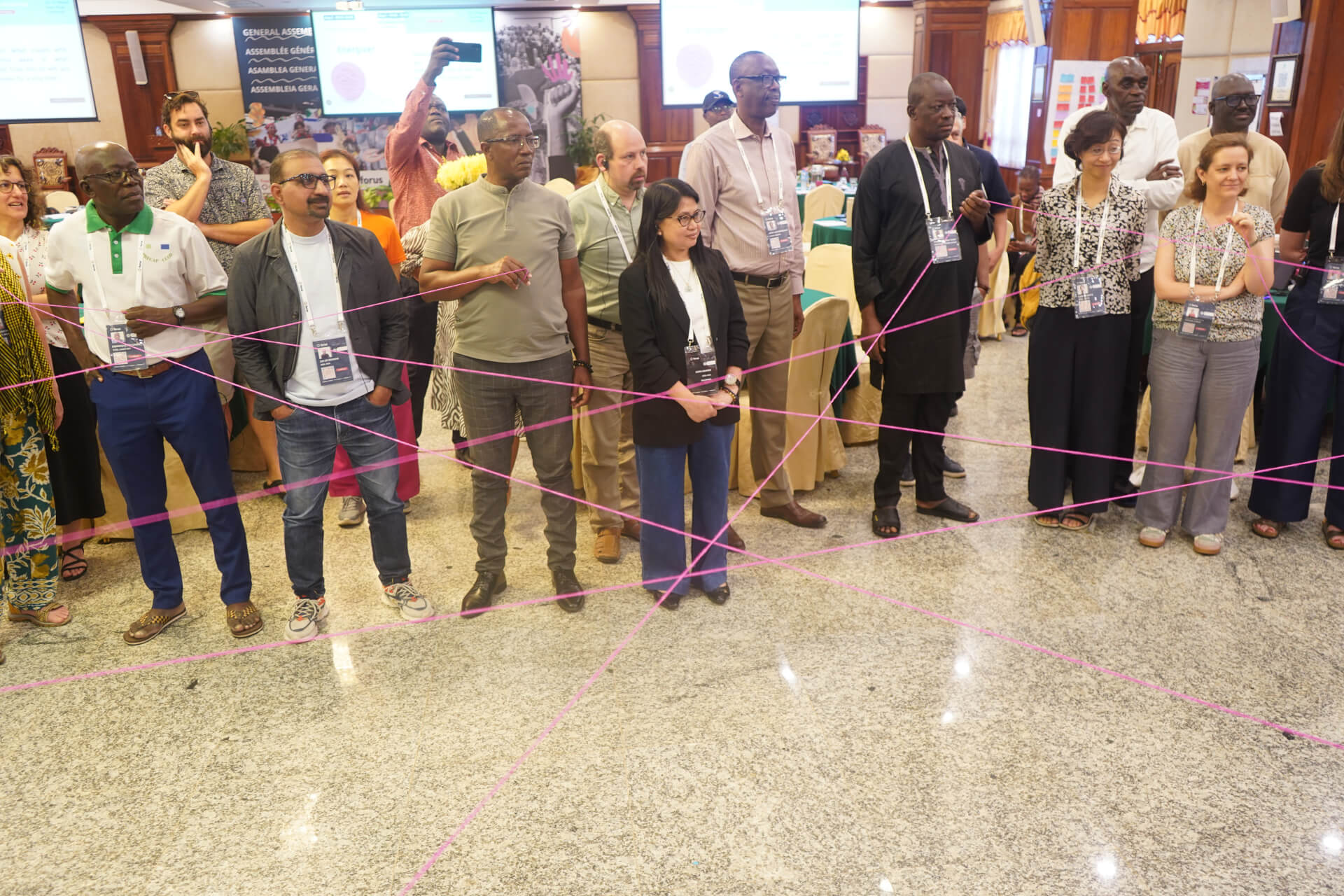
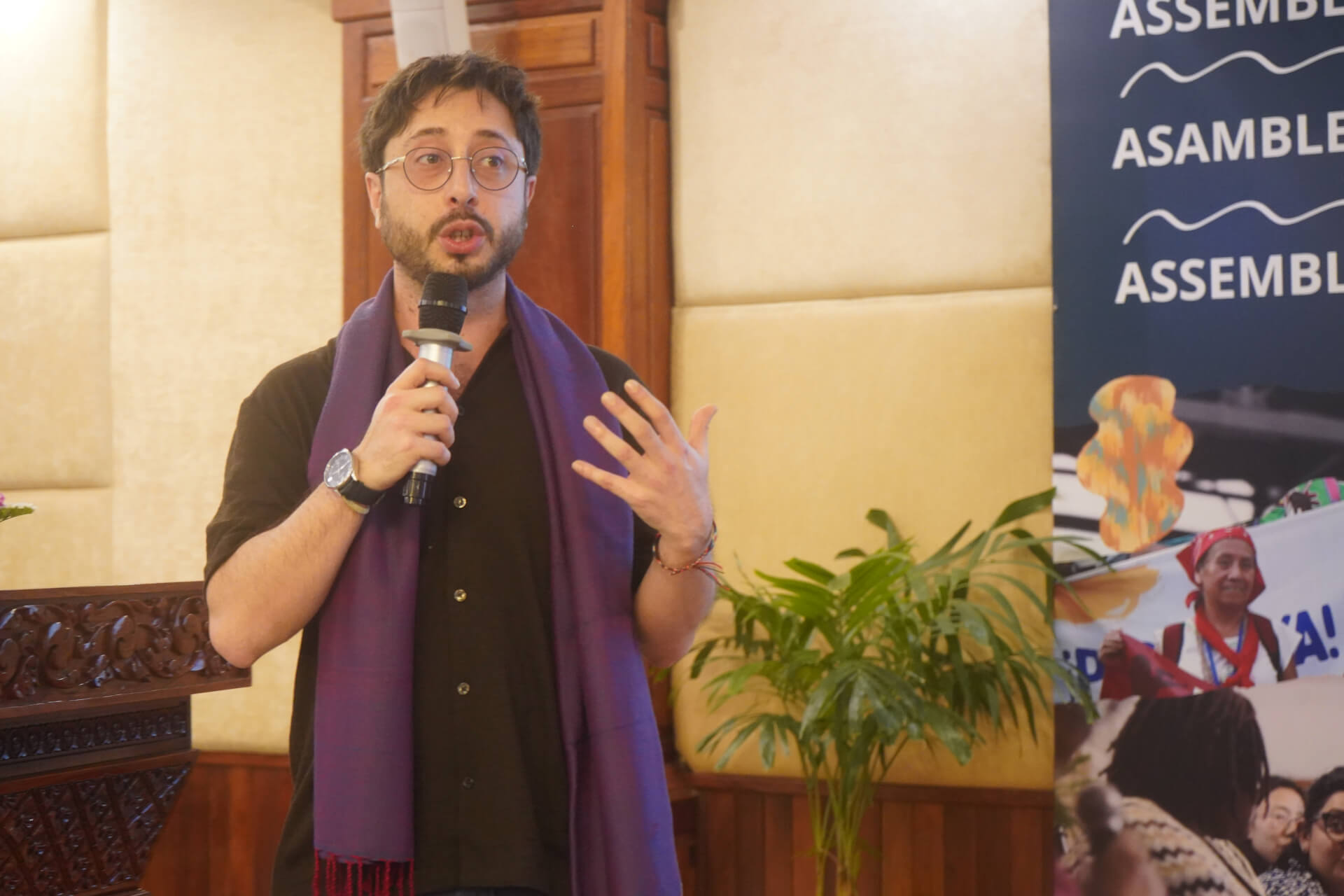
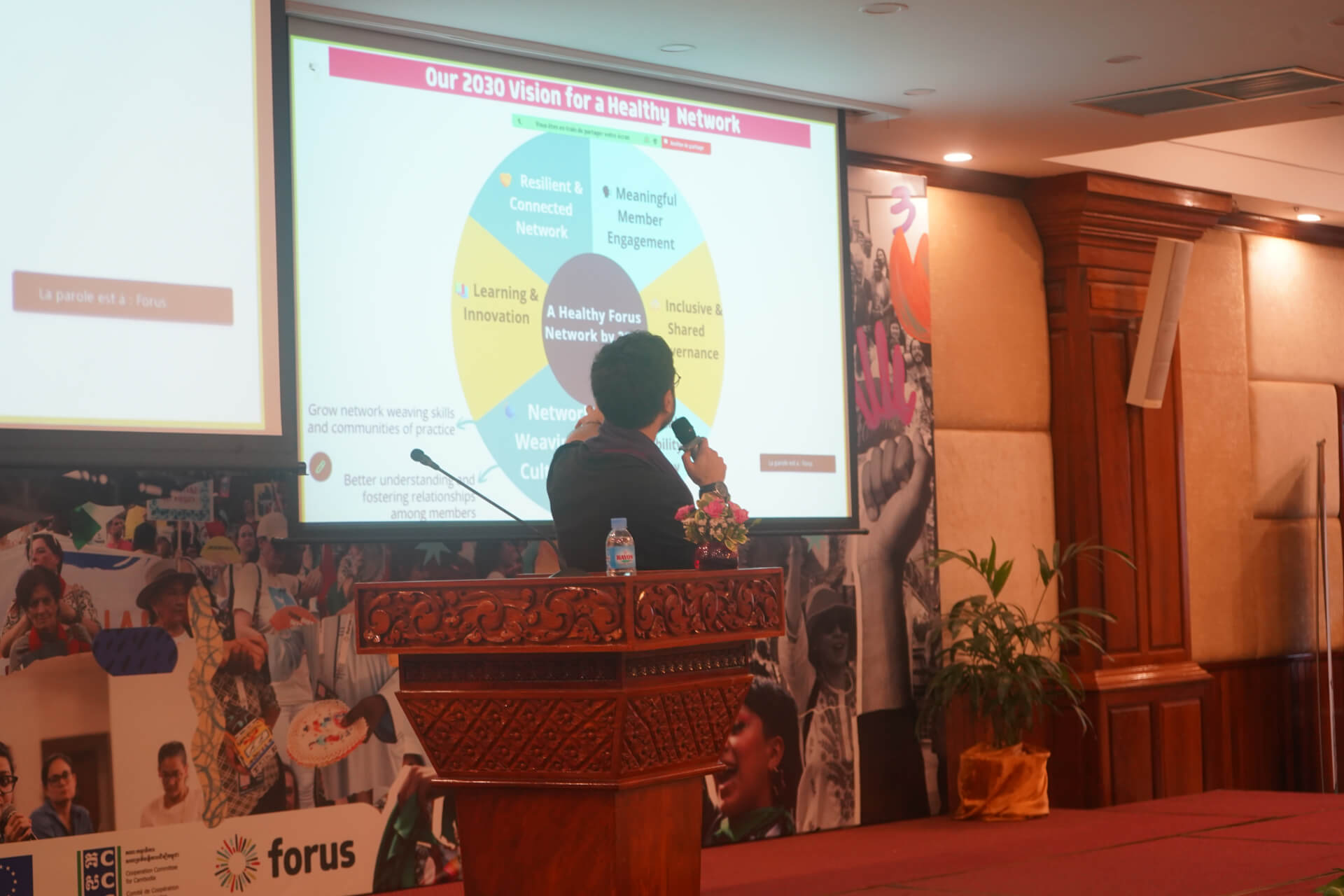
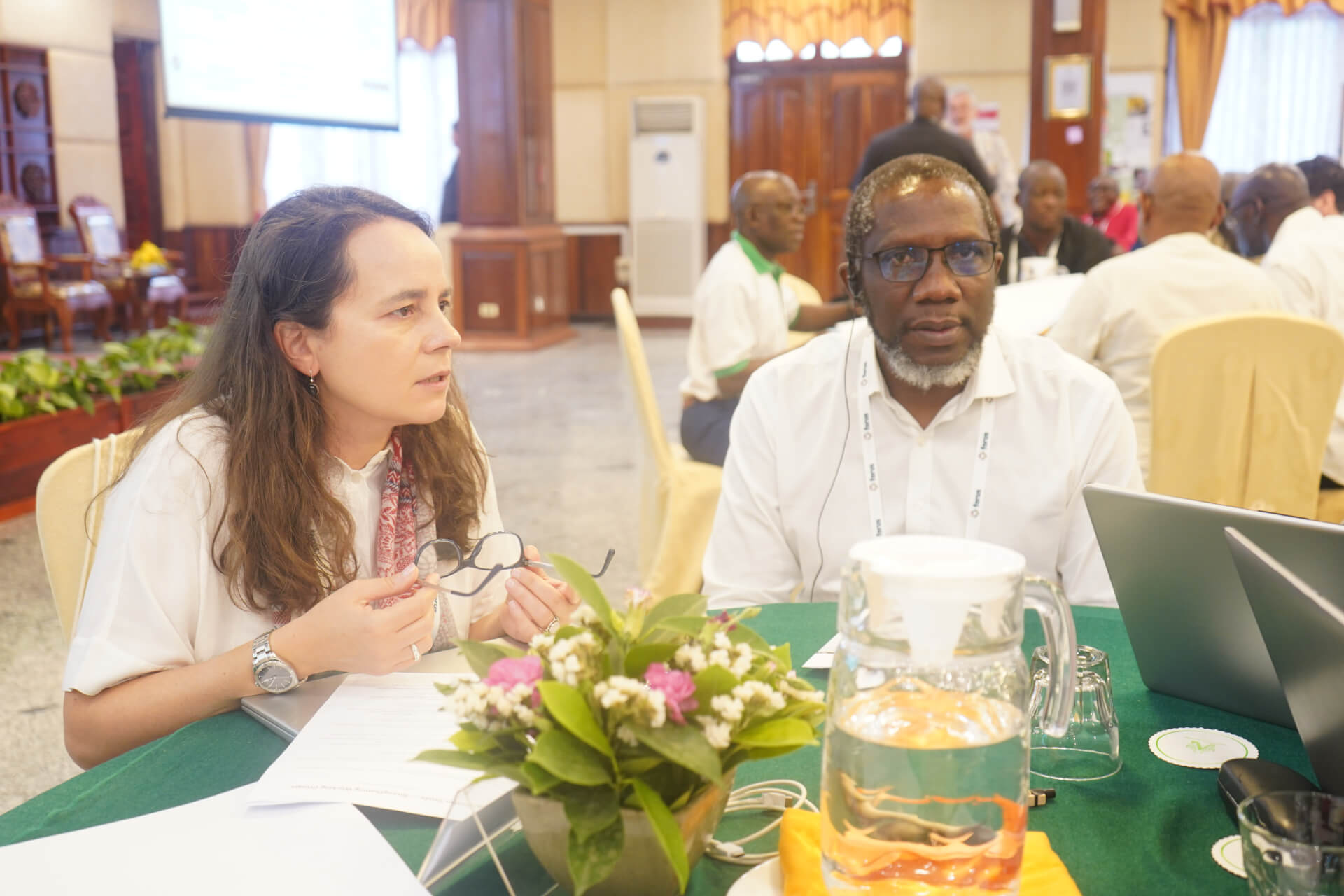
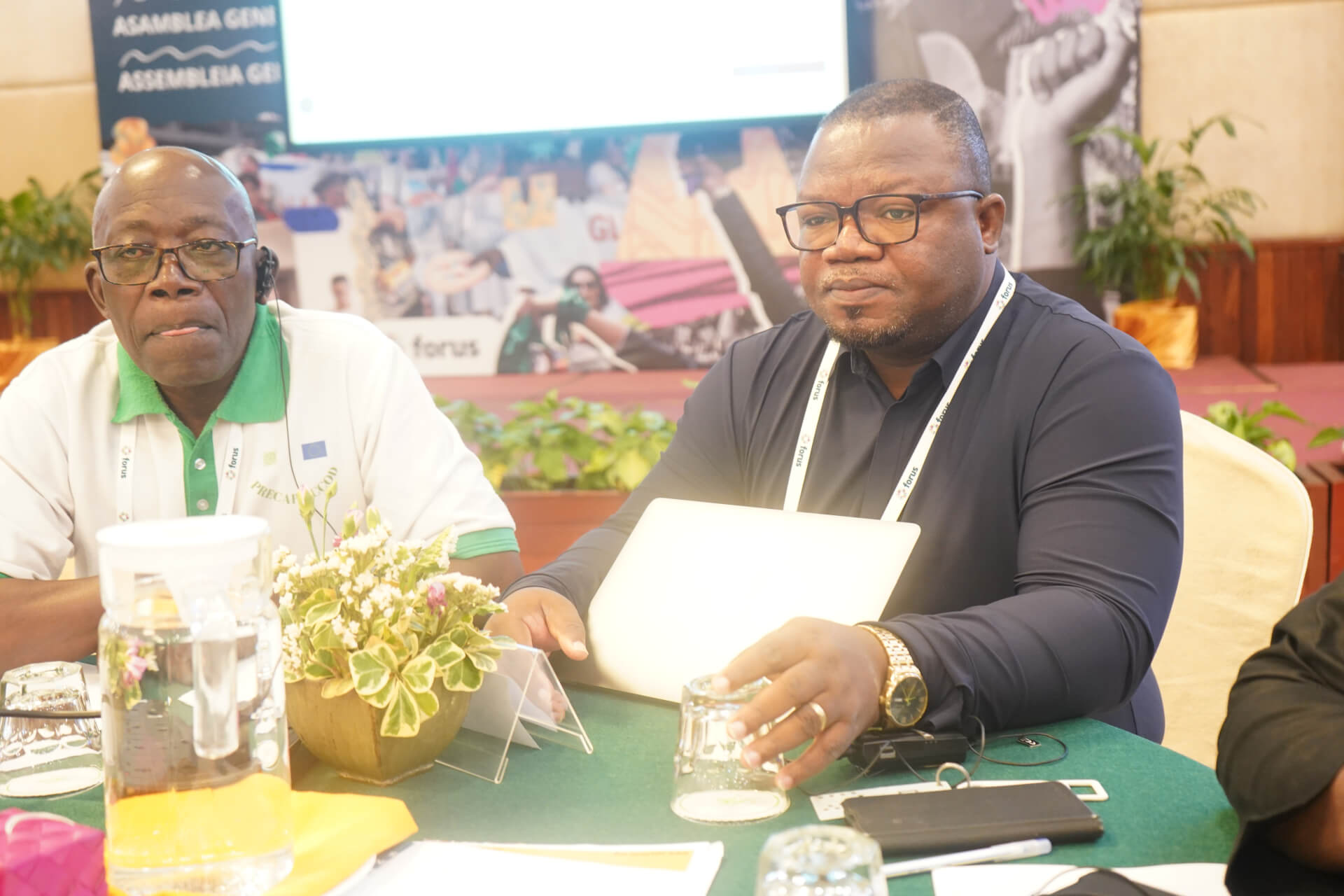
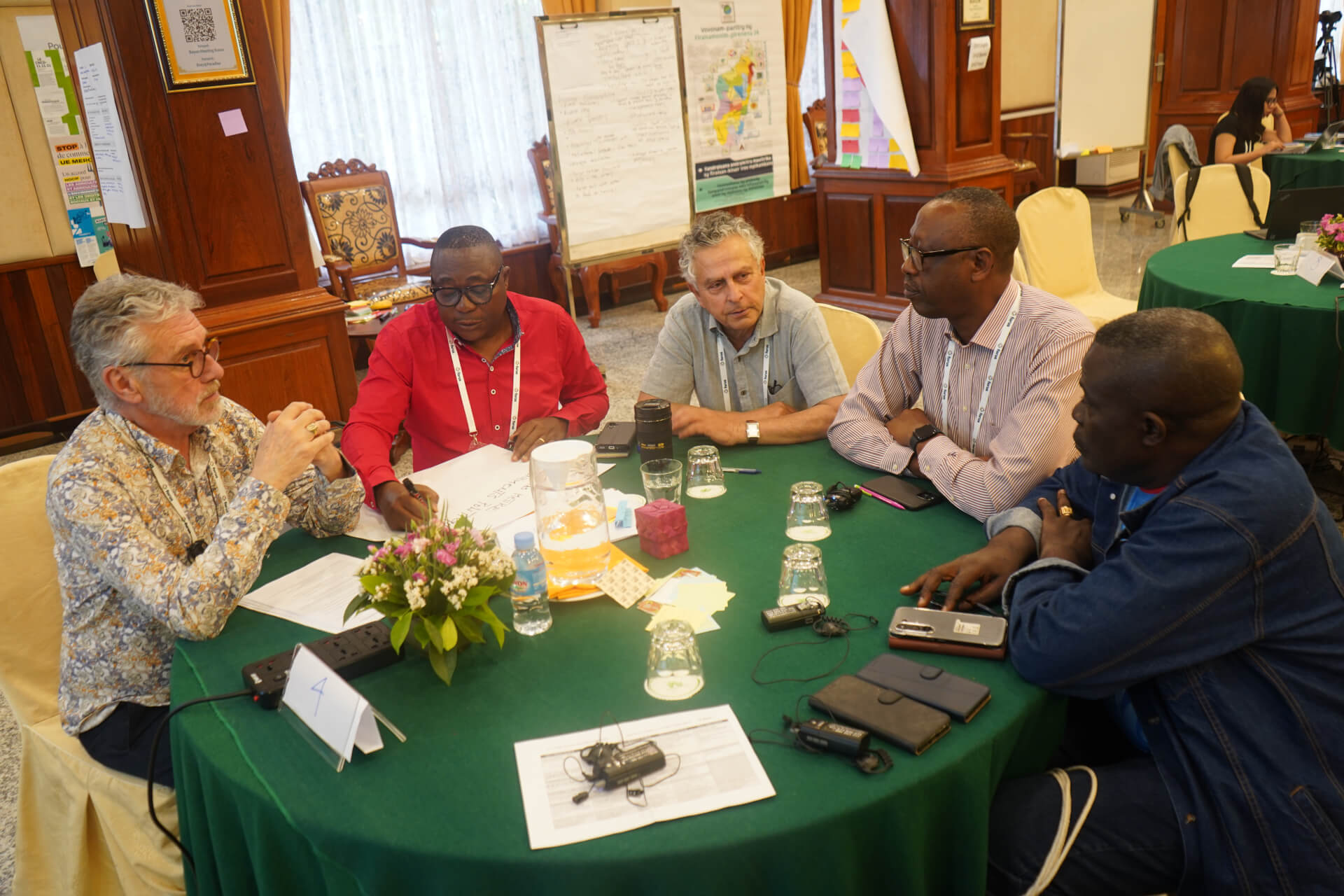
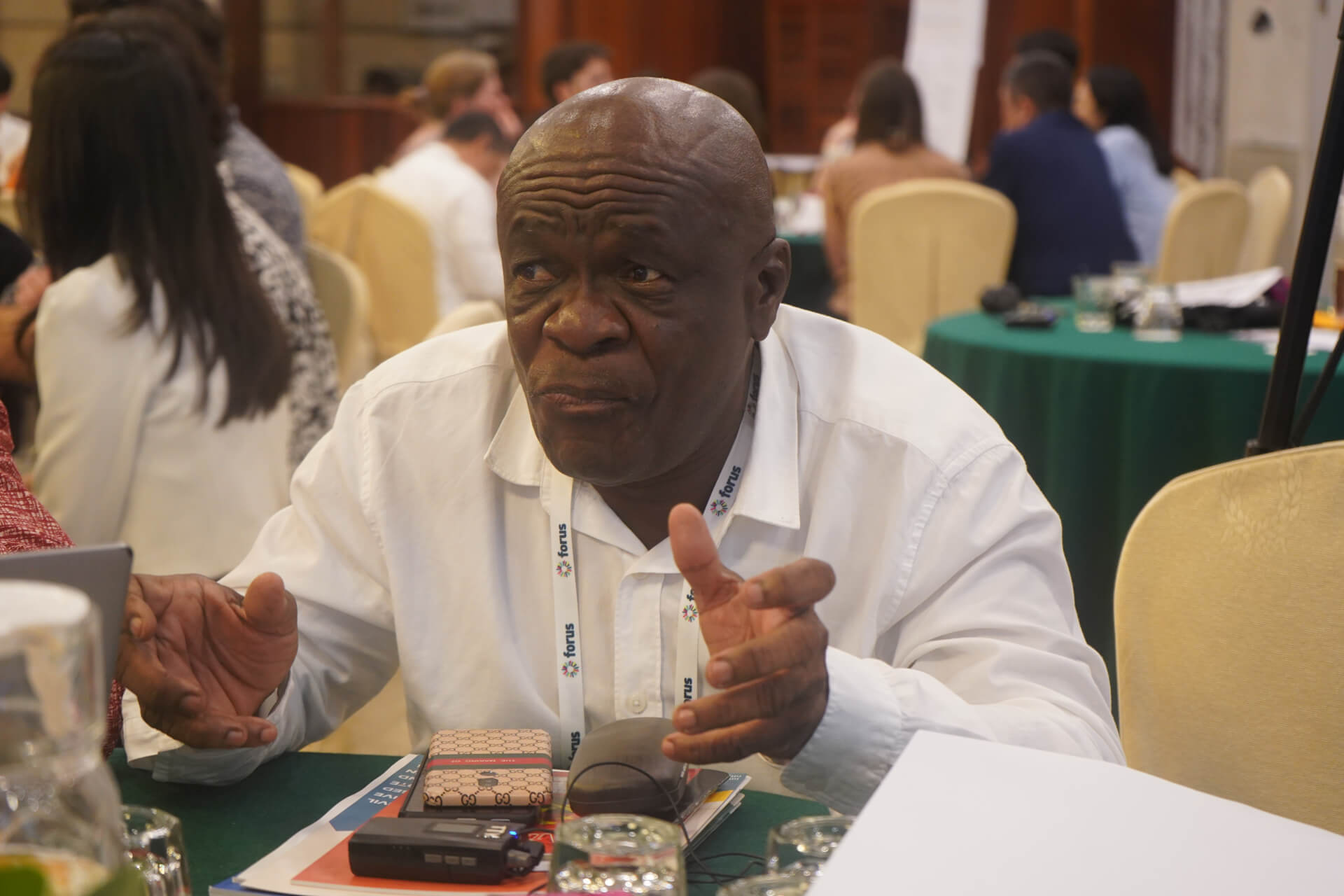
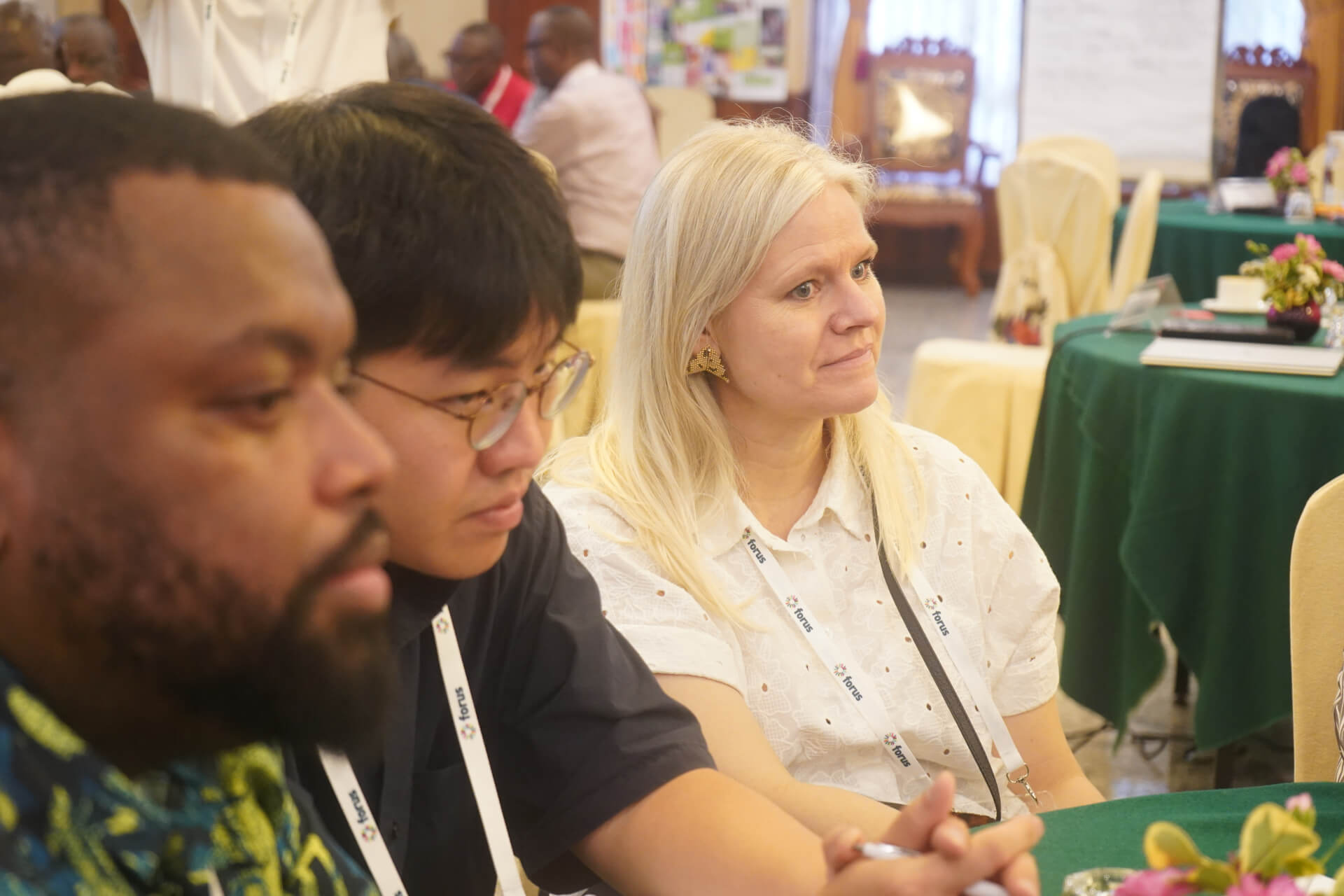
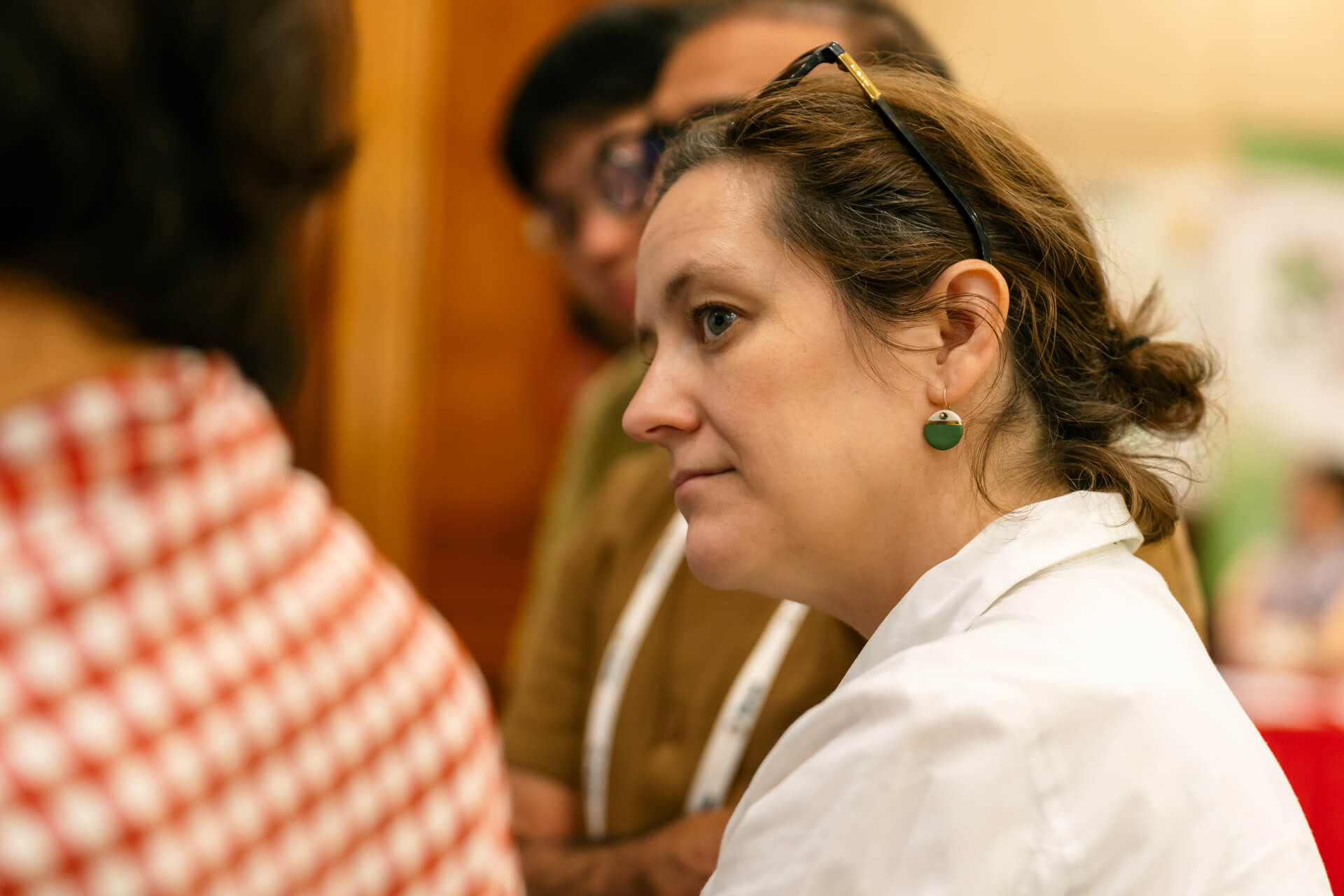
Watch the video recaps and the pictures from the Forus General Assembly below!
Fri 27 Mar 2026
#ForusGA2026 - Full recap