© Forus
© Kiiza

2025-12-24
Beyond Aid: How Women-Led Agroforestry Is Strengthening Food Security and Climate Resilience in Uganda
At the foothills of the Rwenzori Mountains in western Uganda, the sound of rushing water is never far away. During the rainy season, it rolls through valleys and villages—sometimes gently, sometimes with terrifying force.
For families living along these slopes in Kasese District, rain no longer signals relief. It brings fear.
Memories of the 2019–2020 major floods remain painfully vivid: muddy torrents tearing through villages, swallowing gardens, collapsing homes, and leaving entire communities hungry, displaced, and traumatized. What was once fertile land has, in places, become a battleground between people and an increasingly unpredictable climate.
This is Uganda’s climate frontline, where erratic rainfall, floods, landslides, and prolonged dry spells are reshaping daily life. And it is here that women—often with the least land ownership and decision-making power—are quietly leading one of the region’s most effective climate responses: agroforestry rooted in indigenous knowledge.
Women at the Frontlines of Climate Adaptation
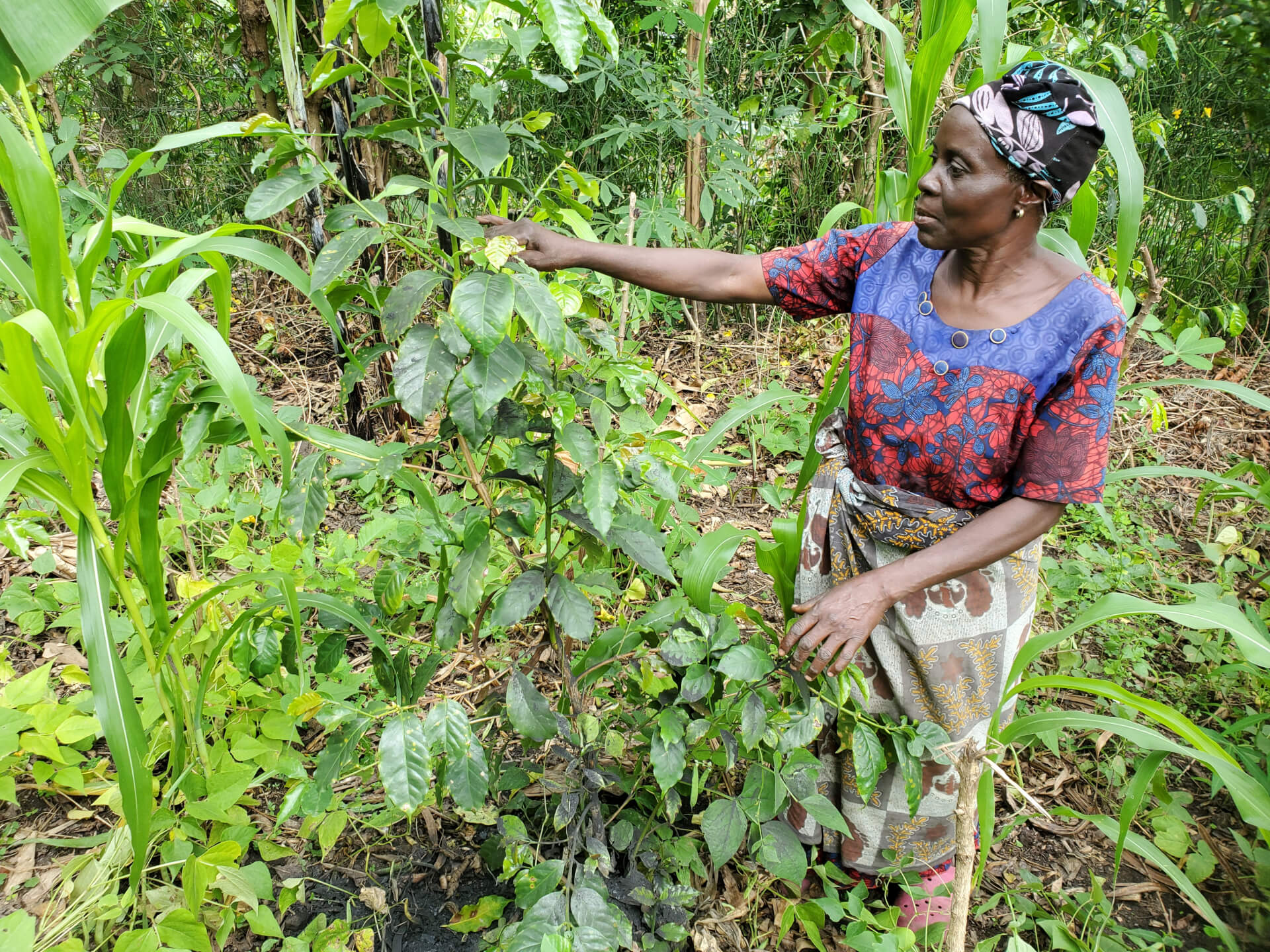
Margret Biira, a 60-year-old smallholder farmer in Kasese District, has spent decades cultivating the rocky slopes of the Rwenzori foothills. For years, strong winds, soil erosion, and declining yields threatened her survival.
Today, her farm tells a different story.
“Grevillea trees help control wind and soil erosion,” she says. “When you intercrop trees with food crops, the yields improve.”
Along the boundaries of her land, Biira planted Markhamia lutea, a fast-growing indigenous tree known for its deep roots and resilience. The trees now act as natural windbreakers, shielding crops from powerful mountain winds during the rainy season.
“Coffee, bananas, cassava, and beans planted near these trees are doing very well. Their leaves fall and decompose, acting as natural manure that adds nutrients to the soil,” Biira explains.
Unlike many exotic species, Grevillea has shallow, non-invasive roots, making it compatible with food crops. This balance has transformed land once dismissed as too rocky to farm productively.
But Biira’s success exists within deep structural limits.
Like many women in rural western Uganda, she does not fully own the land she cultivates. Customary inheritance practices largely favor men, with land passed through male lineage. Women often access land through marriage or family arrangements—rights that can be withdrawn in cases of separation, widowhood, or disputes.
This insecurity discourages long-term investments such as tree planting, which can take years to yield returns.
“Some people ask why a woman should plant trees on land she does not own,” Biira says quietly. “But if we wait for ownership, we will lose the soil, the food, and our children’s future.”
Cultural norms further limit women’s authority. In many households, men retain control over land-use decisions and income, even when women provide most of the labor.
Tree planting is often seen as a sign of permanence and ownership—a domain long considered male.
Margret Biira’s journey into agroforestry began after training by Ecotrust Uganda, a conservation civil society organization promoting sustainable land-use practices.
The training introduced women farmers to intercropping, indigenous tree planting, and soil-and-water conservation techniques tailored to the fragile Rwenzori slopes.
Yet institutional support for women-led initiatives remains limited. Access to quality seedlings, extension services, credit, and climate finance is often mediated through male-dominated farmer groups or requires land titles women rarely possess.
“Agroforestry has helped us adapt. It has reduced erosion and increased our resilience,” Biira says. “But women need secure land rights and real support to do more.”
Who Decides—and Who Is Left Out
In Uganda, decisions on climate action, forestry, and land use are largely made at the national level, shaped by ministries, technocratic agencies, donor priorities, carbon markets, and commercial forestry interests.
Policies such as the National Climate Change Act, the National Forestry Policy, and Uganda’s Nationally Determined Contributions are drafted in Kampala.
At the local level, district governments are expected to implement these policies but rarely control budgets or priorities.
For communities on climate frontlines like the Rwenzori slopes, participation often comes late—limited to sensitization meetings after decisions have already been made.
Women are the most excluded
Without land titles, they are frequently absent from consultations that require proof of ownership. Their daily labor sustains farms, yet their voices are missing from planning tables.
“Women do the farming, but they don’t sit where land and climate decisions are made,” says Dianah Nalwanga Wabwire of Ecotrust Uganda.
Civil Society Pushing the Boundaries
According to Wabwire, agroforestry is often misunderstood as simply “farming with trees.”
“In reality, indigenous land-management practices are deeply holistic; they are shaped by thousands of years of experience and observation,” she explains.
These systems continue to inform modern agroforestry, integrating trees, crops, and sometimes livestock to restore soils, conserve moisture, capture carbon, and protect biodiversity.
With natural forests disappearing—especially on the slopes of Mount Rwenzori—agroforestry is reintegrating trees into agricultural landscapes, balancing food security, livelihoods, and environmental health.
Beyond training farmers, Ecotrust plays a quiet but strategic advocacy role.
The organization documents community agroforestry projects and presents evidence to district and national authorities. It engages cultural institutions like the Obusinga Bwa Rwenzururu Kingdom, lending legitimacy to indigenous practices rooted in history and identity.
Ecotrust contributes to policy discussions linked to Uganda’s climate commitments, while also questioning forestry models that prioritize monoculture plantations and exotic species over community-managed indigenous trees.
“The challenge is that participation does not always mean influence,” Wabwire says.
Civic space is narrowing. Organizations that challenge land allocations or carbon projects face resistance. Funding cycles favor short-term pilots over long-term change.
Weak enforcement of land laws continues to exclude women from climate finance and compensation.
“Indigenous practitioners protect ecosystems, but they are rarely recognized as rights holders,” Wabwire adds.
Farming on Hill Land, Harvesting Hope
On her farm, Biira also plants pumpkins to cover the soil.
“These crops reduce evaporation during dry seasons and slow down runoff when it rains,” she explains.
Combined with trenches dug across slopes, rainwater stays longer in gardens instead of washing soil downhill.
“Before, this land was unproductive. Now I harvest bananas, cassava, coffee, and beans,” Biira says.
For Emmanuel Masereka, 65, coordinator of the Mbaihamia Healing Forest Initiative, agroforestry is survival.
After floods destroyed his village in 2019, he began teaching communities how indigenous trees defend against disasters. His land now hosts Markhamia, Ficus, bamboo, and Dracaena—living barriers against erosion.
“These trees are shields; they protect our homes and our lives,” Masereka says.
Across Kasese, women like Biira are reshaping land use not through policy documents, but through practice. Their farms are evidence. Their resilience is argument.
This article is written as part of the Forus journalism fellowship programme. Learn more here
Our Campaigns on #Positive Narratives


2025-12-23
News
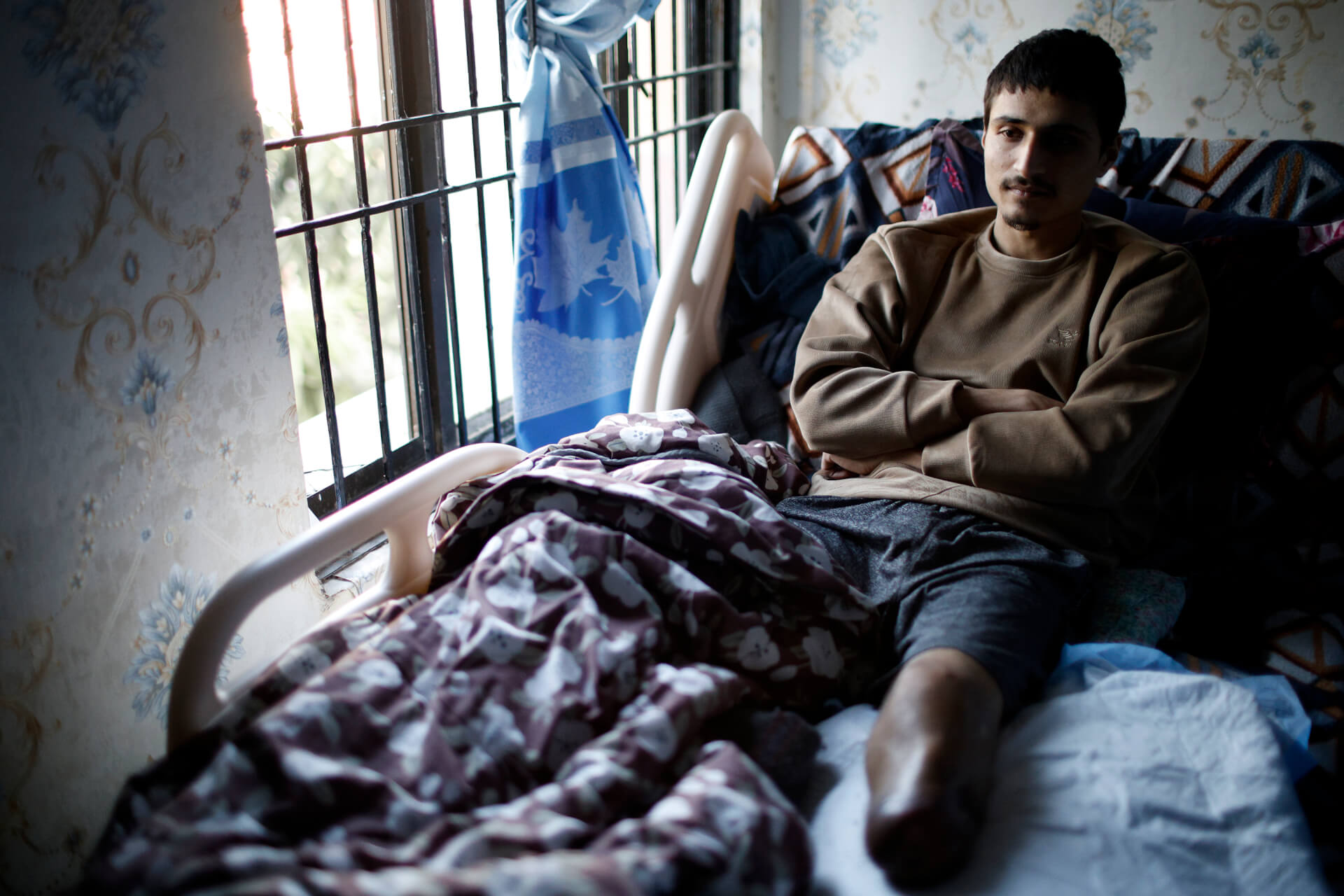
Unbroken Spirit of Mukesh Awasthi: As Nepal’s Youth Demanded Transparency and Dignity, a Single Bullet Changed Everything Just months ago, Mukesh was a young man in motion. His bags were figuratively packed for Australia, where he planned to pursue civil engineering. Today, he is a symbol of a generation’s broken heart.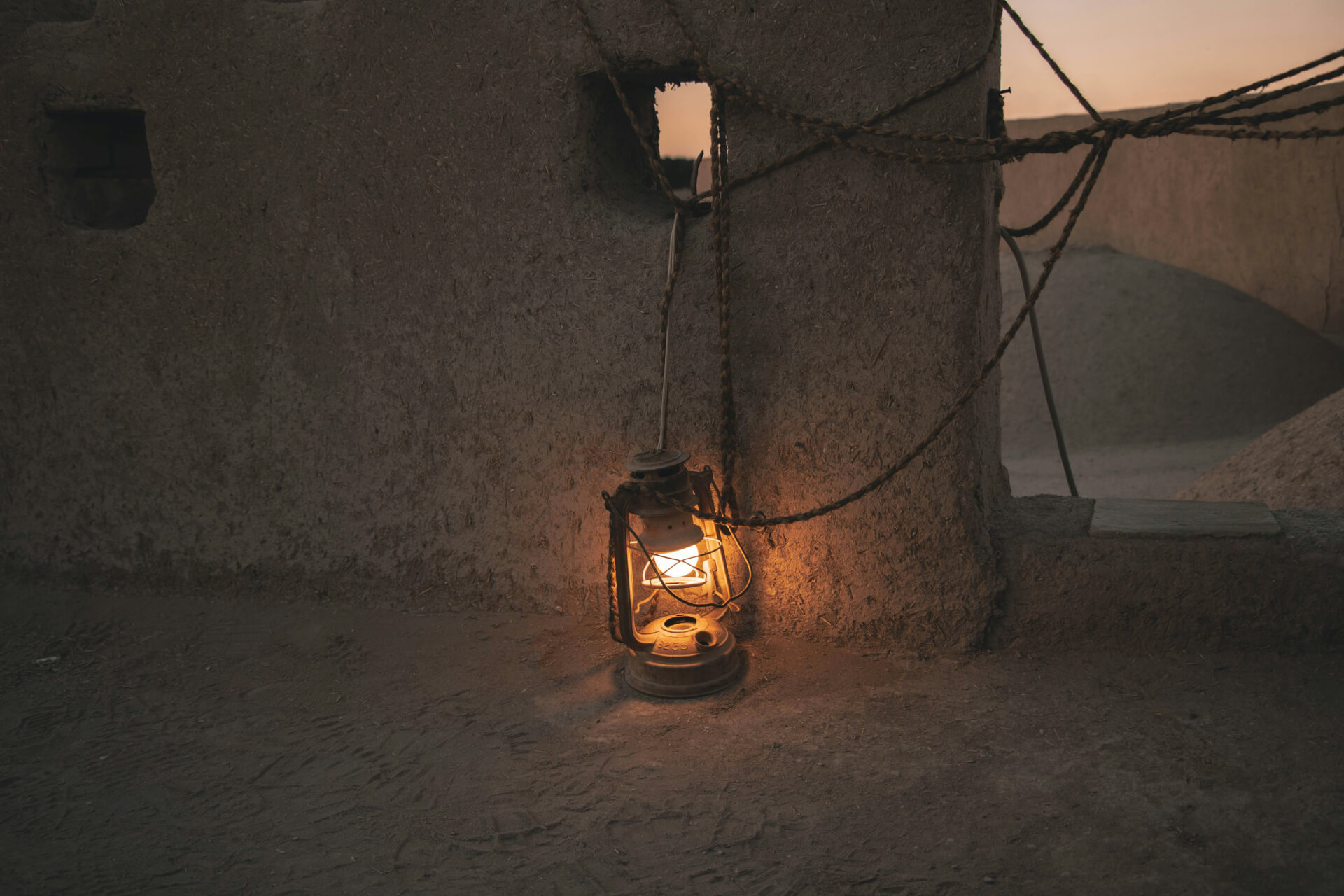
2025-12-18
News
Energy crisis in Mali: between citizen resilience, civil mobilisation and restrictions on civic space For several years, Mali has been experiencing a deep energy crisis, marked by recurrent power cuts, recently exacerbated by a persistent fuel shortage. Entire neighbourhoods are plunged into darkness for days, sometimes weeks. Petrol stations are running dry. Generators – the last line of defence for many households, hospitals and small businesses – remain idle due to a lack of diesel fuel.