2023-03-21
Botswana: how do NGOs contribute to the achievement of sustainable development goals?
By BOCONGO Secretariat Programs & PR Departments
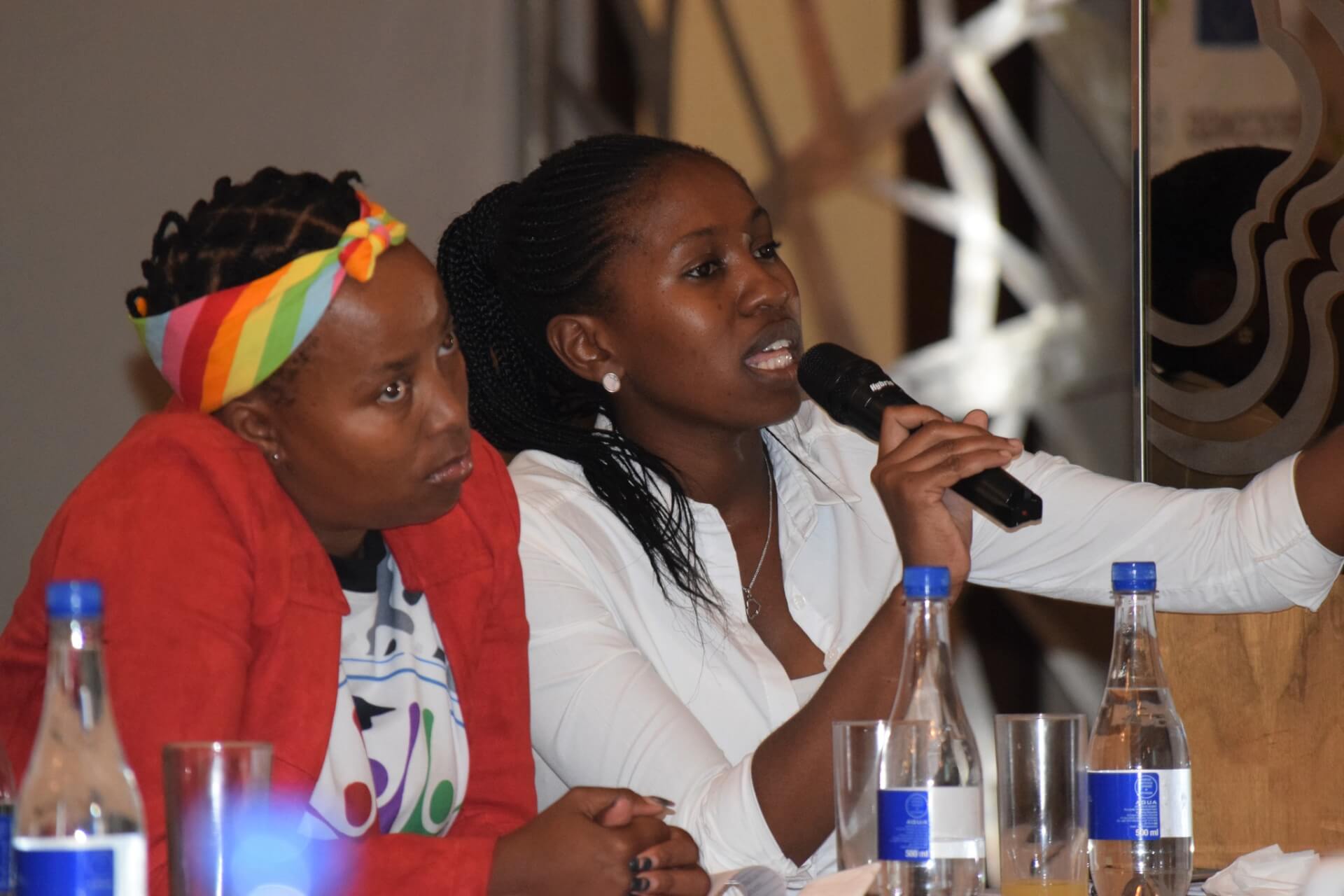
On February 7th 2023, BOCONGO held a workshop for its members on the lessons learned from the Botswana NGO post covid-19 recovery strategy and sustainability plan for repositioning NGOs for optimum contribution to the achievement of sustainable development goals project. The validation for this activity was the realization that various Forus network members have been affected differently by Covid-19 and certainly the lessons from Botswana’s experiences from coping to evolution into a formidable development player and partner would be worthwhile sharing with counterparts. Stakeholders and beneficiaries engagements were carried out through key informant interviews, focus group discussion, questionnaires and other data collection tools to provide feedback on various aspects of the project implementation processes.
A stakeholder validation workshop was also conducted to facilitate further scrutiny and consensus. The findings are, even though developing a CSO Post Covid-19 Recovery and Sustainability Plan was a great initiative, the timing was not very suitable for an informative and effective process and product. This is because, a lot is still not yet known to determine a clear-cut path as there are so many changes happening in the national development environment. Furthermore, CSOs realized through their engagement during implementation of the Recovery and Sustainability Agenda that it is much bigger and more complex than envisaged at design stage. Secondly not-for-profit essence of CSOs is a hindrance to growth and sustainability as well as partnership with Government in development.
However, BOCONGO and its members came to the realization that CSOs that have international origins and registered in Botswana as companies limited by guarantee are fairly financially stable, with reliable and predictable resources to support their programmes compared to local CSOs. This reality compromises the prospects of sustainability and optimum contribution to the achievement of Sustainable Development Goals. In addition, the increase of CSOs in the broader development arena makes them collectively weaker as they compete for resources and more often, from the same sources.
BOCONGO found that monitoring and evaluation is weak in the entire CSO movement due to insufficient monitoring and evaluation experts. This reality makes CSOs monitoring of National Development Plans and SDGs a nightmare and that most CSOs have never operated at full capacity since their establishment and therefore to begin to talk of growth and sustainability is unimaginable.
Lastly, there is also a predominant perception of poor accountability amongst CSOs by many stakeholders, including Government, Development Partners and Private Sector. This perception makes CSO resource mobilisation efforts very difficult This Project supported by Forus, in cooperation with AFD, was a significant eye-opener to Botswana CSOs as it created platforms for introspection and deep reflections on possible pathways towards the development of a Botswana NGO Post COVID-19 Recovery Strategy and Sustainability Plan for Repositioning NGOs for optimum contribution to the achievement of Sustainable Development Goals.
However, a lot is still yet to be known in order to inform the repositioning of CSOs. Specifically, the new development trajectory driven by the Government, anchored on a knowledge Based Economy needs to be understood to facilitate alignment for greater complementarity.
Botswana CSOs should tremendously work towards rebuilding their reputations of poor accountability by establishing robust accountability systems and practices in order to attract partnership essential to support their initiatives.