2023-02-23
Central Africa: Awareness campaign on the narrawing of civic space
By Danielle NLATE, Rigo GENE, Olivier INDOUMA, Jacques NGARASSAL (respectively, President of the National Platforms of Cameroon, DRC, Gabon and Chad)
Foreword
In Central Africa, there is a phenomenon of excessive shrinking of civic space. This phenomenon is undoubtedly a brake on activities and freedoms that contribute to the proper functioning of democracy and, in turn, to the development of the region's states. Given the importance of the issue, it is necessary that civil society organisations, NGOs, the media, judicial and police authorities, political parties and administrative authorities address this issue together in order to make the population aware of their rights and fundamental freedoms.
Conflicts, epidemics and natural disasters continue to have a strong impact on living conditions, on the high level of poverty among the population, on the poor public infrastructure and social services, and on the dynamics of inter-community conflicts over natural and mining resources. Structural problems such as the limited access of the population to quality basic services, the inadequacy of public development and social protection policies for the most vulnerable, as well as profound gender inequalities remain.
It is in a regional context marked by restrictions on civic space and a decline in freedom of association, assembly and expression that these campaigns have been organised, thus undermining human rights, especially in countries in conflict such as Cameroon, the Democratic Republic of Congo, Gabon and Chad.
Summary
To better protect the civic space in Central Africa and to allow citizens to fully participate in public life, to take stock of the improvement of the civic space in the four countries chosen according to the circumstances, as well as engage in exchanges with all the participants in order to find solutions to the shrinking of the civic space.
Freedom of association is one of the general and specific objectives of these public awareness campaigns on the shrinking civic space in Central Africa, specifically in Cameroon, DRC, Gabon and Chad.
The civic space reduces the margins of action, expression and fundamental freedoms of citizens, thus undermining human rights. These multiparty meetings brought together all the stakeholders present and opened up a space for multi-stakeholder and inter-patriotic dialogue and exchange.
All in all, the expected results were to see the situation of the civic space in the four countries taken as a sample for Central Africa being known by all, with a total of more than 200 participants in all the campaigns and these campaigns brought together political and administrative authorities, the judiciary, journalists, media managers, human rights activists and leaders of civil society organisations.
Introduction
Human rights in Central Africa are no longer guaranteed. We constantly live in a world where civil society actors, journalists and human rights defenders are subject to repression, prosecution and arrests when defending their rights, leading to a shrinking of civic spaces.
Violations of civic space do not affect all civil society groups in the same way or to the same extent. Our monitoring clearly shows that civic actors such as journalists, human rights defenders (HRDs) and those who organise grassroots demonstrations are likely to be more affected by infringements of fundamental freedoms.
Of the three freedoms monitored by the CIVICUS Monitor, freedom of expression, is the one most often targeted by repressive regimes. This conclusion is based on an analysis of 1,433 reports on civic space posted on the Monitor CIVICUS website over the past two years. The analysis shows that attacks on journalists and censorship are the most frequent violations, appearing in over a quarter of the reports. States regularly violate the right to freedom, of peaceful assembly through the excessive use of force, the detention of demonstrators and the banning of demonstrations. The list of the top ten violations documented by the Monitor CIVICUS is completed by cases of harassment, intimidation and detention of civil society activists, and the introduction of repressive laws that do not respect international law on civil space.
Indeed, the change we are looking for is the improvement of the environment for increased participation of people in the development of countries. Without this environment of peace, respect for human rights and fundamental freedoms, we cannot expect harmonious, just and equitable development.
Results
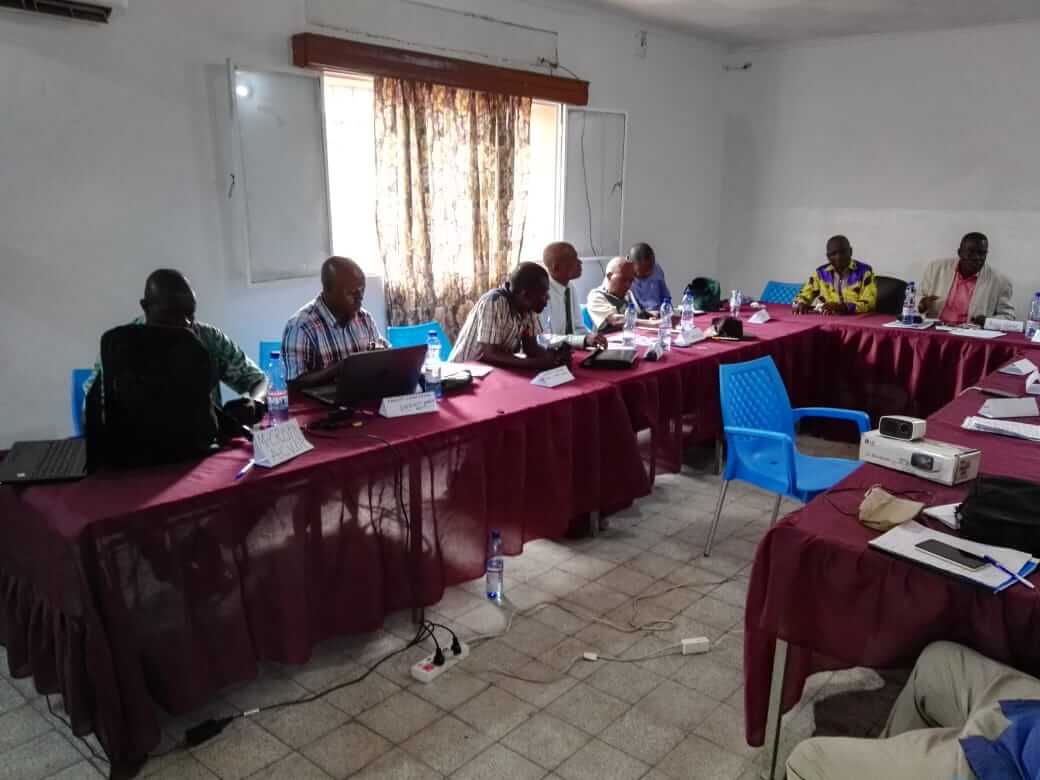
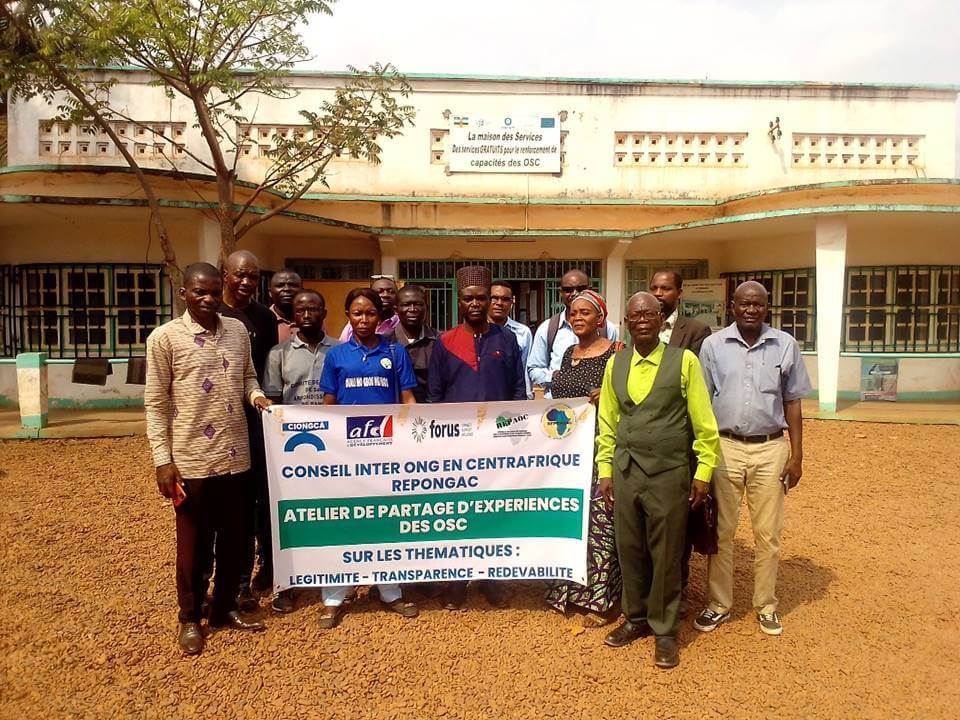
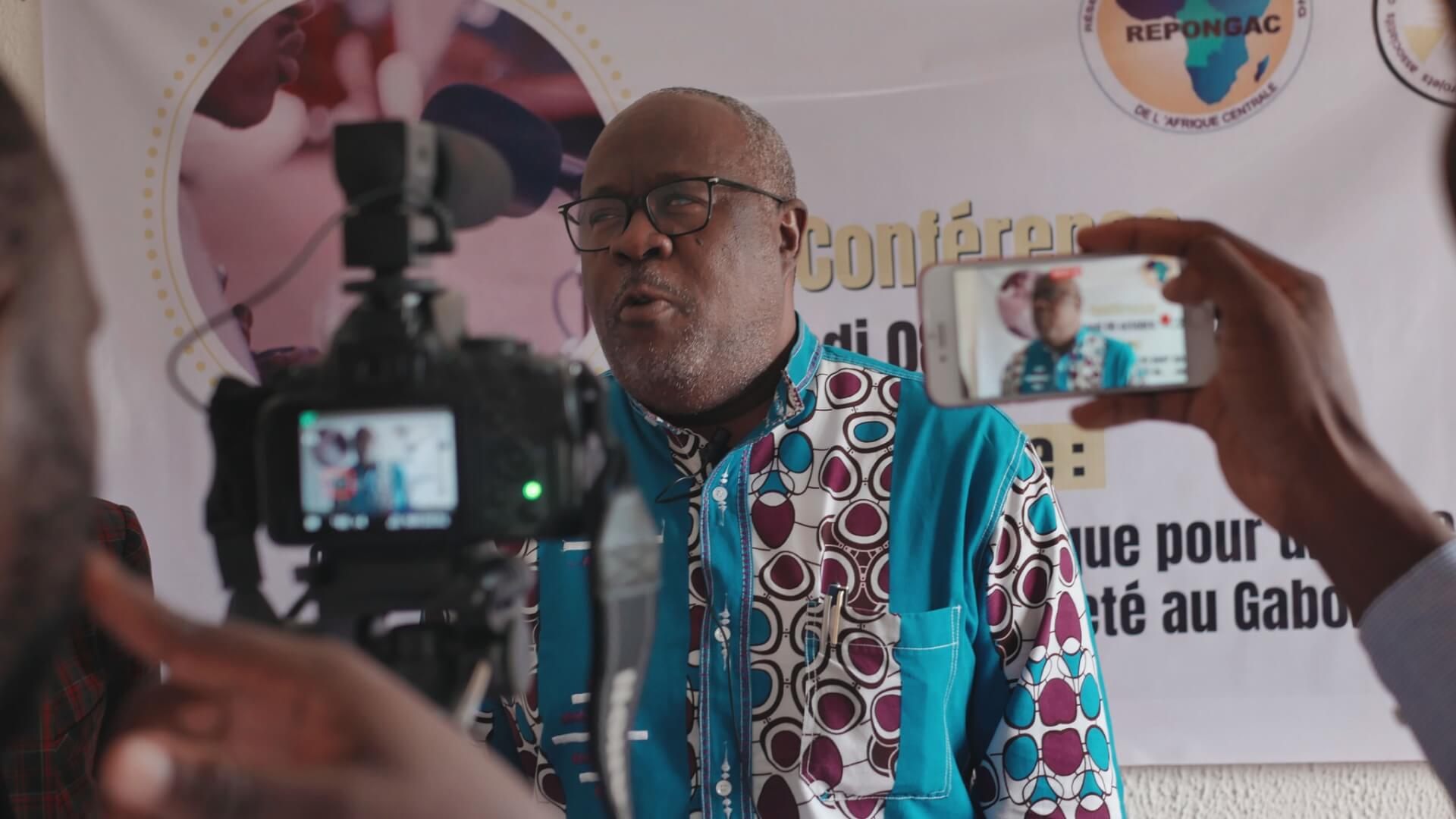
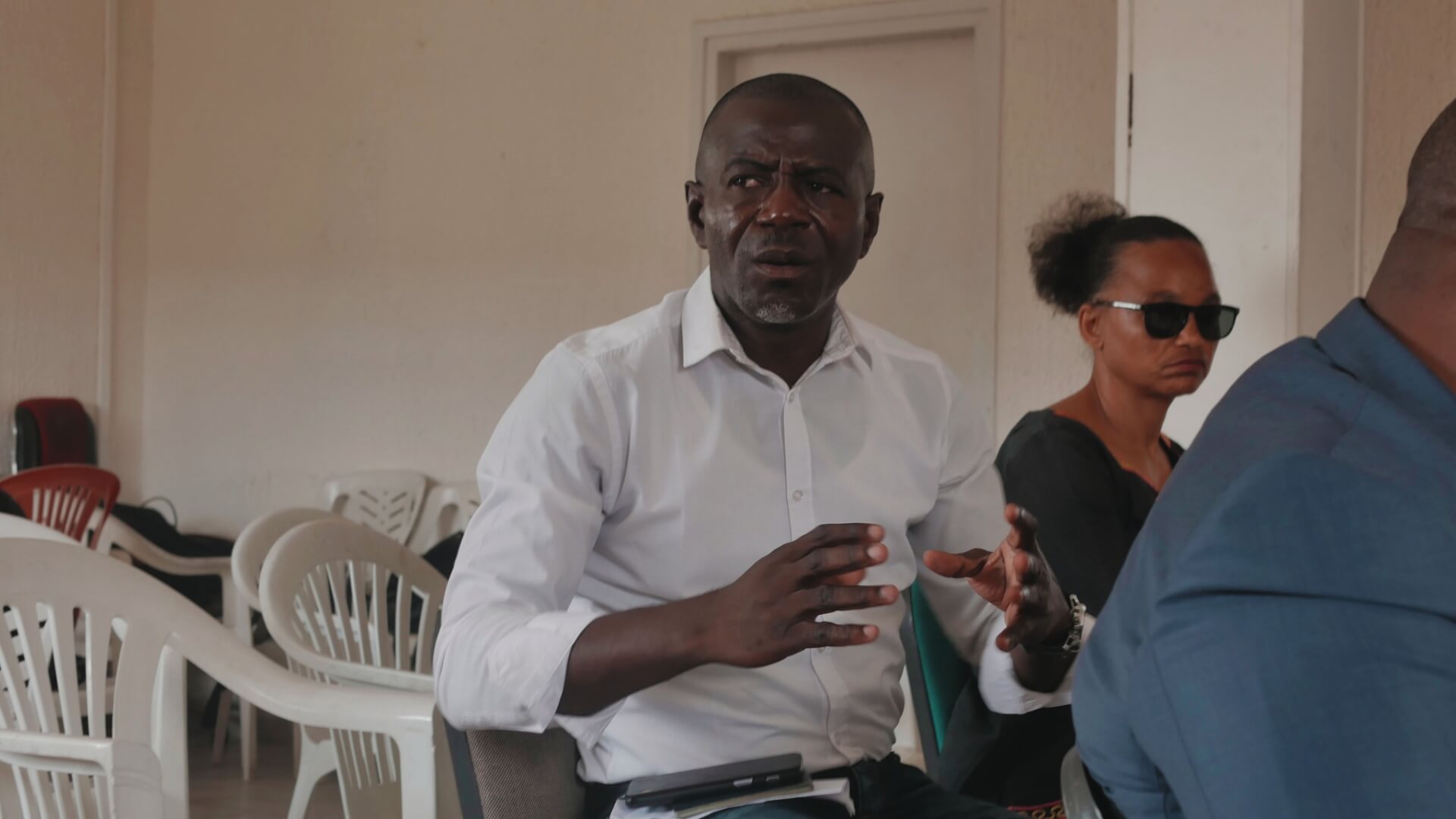
The public awareness campaigns on the shrinking of the civic space were organised by REPONGAC in partnership with the National Platforms of COPAD in Yaounde, Cameroon, CNONGD in Kinshasa, DRC, ROPAGA in Libreville, Gabon and CILONG in Ndjamena, Chad. These meetings were attended by staff of the state police services, particularly the Inspectorate General, delegates from political parties, parliamentarians, journalists and actors from civil society organisations, including press and media organisations (Journalists in Danger, etc.).
The four campaigns brought together nearly 200 people, including 69 participants in the DRC, 52 in Cameroon, 43 in Gabon and 35 in Chad.
Methodology
In terms of methodology, the Regional Coordinating Office involved the national platforms by signing a service contract after sending a concept note that was freely accepted by each national platform.
In Cameroon, the contract was signed with the COPAD platform, in DRC with CNONGD, in Gabon with ROPAGA and in Chad with CILONG.
In each country, an organising committee was set up with a facilitator and a rapporteur appointed to lead the debates. Several speakers were selected to bring their expertise in the field.
Results of the activities
The discussions between participants resulted in the following state of play, difficulties and roadmap:
State of the civic space
- The existing space for freedom of association, expression and the press is characterised by an upsurge in attacks on journalists, demonstrators and the media, despite the existence of the law on freedom of demonstration, public institutions and support for democracy. More specifically, in the area of freedom of the press, in the space of 3 to 4 months, we have recorded at least 75 cases of violations, including arrests of journalists and closures of media outlets.
- In the area of human rights, freedom of expression and opinion as well as freedom of assembly and association, are guaranteed by law. In addition, there are public and legitimate institutions, elections are organised; the creation of a framework between civil society and sectoral ministries; and laws on the protection of human rights defenders are included in parliamentary sessions.
Challenges
The narrowing of the civic space is a result of the following facts, in particular:
- The existence of obsolete and repressive legal frameworks dating back to the era of dictatorship under colonisation or the independence years;
- The impunity enjoyed by the perpetrators of press freedom violations, the instrumentalisation of the press for political interests, the absence of organic laws on access to public information, etc;
- The fact that duty-bearers (public authorities) do not assume their overall responsibility in several contexts, thus not guaranteeing the full exercise of public freedoms by rights-holders (citizens, civil society organisations, journalists), in particular the right to demonstrate, organise and express themselves;
- The shared responsibility of rights-holders and duty-bearers in certain situations: the police, who should simply supervise demonstrators during a peaceful march, often engage in acts of repression; demonstrators, for their part, do not adopt the practices of active non-violence and often provoke the police by throwing projectiles at them, etc. ;
- The bad practices of political parties or groupings in the exercise of freedoms, in particular the failure to respect the itinerary agreed with the police, and or the failure to supervise their members and supporters among the demonstrators, etc;
- The lack of civic education and the use of violence by demonstrators, members and supporters of political parties or groupings;
- The abuse of their rights and freedoms by citizens, the rights holders; in particular by the noise of bars, churches, etc;
- The corruption that plagues the justice system, preventing it from playing its role in protecting public freedoms
Roadmap of actions to improve civic space
In order to improve the civic space in Central Africa, the participants formulated a number of action strategies that are part of the roadmap.
The various stakeholders at this meeting committed themselves to implementing, in a concerted manner, these various actions in the short and medium term, under the coordination of the platforms, in their role as umbrella organisations for civil society.
Overall, these strategies are as follows:
In the short term
- Advocacy for the enactment of the Access to Public Information Act;
- Strengthening civic and moral education of the population
- Strengthening the capacities of the media;
- The establishment of frameworks for consultation and dialogue with the public authorities at different levels, political parties and civil society in order to pacify public demonstrations and put an end to the arbitrary arrests of journalists and other civil society actors in the course of their activities;
- Training young people in civic-mindedness and active non-violence;
- Support for advocacy for the promulgation of the law on the protection of human rights defenders.
In the medium term
- Reform of the current repressive legal framework, the Law on the exercise of freedom of the press;
- The revitalisation of institutions supporting democracy;
- Conducting advocacy and lobbying for the implementation of the recommendations of the General Assembly of the Press;
- Strengthening the capacities of the police, security services and civil society organisations in the area of civic space;
- Strengthening the police force and extending community policing to all provinces;
- Supporting the General Police Inspectorate in its mission to control and monitor the behaviour of police officers and police services.
As in all work, there is monitoring and evaluation to conclude whether or not the work should continue. The activities implemented are those related to the current context in Central Africa.
Conclusion
Civil society organisations, journalists, human rights activists, political party leaders, and police and judicial authorities showed great interest in this topic, to the point of requesting that a space for regular exchanges and multi-actor dialogue be set up to enable everyone to participate in the fight against violations of freedoms and to reduce the shrinking of civic space in our countries and in Central Africa. All the participants committed themselves to popularising the conclusions of the present meeting and to creating mechanisms for building trust between social actors and public and private administrations. The administrative authorities committed themselves to facilitating the obtaining of receipts or authorisations for the existence of civil society organisations. UNOCA and ECCAS have increased their demands on civil society. Thus, UNOCA and ECCAS organised regional forums on the development of a draft regional strategy and action plan for the prevention and fight against hate speech in Central Africa, during which REPONGAC was invited to make contributions.