© Forus
©Forus


2026-01-19
Feminist Organisations Defending Civic Space in West Africa
How Civil Society Networks Push Back Against Shrinking Freedoms
Across West Africa, the enabling environment is under growing pressure, and feminist organisations are often on the frontlines of this struggle. As governments impose restrictions on freedom of assembly, expression and association, women-led civil society groups are forced to navigate shrinking spaces while continuing to advocate for gender justice, accountability, and democratic participation.
Within this context, Forus member organisations and national civil society platforms are playing a critical role — not only in defending the enabling environment for civil society, but in coordinating feminist advocacy, amplifying local voices and sustaining collective action across borders.
Structural Constraints on Feminist Civic Action
Feminist organisations across the region face persistent barriers: restrictive administrative procedures, selective authorisation of protests, and informal pressures that limit public mobilisation. These challenges are compounded by unequal access to funding, as gender-focused initiatives are often sidelined in favour of security or humanitarian priorities.
National civil society platforms have increasingly become key intermediaries — connecting feminist organisations to policy spaces, regional advocacy and international solidarity mechanisms.
Mali: Feminist Advocacy Under Insecurity and Transition
In Mali, prolonged political transition and insecurity have significantly narrowed civic space. The Federation des Collectifs d’ONG du Mali (FECONG), a Forus member, has documented how overlapping crises have weakened the operating environment for feminist organisations.
According to Ahmed Sekou Diallo, Treasurer at the organisation, funding streams have shifted dramatically:
“Most available resources are now directed toward security and humanitarian response. Feminist organisations struggle to access sustainable funding for advocacy and policy engagement.”
Despite these constraints, feminist networks continue to operate through community education, discreet mobilisation and legal advocacy. Other groups such as the Coordination des Associations Féminines (CAFO) have maintained dialogue with authorities and contributed to legislative advances, including Mali’s Law 052 on the promotion of gender equality.
FECONG plays a coordinating role by convening feminist organisations, facilitating advocacy training and ensuring that gender justice remains visible within broader civil society agendas.
Senegal: Political Tensions and Selective Participation
In Senegal, civic space remains comparatively open but increasingly contested.
The Conseil des ONG d’Appui au Développement (CONGAD) — another Forus member — reports growing restrictions on public demonstrations and heightened scrutiny of civil society actors during periods of political tension.
According to Malick Ndome, Programme Coordinator at CONGAD:
“Authorities increasingly select which civil society actors are invited into consultation spaces. This creates a divide between so-called ‘acceptable’ organisations and those perceived as critical.”
For feminist organisations, these dynamics intersect with persistent gender bias. Advocacy on issues such as reproductive rights, political representation and gender-based violence is often framed as socially sensitive, limiting access to decision-making arenas.
The Conseil Sénégalais des Femmes, working alongside CONGAD, continues to push for inclusive governance and greater representation of women in political institutions, while navigating increasing constraints on protest and public expression.
Collective Power Through Civil Society Networks
Across both contexts, Forus member platforms demonstrate how collective civil society action strengthens feminist advocacy. By linking feminist organisations to regional networks, legal expertise, and international advocacy spaces, platforms like FECONG and CONGAD help transform isolated struggles into coordinated influence.
These networks contribute to:
- Shared advocacy strategies
- Cross-border learning on civic space protection
- Stronger engagement with regional mechanisms such as ECOWAS
- Increased visibility for feminist voices in international policy debates
Defending Civic Space Is Defending Gender Justice
The experiences of feminist organisations in Mali and Senegal highlight a fundamental reality: civic space is a gendered issue. When freedoms shrink, women’s movements are among the first affected — but also among the most resilient.
Through coordination, solidarity, and strategic advocacy, Forus members and their feminist partners continue to defend the right to organise, speak and shape public life. Their work underscores a central lesson for the region: protecting the enabling environment is not only about democracy — it is essential for advancing gender justice and inclusive development.
This article is written as part of the Forus journalism fellowship programme. Learn more here
Our Campaigns on #Positive Narratives

2026-01-15
News
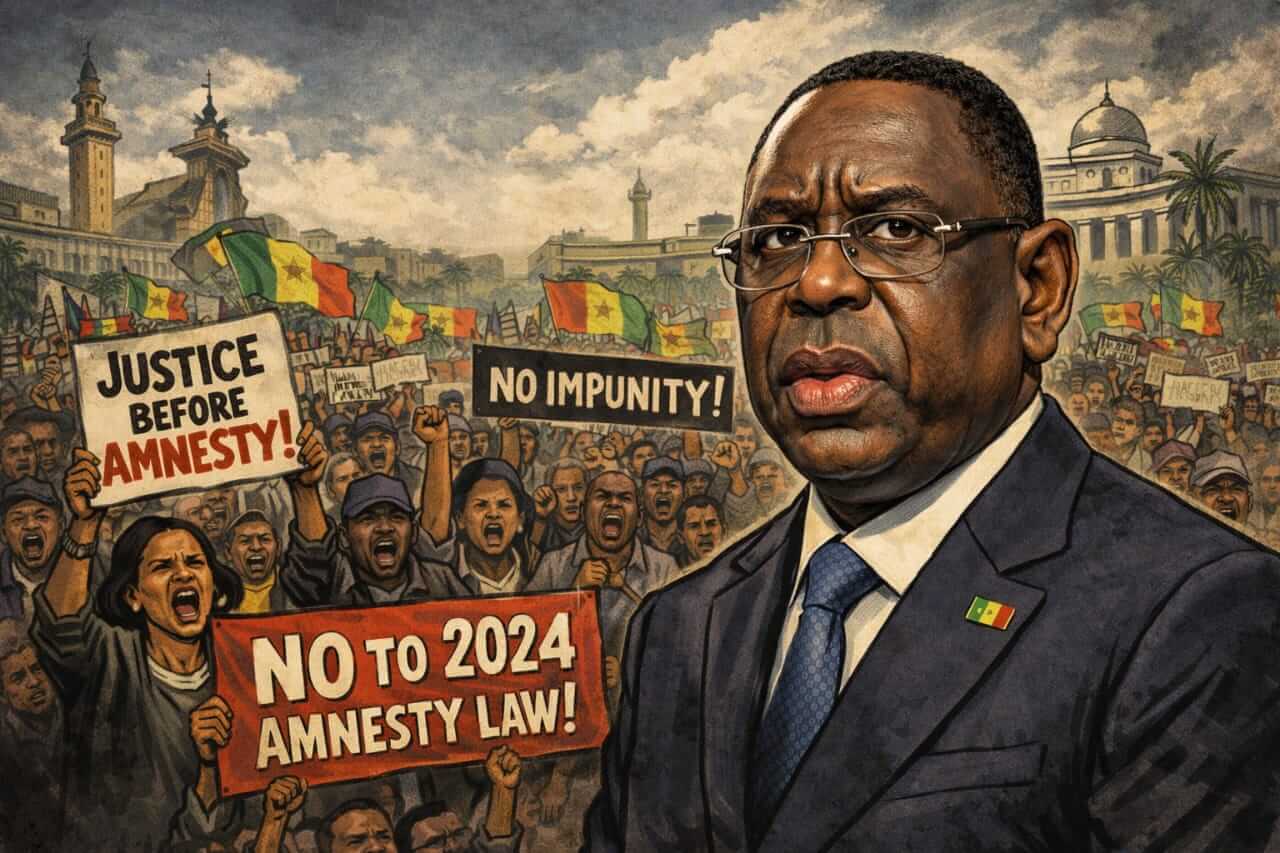
The Collective Shield: West Africa Civil Society’s United Front Against Restrictions on Civic Space- Case of Togo and Senegal The events in Togo and Senegal in 2024 show two different faces of the same crisis: the civic space is in dire need of being protected, and political dissent has become the number one enemy in these countries. At that point, Senegal, once the beacon of democracy in the West African subregion, reduced itself to a dictatorial state, showing how it used Amnesty to bury the past, while Togo used the constitutional amendment to control the future.
2026-01-05
Forus in Media
Sobre los rieles de Yucatán: crónica fotográfica del Tren Maya El Tren Maya, una línea de ferrocarril de 1.554 km que conecta cinco estados del sur de México, fue uno de los proyectos más controvertidos del presidente Manuel López Obrador. El cronista Paul Antoine Matos hizo el recorrido completo para entender cómo la obra está cambiando la península de Yucatán.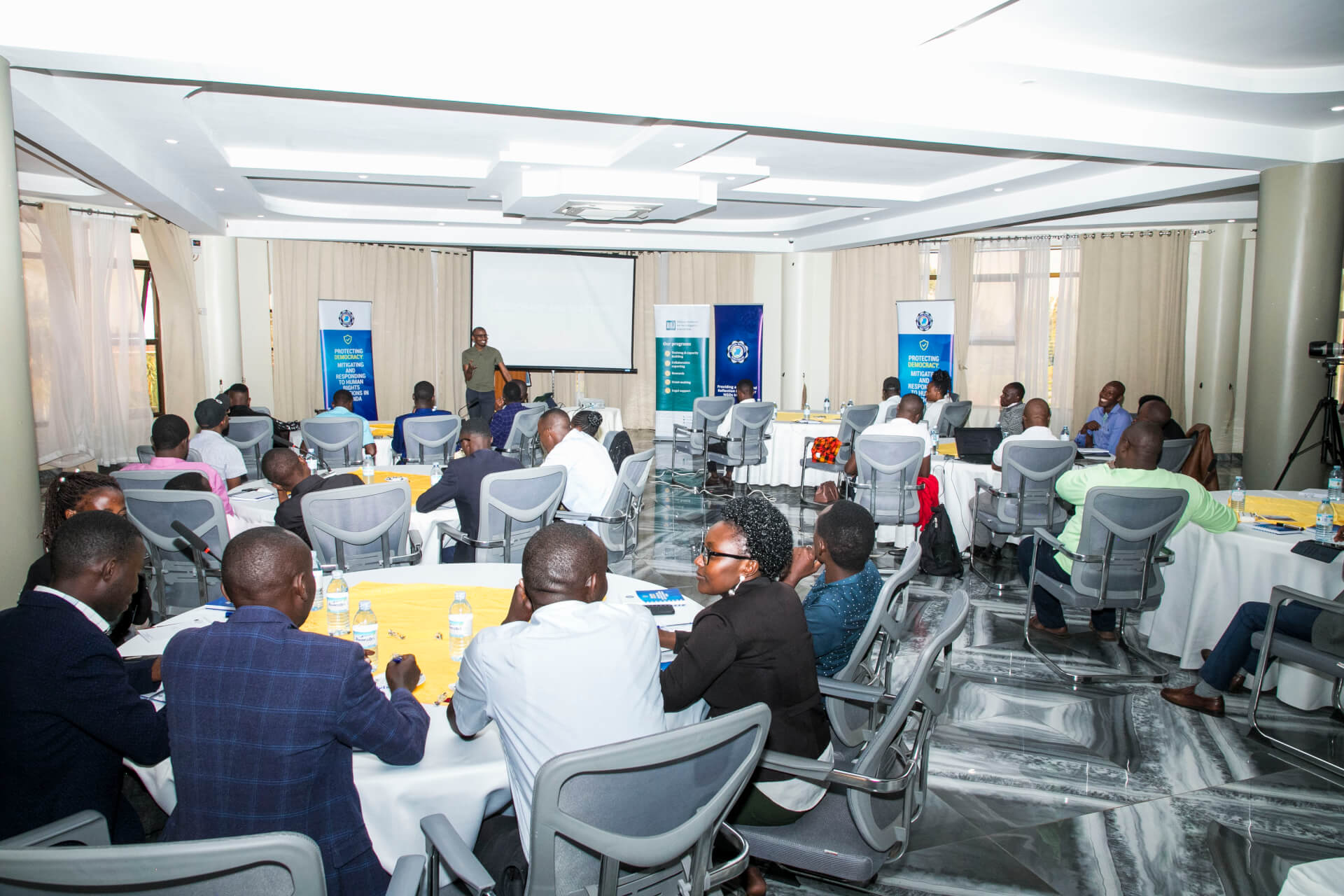
2026-01-05
News
As Uganda Heads to 2026 Polls, Civil Society Turns to Peace Journalism to Protect Democracy As Uganda heads toward general elections scheduled for 15 January 2026, memories of past election-related violence particularly against journalists remain fresh. In response, civil society organizations are stepping up efforts to protect civic space by equipping journalists with skills in peace journalism, ethical reporting, and personal safety, recognizing the media’s central role in sustaining democratic participation.