© NGO Forum on ABD
© Both Nomads/Forus
2025-06-20
Financing for development conference: “What we need are bold commitments”
20 June 2025 | For Immediate Release
Seville, Spain – Forus, a leading global network of national NGO platforms and regional civil society coalitions representing over 24,000 NGOs, will bring a 30+-member delegation from 20 countries to the Fourth International Conference on Financing for Development (FFD4), held in Seville from 30 June to 3 July 2025.
Under its current form, the Compromiso de Sevilla - the outcome document and final text of FFD4 agreed on June 17 ahead of the conference in two weeks - reads like a mildly improved version of business as usual with weak commitments. To avoid being derailed FFD4 must act with clarity and courage.
As governments, multilateral institutions and civil society prepare to gather for what could be a “watershed moment” for international financial reform, Forus is calling for bold commitments to tackle systemic inequalities and root-causes.
Key Asks from Forus for FFD4:
-
Redesign the global financial architecture: Establish a UN-led, democratic and accountable system that centres Global South representation and prioritises equity over geopolitics.
-
Launch a UN Convention on sovereign debt: Introduce a binding mechanism for fair and transparent debt restructuring and cancellation.
-
Safeguard civil society: Reverse ODA cuts, ensure flexible, long-term funding, and formally engage CSOs in public development finance while promoting and keeping informed about their enabling environment.
-
Advance tax justice: Support the UN Framework Convention on International Tax Cooperation to replace outdated OECD-led systems and implement global solidarity levies.
-
Align public finance with justice: Reject over-reliance on private finance and Public-Private Partnerships; scale up grant-based and concessional public financing, including for climate and gender justice.
In the run-up to FFD4, Forus is also backing the “We Stand with Billions, Not Billionaires” and “Era of Justice” campaigns, which both advocate for debt cancellation, fair taxation, and a democratic transformation of the global financial system. Continued pressure is needed during and beyond FFD4 given limitations of the global financial architecture reform in the Final Draft of the Compromiso de Sevilla - FFD4 Outcome Document. While UN members states have applauded the success of a reaching a consensus document, calls by civil society and many global south countries for a meaningful intergovernmental process towards the redesign of the global financial architecture such as the proposed UN Debt Convention were compromised.
Forus will be active throughout the official FFD4 programme, the Feminist Forum and the Civil Society Forum (28–29 June), amplifying the perspectives of national NGOs, regional coalitions and community-led organisations through side events, public statements, and media engagements.
QUOTES FROM ACROSS THE FORUS NETWORK
“What we need today are bold commitments to rebuild step-by-step a financial system where human dignity and participative governance are the core, not the periphery,” says Christelle Kalhoule, Forus Chair and civil society leader in Burkina Faso.
"In Côte d'Ivoire, our current challenges are rooted in financial, social, and political exclusion. What we need is to strengthen our fiscal systems to better finance essential public services. We must adopt responsible strategies to reduce external dependency, manage debt wisely, and invest in equitable development. It is also crucial to reinforce transparency and citizen participation—especially by involving civil society—so that policies and practices truly respond to the needs of all, particularly young people, women, and persons with disabilities," says Mahamadou Kouma, the Chairman of the Board of Directors of the Convention de la Société Civile Ivoirienne (CSCI), the national platform of civil society organisations in Côte d'Ivoire.
"The implementation of flawed global financial policies resulted in MDG failure which now threatens SDG failure. The situation worsens because climate disasters including heatwaves, uneven rainfalls, countrywide floods, and droughts are causing severe stress to Pakistan’s struggling system. The continuous cycle of unfairness and social inequality must come to an end. The time to act is now," says Zia ur Rehman, Chairperson of Pakistan Development Alliance.
"I call on the donor communities, the Inter-agency task forces and development agencies to fully support the 2030 Sustainable Development Agenda. Without this support, we cannot achieve its goals. Take Nepal, for instance—due to the high cost of implementation, even achieving these goals remains uncertain. Many communities are still suffering from poverty, food insecurity, poor health, lack of sanitation, and more. I urge the international community, donors, and governments to make real commitments to the poor and marginalized people,” says Arjun Bhattarai, President at NGO Federation of Nepal (NFN).
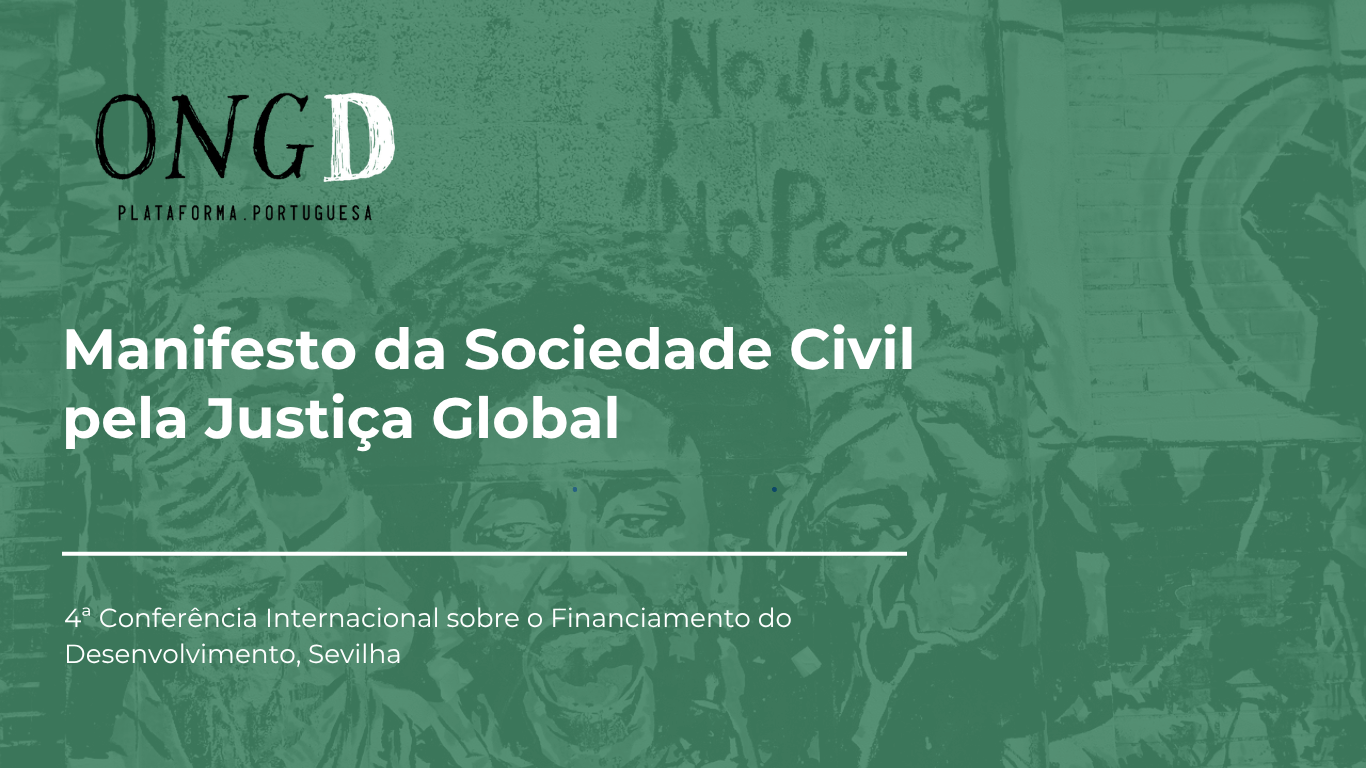
“Countries from the global south, those that are most affected are often excluded from shaping the rules that directly impact their futures. And so this lack of democracy means that aid flows and financial decisions are too often tied to the political or economic interests of donor countries rather than the actual needs and priorities of communities,” says Mafalda Infante, Advocacy and Communications Officer at the Portuguese Platform of Development NGOs, sharing their recently released Civil Society Manifesto for Global Justice calling for change and a restoration of fairness at FFD4 and beyond.
“To reduce debt, we must still find ways to mobilize resources—resources that could otherwise finance education, health, and other vital social services. Even if debt levels are under control, the burden of interest payments limits our ability to invest where it's needed most. When a state is forced to repay debt instead of funding schools and hospitals, it's the most vulnerable who pay the price. In 2022, the Democratic Republic of Congo (RDC) received over $3.2 billion in public and development aid—a crucial source of funding for health, education, and social services. In fact, more than a quarter of health funding in the RDC depends on external support. Recent cuts to Official Development Assistance (ODA)—a 7% reduction—now directly threaten maternal health, vaccination programs, and the fight against malaria. These losses risk undoing years of progress. We urgently need stable, sustainable funding to stay on track toward our shared development goals.
I make a special appeal to world leaders: our countries don’t need charity—they need financial justice. It’s time to build a fairer global system that truly reflects the needs of people on the ground. This is of vital importance. We are counting on the decisions made in these global forums to be different this time—based on firm commitments and clear actions. Let’s act not only for those providing assistance, but more importantly, for those who depend on it,” says Rigo Gene, Secretary General of CNONGD, the Conseil National des ONG de Développement, the national NGO platform in the Democratic Republic of the Congo.
"We express our deep concern over the persistent structural imbalances in the international financial system that continue to marginalize societies of the Global South. Development financing must not perpetuate cycles of debt, austerity, and dependency. Instead, it must be grounded in democratic governance, fair taxation, climate justice, and respect for human rights. It's also crucial to promote inclusive decision-making by strengthening the role of the United Nations in global economic governance, countering the dominance of informal and exclusive clubs such as the OECD," says Henrique Frota, Executive Director of the Brazilian Association of NGOs (ABONG) and former C20 Brazil Chair.
📅 Forus FfD4 Side Events
🔹 Strengthening Relations Between Public Development Banks and Civil Society to Promote People-Centred and Locally-Led Development
📅 Wednesday, 2 July 2025 | 🕝 14:30–16:00 CEST
📍 Side Event 5 – FIBES Seville Exhibition and Conference Centre
Partners: Forus, European Bank of Reconstruction and Development (EBRD), World Bank, Asia Development Bank (ADB) , Voluntary Action Network India (VANI), Nigeria Network of NGOs (NNNGO), Associação Brasileira de ONGs (Abong), Bond, Pakistan Development Allliance (PDA)
This session will explore how Public Development Banks (PDBs) and civil society can co-create finance strategies that are rooted in local knowledge and democratic participation. With PDBs managing over $23 trillion in assets globally, their potential impact on the SDGs is enormous, but only if their strategies are aligned with the priorities and lived realities of communities. Building on the findings of Forus’ new mapping study and insights from global civil society leaders, this session will highlight successful models of civil society engagement, and present PDB initiatives such as CIVIC, the World Bank’s new facility for embedding citizen voice into development systems. The event will call for PDBs to reimagine their operational models by centering transparency, local ownership, and sustainable transformation, reinforcing civil society as a strategic partner in development finance.
🔹 Beyond GDP: Rethinking Finance for Sustainable Development
📅 Wednesday, 2 July 2025 | 🕓 16:30–18:00 CEST
📍 Side Event 16 – FIBES Seville Exhibition and Conference Centre
Partners: La Coordinadora, Futuro en Común, Oxfam, Forus
A critical discussion of metrics, values and priorities—reframing economic policy away from extractive growth and towards sustainable, rights-based outcomes. As the world grapples with intersecting crises (from rising inequality and climate breakdown to democratic erosion and shrinking civic space), this side event calls for a bold rethinking of how development is defined, measured, and financed. Co-organized by La Coordinadora, Futuro en Común, Forus, and Oxfam International, the session will challenge the dominance of GDP as the main yardstick for progress and explore alternative metrics that prioritize human rights, gender equality, environmental sustainability, and care work. This conversation aims to shape a new financing paradigm, one that centers people and planet over profit, and reclaims public resources in service of collective, more just futures.
🔹 From Crisis to Collective Action: Ensuring Solidarity, Accountability, and Transparency in a Fragile Financial Landscape
📅 Thursday, 3 July 2025 | 🕧 12:30–14:00 CEST
📍 Side Event 16 – FIBES Seville Exhibition and Conference Centre
Partners: TAP Network, CIVICUS, Ford Foundation, Oxfam, Transparency International, and Forus
This side event at FFD4 will spotlight the critical role of civil society in safeguarding transparency, accountability, and democratic governance. Co-hosted by CIVICUS, the Ford Foundation, Forus, the TAP Network, and Transparency International, the session will examine how funding cuts, rising military expenditure, and political repression are threatening the viability of civil society and the delivery of SDG 16. Featuring testimony from frontline organizations and high-level stakeholders, the discussion will unpack the consequences of sidelining civic actors in global development processes, while showcasing civil society's resilience and continued leadership in defending public services and anti-corruption efforts. As calls for a more inclusive and rights-based financial architecture grow louder, this event will offer concrete pathways to sustain civil society participation, catalyze collective action, and push back against systemic erosion of democratic accountability.
Contact for inteviews or media requests:
Bibbi Abruzzini, Forus Communications and campaign coordinator
[email protected] - 32 (0) 4 71219641
Marianne Buenaventura Goldman, Forus Project Coordinator, Finance for Development [email protected]
Website: www.forus-international.org

2025-06-19
Informe 2025 - INDICO: Índice de Coherencia En este informe del Índice de Coherencia 2025, Financiación justa para un futuro de esperanza, ofrecemos un análisis de la última edición de INDICO, en el que evaluamos el comportamiento de 158 países. Además, reúne seis sólidos análisis y recomendaciones de la sociedad civil, en diálogo con el contexto actual de la financiación y la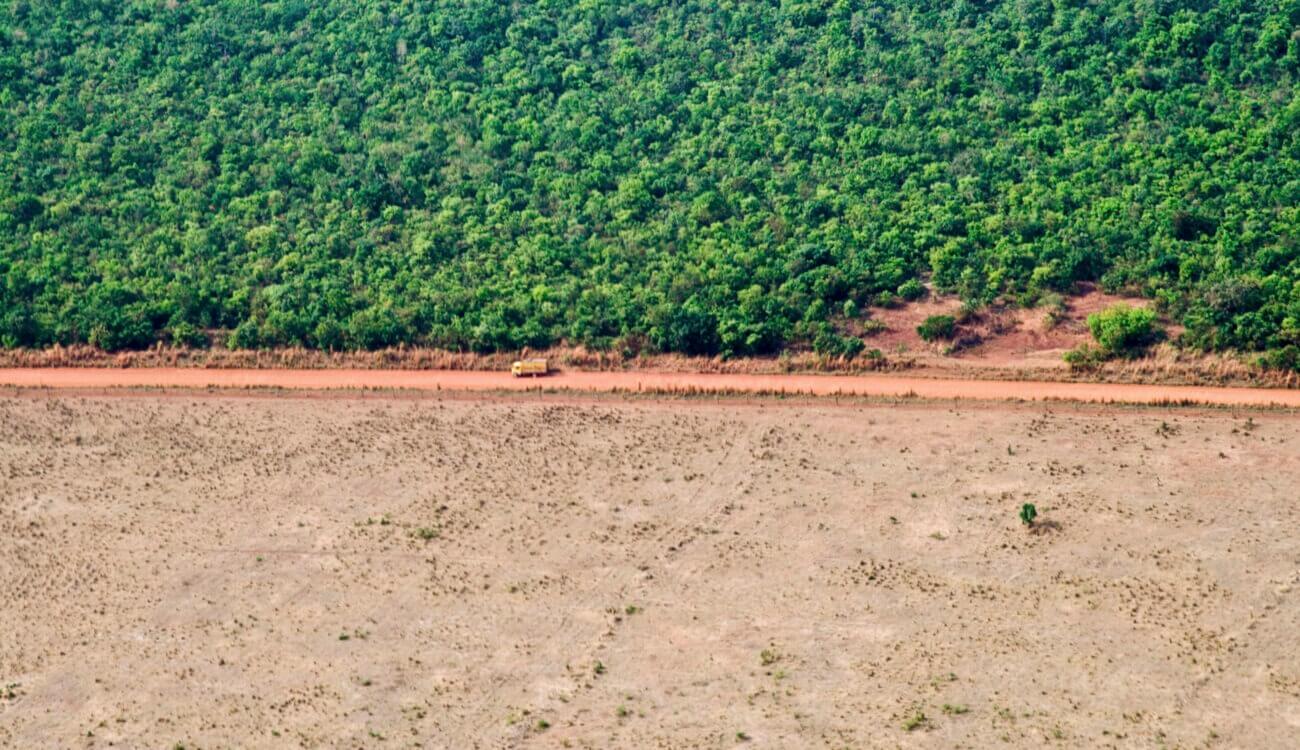
2025-05-12
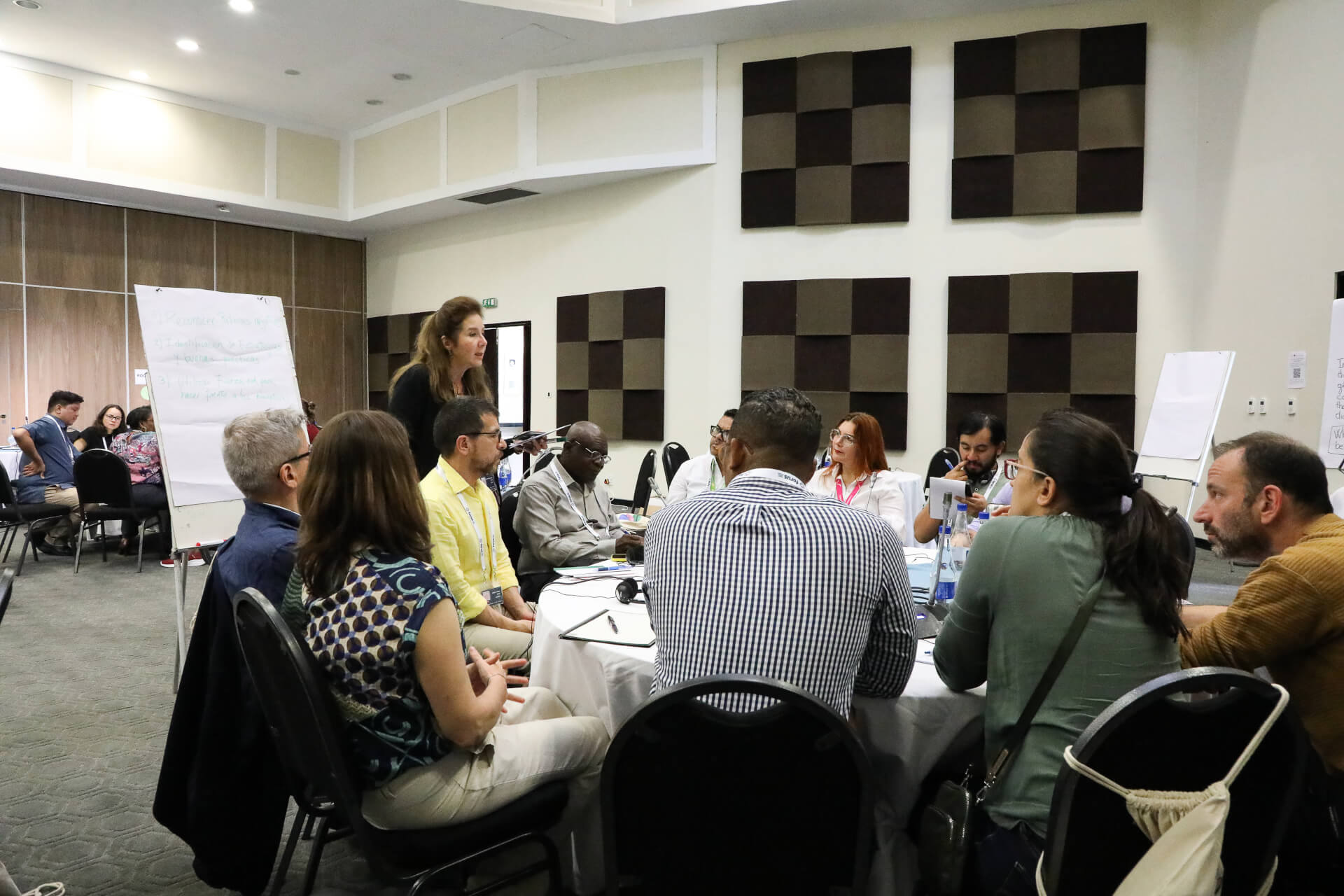
FfD4 - The IV International Conference on Financing for Development: Why It Matters and How Forus is Engaging The IV International Conference on Financing for Development (FfD4), set to take place in Seville from June 30 to July 3, 2025, is a crucial moment for global development. With just five years left to achieve the 2030 Agenda for Sustainable Development, it represents an opportunity for concrete financial commitments and can support reform of the international financial architecture.