

2026-07-14
From National Evidence to Global Accountability: Mozambique, Tanzania and Norwegian Civil Society Bring SDG Realities to the UN High-Level Political Forum
Voluntary National Reviews are intended to help countries assess progress, identify gaps and strengthen implementation of the Sustainable Development Goals.
But reviews can only generate accountability when they include evidence that is independent, grounded in communities’ experiences and able to challenge official narratives where necessary.
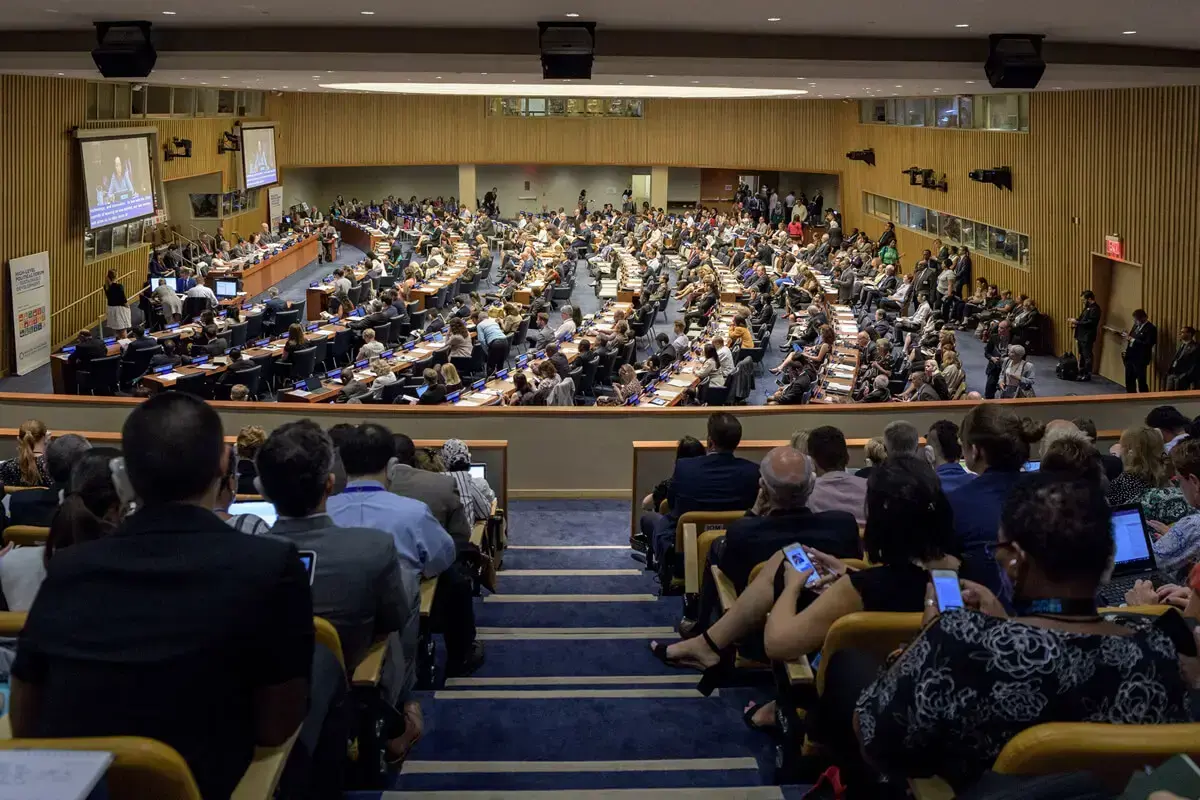
During the 2026 UN High-Level Political Forum, Forus members representing national civil society platforms from Mozambique, Tanzania and Norway brought precisely this perspective into the global discussion.
While their national contexts differ significantly, their messages converged around a common theme: achieving the 2030 Agenda requires stronger accountability, more inclusive decision making, better implementation and a greater willingness to confront the gaps between commitments and realities.
Mozambique
Pedro Muiambo, Director of Programmes at JOINT—the League of NGOs in Mozambique - speaking on behalf of 28 civil society organisations working across all eleven provinces of Mozambique, presented findings from the Activist’s Scorecard, an independent civil society assessment of the country’s progress toward the 2030 Agenda.
Its conclusion was direct: on its current trajectory, Mozambique is not on track to achieve the SDGs. The assessment identified regression in critical areas, including climate action, peace, justice and strong institutions, and decent work. Progress across many other goals remains limited or stagnant and behind these findings are interconnected national realities.
Climate-related disasters repeatedly destroy livelihoods, infrastructure and development gains. Conflict in northern Mozambique has displaced hundreds of thousands of people and continues to weaken social and economic progress. Corruption diverts limited public resources and undermines confidence in institutions. At the same time, restrictions on civic space make it harder for civil society to monitor implementation, raise concerns and contribute to more inclusive public policy.
JOINT acknowledged opportunities for dialogue with the Government and recent efforts to strengthen national development planning. But concrete progress requires transparency, accountability and the meaningful participation of communities and civil society throughout implementation—not only their presence during reporting exercises.
Tanzania
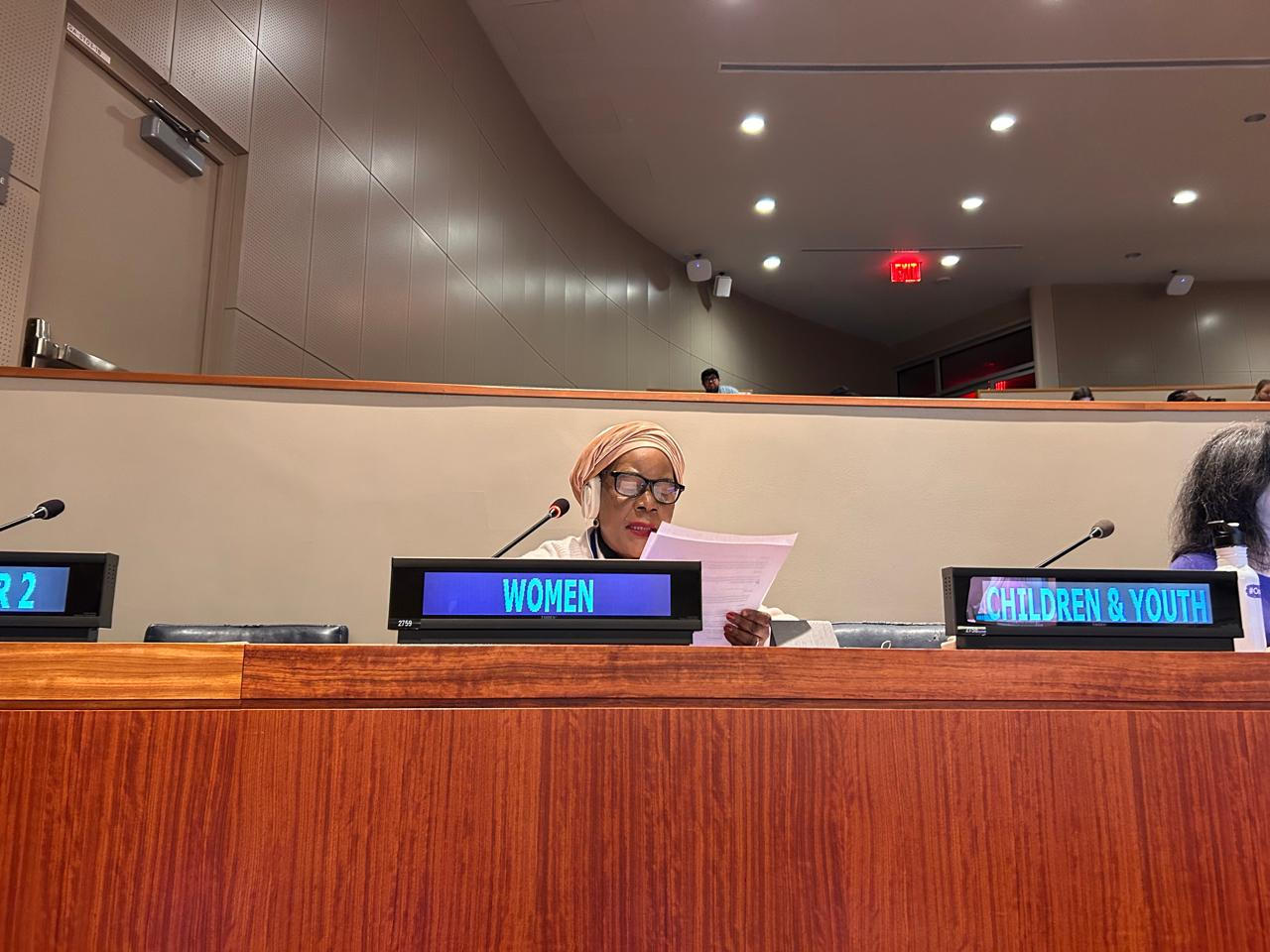
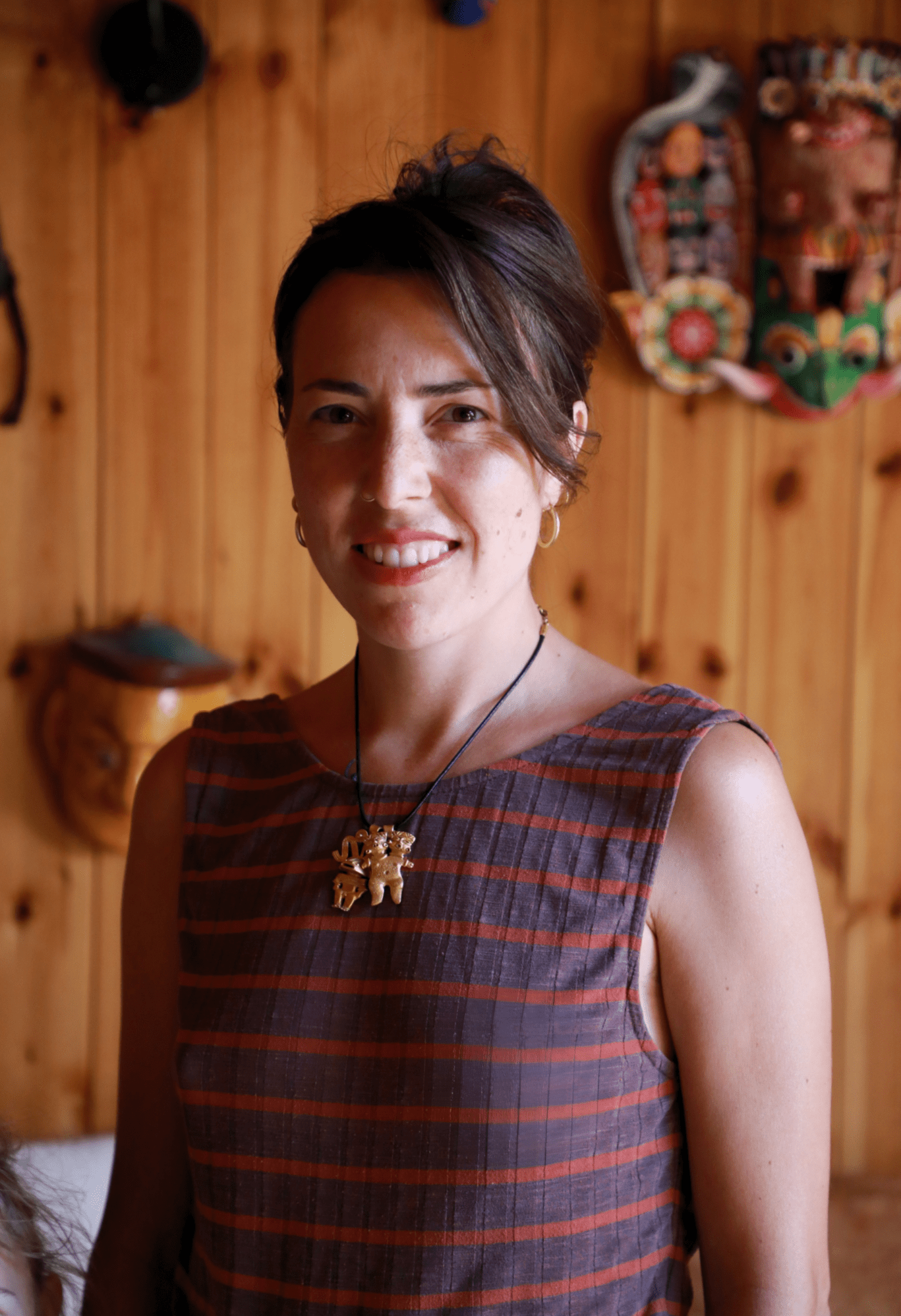
In Tanzania, civil society organisations used the Voluntary National Review process, represented by Martina Mnenegwa Kabisama of the Tanzania Association of Non-Governmental Organizations - TANGO - to highlight the importance of moving beyond reporting towards implementation. While recognising progress in infrastructure, public services, investment and national planning, Tanzanian civil society stressed that development must ultimately be measured by whether people can access decent work, quality education, healthcare, justice, clean water and meaningful participation in public decision-making.
Their intervention identified five priorities for the final years of the 2030 Agenda: stronger implementation and review mechanisms, inclusive opportunities for young people and marginalised groups, investment that generates decent work and local value creation, sustainable financing for key sectors, and stronger protections for justice, civic space and fundamental freedoms.
Norway
In Norway, more than 60 civil society organisations led by ForUM contributed to a collaborative assessment accompanying the country's Voluntary National Review. Civil society welcomed the government's inclusion of stakeholder perspectives in the official report and acknowledged that several key sustainability challenges were openly recognised.
At the same time, Norwegian organisations argued that progress remains too slow and insufficiently coordinated. Persistent inequalities, biodiversity loss, high levels of resource consumption, inadequate climate action and weak policy coherence continue to undermine sustainable development outcomes. Civil society emphasised that Norway's challenges are not primarily due to a lack of resources or capacity, but rather to political choices, implementation gaps and policy incoherence.
What Voluntary National Reviews' participation should achieve
Across all three countries, civil society organisations highlighted a similar call to action: progress depends on whether policies are implemented, resources are allocated effectively and governments remain accountable to the people they serve.
National civil society organisations bring evidence that official data systems may overlook. They connect national trends with the lived experiences of communities. They identify where implementation is failing and why. They can also propose solutions grounded in local knowledge and practice. Civil society evidence should not simply sit alongside a government presentation: it should influence priorities, budgets, policy decisions and follow-up mechanisms.
But the value of this participation depends on what happens next. Recommendations must lead to a visible response, and subsequent reviews should show what action was taken.
Common priorities across countries
Although their contexts differ, the messages emerging from Mozambique, Tanzania and Norway reveal areas of convergence.
Civil society organisations called for:
-
stronger accountability and follow-up mechanisms;
-
greater investment in locally led and community-driven solutions;
-
transparent and equitable management of public resources;
-
more coherent policies across sectors;
-
stronger protection of civic space and fundamental freedoms;
-
and meaningful participation of citizens, particularly women, young people and marginalised groups which should be recognised not merely as beneficiaries of development, but as partners in shaping it.
These priorities are interconnected. Locally led solutions cannot thrive without resources. Public finance cannot serve communities without transparency. Accountability cannot function without independent evidence. And civil society cannot contribute fully when organisations and activists lack the freedom and safety to speak.
The role of national civil society platforms
The contributions from JOINT in Mozambique, TANGO in Tanzania, and the broad coalition of Norwegian organisations also demonstrate the value of collective civil society platforms.
By bringing together organisations from different sectors and provinces, platforms can turn multiple local experiences into collective national evidence. They can connect community concerns with national decision-makers and global institutions. They can also sustain monitoring between formal review moments, when international attention has moved elsewhere.
This connective role is central to Forus.
Across its network, national platforms and regional coalitions help ensure that international commitments are tested against realities on the ground. Their evidence can make invisible gaps visible, strengthen public accountability and offer governments a fuller picture of what implementation requires.
At a time when civic space and development financing are under growing pressure, this infrastructure for collective civil society action must be protected and supported.
Beyond reporting
Progress remains possible through inclusive leadership, accountable institutions and collective action. The purpose of independent civil society evidence is not simply to identify failure. It is to help governments and partners understand where change is most urgently needed—and to support solutions that communities themselves recognise as credible.
The High-Level Political Forum should therefore judge successful Voluntary National Reviews not only by the quality of the presentations delivered in New York, but whether the review changes what happens afterwards: whether evidence informs decisions, whether recommendations receive follow-up, whether resources reach the communities most affected, and whether civil society has the space to continue monitoring progress.
Civil society has brought its evidence to the global stage. The next step is to ensure that this evidence leads to action.