
2026-09-22
From UNGA to 2027: Building ambition wherever decisions take shape
Live from #UNGA81
The choice of the next UN Secretary-General matters. So do the decisions on finance, rights and development being made in capitals and other forums ahead of the 2027 SDG Summit.
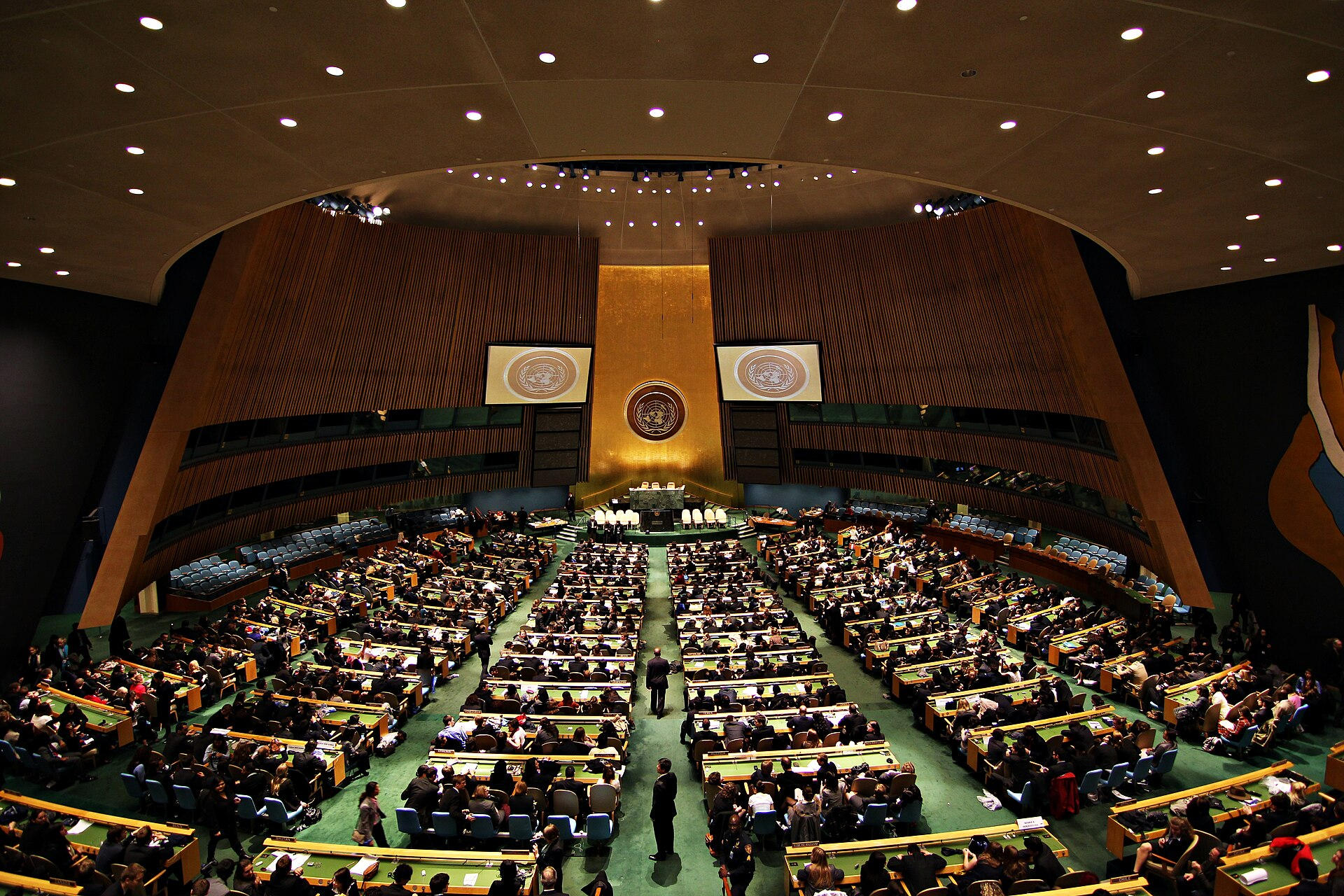
NEW YORK, 22 September 2026 — In the corridors of the UN General Assembly this week, conversations about who will lead the United Nations next are gathering pace. Who will lead the UN through reform and the final four years of the 2030 Agenda? What should happen after 2030? We are asking those questions too. But across the Forus network, our members are also asking something immediate: will the decisions made in these rooms give communities more power to shape their futures, help governments deliver on the promises they have already made, and ensure meaningful monitoring and accountability of progress?
There is public appetite for cooperation, coupled with a demand that it deliver. In a recent Rockefeller Foundation and Focaldata survey of 34 countries, the median share supporting cooperation even at some cost to national interests was 57%; a median of 81% said they would support it more if it solved global problems effectively. That is a call for cooperation people can see and hold to account.
Our members know what it means when an international pledge does not change daily reality. When debt absorbs budgets needed for public services, when civic space closes, or when local organisations are invited in only after decisions have been made, the promise to leave no one behind loses force. People closest to those realities should have a say in the decisions we make next— including in decisions about the future leadership of the multilateral system itself.
The selection of the next UN leader
Yet in a separate UN Foundation poll of 20 countries, 85% had heard little or nothing about the selection of the next UN leader. Public dialogues with candidates have made the selection process more open, allowing Member States and civil society to hear their views and ask questions. But an important part of the process remains behind closed doors: the Security Council’s informal straw polls are not public, and any of its five permanent members can block the Council’s recommendation through their veto power inherited from 1945.
The person taking office in 2027 should be pressed on what they would change: how they would defend civic space, bring local organisations into UN decisions from the outset, and use the office to push for SDG financing and accountability. The Security Council, for its part, should publish the timetable, process and results of its votes. Public candidate dialogues will mean more if people can also see how the Council reaches its recommendation.
The post-2030 framework
At the same time, there is no agreed post-2030 framework yet. We hear from some Member States that extending the SDGs may be the safest way to protect the 2030 Agenda. But only 15% of the 139 targets with sufficient trend data are on track. Changing the deadline will not, by itself, relieve debt, finance delivery, strengthen accountability or give local actors the power and resources they need.
We owe it to future generations to confront those obstacles, while responding to a world transformed by climate disruption, AI and pressure on civic freedoms.
This is why the Forus network developed its collective Post-2030 Vision across regions so we could keep pressing for SDG delivery now while preparing for different political paths beyond 2030. It gives us a shared compass: defend the universal, rights-based promise of the SDGs and civic space; demand financing reform, real accountability and power and resources for local actors; decline weaker commitments or an extension that moves the deadline without addressing what has held implementation back. The post-2030 process must not become a vehicle for lowering ambition, weakening rights or shrinking accountability. It must be an opportunity to correct the gaps that limited the SDGs while defending their universal and transformative promise.
The 2027 SDG Summit
The 2027 SDG Summit will be an important test of whether this ambition translates into concrete political direction. There is a year of work ahead before leaders gather for the Summit. The Pact for the Future asks the UN High-Level Political Forum, meeting under the General Assembly in September 2027, to consider how to advance sustainable development by 2030 and beyond. It does not settle whether or how governments will negotiate a post-2030 agenda.
We should use the opening now: speak with Member States in capitals and countries as well as New York, bring our members’ evidence into those conversations, and find out who is ready to champion financing reform, rights, climate ambition and accountability. We should also ask how local organisations will help shape the positions governments bring to the Summit.
There are already several opportunities to put these questions on the table before leaders meet. Next year’s Commission on the Status of Women will show how firmly governments stand behind gender equality across the SDGs. Regional sustainable development forums and preparations for the UN High-Level Political Forum can bring in evidence from communities about what is working and what is failing. And negotiations on the SDG Summit outcome will be a chance to strengthen commitments while the text is being written. By the time leaders meet, much of the direction may already have been set.
And while the UN ponders on how to reform, cooperation is also being reshaped beyond the UN. The G20’s work on debt treatment affects the resources countries have to deliver on their commitments. India’s BRICS chairship is taking up sustainable development; the African Union and CARICOM are working together on reparatory justice; and the EU and Canada are deepening cooperation on digital policy. These are different processes, but each can shape the positions governments bring to 2027.
Forus and its members will work with civil society allies to carry those asks from national debates through regional forums and on to New York. The next Secretary-General can help connect UN commitments with decisions made in other forums, and open those discussions to the communities affected by them.
Member States must put resources and accountability behind their words. The measure of progress in 2027 will be what changes for people before 2030, and what we leave to future generations.