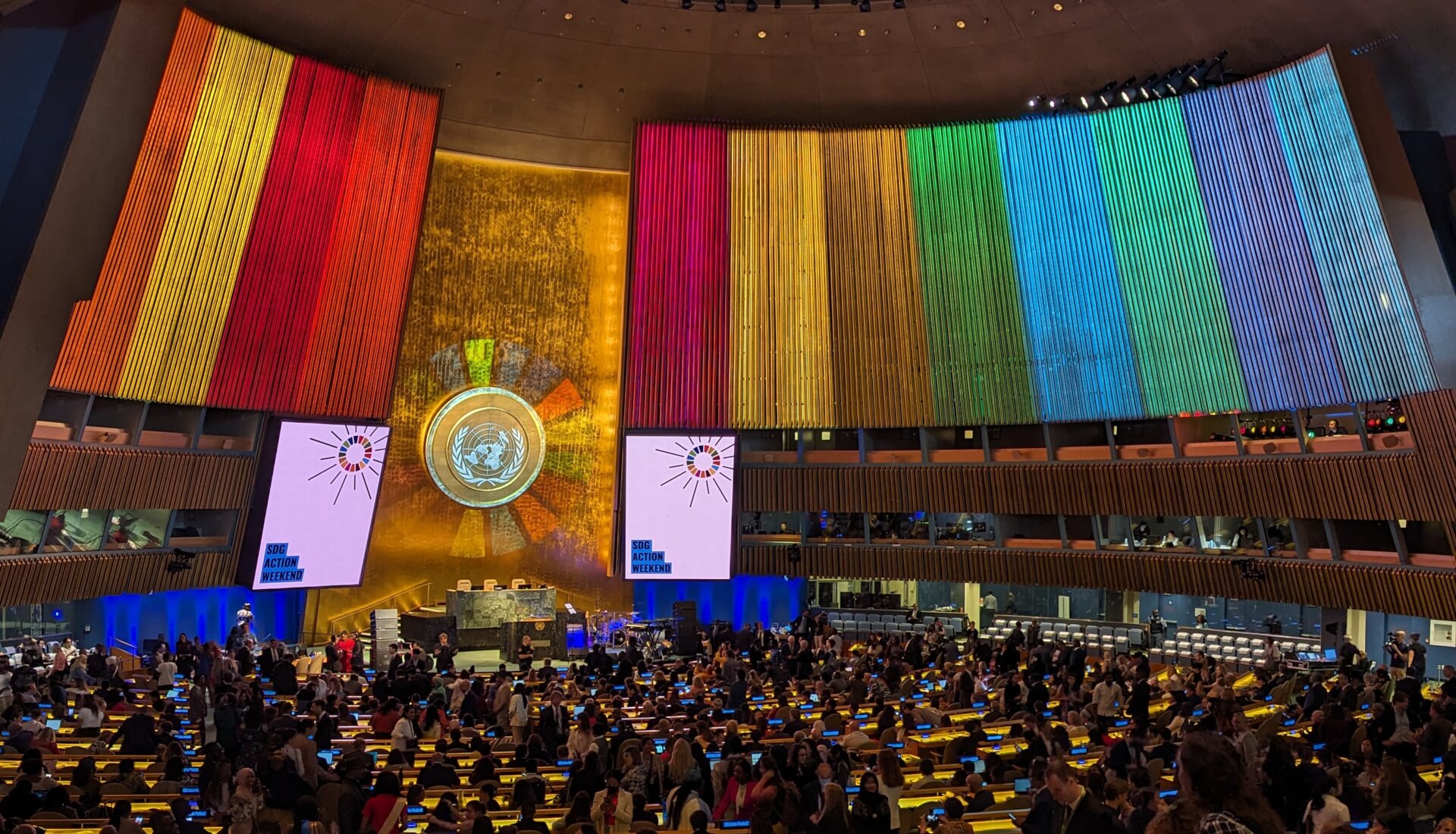
© NGO Forum on ABD
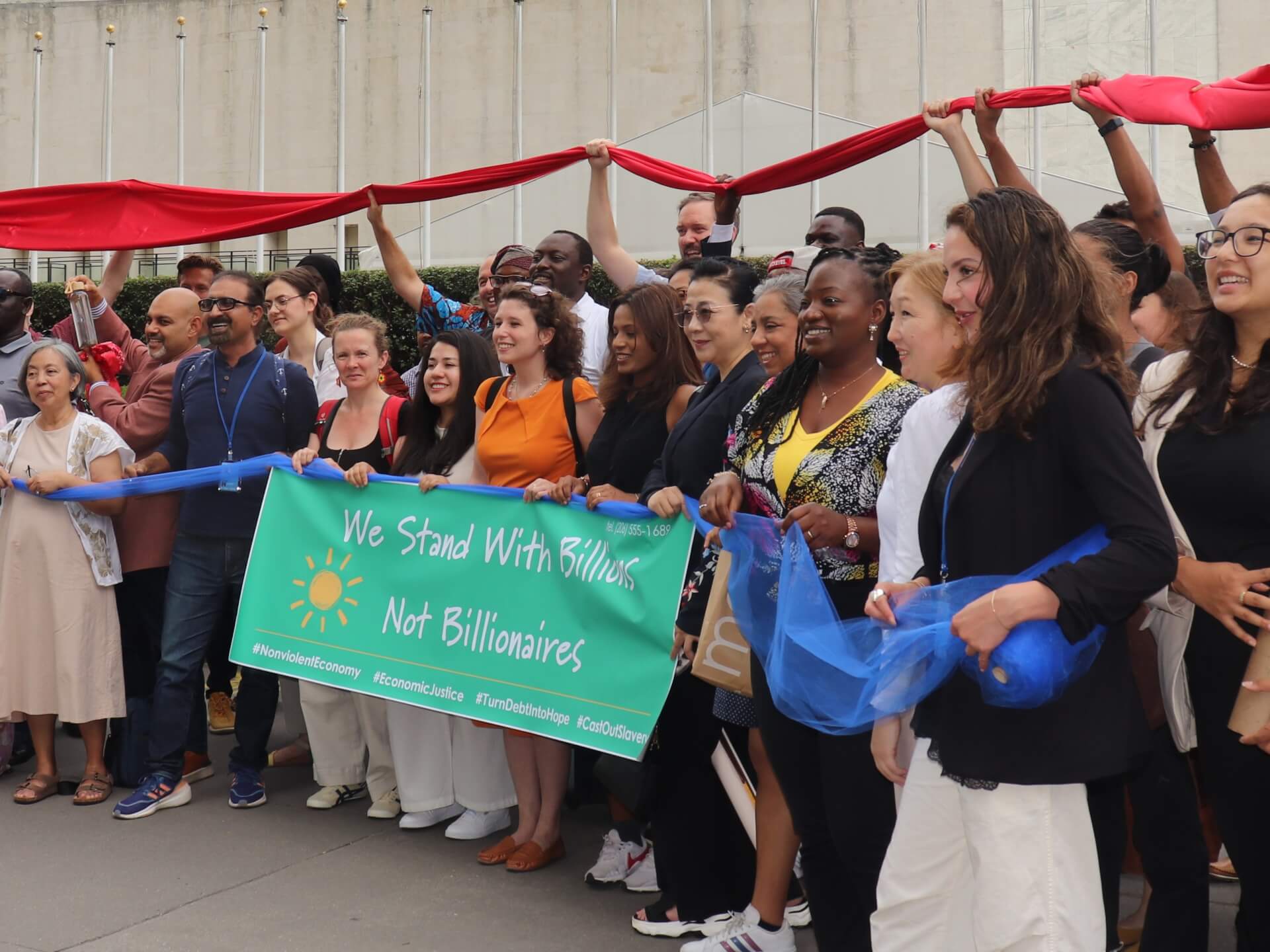
© Forus

Mon 21 Jul 2025
From Voluntary National Reviews challenges to global solidarity: Forus members share experiences at CSO weekend workshop at the #HLPF2025
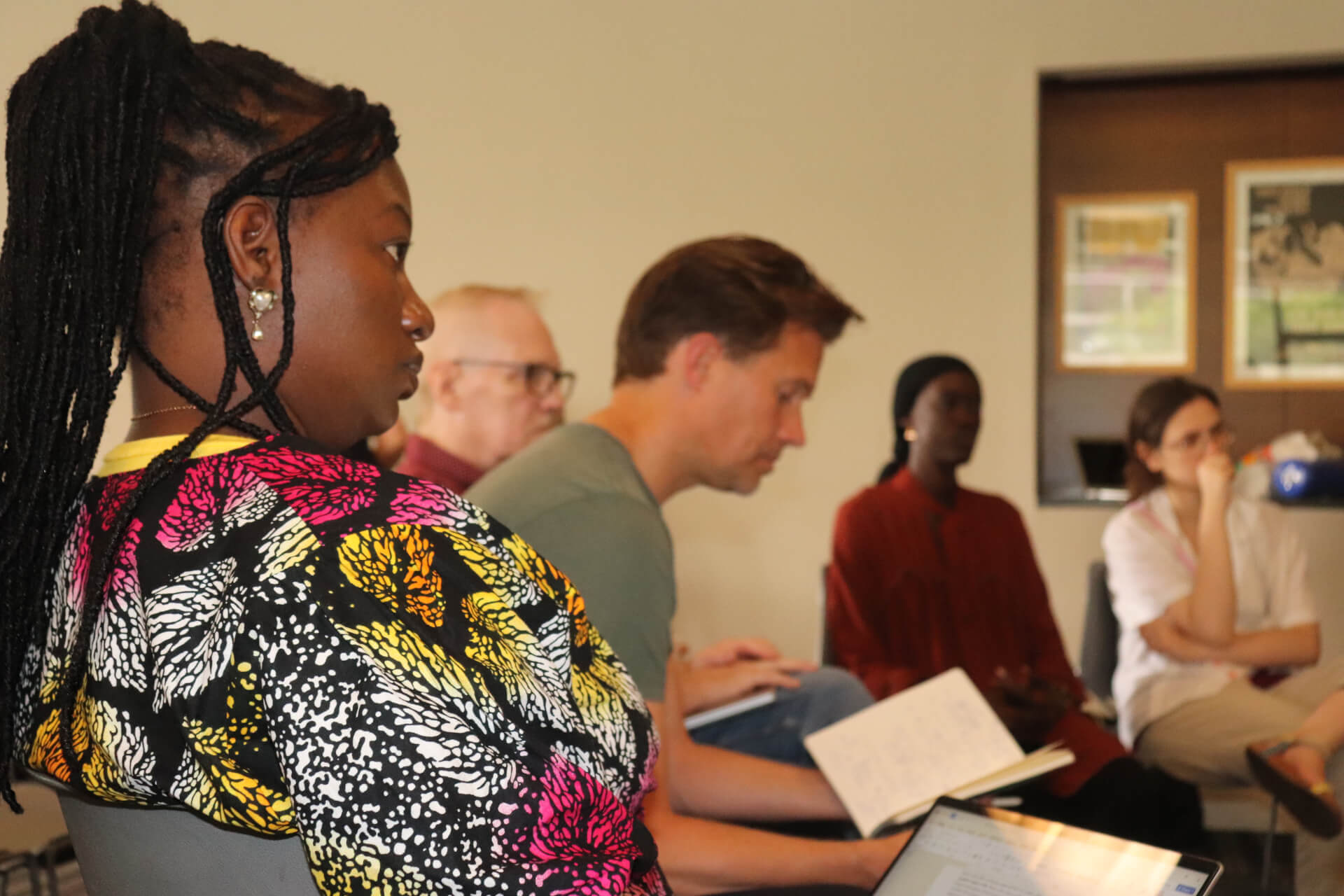
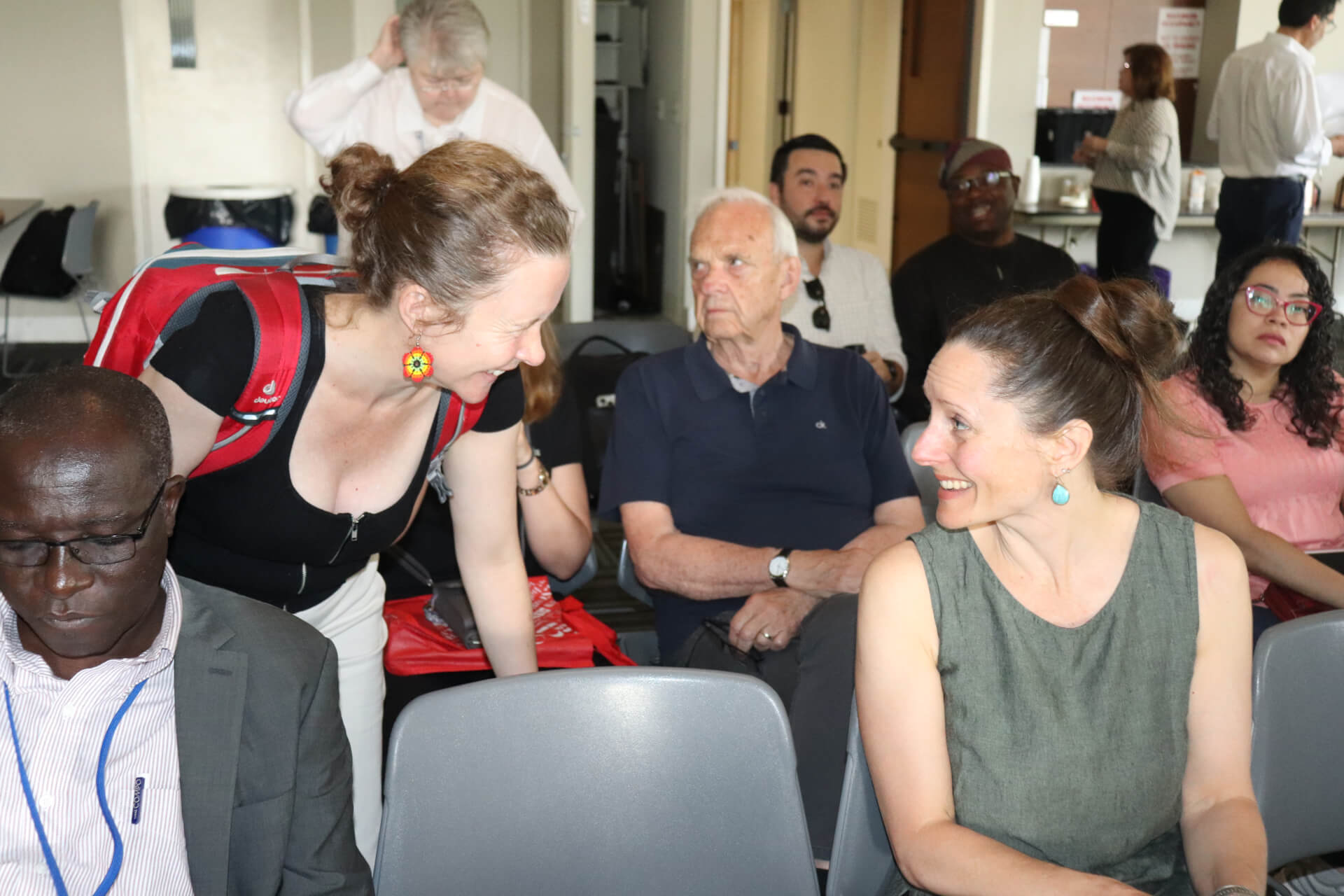
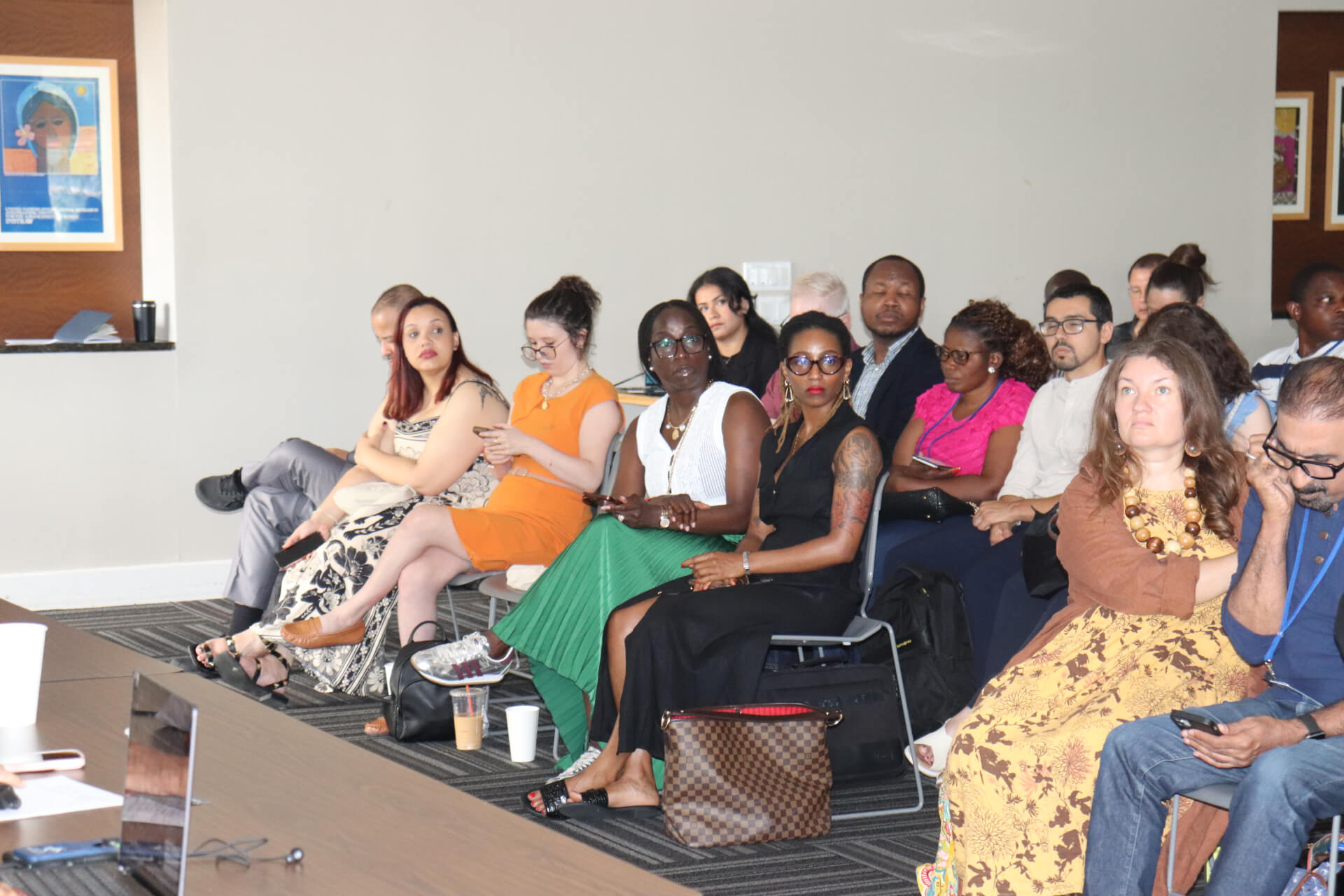
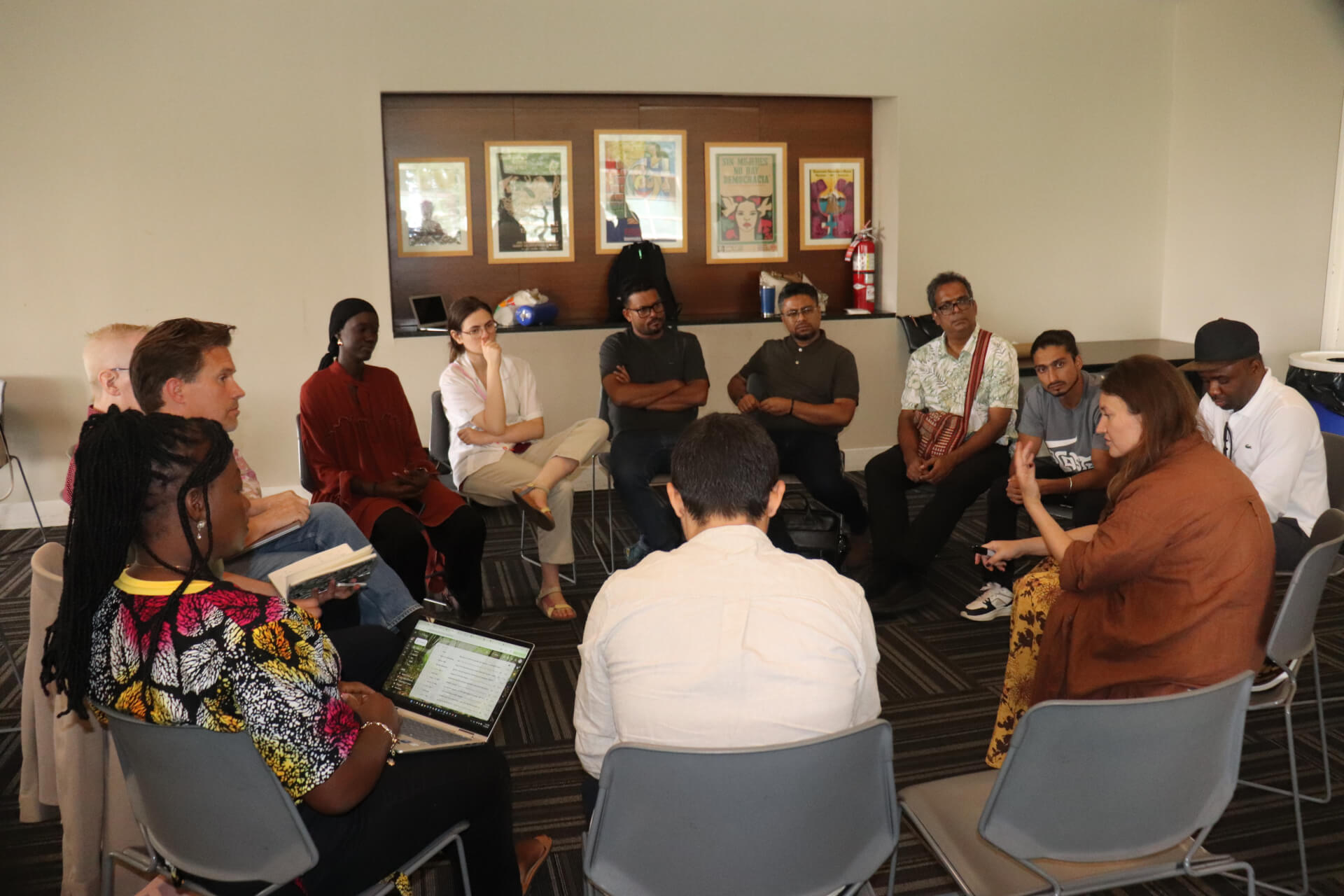
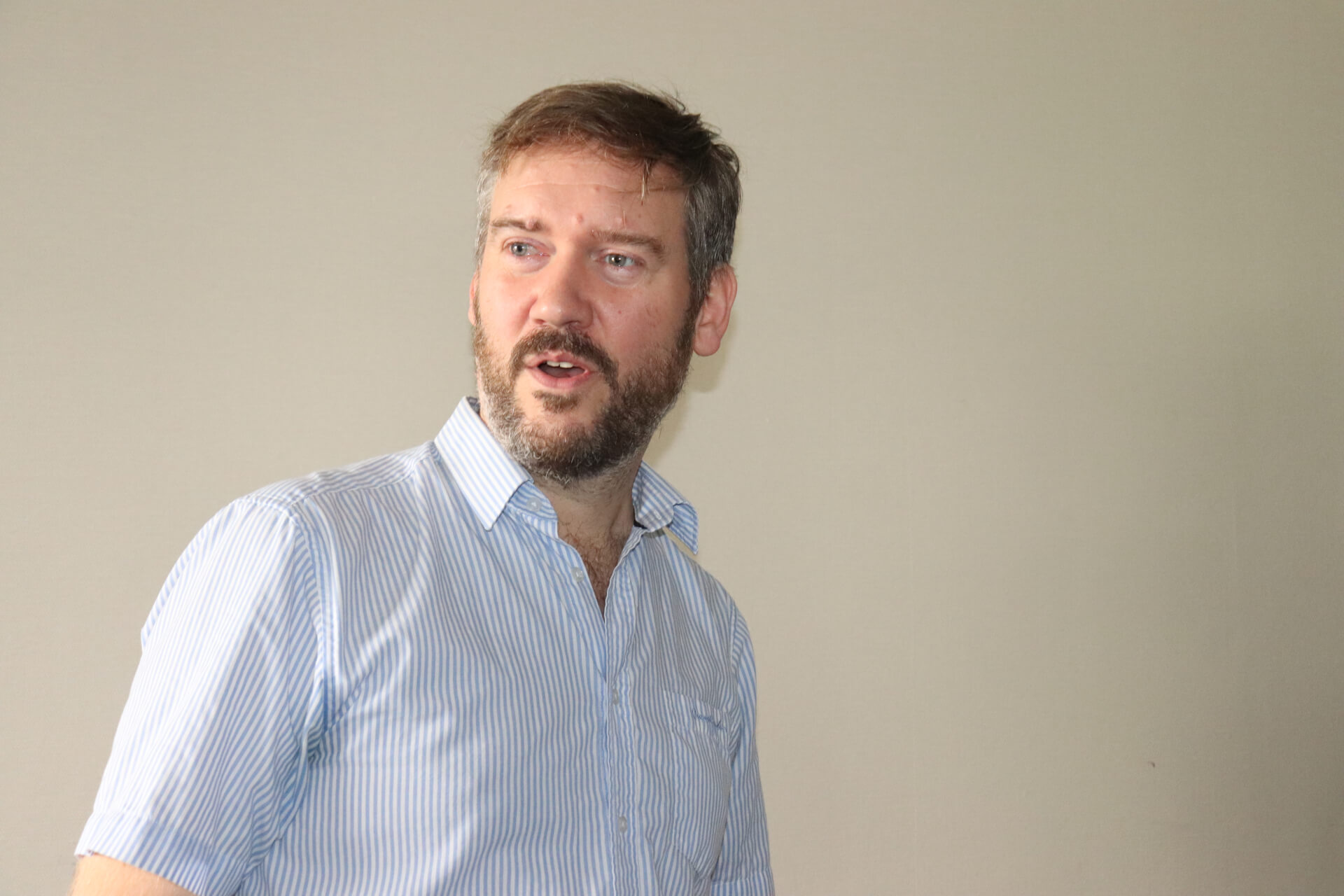
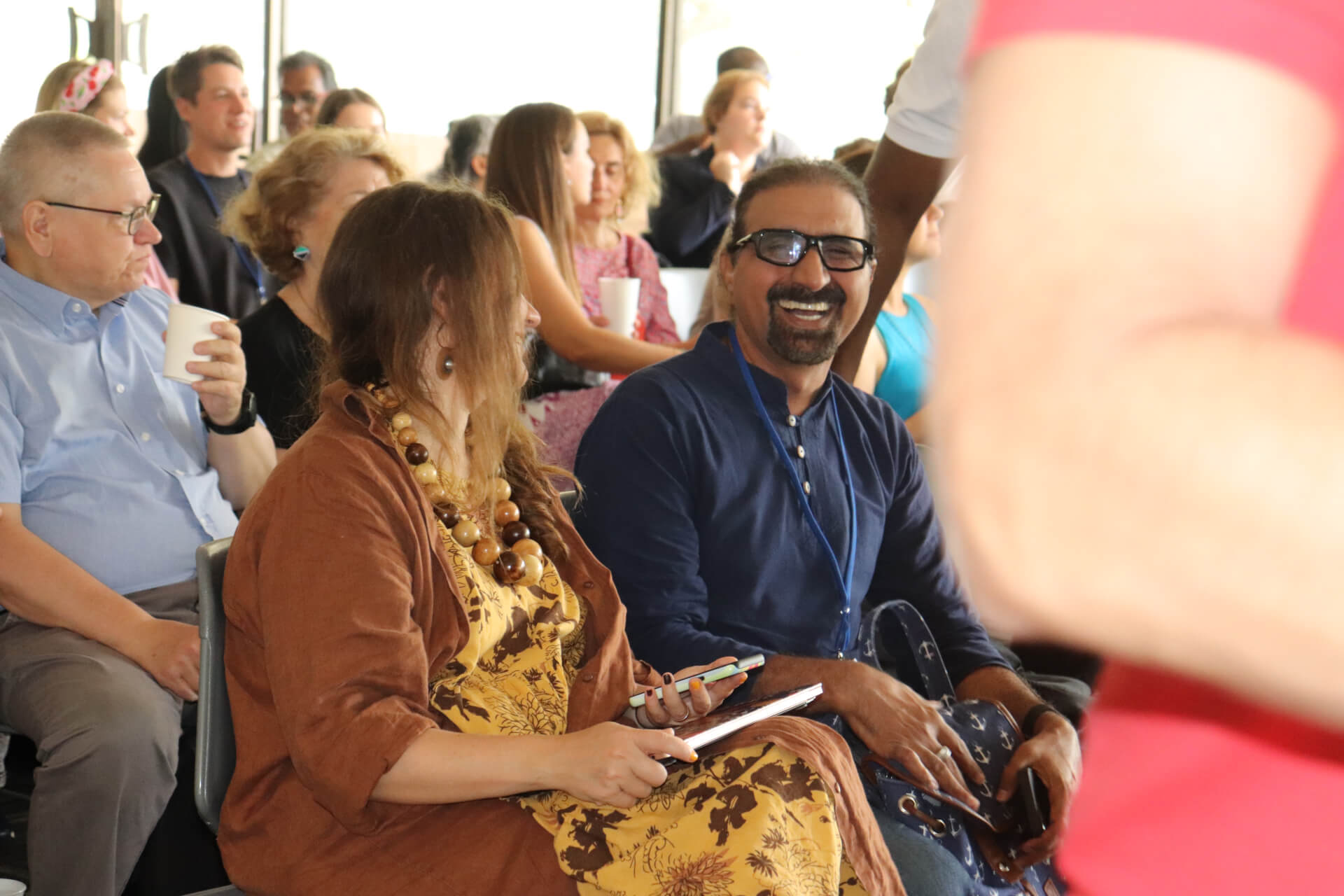
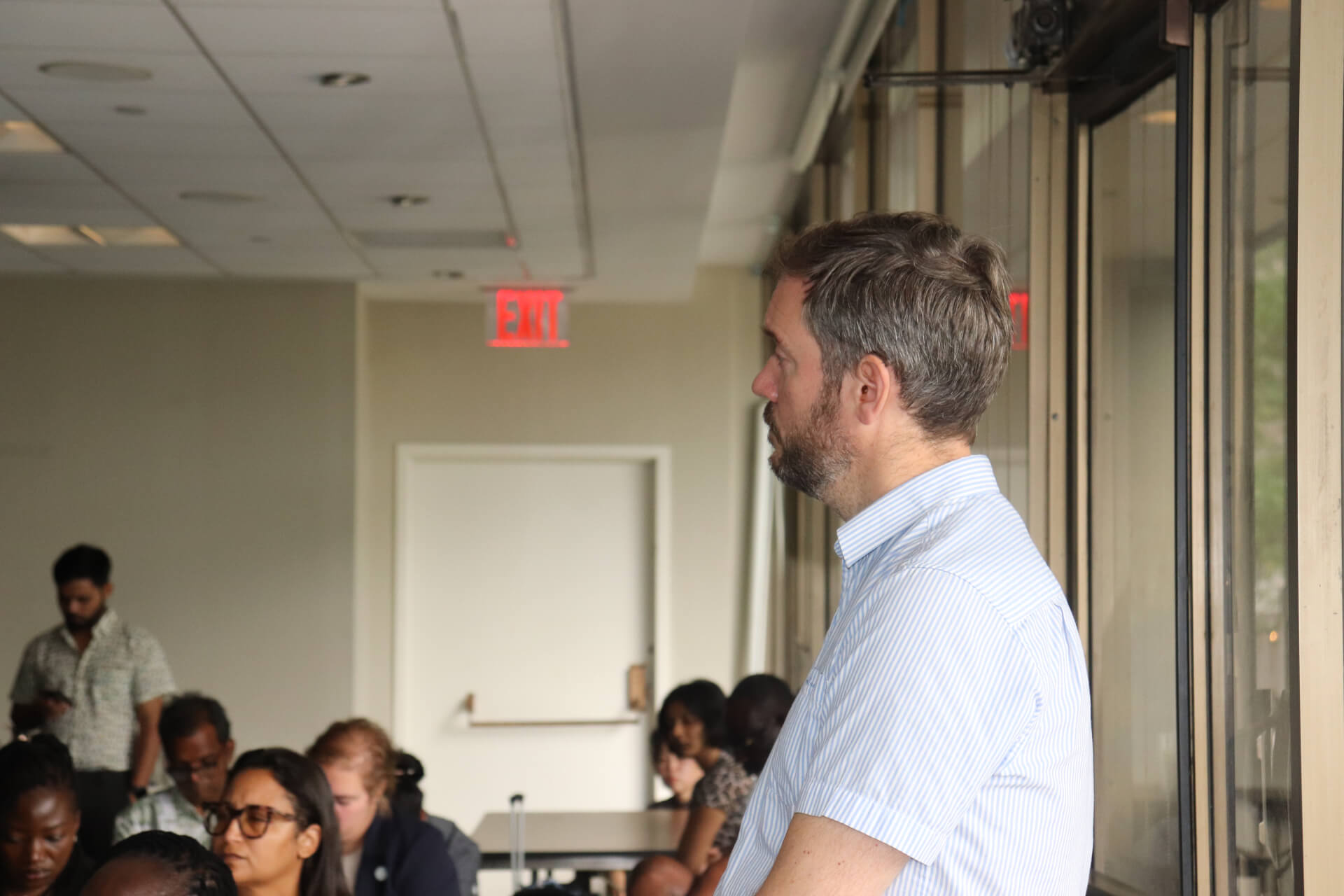
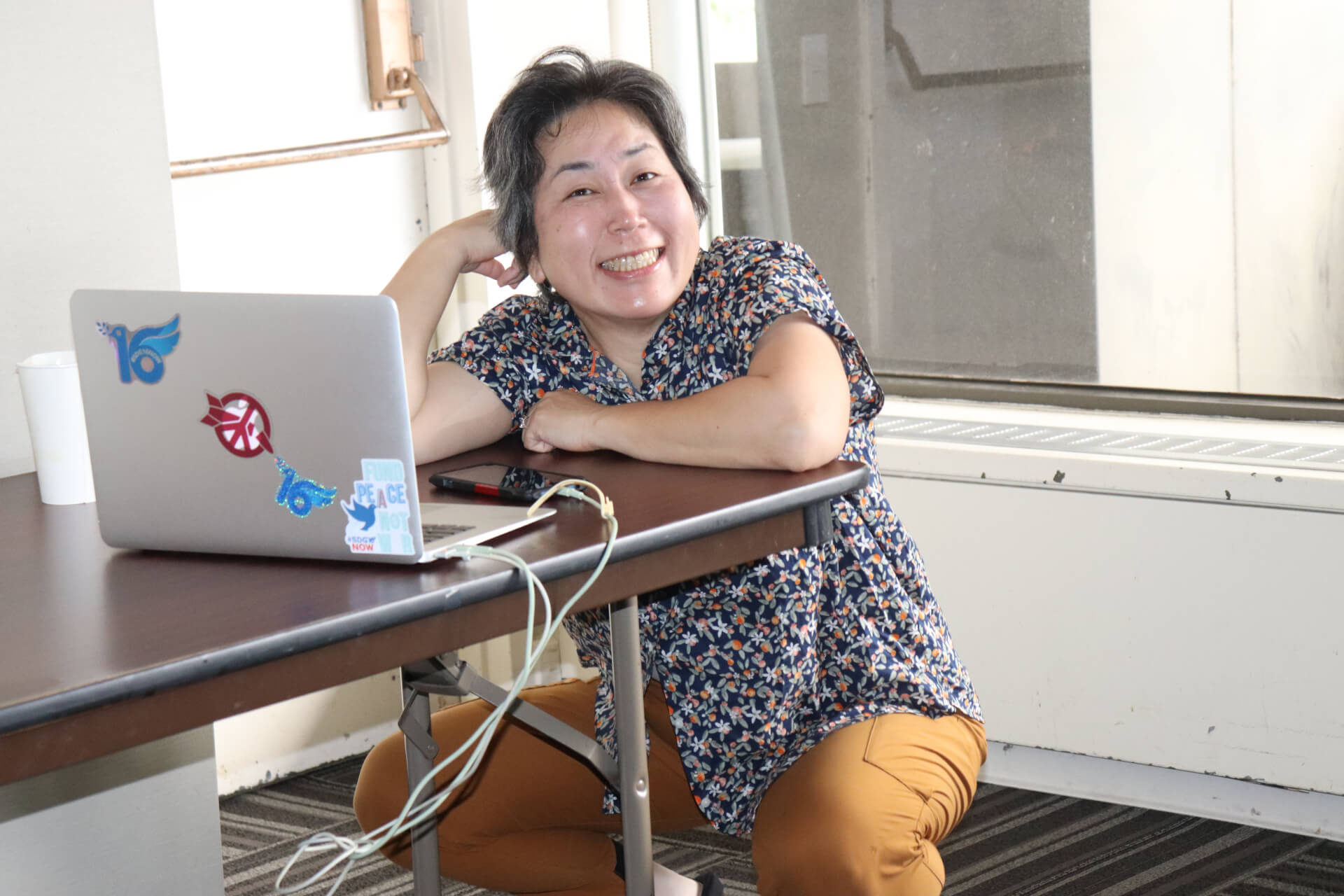
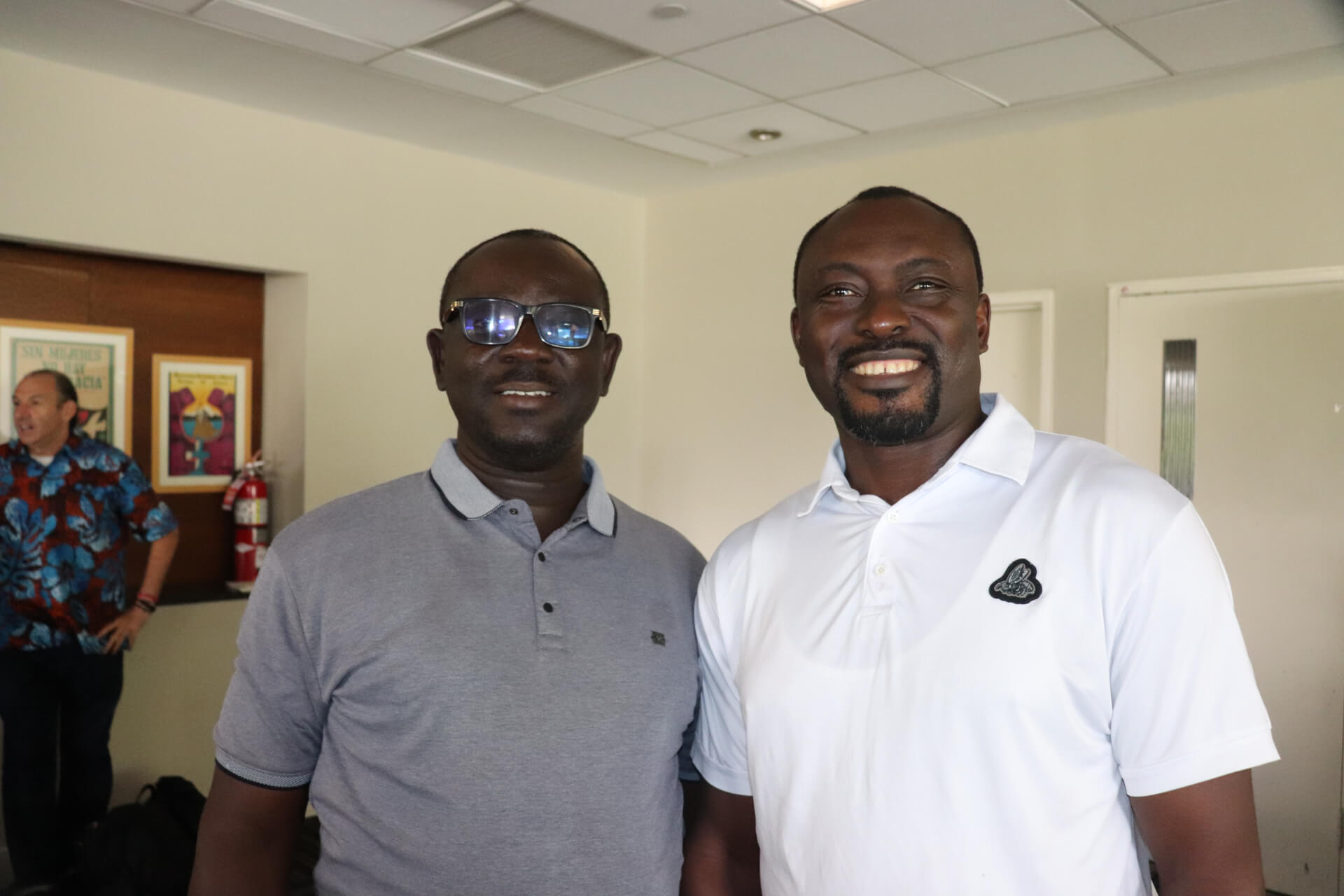
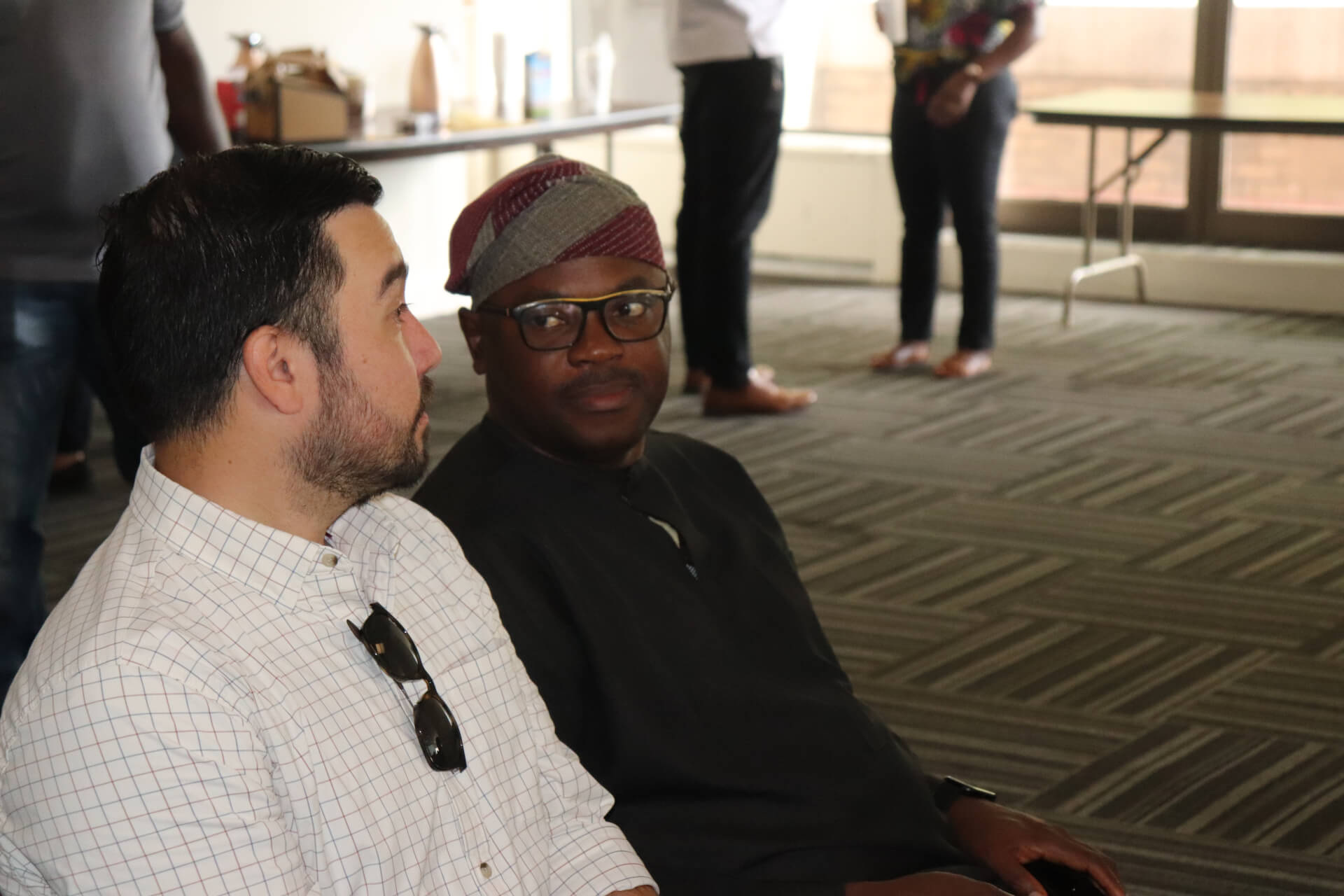
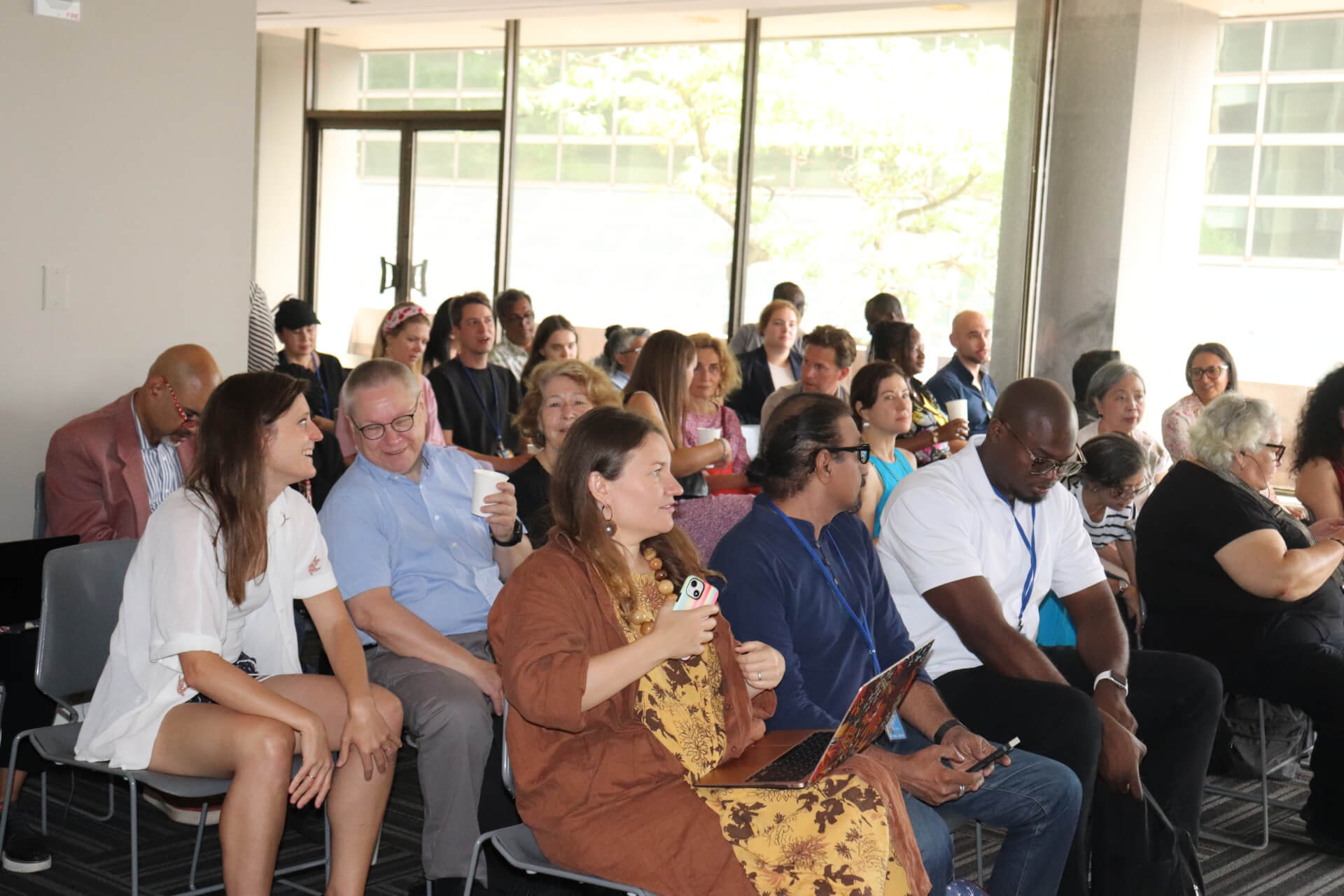
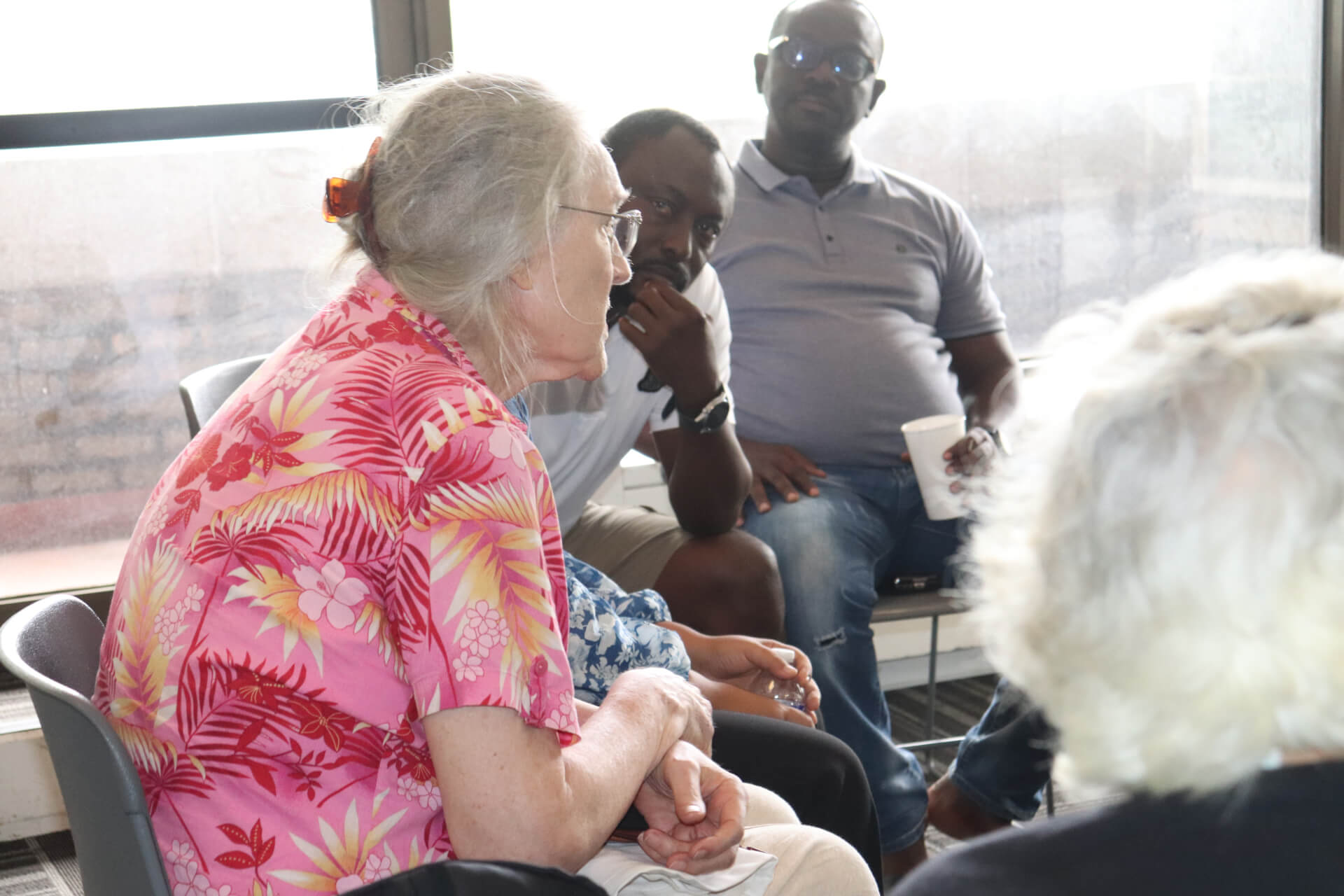
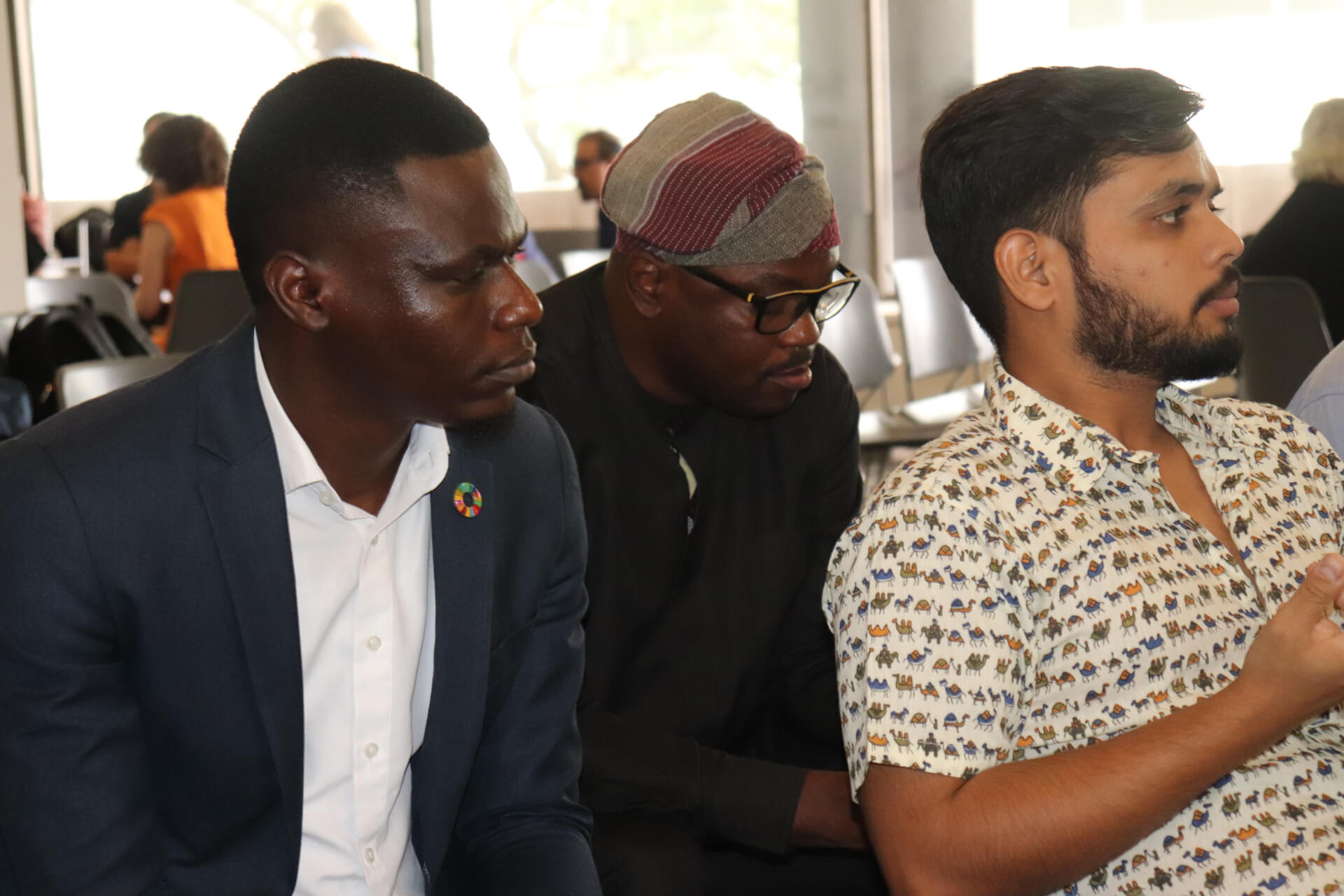
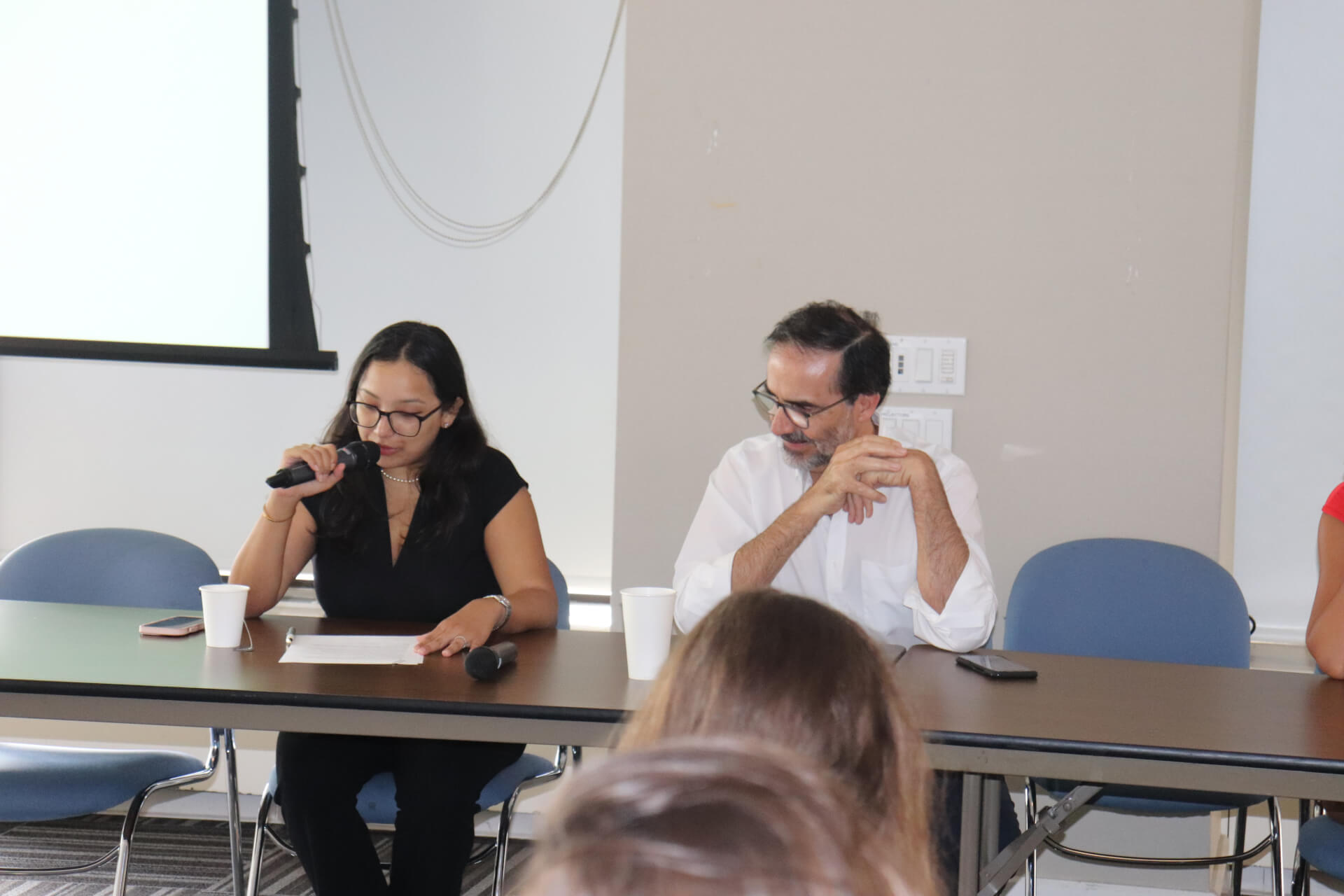
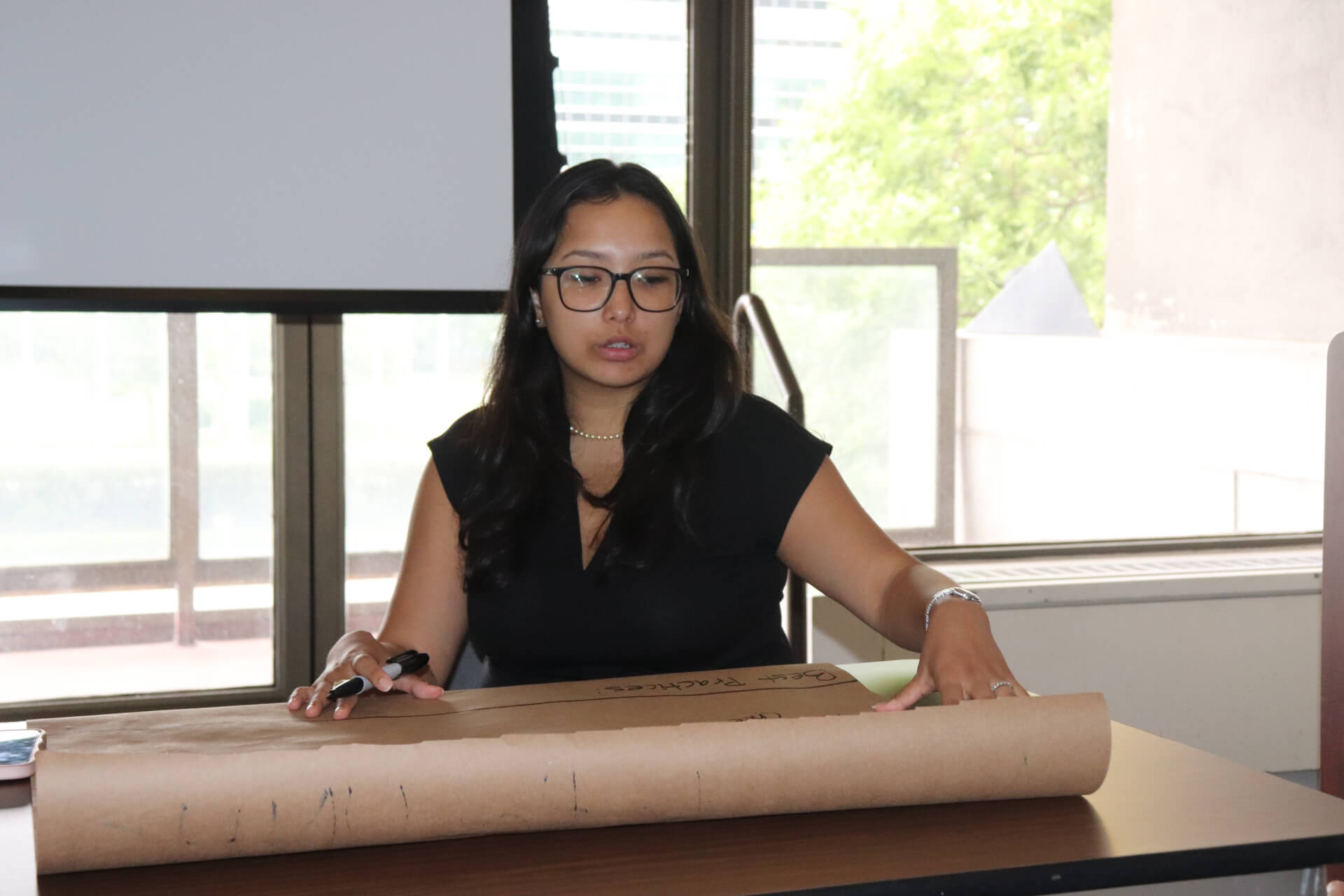
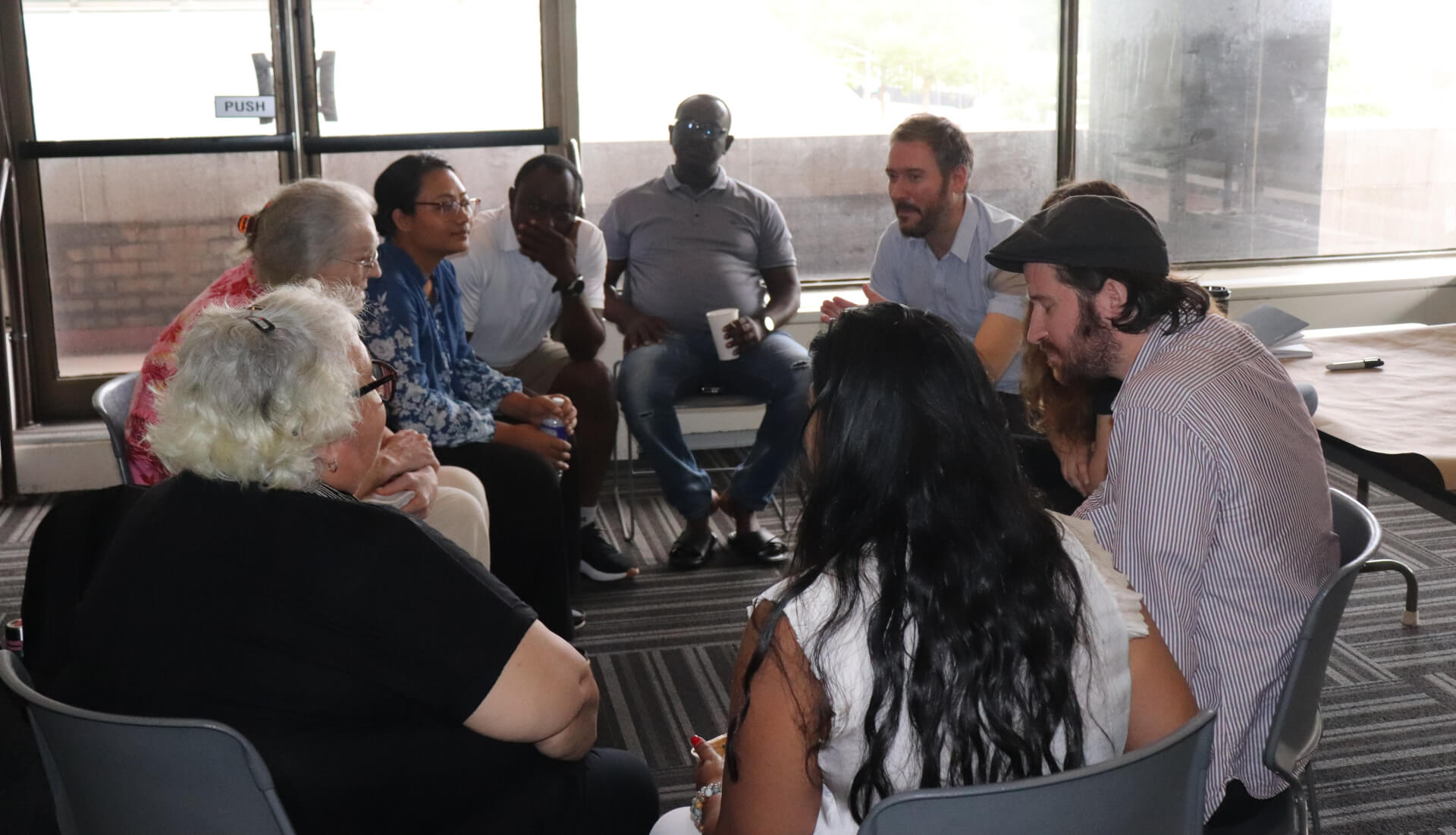
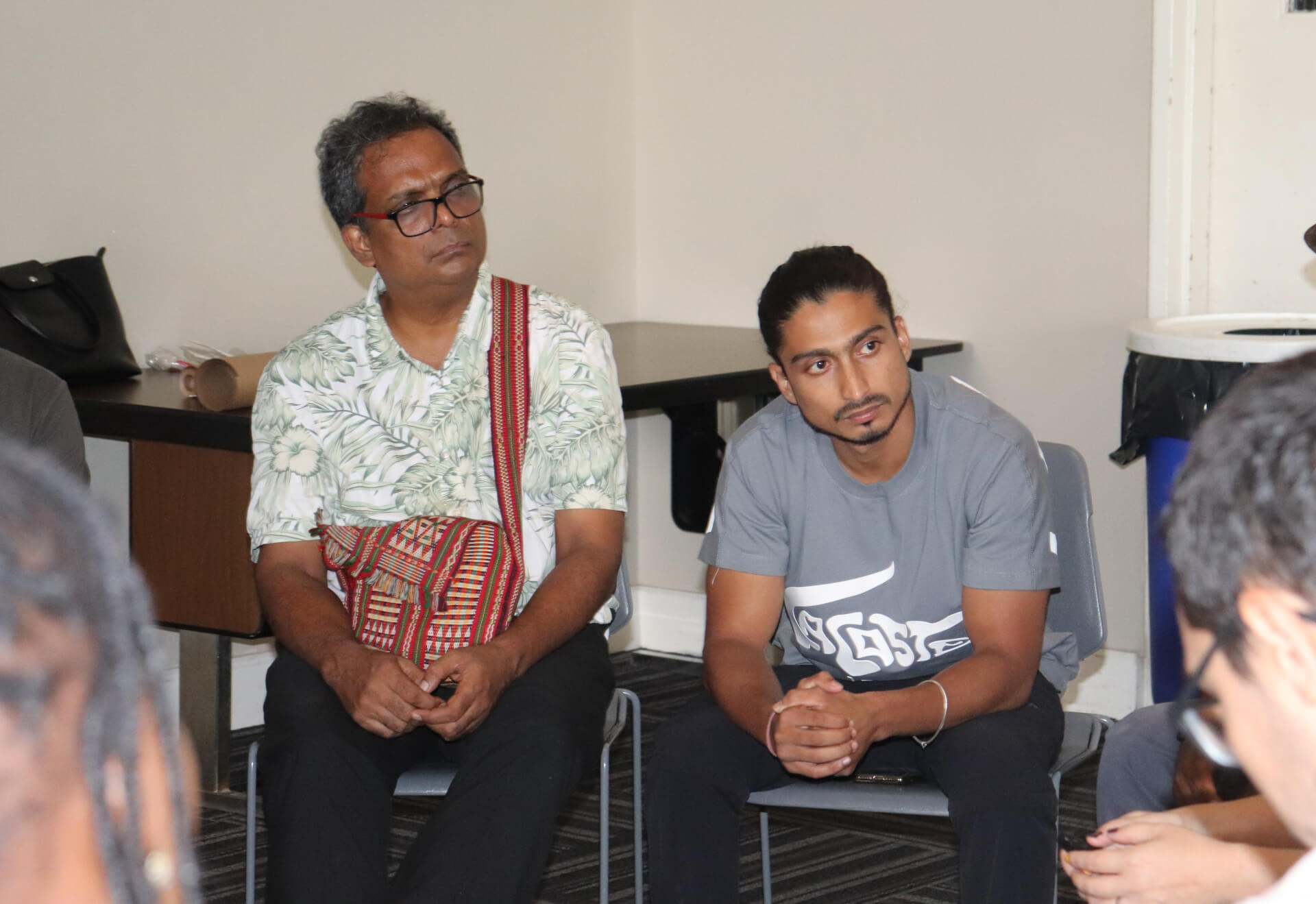
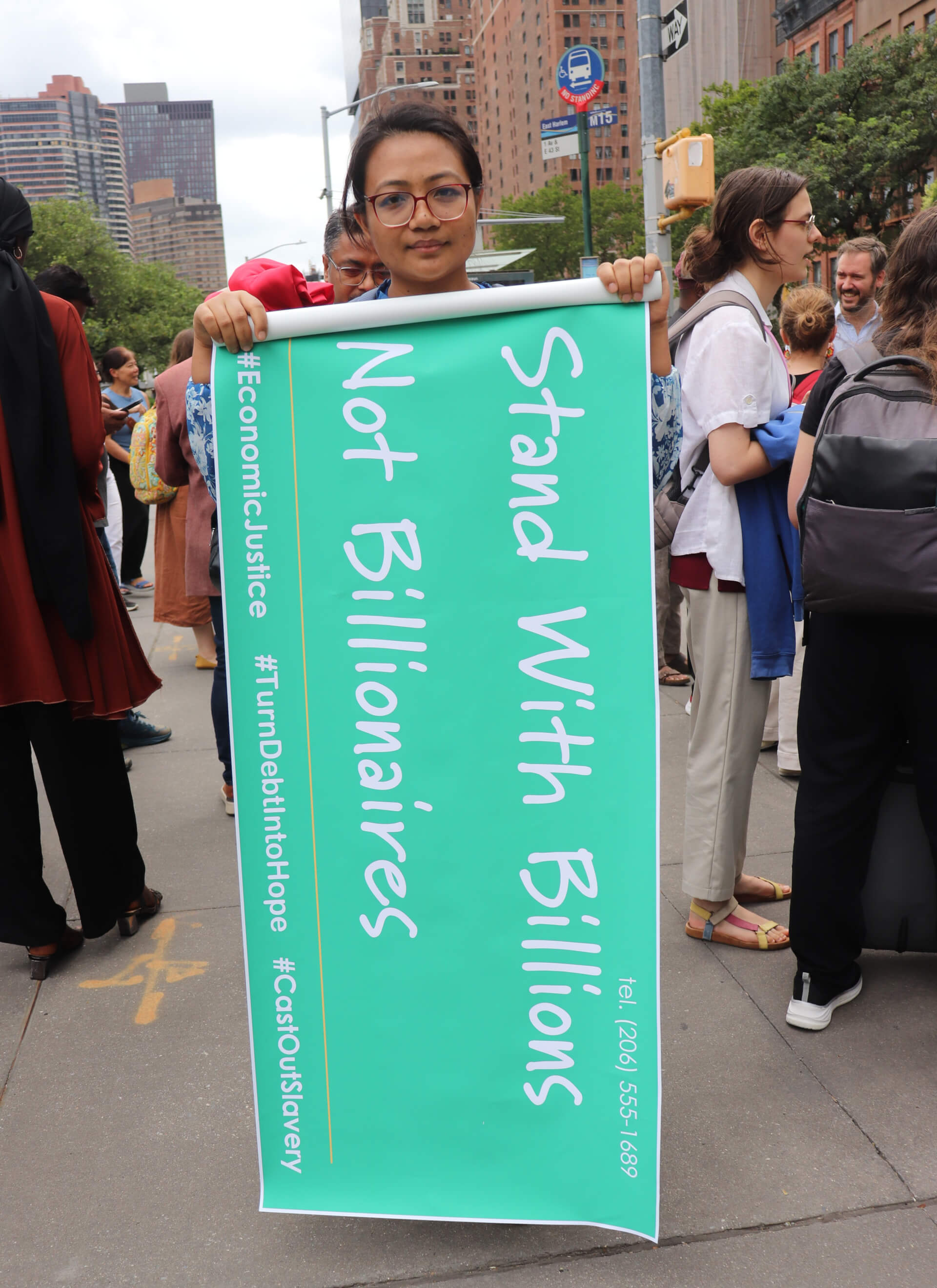
As global civil society gathers in New York for the High-Level Political Forum (HLPF) 2025, Forus members are raising critical voices and experiences to the forefront of UN processes. During the civil society weekend workshop organised on July 19, representatives from NNNGO (Nigeria), PDA (Pakistan), ADA (Asia), UNNGOF (Uganda), and FINGO (Finland) joined civil society actors from around the world in a vibrant exchange on Voluntary National Reviews (VNRs), access to the UN system and joint strategies ahead of key global moments like COP30 and the World Social Summit.
The workshop, hosted by the NGO Major Group, GCAP and Action for Sustainable Development, offered space for informal networking and honest reflection - something that is often missing in more formal multilateral spaces. Forus members shared grounded insights into the realities of an enabling environment, access challenges and tokenistic engagement during national review processes.
Participants echoed a common concern: while VNRs are intended to promote accountability and transparency, in many contexts they have become symbolic exercises, lacking depth, inclusivity and follow up. Civil society organisations often find themselves invited in too late, with their feedback either not reflected in the final documents or simply ignored. The need for institutionalised civil society participation and stronger mechanisms for follow up was a recurring theme.
Forus Members: Bringing Local Realities to Global Debates
Throughout discussions, Forus members continued to emphasize the importance of local perspectives, intersectional analysis, and meaningful partnerships. Drawing on experiences in Africa, Asia, and Europe, they brought a clear message: the future of multilateralism must be inclusive, transparent and rooted in communities.
Their interventions highlighted several core demands:
- Formal recognition of shadow/spotlight reports in the VNR process;
- Resources and political space for CSOs to monitor and influence implementation;
- Access to UN processes even in moments of crisis, including digital inclusion;
- And above all, a rethinking of power dynamics in global development and financing.
These messages reinforced the central theme of the “From Silos to Solidarity” event: that fragmentation — between issues, actors, and governance levels — is undermining the SDGs. Only by connecting climate justice with gender equity, health access with human rights, and local action with global policy can we deliver on the transformative vision of the 2030 Agenda.
Looking Ahead
The participation of Forus members across HLPF 2025 reflects a growing push by civil society not just to be heard, but to reshape the structures they are asked to engage in. As one participant noted during the weekend: “We’re not just stakeholders — we are co-creators of the future we want.”
As the world moves toward UN80, COP30, and the World Social Summit, Forus and its members will continue to push for multilateralism that serves people, not power, and for development systems that reflect justice, not charity.

/ Reports & publications
Thu 17 Jul 2025
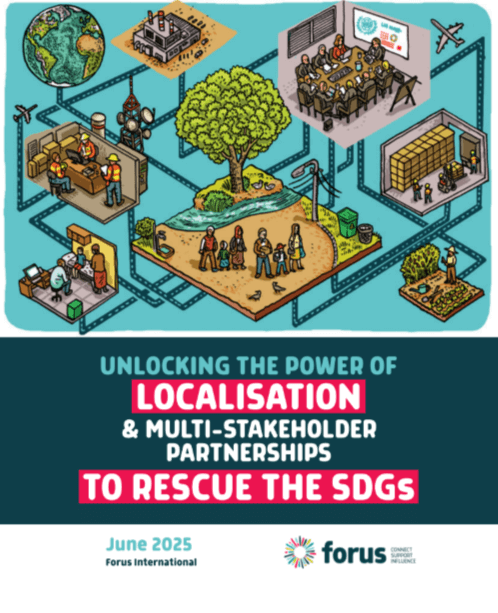
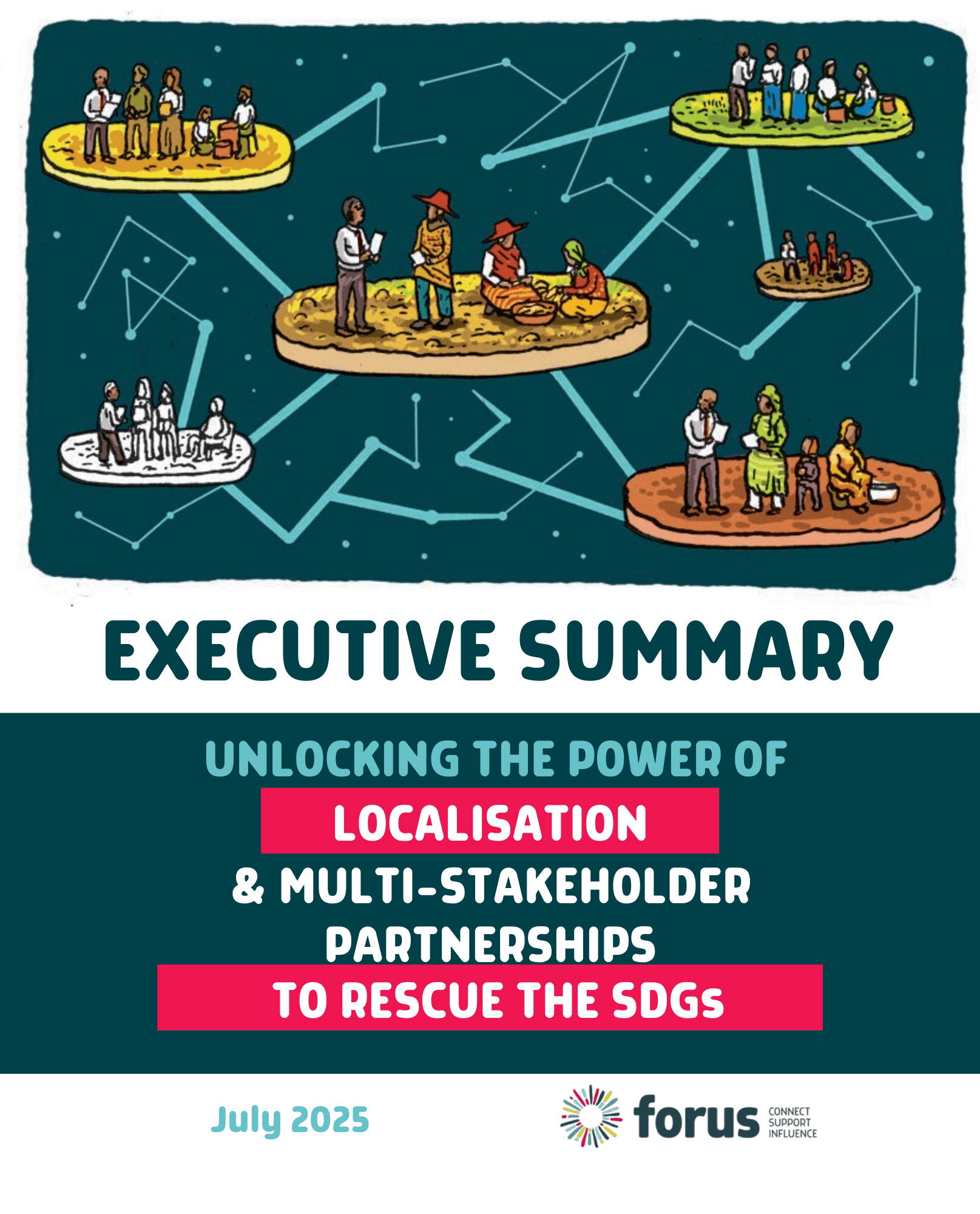
Unlocking the power of localisation and multi-stakeholder partnerships to rescue the SDGsDiscover 15+ powerful case studies from across five regions in the Forus network, showcasing how local communities are reshaping the path to achieving the Sustainable Development Goals (SDGs). This groundbreaking report offers practical strategies to reorient SDG implementation from the ground up — prioritising inclusive, locally driven, and community-owned approaches.
Wed 16 Jul 2025
Executive Summary - Unlocking the power of localisation and multi-stakeholder partnerships to rescue the SDGsThe Executive Summary of the "Unlocking the Power of Localisation and Multi-Stakeholder Partnerships to Rescue the SDGs" report presenting over 15 powerful case studies from across five regions in the Forus network, showcasing how local communities are reshaping the path to achieving the Sustainable Development Goals (SDGs). By centering local leadership and multi-stakeholder collaboration, the report highlights transformative pathways to rescue the SDGs and build more resilient, equitable societies.
Tue 15 Jul 2025
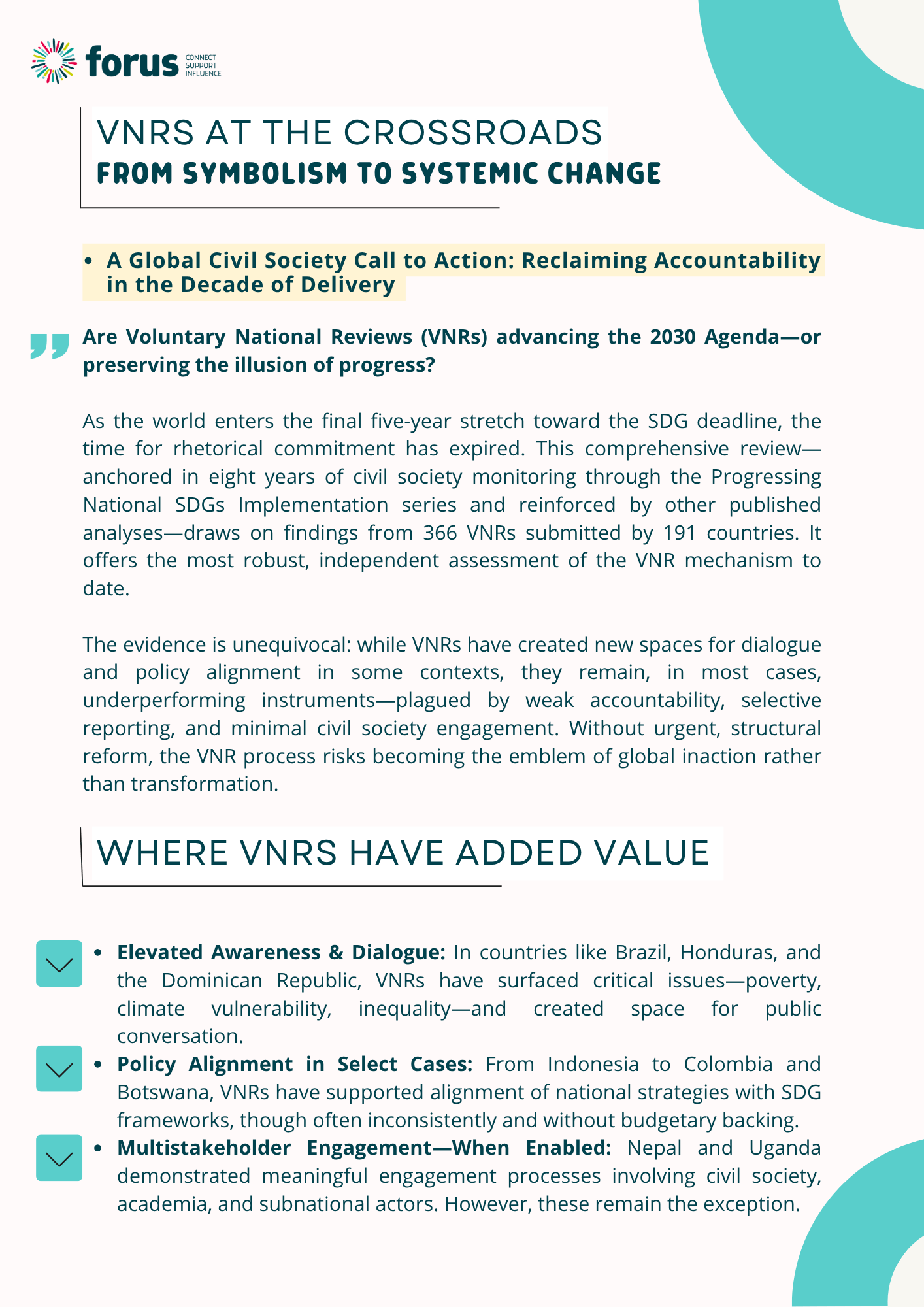
VNRs at the Crossroads - From Symbolism to Systemic ChangeAre Voluntary National Reviews (VNRs) advancing the 2030 Agenda—or preserving the illusion of progress? As the world enters the final five-year stretch toward the SDG deadline, the time for rhetorical commitment has expired. This comprehensive review—anchored in eight years of civil society monitoring through the Progressing National SDGs Implementation series and reinforced by other published analyses—draws on findings from 366 VNRs submitted by 191 countries. It offers the most robust, independent assessment of the VNR mechanism to date.
Thu 10 Jul 2025
A Decade of Accountability - Assessing the Role of Voluntary National Reviews in Advancing the Sustainable Development Goals.Since their inception in 2016, Voluntary National Reviews (VNRs) have served as a key accountability tool for monitoring progress on the Sustainable Development Goals (SDGs). Designed as country-led and voluntary mechanisms, VNRs aim to peer learning, track national progress, and identify policy gaps, ensuring that governments remain accountable to their commitment to the Agenda 2030. In this report we assess both what has worked and what hasen't in these past 10 years with case studies from national platforms across the Forus network.
Join our campaigns!
Discover our campaigns on shifting power and new forms of financing for development