



2026-03-26
Great Lakes When art transforms environmental challenges into opportunities
In the African Great Lakes region, initiatives combining craftsmanship, art, and citizen mobilization are transforming major ecological challenges into economic and social opportunities. Faced with environmental urgency, these initiatives demonstrate a strong commitment to taking concrete action.
In the courtyard of the headquarters of Nezerwa Investment Group, located in the Ntahangwa commune of Bujumbura province in Burundi, a creative initiative attracts attention. There, about fifteen people, mostly young men, are meticulously weaving mats. Around them lie piles of raw materials: riverside grasses, but above all water hyacinth. Once seen as a serious threat to Lake Tanganyika and the rivers crossing Burundi’s economic capital, the plant is finding a second life here.
Silas Bucumi, the company’s director, confirms this vision: since its creation, the company has aimed to transform environmental challenges into market opportunities.
“We give value to water hyacinth just as we do with plastics,” he says confidently.
When art comes to the rescue of rivers
Since 2022, Silas Bucumi and his artisans have taken on the challenge of transforming this ecological “problem” into a creative and useful resource. Water hyacinth fibers are mixed with other riverside grasses to weave mats.
Beyond protecting nature, this initiative also addresses a concrete social need. It offers an affordable alternative for Burundians, especially those living in rural areas whose limited resources do not always allow them to buy imported carpets or mattresses.
Currently, mat production remains artisanal and manual. The company produces around 30 mats per day, with each artisan weaving two or three. However, this pace depends heavily on climate conditions: when the grasses are perfectly dry, productivity increases. Under optimal conditions, Nezerwa Investment Group can produce up to 200 mats per month.
To sustain the supply chain, more than 30 collectors supervised by the company work daily along the shores of Lake Tanganyika and the rivers crossing the city of Bujumbura. Together, they extract more than five tons of water hyacinth every day.
This biomass is used not only for mat weaving but also as livestock feed. Every kilogram of hyacinth removed from the water represents a victory for environmental protection.
A necessary fight against an ecological scourge
Silas Bucumi’s initiative is similar to other projects such as Hyacinth Art House, which transforms dried hyacinth fibers into artworks, bags, and baskets exported to Uganda or Europe. It is a fight “worth pursuing,” considering the devastating consequences of this plant.
Nicknamed the “green plague,” water hyacinth (Eichhornia crassipes) spreads rapidly across stagnant waters. By forming dense mats on the water surface, it blocks light and oxygen.
This kills fish and threatens the food security of local populations. In addition, these floating masses provide breeding grounds for mosquitoes, increasing malaria cases in riverside areas.
Ecologically, the impact is devastating for water quality and aquatic flora and fauna. The issue is particularly critical for Lake Tanganyika, a major source of drinking water for Bujumbura residents and a vital fishing reserve.
In recent years, rising lake levels have worsened the spread of hyacinth in flooded areas such as Gatumba and Rumonge, making mechanical removal more difficult. In this context, artisanal reuse is more necessary than ever.
Art as a tool for awareness
Beyond economic initiatives, artists in the region are using creativity to raise awareness about climate issues.
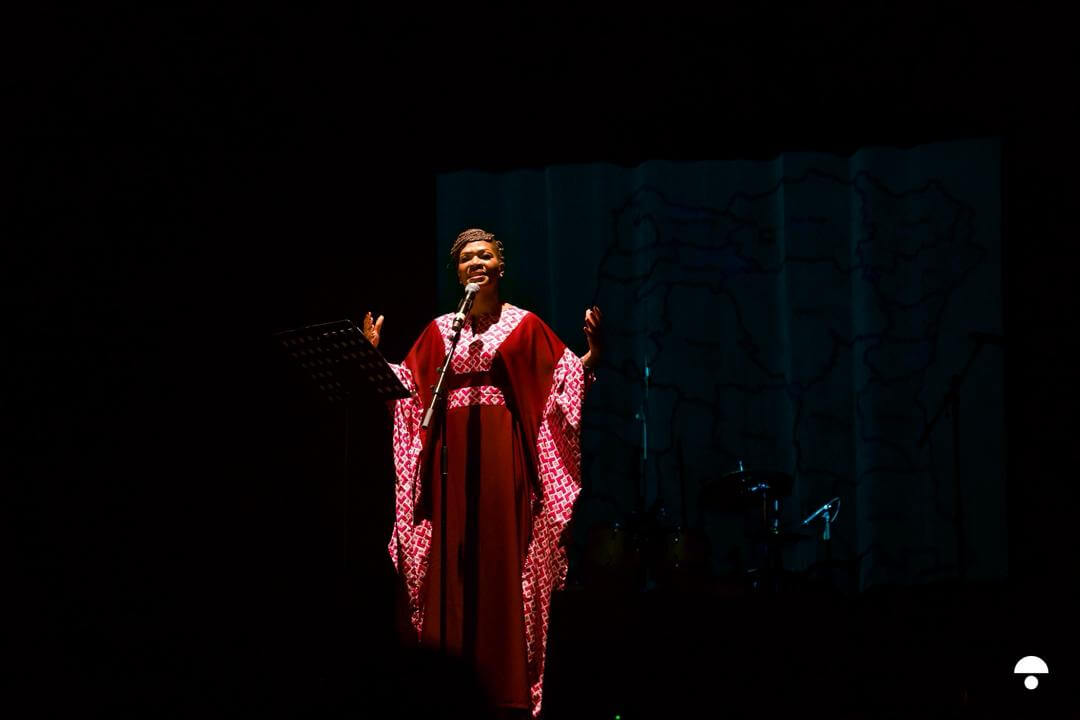
Congolese slam poet and photographer Do Nsoseme sees art as a way to make environmental issues more accessible.
“Art allows us to translate complexity into emotion and storytelling,” she explains.
Through her performances, she portrays everyday stories: fishermen facing declining fish stocks or families struggling with increasingly unpredictable seasons. For her, these narratives help connect local communities with international climate debates that often feel abstract.
Civil society organizations also play a key role. The National Council of Development NGOs (CNONGD), a member of the FORUS network, works to coordinate actions and strengthen the voice of communities in climate negotiations.
According to its secretary-general, regional networks facilitate experience-sharing and the development of common positions. They also encourage artistic forms such as theater and visual arts to mobilize populations.
Local initiatives emerging despite challenges
However, obstacles remain: lack of funding, limited access to strategic information, and insufficient consideration of local realities in international discussions.
Despite these challenges, local initiatives continue to emerge. Projects similar to Nezerwa Investment Group transform water hyacinth into artisanal products, sometimes exported to other African countries or Europe.
For many actors, the key lies in approaches rooted in local realities.
“Communities should not only be subjects of inspiration, but partners in creation,” emphasizes Do Nsoseme.
In this context, transforming water hyacinth into useful products illustrates a broader dynamic — one of climate justice built by and for the affected populations.
Faced with environmental urgency, these initiatives demonstrate a real determination to act. Whether artisans or artists like Do Nsoseme, everyone can use their art to build a more sustainable future in the Great Lakes region.
This article is part if the Forus Journalism Fellowship.