© Forus


2026-04-09
LESOTHO HIGHLANDS WATER PROJECT: A visit that changes the narrative
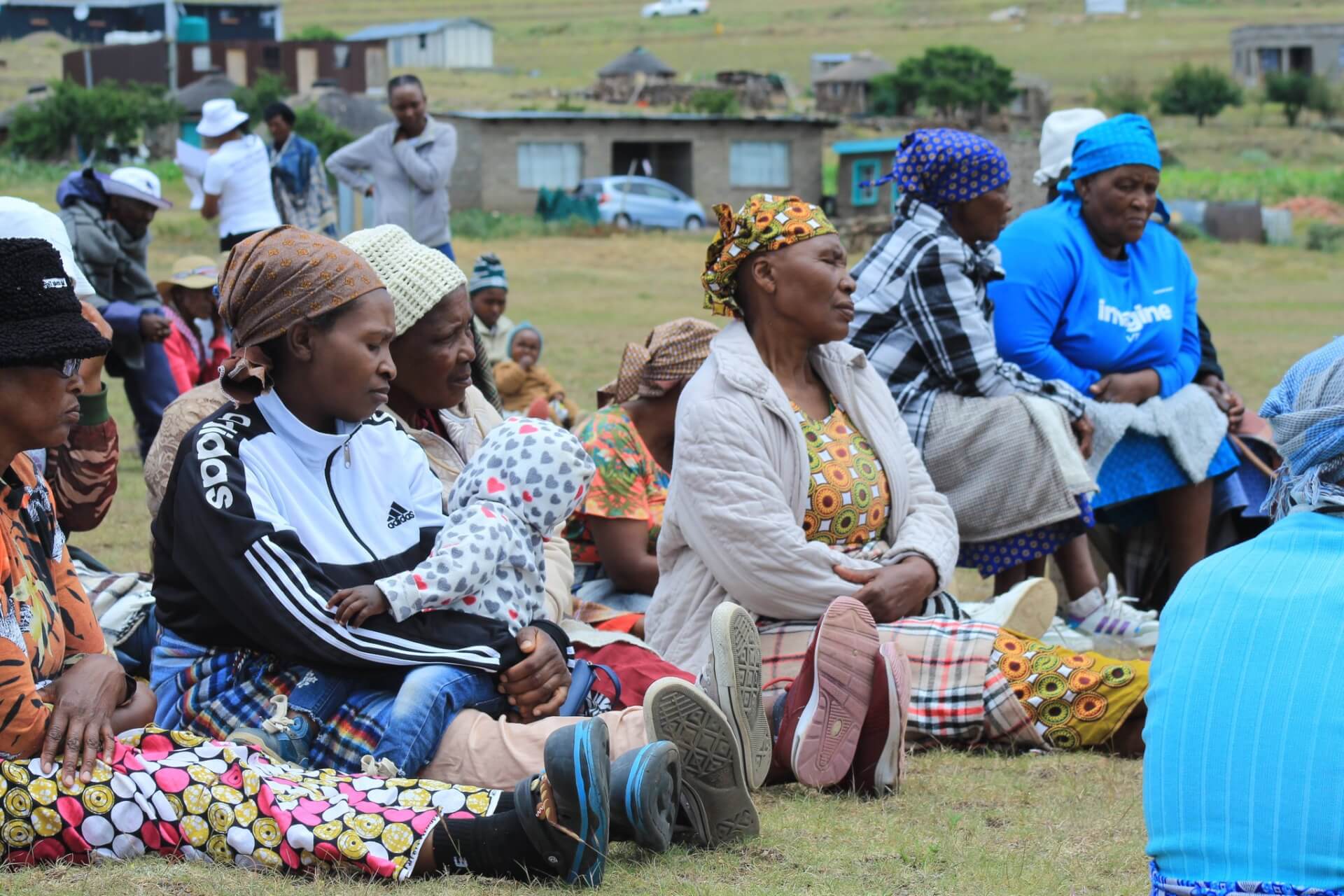
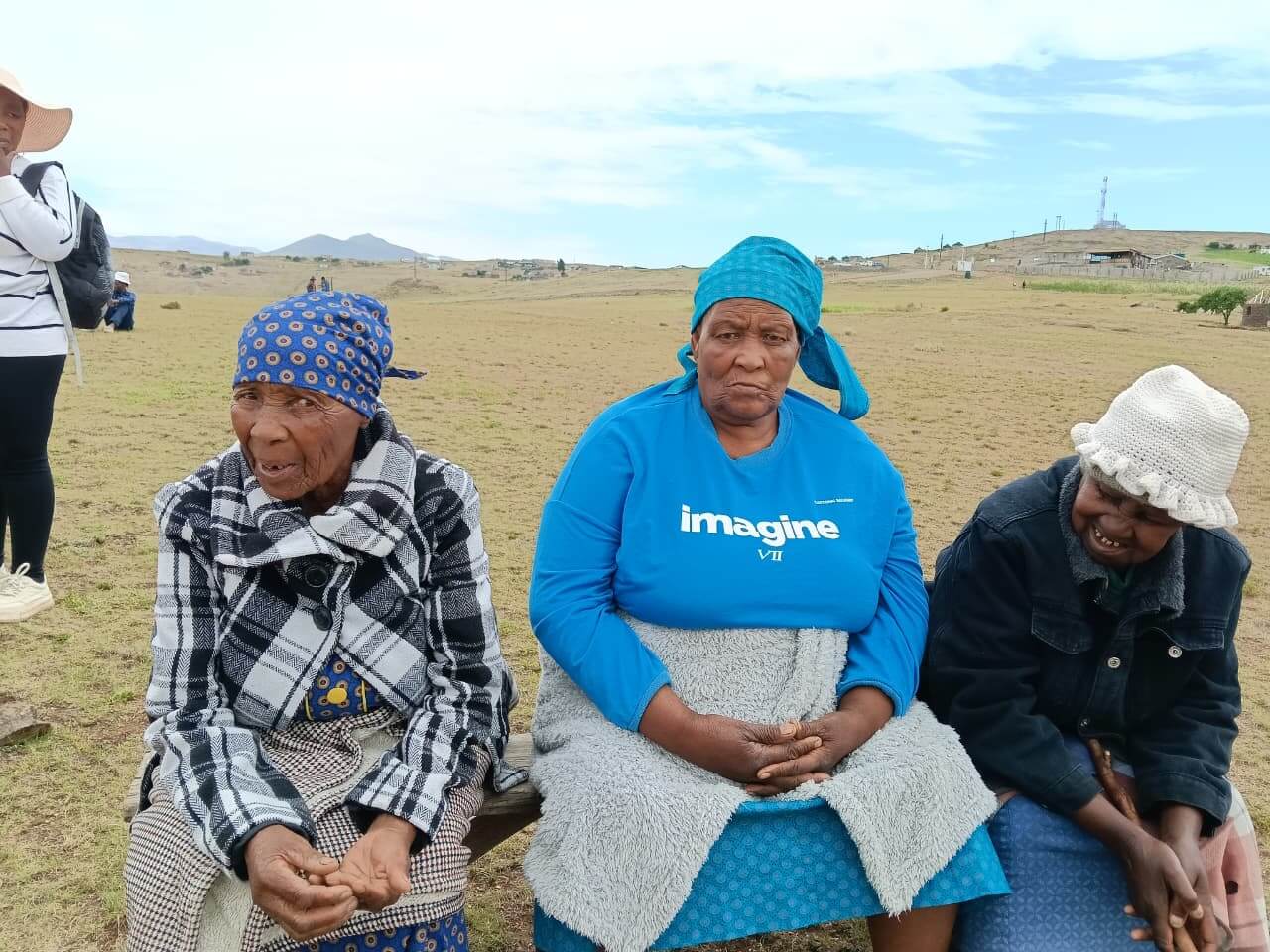
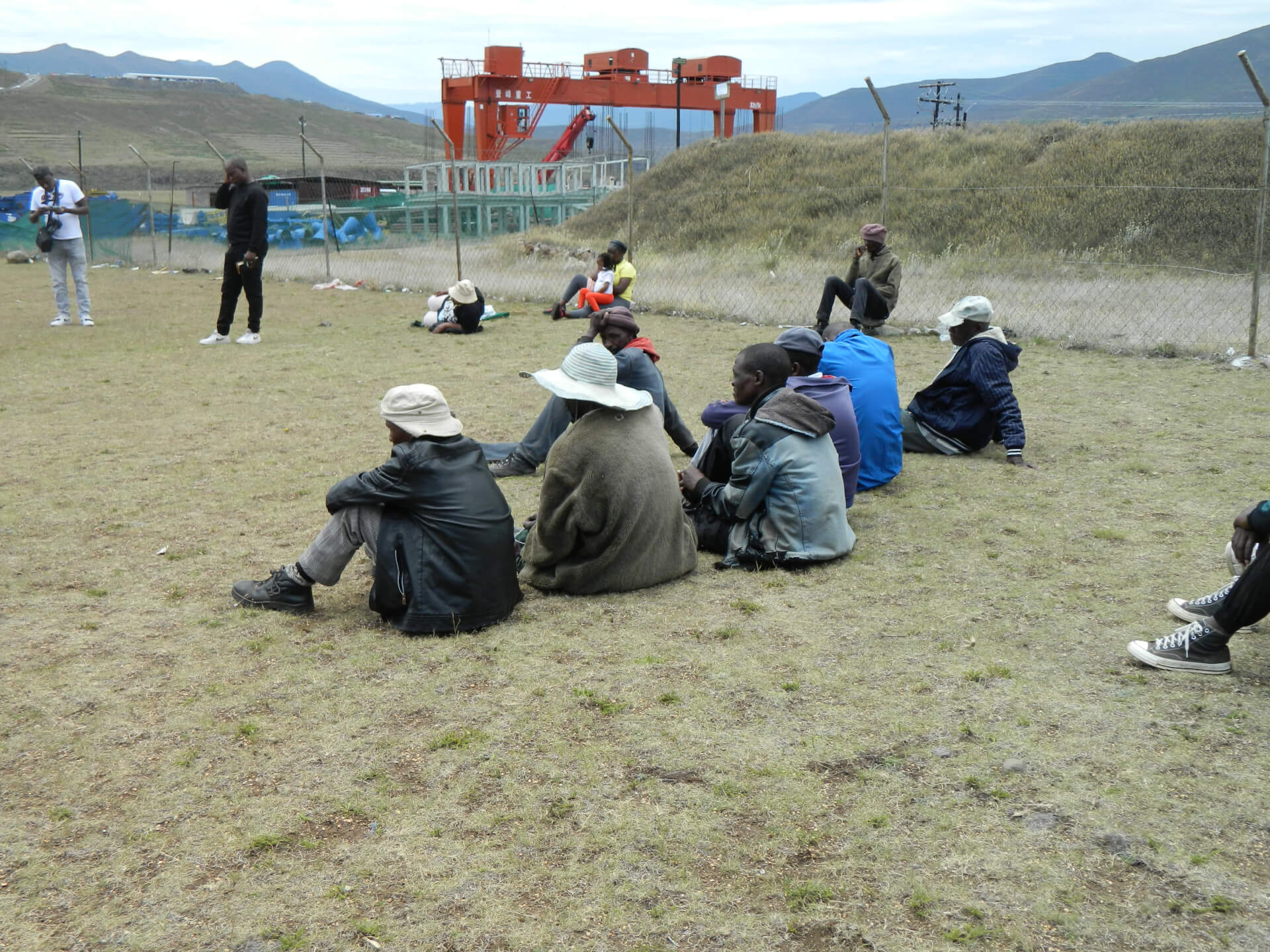
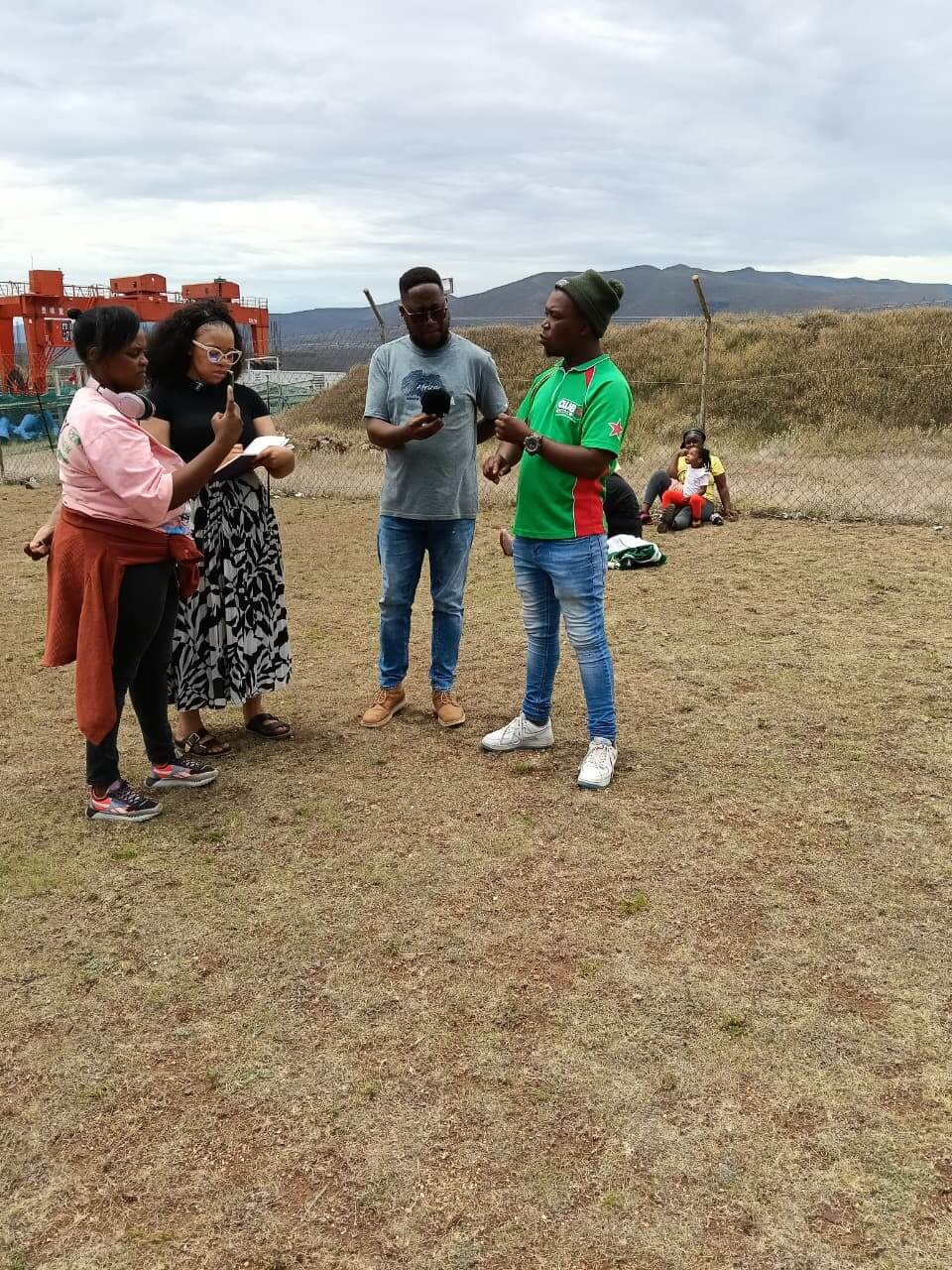
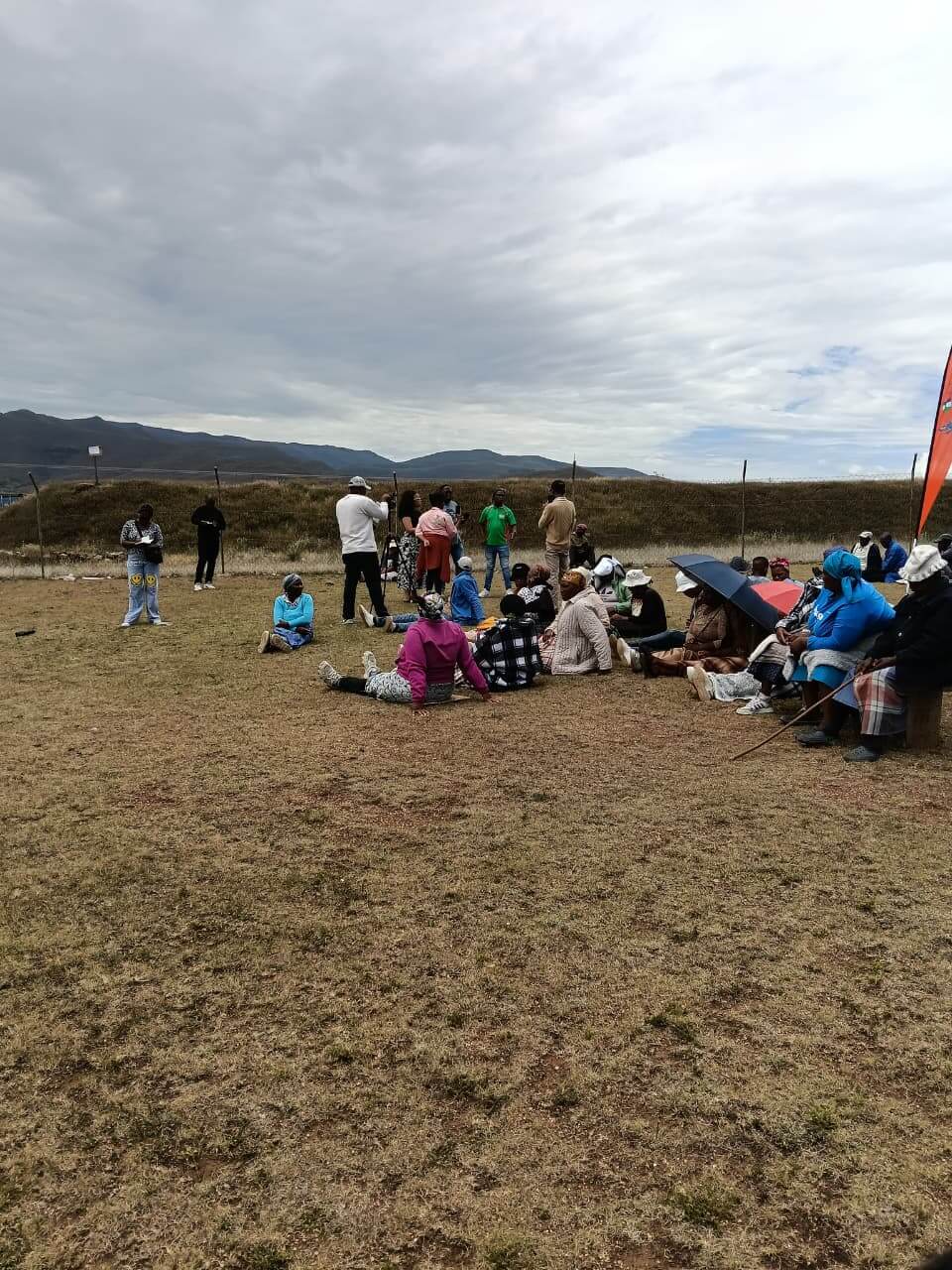
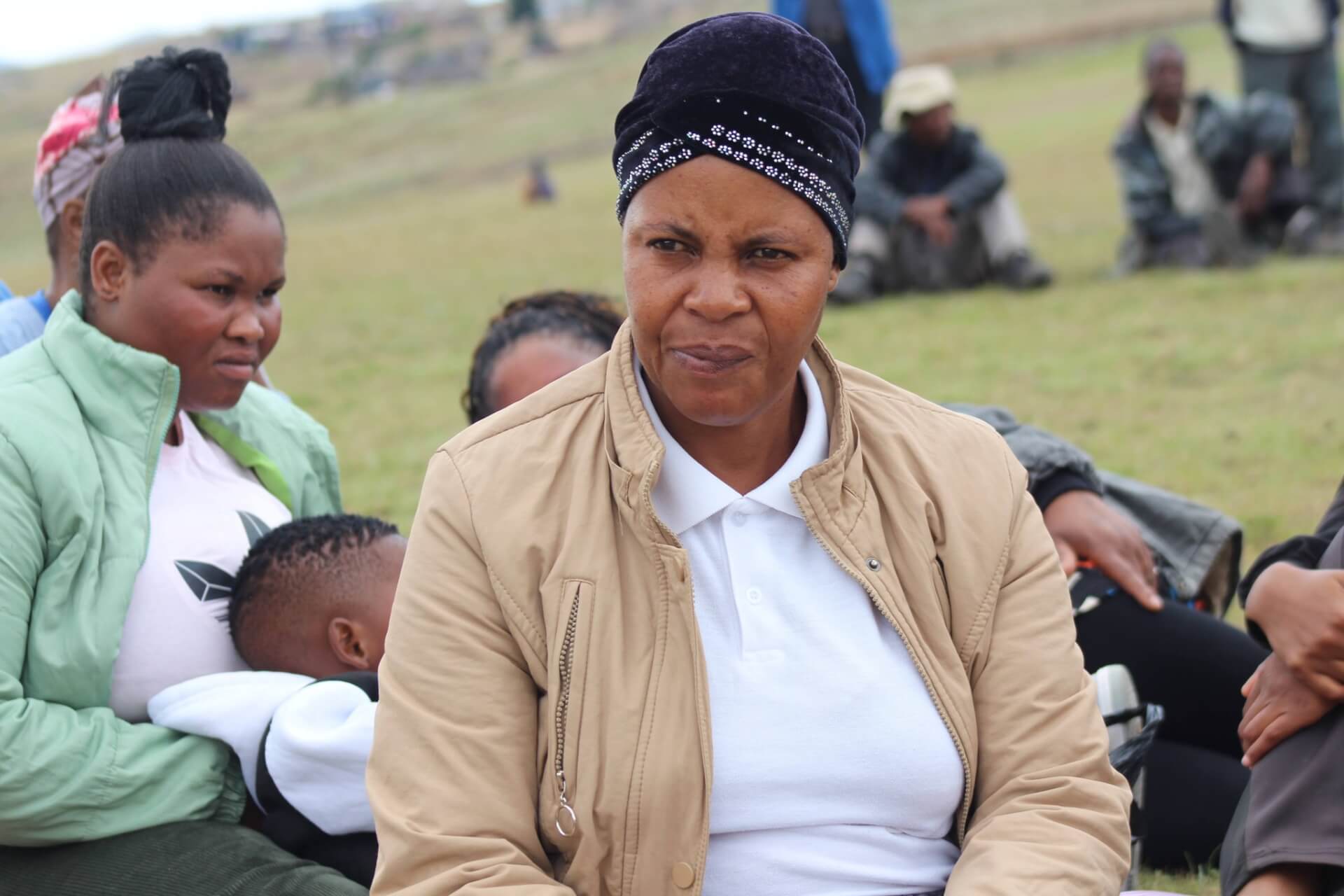
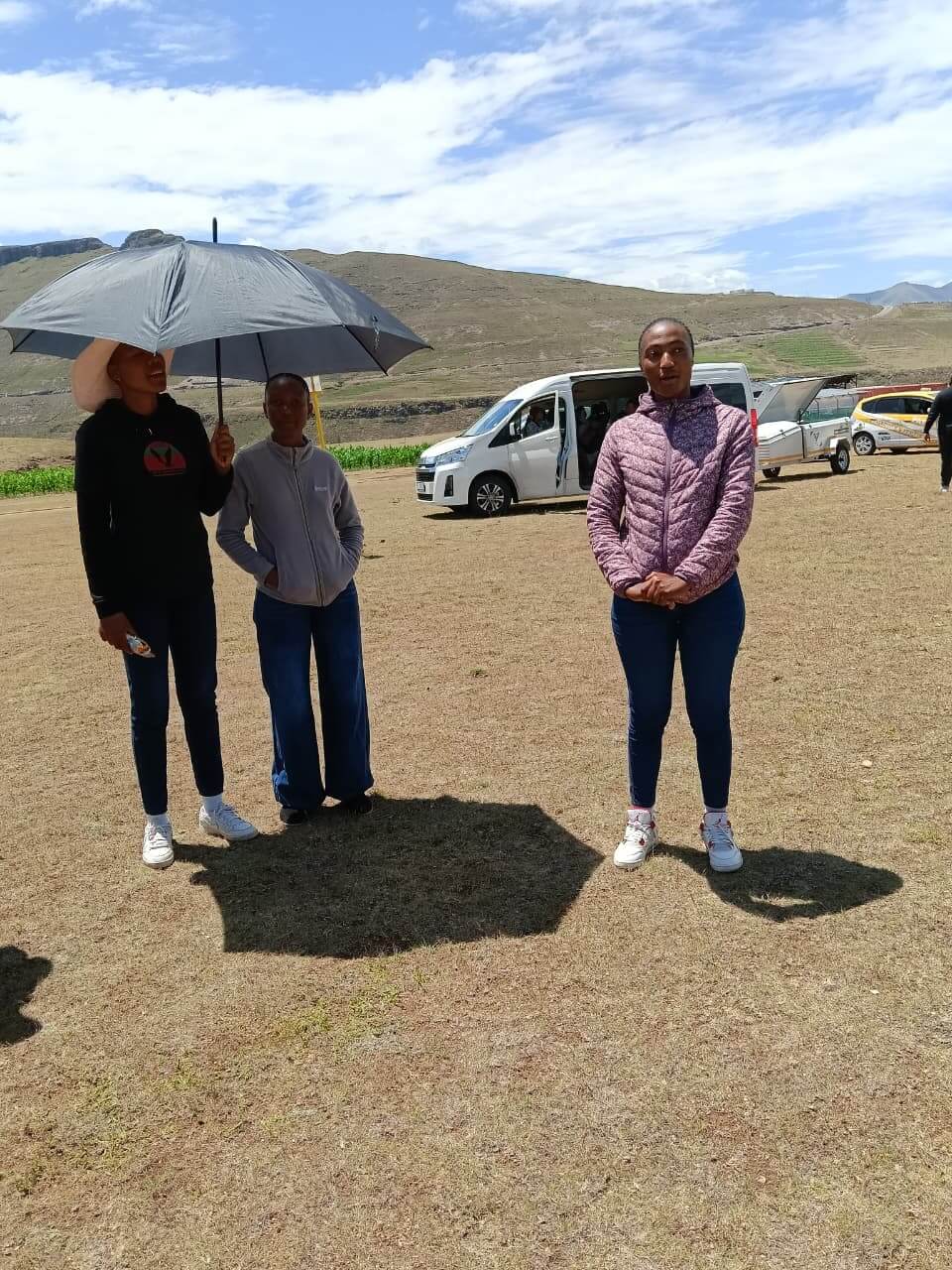
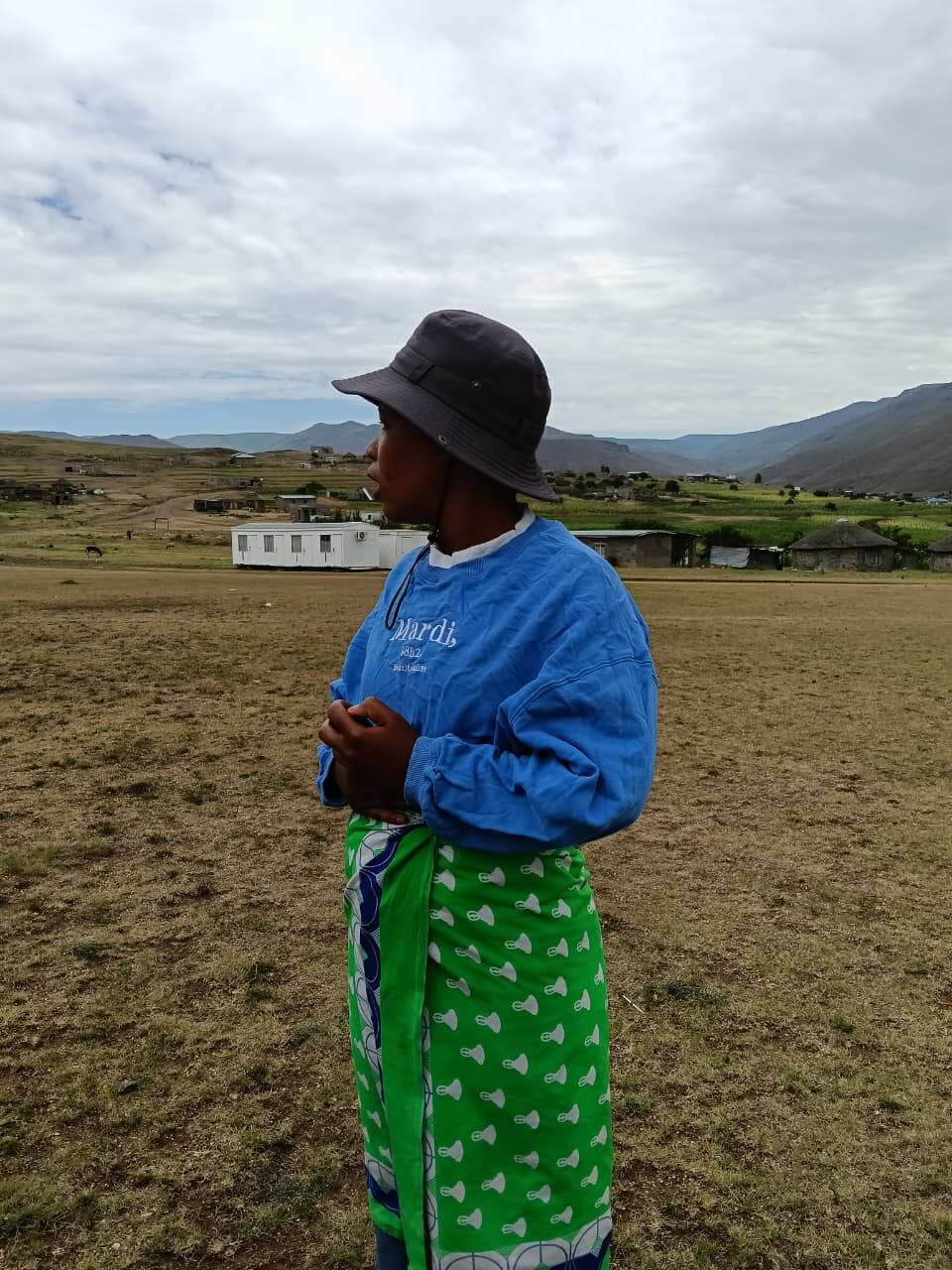
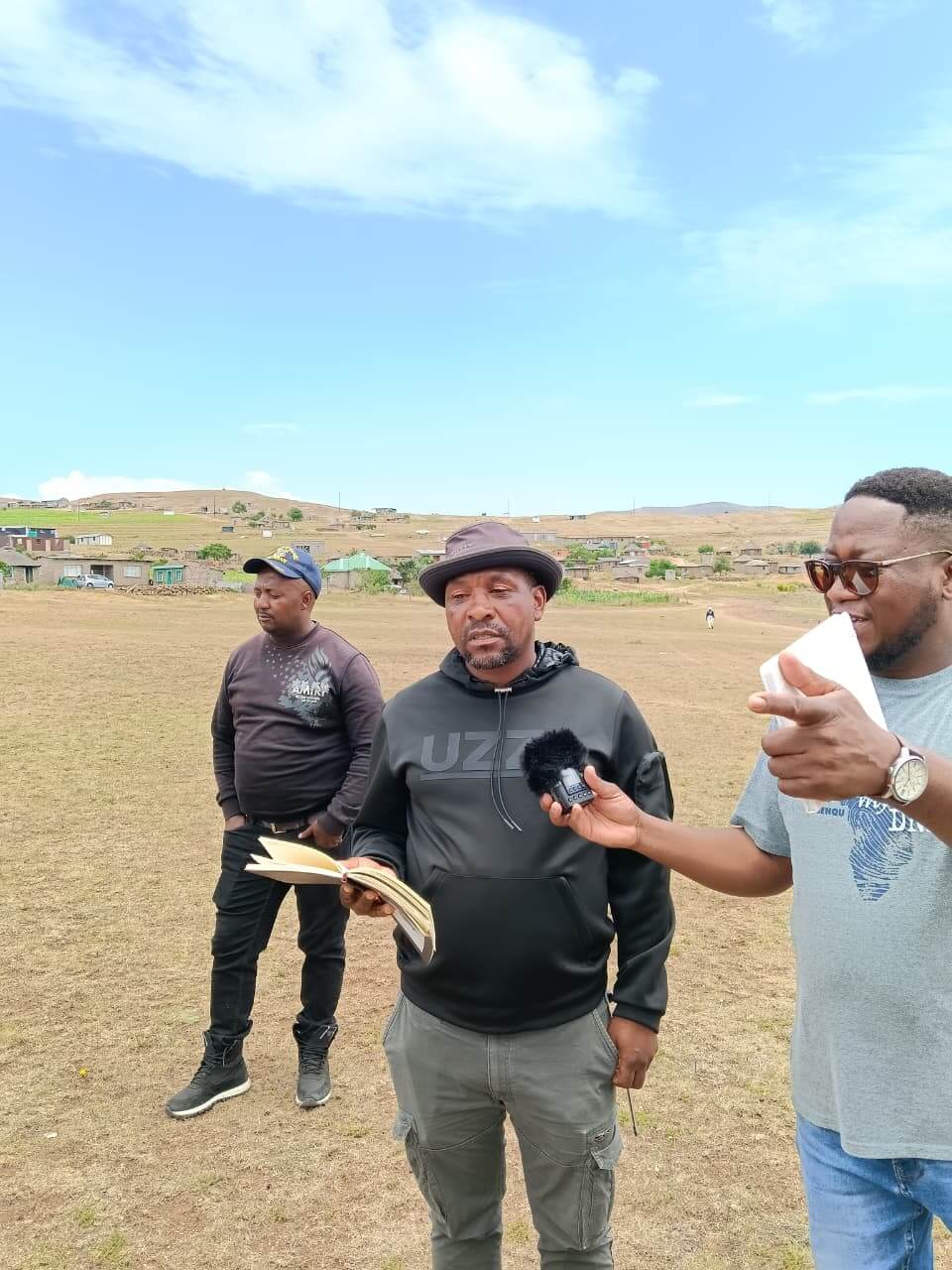
Earlier this year, Forus supported a field visit which brought together civil society partners of the Civil Society Forum of the NDB — alongside local journalists, to communities affected by the Lesotho Highlands Water Project (LHWP) — a bi-national scheme between Lesotho and South Africa.
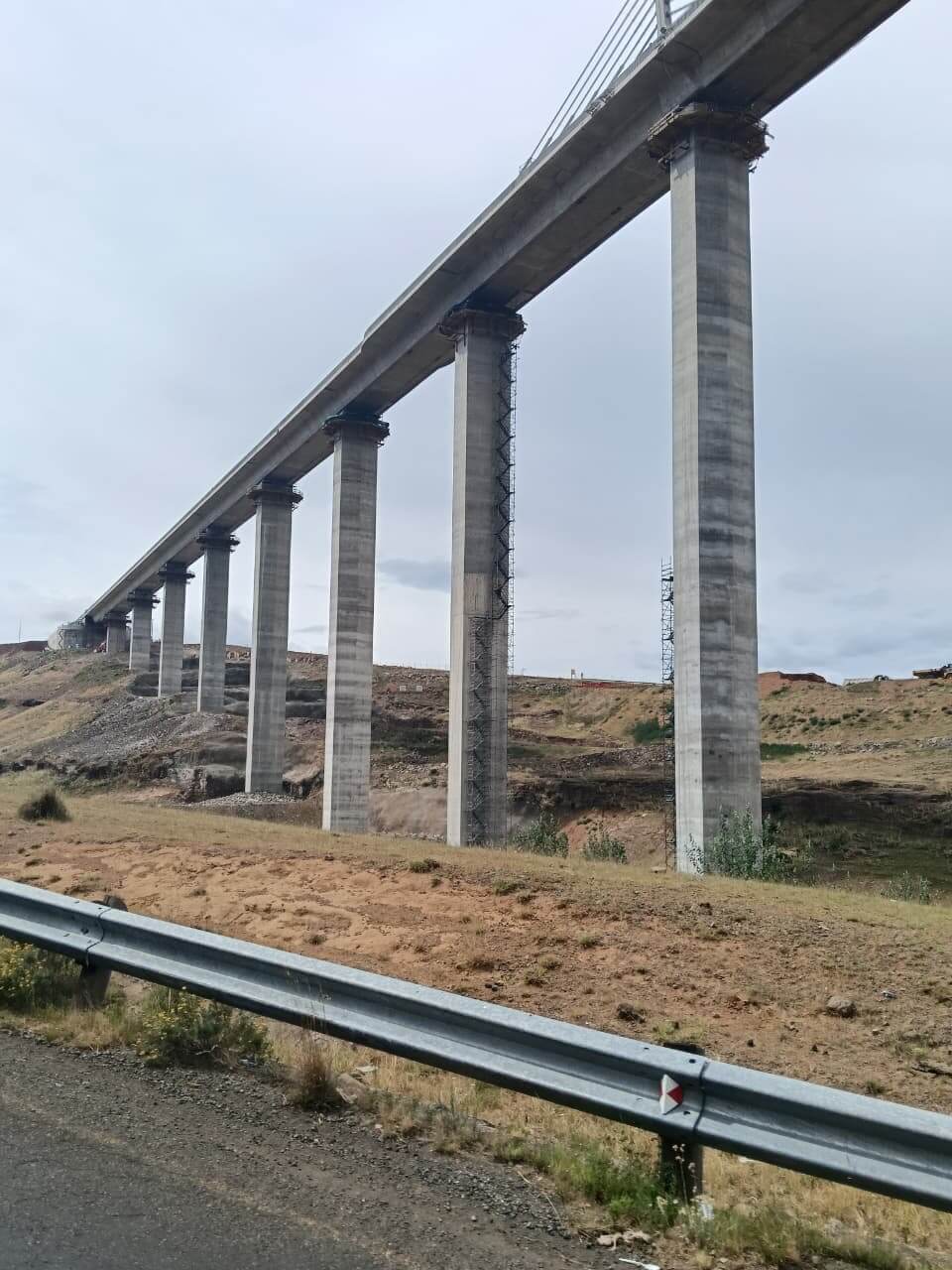
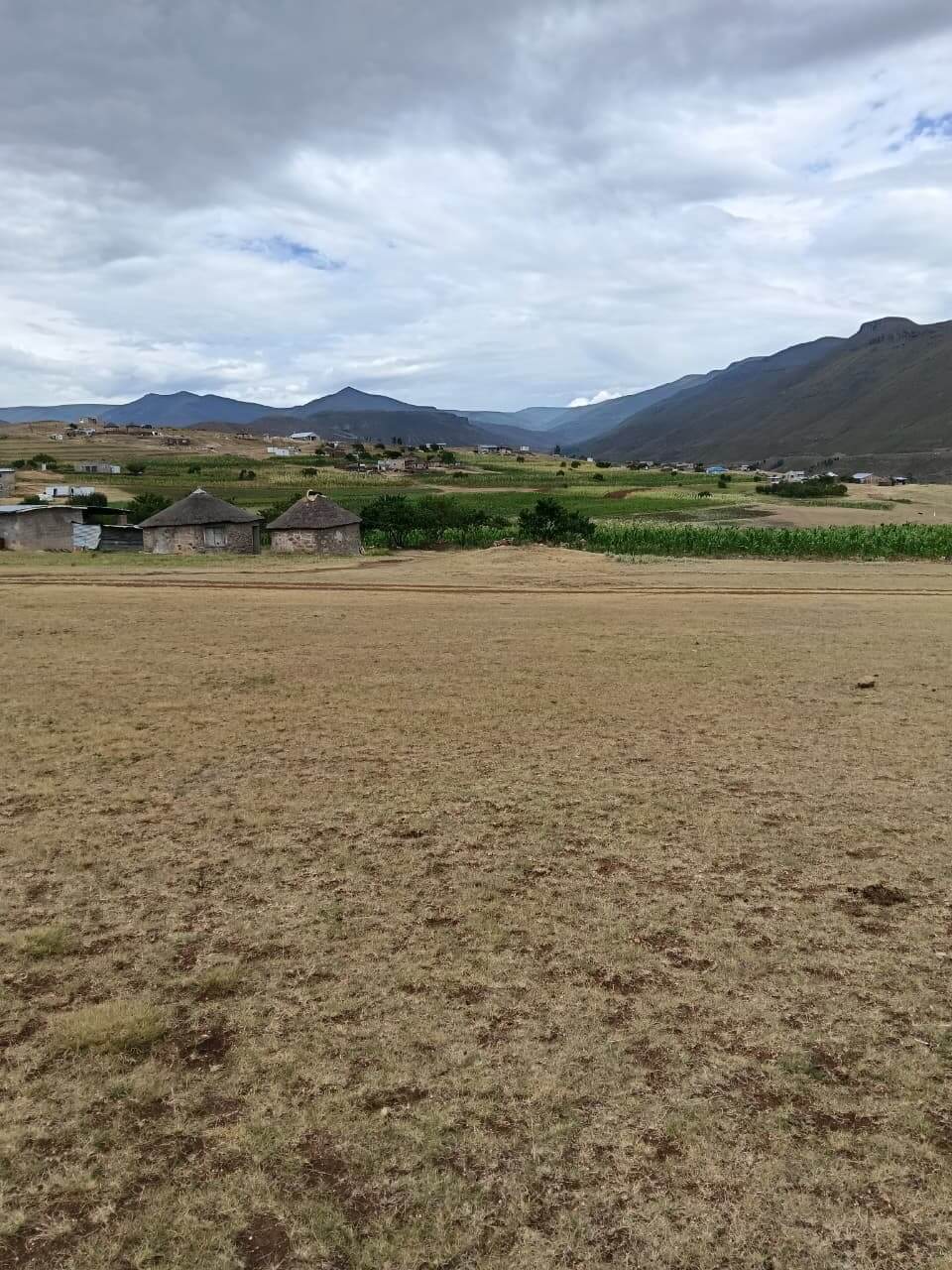
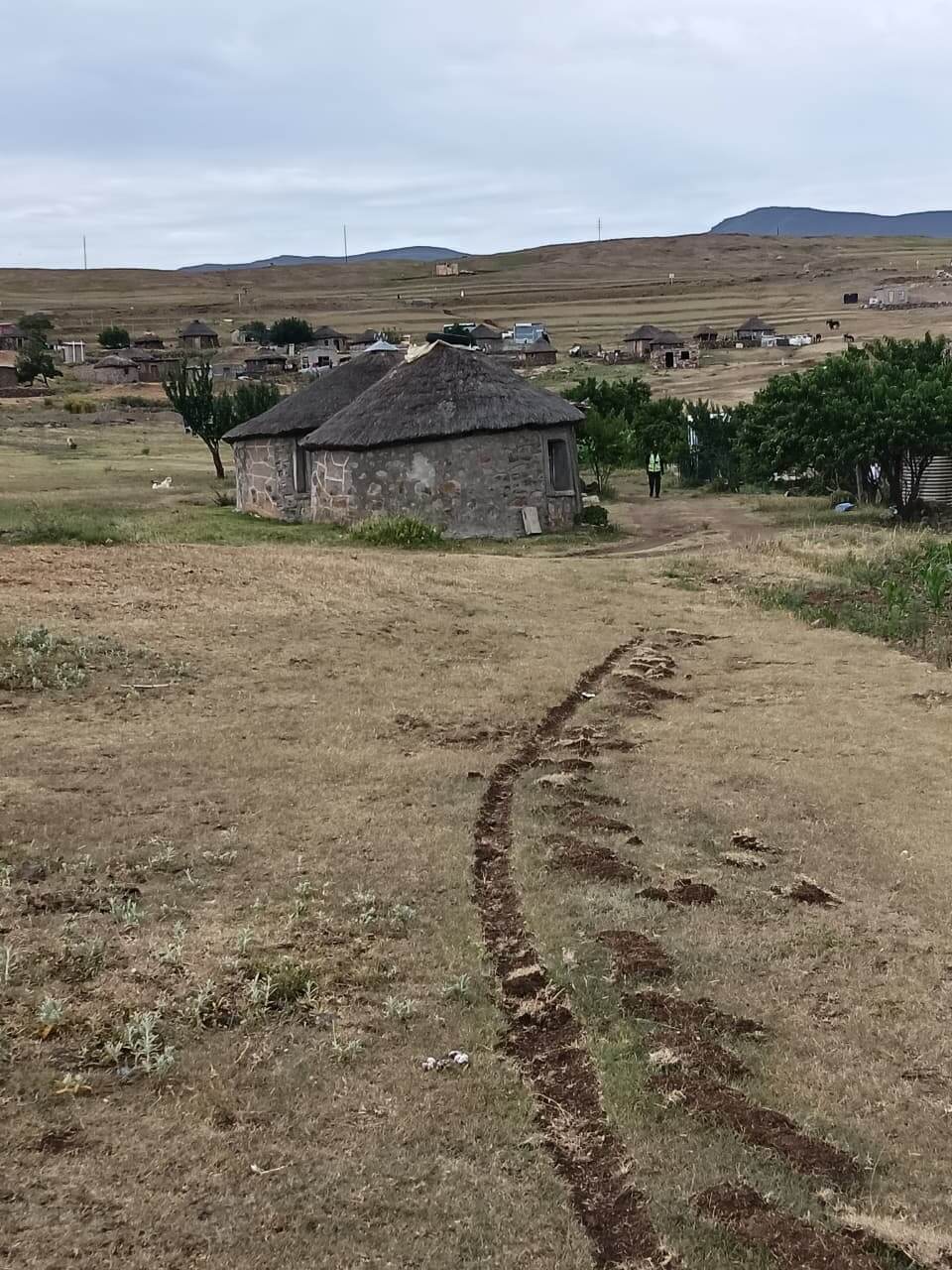
The LHWP Phase II, particularly the construction of the Polihali Dam and associated infrastructure, has had significant social, economic, environmental, and gendered impacts on the affected communities in the Mokhotlong District. These include loss of land and livelihoods, damage to homes and water infrastructure, inadequate and delayed compensation, cultural disruption and heightened vulnerabilities for women and girls.
Communities have raised concerns and filed complaints, but responses and remedies from authorities and financiers have been limited. Meanwhile, the project is still widely portrayed as a development and climate-adaptation success, which overlooks the real impacts on affected communities, especially women and girls. There is therefore an urgent need to amplify community voices, document rights violations, and produce evidence-based reports to hold institutions such as the Lesotho Highlands Development Authority (LHDA), New Development Bank (NDB), African Development Bank (AfDB), Development Bank of Southern Africa (DBSA), and government ministries accountable for remedies and gender-responsive, rights-based reforms.
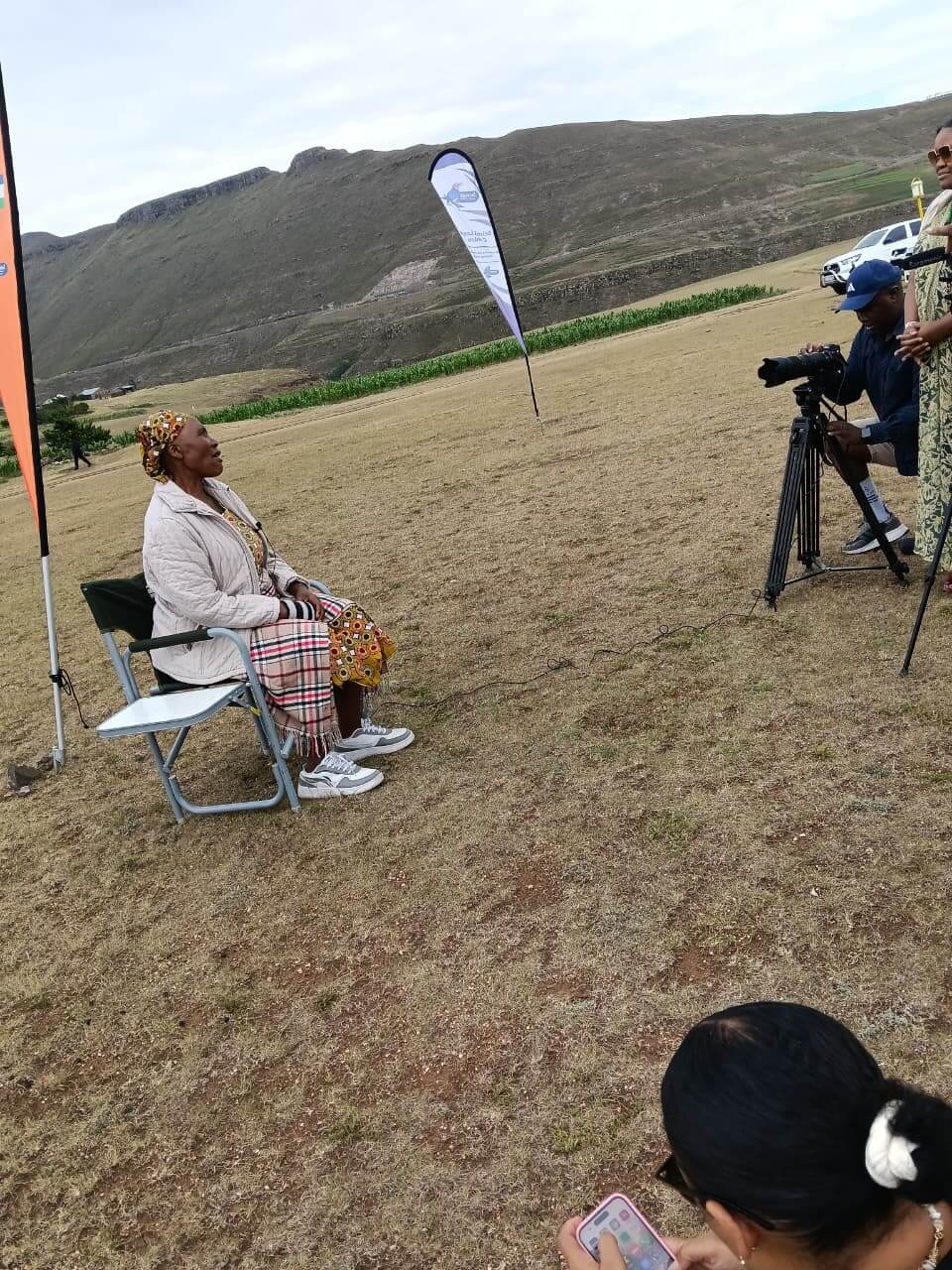
The field visit coordinated by the Seinoli Legal Centre, provided journalists with an opportunity to travel to Maseru and Mokhotlong as well as communities, hear directly from affected community members, observe how large-scale infrastructure projects intersected with everyday life, and explore issues of development, accountability, safeguards, and participation. It also helped them understand the human dimensions of transboundary and climate-linked infrastructure. The visit took place at a time of growing regional and international attention on how development projects were financed, how safeguards were applied, and how communities were consulted.
This article is part of Forus' #MarchWithUs campaign for gender justice — a month dedicated to amplifying the voices of activists and civil society organisations working at the frontlines of equality.
What is the LHWP?
The LHWP was designed to transfer water from Lesotho's highlands to South Africa's Gauteng provinceand generate hydroelectric power for Lesotho. However, Phase I resulted in the displacement of thousands of people without fair compensation, submerging arable and grazing land and limiting communities' access to the very water that surrounds them. The LHWP Phase II, particularly the construction of the Polihali Dam and associated infrastructure, has had significant social, economic, environmental, and gendered impacts on the affected communities in the Mokhotlong District, as documented in Breaking the Silence - Gender-Based Challenges in the LHWP-II. — it has raised various concerns as well.
The scale of the impact is significant. It is estimated that 5,000 hectares of land will be flooded by the Polihali Dam, forcing the relocation of approximately 270 households and 21 business enterprises. Around 12 communities will be partially relocated and 5 will need to resettle entirely — a process with lasting economic, social and cultural implications for generations to come. Critically, no livelihood restoration strategy has been shared or discussed with affected communities to date. Read more here.
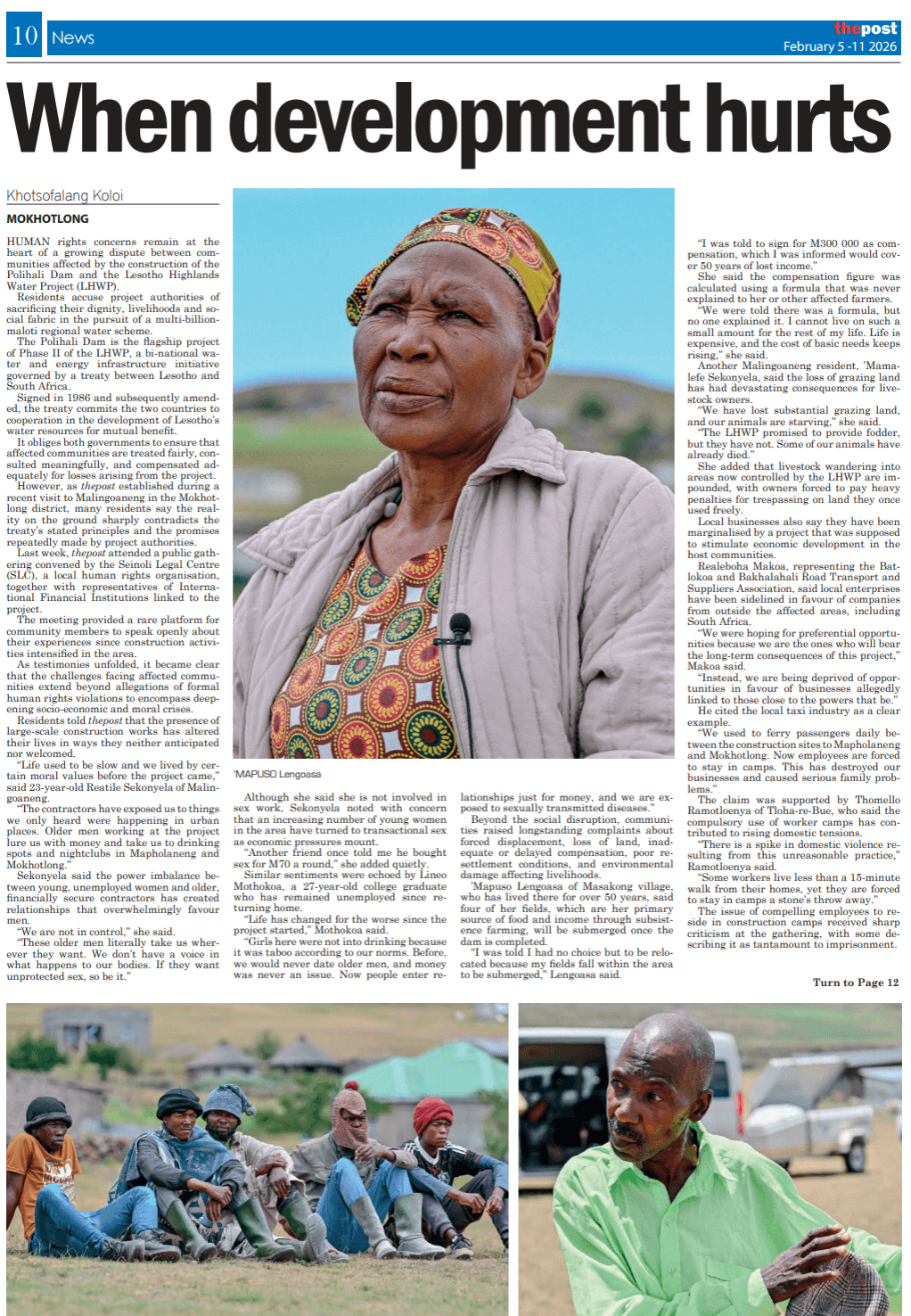
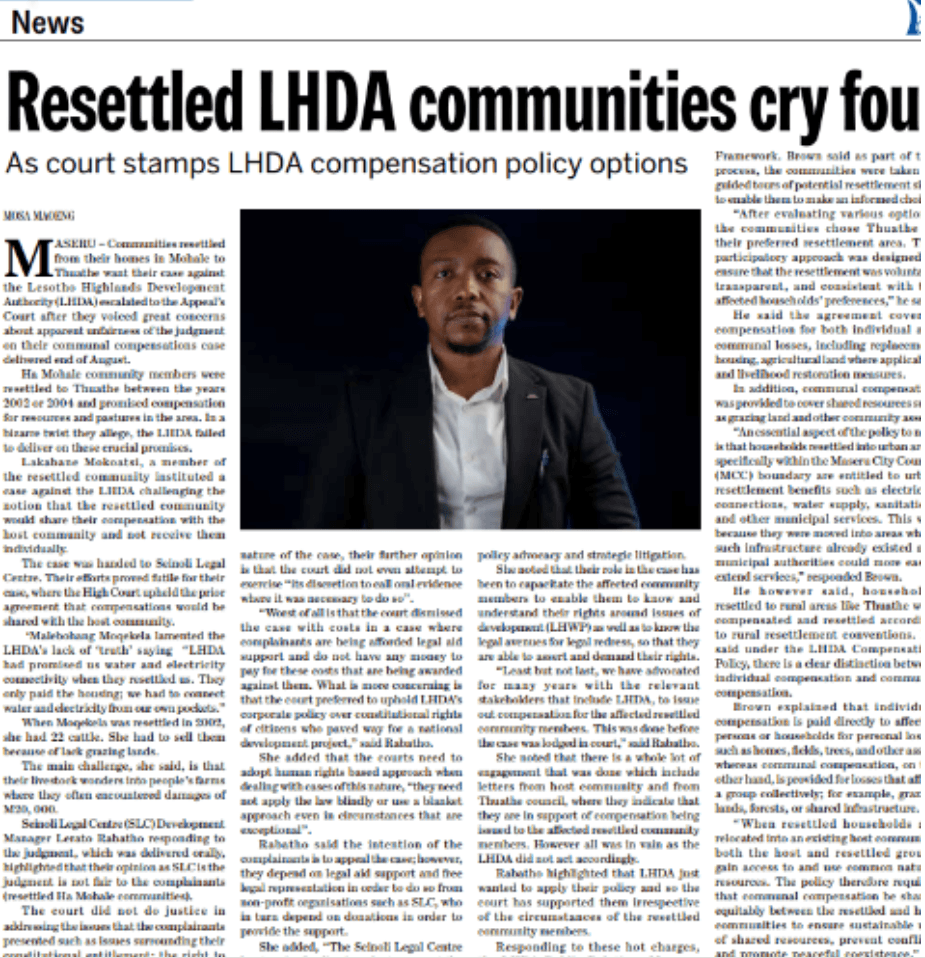
Following this visit, journalists and CSOs produced a series of articles and reports documenting the human and social toll of the LHWP. These reports document systemic human rights concerns and the lack of adequate response from authorities regarding the project’s impact. Others focus on the urgent need for accountability from PDBs like the NDB and AfDB to ensure that social and gender safeguards are strictly applied to protect affected communities. These also investigate the disruption of the social fabric, where unemployment and power imbalances have led to a rise in transactional sex and the erosion of traditional community values. Together; these pieces spotlight the need for accountability from PDBs to ensure that regional infrastructure projects do not sacrifice the dignity and rights of the communities.
Find the articles developed by journalists and civil society partners below. [here I would showcase in the form of a gallery the various articles produced as part of the field visit.
Women are the story
A woman interviewed during community meetings in Mokhotlong described being offered compensation for fifty years of lost income, a sum she described as far too little to rebuild a livelihood. Her story is not an exception. Across every dimension of the LHWP, impacts are no gender-neutral; women bear a disproportionate and under-reported share of the harm, because of compounding structural barriers.
Across every dimension of the LHWP, impacts are not gender-neutral; women bear a disproportionate and under-reported share of the harm, because of compounding structural barriers.
Communities from Ha Mohale were resettled to Thuathe between 2002 and 2004 — promised compensation, water, electricity, and a path to rebuilding their lives. Many of those promises, residents say, were never fulfilled.
The central legal conflict has centred on compensation: communities sought individual payments, while LHDA policy required that communal compensation be shared with the host community. A court ruled in favour of LHDA's position. The Seinoli Legal Centre — which provides legal support to affected communities — argues the court failed to adequately consider the evidence and prioritised institutional policy over constitutional rights. The community wants to appeal.
With little financial access, the community depends on legal aid and NGO funding to pursue the case. Donor funding, as the journalist covering this issue put it, is never enough. It is limited. And there is no sustained mechanism to ensure these organisations can continue to stand for the people who have no one else.
Compensation policies operated by the Lesotho Highlands Development Authority (LHDA) also create disadvantages for women as they treat the male head of household as the default recipient of payments. The result, in practice, is that women, even when they have legal rights to land, are systematically excluded from receiving direct benefits. Finding by the Seinoli Legal Centre, which supports 17 directly affected communities, confirms this patter; women are losing access to land they depend on for food and income, while resettlement sites lack clean water and fertile soil, deepening their vulnerability. Furthermore, the LHDA continues to operate without a gender policy or responsive framework, even as project financiers keep disbursing funds. Read the full analysis here.
This directly contradicts Lesotho's own Land Act of 2010, which grants both spouses equal rights over land and property. As reported by journalists involved in the field visit, the consequences spread through families. In communities affected by Phase II, compensation payments have become a source of intra-family conflict: uncles and fathers sidelining women from land that belonged to their families; husbands receiving payments for land belonging to wives they have separated from; men using compensation money in ways that exclude their partners and children entirely.
Beyond compensation, the social fabric of affected communities has been disrupted by the arrival of large numbers of construction workers. Field documentation points to increased vulnerability of young women, including reports of transactional relationships with financially powerful contractors, rising exposure to sexually transmitted diseases, and an increase in domestic violence. Workers housed in camps away from their families have contributed to shifting community norms around alcohol and relationships.
Why CSOs and PDBs must work together
The institutions financing Phase II of the LHWP — the New Development Bank (NDB), the African Development Bank (AfDB), and the Development Bank of Southern Africa (DBSA) — have the responsibility to require that social and gender safeguards be applied. With meaningful accountability mechanisms remaining limited, civil society is advocating for faster and more adequate institutional responses and meaningful partnerships.
The NDB's 3.2 billion Rand loan agreement for Phase II, signed during the 2023 BRICS Summit, raised serious questions about transparency and accountability. While the project is projected to increase water supply for approximately 15 million people in Gauteng, these benefits are not guaranteed for the thousands of communities directly affected in Lesotho. Civil society organisations have called on the NDB to urgently adopt a gender policy and ensure meaningful community consultation — particularly for women who have historically been left behind. Read more here.
"CSOs are in the forefront of trying to promote the rights of the marginalised — but they should be empowered to access the judiciary, to bring cases before court and speak on behalf of marginalised communities. They need for everyone to stand up for the little guy," a participant from the Eminent Centre for Investigative Journalism, said.
The environment for civil society in Lesotho is under increasing pressure, as highlighted by recent EU SEE alerts. These alerts reflect a deteriorating enabling environment, marked by government restrictions on unions and the arbitrary arrest of The Lesotho Times and Sunday Express editor and a social media activist following reports on corruption, actions that signal a calculated effort to silence criticism. Furthermore, the proposed Computer Crime and Cybersecurity Law remain a significant threat; in if passed without human rights-compatible amendments, it could criminalise the very kind of investigative journalism that brought the LHWP abuses to light.
This scenario highlights the need for stronger relations between PDBs and CSOs for resolving the accountability gap in large-scale infrastructure projects. While PDBs provide the financial framework and high-level safeguards, CSOs possess the local trust and ground-level data necessary to identify when these safeguards are failing in practice. By fostering collaborative relationships with CSOs, PDBs can help ensure that projects are both gender-responsive and rights-based, thereby preventing the systemic exclusion of marginalized groups from the benefits of development.
Despite the barriers, in Lesotho, change is possible — and civil society has proven it. The passage of the Inheritance Law, which gave women the right to inherit and own land, came about in significant part through the sustained advocacy of organisations like Moafrika. In August 2025, Lesotho adopted a Tenth Constitutional Amendment that strengthens CSOs’ ability to bring cases before of marginalised communities. The Public Participation Bill, approved by the National Assembly in May 2025, supported by the Transformation Resource Centre, could provide a formal legal framework for CSO participation in exactly the kind of development policy that governs projects like the LHWP.
As CSOs sit with affected communities, local journalists hear testimony that challenges official narratives, and as the distance between a boardroom decision and a woman losing her land becomes impossible to ignore, strengthening calls for greater accountability and meaningful policy change.
2025-09-22
Forus in Media
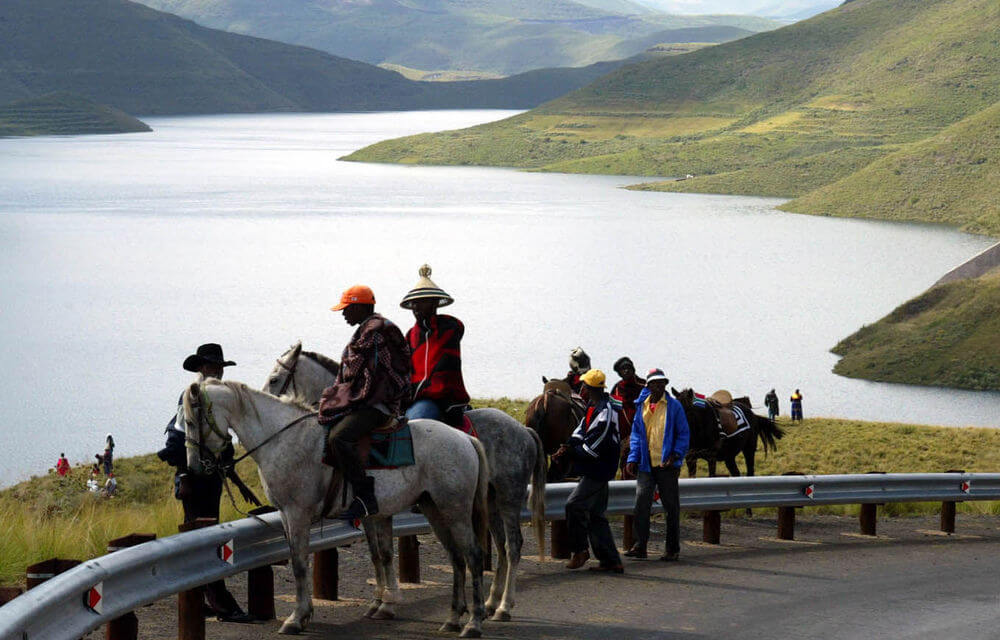
Lesotho Highlands Water Project must work with women, not against them Public banks – Development Bank of Southern Africa, African Development Bank and the New Development Bank – and the Lesotho Highlands Development Authority render women invisible in a process that professes to be inclusive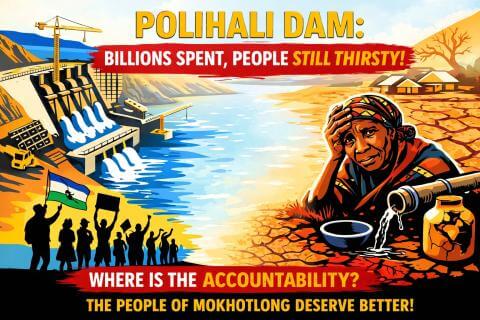
2026-04-09
Forus in Media
Spotlighting the harms and accountability gaps in the Lesotho Highlands Water Project (LHWP) Phase II | African Forum and Network On Debt and Development | African Forum and Network On Debt and Development MEDIA STATEMENTSpotlighting the harms and accountability gaps in the Lesotho Highlands Water Project (LHWP) Phase II. Maseru, Lesotho | 2 March 2026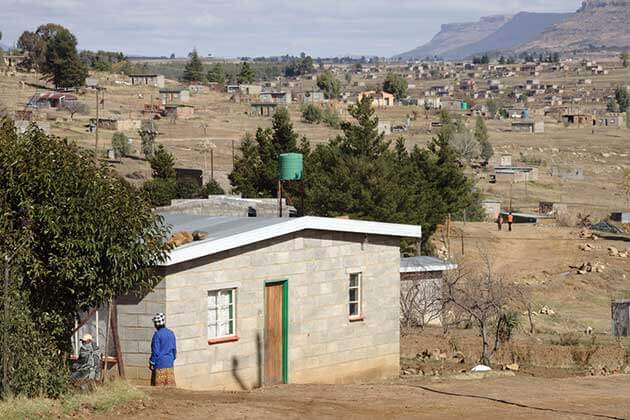
2024-04-05
News
Opinion - Breaking the Silence: Gender-Based Challenges in the Lesotho Highlands Water Project II In the journey towards gender equality and justice, recent decades have seen strides made, yet the road ahead remains treacherous. In the race to achieve the Sustainable Development Goals (SDGs) by 2030, attention is turning to the role that over five hundred public development banks worldwide could play.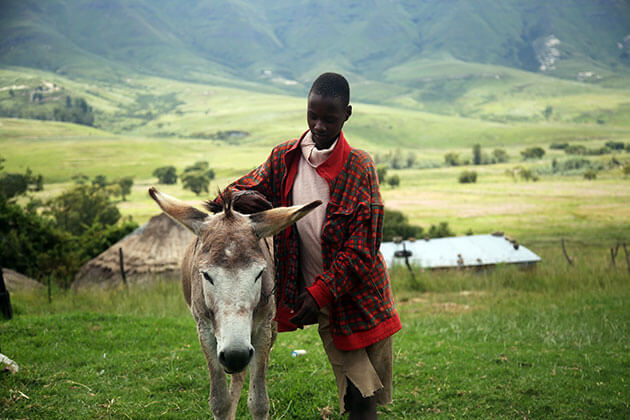
2023-09-05
Forus in Media - News
NDB Spotlight: The Lesotho Highlands Water Project – Who Benefits? The Role of the New Development Bank in Monitoring Project Impacts on Communities The 15th BRICS Summit held in Johannesburg, South Africa this month has once again put the spotlight on the Lesotho Highlands Water Project (LHWP) as a shining example of multilateralism and the New Development Bank’s (NDB)commitment to financing sustainable development projects within …