2023-03-02
Madagascar : Bridging the gender gap
This article is part of the Forus March With Us campaign, a month of stories from women activists and organisations at the forefront of social change.
Madagascar, a country, an island, the fifth largest in the world with a population of nearly 30 million according to UN figures. Unfortunately, the obstacles to women's progress often seem insurmountable. Women are disproportionately affected by poverty, discrimination and exploitation. In Madagascar, women face economic and political exclusion, and too often bear the brunt of stereotypes and socio-cultural norms that hold them back. Of the 151 deputies elected to the National Assembly in 2020, only 24 are women. There are only six women among the 22 ministers who make up the current government.
Madagascar also has one of the highest rates of sexual violence in the world: one-third of women aged 15-49 have experienced at least one form of gender-based violence. In addition, nearly four out of ten women marry before the age of 18. In terms of work, men earn 37% more than women. Women are also more affected by unemployment than men: they are 20% more likely to be unemployed than men.
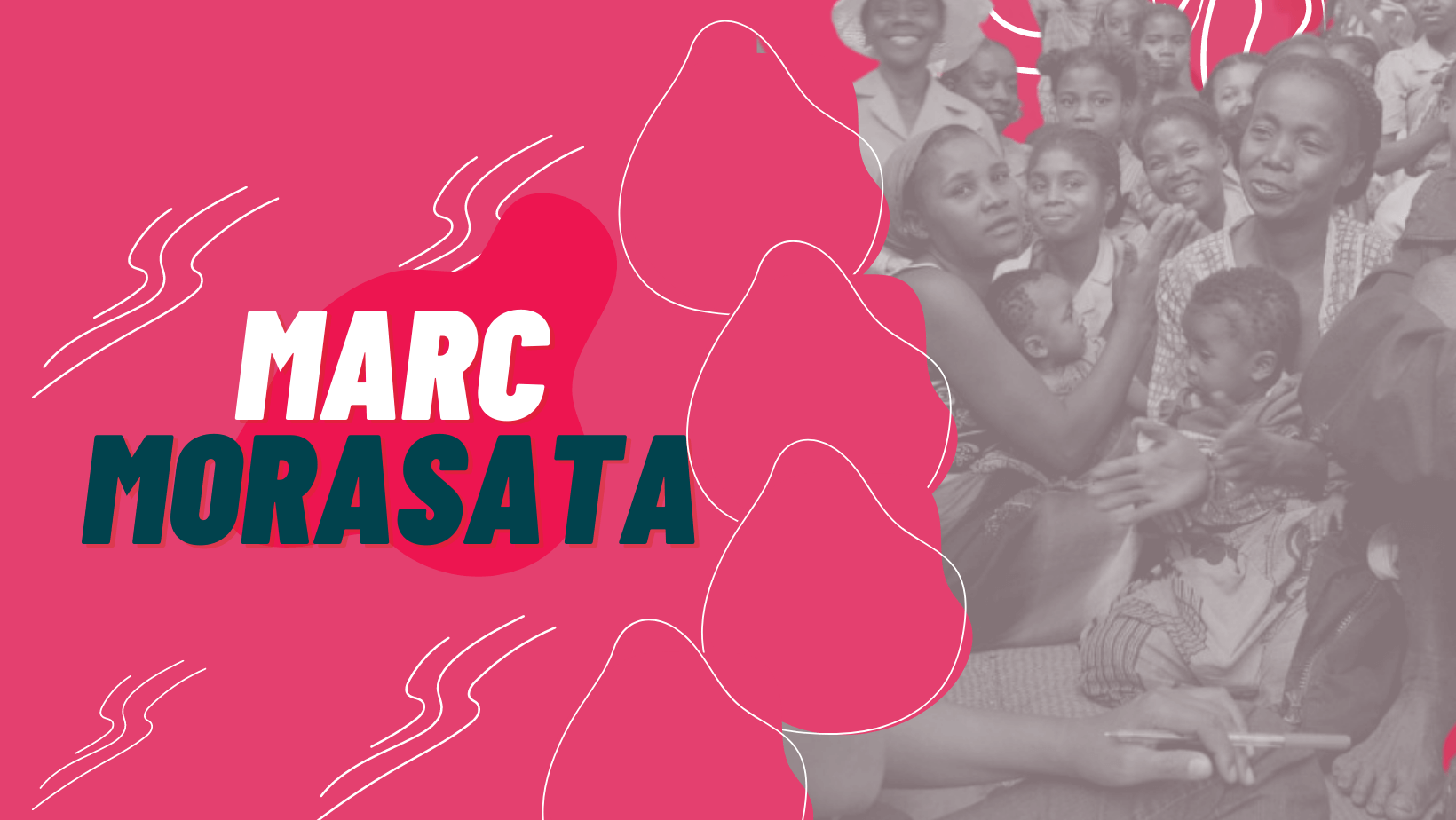
"The idea of gender respect is beginning to enter the mainstream following the numerous pleas made by various associations over the years," says Marc Morasata of the National Platform of Civil Society Organisations of Madagascar (PFNOSCM). This is a true statement, given that 17,000 communes are preparing to celebrate women this year, but this celebration is not a sign of victory, especially for Malagasy rural women who are still burdened by old traditions:
"Women in rural areas are generally heads of households with many people to feed and traditions do not allow them to inherit their parents' or husbands' wealth, which complicates their situation. This explains the illiteracy in rural areas among this group of people and the low enrolment rate in schools.
This year the country is gearing up for another presidential election scheduled for November and December and this time efforts are being made to take women into consideration. With an increase in women's participation in politics, the country will be better equipped to tackle the disconnect between Madagascar's political leaders and the critical challenges ahead - increasing and intensifying climate-related disasters, corruption and poverty.
Madagascar now ranks in the bottom quartile of Transparency International's annual Corruption Perceptions Index, and its low level of annual per capita income (US$442) has declined over the past 15 years. Madagascar has a 75% poverty rate, and 40% of the population is under 14 years old.
"Women are encouraged to become much more involved in politics, economics and even civil society, but awareness needs to be raised, especially in rural areas," says Marc.
"Women are called to participate in this vote. Women in rural areas can get free voting cards and they are sensitising each other to take responsibility.
At the level of PFNOSCM, actions are being carried out to give women the place they deserve in society, but there is still a long way to go and according to Marc Morasata, the only way to get there is together: "We need to join hands for gender equality in the management of public and associative life in order to have a good result."