2023-02-23
Restrictions on CSO Civic Space and the Shortfall of African Governments

By Mr. Comlan Julien AGBESSI, Regional Coordinator of REPAOC
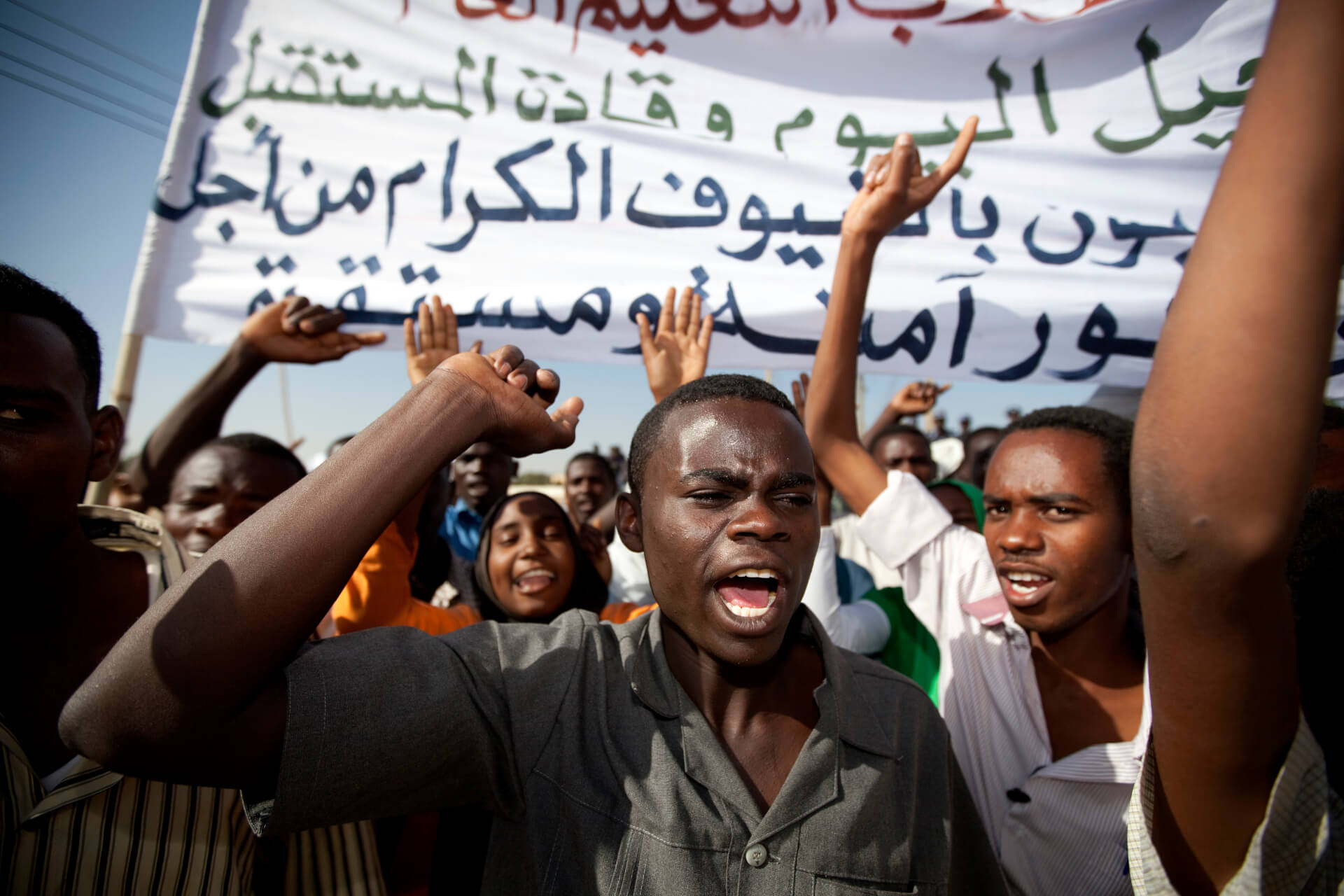
The restrictions on the space of African society organisations have become more acute in the dual context of the COVID-19 and the insecurity that has hit the countries. The measures and intimidation on community organisers and civil society organisations have been and are of various kinds: withdrawal or suspension of accreditation, threats of dissolution or winding up, fines, custodial sentences, declaration of persona non grata and much more.
In the case of security crises, however, we are not unaware of the means available to states to verify collaboration with the enemy or attempts at destabilisation. Sometimes, it is a ready-made alibi to control the sources of funding and the actions of NGOs and associations that are confused with political sensitivities or accused of having "hidden agendas" or benefiting from important funds from "hidden networks".
Some entities or umbrella organisations are considered by the government as counter-powers or related to the opposition because of their legitimate role in alerting, questioning, raising awareness and denouncing abuses and human rights violations.
Another form of restriction consists of governments creating their own NGOs that support their ideologies and in order to stifle the real civil society that carries the voices and aspirations of the people, to thwart alternative reports and to snatch away the funding that is available under official development assistance or grants that donors earmark for CSOs.
It is clear that in the more than sixty years since most countries gained international sovereignty, national development programmes have failed to cover all sectors and spaces. This is evidenced by the number and quality of basic social services that have been put in place.
Some hamlets, or even suburbs of capital cities, would not have received a minimum of school facilities, water-hygiene-sanitation, health services, or access roads if CSOs were not there.
It is this importance that some countries have understood by recognising CSOs as true partners in development. In this respect, it is fortunate to note that some governments go so far as to grant sites to house the headquarters of these organisations or reserve lines in national budgets to support them.
The unbalanced distribution of infrastructure in the territories undoubtedly creates feelings of frustration, indifference to public affairs and even sensitivity to rebellious actions. Most terrorist organisations exploit these shortcomings, the precariousness suffered by young people and the lack of social justice to convince the population of their intentions.
It is through the results of specific studies conducted by NGOs on development variables that states are informed of the challenges that need to be urgently addressed in the territories.
Although it is not their aim, CSOs also contribute to the reduction of unemployment through the number of their staff on the projects they implement on the ground. Thousands of citizens have made their careers solely within NGOs.
In terms of emergency or complex emergency management, some national and international NGOs specialise in humanitarian response. It is to them that government appeals for international assistance are often naturally directed when the impact of disasters overwhelms national response capacities. Their contributions in terms of human, technical and financial resources can be seen in the deployment of rapid assessment missions, in-depth assessments to identify the quantitative and qualitative scale of disasters, the development or updating of contingency and response plans, the mobilisation of international partners, awareness-raising and communication in epidemic or crisis situations, the setting up and management of disaster or refugee camps or sites, post-disaster assessments, recovery or resumption actions, etc.
Nor can the contributions of CSOs in establishing and managing social cohesion and peace-building mechanisms in conflict-ridden localities be ignored.
Lest they be hara-kiri by the excessive use of restrictive measures, the public authorities will have the merit, if only for the sake of the population, of accepting collaboration with CSOs which remain for them forces of proposals and whose actions complement their own.
Sources :
- Decree nº 2022-002/PR of 5 January 2022 of the Government of the Togolese Republic establishing the conditions of cooperation between NGOs and the government.
- Note from the Government of the Togolese Republic dated 6 April 2022, addressed to prefects, mayors and regional directors of development planning and land use, requesting that all appropriate measures be taken to ensure that any action to be undertaken by an NGO is of general interest and consistent with the objectives and principles of the economic and social development policy defined by the government.
- Publication by Lassaad Ben Ahmed of 31 August 2021 entitled: "CAMEROON: "The Government calls NGOs to order". International associations and NGOs operating in Cameroon have until 26 September to regularise their situations.