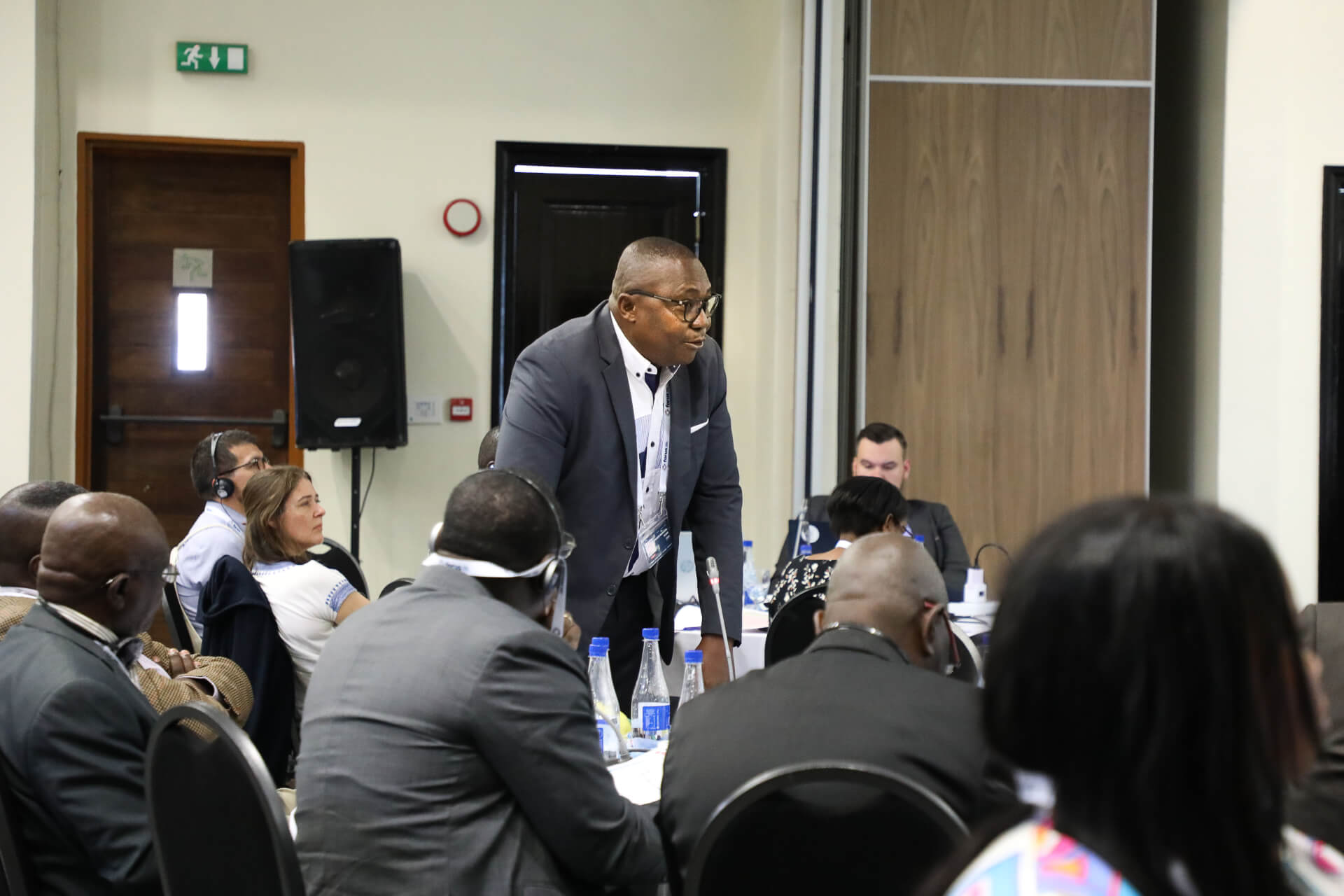
©FONGA

2026-05-27
Structural Support at Forus: rebuilding capacities, reconnecting members, and strengthening civil society platforms
In many countries, national civil society platforms have gone through demanding periods. Political changes, reduced funding, leadership transitions, staff overload, technological constraints, and lower member participation can all affect a platform’s ability to maintain the same pace of work over time.
These moments do not indicate a lack of commitment. On the contrary, they often reveal the persistence of small groups of people who continue to sustain the collective mission, even when resources are scarce and external conditions become more difficult.
It is from this reality that Forus began testing a more flexible, patient form of support, adapted to the concrete conditions of national platforms: Structural Support, also being developed as Network Development Support.
The idea is simple but important: before asking a platform to implement a major advocacy, mobilisation or influence project, it is necessary to ensure it has the minimum conditions to organise itself, communicate, plan, engage its members, and manage new opportunities in a sustainable way.
Structural Support in Forus is not a reward for organisations that already have everything functioning. It is a solidarity-based response for platforms that continue to have legitimacy, history, and the will to serve their members, but that need time, accompaniment and practical resources to enter a new phase.
A support for platforms that want to regain momentum
Structural Support may include different components, depending on the needs of each platform. These include:
- basic equipment, such as computers, routers, printers, batteries, external hard drives, or other tools that facilitate the team’s work;
- strategic accompaniment or mentoring by people with experience in governance, network management, leadership, planning, and member mobilisation;
- support to update strategic plans, action plans, budgets, theories of change, logical frameworks, and simple monitoring systems;
- small-scale funding to test priority actions;
- exchanges with other national platforms;
- support for communication, visibility, digital presence, and resource mobilisation.
More than funding isolated activities, this support seeks to strengthen the invisible infrastructure that allows a platform to function: up-to-date membership lists, active communication channels, regular meetings, organised institutional documents, clear priorities, defined roles, and renewed trust between the platform and its members.
A learning process for the whole network
The experiences of FONGA and FONG-STP form part of a wider conversation about what happens when civil society platforms need to regain momentum after periods of crisis, low funding, internal transition or reduced member engagement.
Many organisations within the Forus network are familiar with this reality. They may have already gone through periods when member participation declined. They may have had to restart after the departure of an important leader. They may have spent months without sufficient resources to maintain a team, update a website, or organise an annual general meeting. They may have needed to rebuild trust, recover documents, reactivate working groups, or persuade former members to re-engage.
These experiences should not remain hidden as private difficulties. They are part of the collective knowledge of the network.
For this reason, Structural Support is also an invitation to practical peer solidarity. FONGA and FONG-STP are on journeys of reorganisation, reconnection and planning. Other platforms may have tips, tools, examples or stories that can support this process.
What can help?
Forus invites platforms, members and partners to share experiences about what worked — and also what did not work — when trying to restore the dynamism of a network or organisation.
These can be simple contributions, such as:
- an informal conversation with colleagues facing similar challenges;
- a leadership transition experience;
- a participatory assembly or consultation method;
- a practical way of organising an online meeting with low connectivity;
- an example of a newsletter or message to members;
- a tool for updating a membership list;
- a simple, low-cost communication plan;
- a tip for mobilising resources with a small team;
- a questionnaire template for consulting members;
- a strategy for reactivating member organisations;
Not every contribution needs to be long or formal. Sometimes, an honest 30-minute experience can prevent another platform from starting from scratch.
An invitation to collective rebuilding
Structural Support is grounded in one conviction: organisational resilience is not built alone. It emerges when platforms have the practical conditions to work, but also when they are part of a network that shares knowledge, time, trust and solidarity.
If your platform has ever needed to regain energy after a crisis, rebuild member participation, reorganise documents, update communications, manage a transition, or restart with limited resources, your experience may be useful.
The starting point does not need to be a perfect solution. It can simply be an honest answer to this question: What helped your organisation regain momentum?
Sharing that answer can be a concrete way of supporting FONGA, FONG-STP, and other platforms that are rebuilding their collective capacity step by step.
Because strengthening a platform is not only about strengthening an institution. It is about strengthening the possibility of a more organised, connected civil society that is better prepared to defend rights, social justice and democracy.