© Forus
©Ruth Lara
2026-02-15
The care system in Venezuela: Laws without oversight
The care system in Venezuela is undergoing a structural crisis that combines institutional vacuum with the collapse of domestic economies, according to the caregivers consulted. Although the country has a legal framework that recognises caregiving as productive work, the implementation of public policies fails to alleviate the burden of those who, out of necessity or lack of options, assume exclusive care of dependent family members.
Testimony of sacrifice
For some caregivers consulted in this report, the work of caregiving is not a planned choice, but rather the result of a family emergency without a support network. Luisa Padrón, a woman approaching retirement age, personifies this dilemma. Her life plan included emigrating to Spain to be with her daughters and granddaughters, a dream that has now been replaced by the constant care of her mother.
"I feel guilt, frustration, and I ask God to forgive me for feeling tired," Luisa says. Despite having the support of her husband, she describes the physical and emotional impact of a job that never lets up: "Being always on guard is exhausting. My knees hurt and, at times, I get very irritable. It makes me very sad to see my mother fading away." For her, the greatest sacrifice has been her leisure time and her professional identity: "Before I became a caregiver, I was an active woman in my profession, and now I can't experience any of that."
Between the financial cost and physical deterioration
The lack of state support translates into a financial cost that is difficult for some households to bear. Iris Castillo, a teacher by profession, gave up teaching to care for her mother with Alzheimer's. "It was a difficult process; even though there are four of us siblings, I was the one who took on the care," she explains. Iris points out that the family budget was insufficient to cover highly complex care: "During the week, we bought two meals, and that alone cost us £85, not counting the cost of home doctors, nappies (she used four a day), bed covers, creams, medicines, catheters, food and vitamins."
This level of dedication led to severe personal deterioration. "I began to have sleep disorders, I neglected my health and my diet, and I lost muscle mass. The fatigue was extreme," says Iris, who emphasises that the country lacks programmes that allow carers to rest or receive home support.
Laws without oversight
In 2021, the Care for Life System Law was approved in its first reading, which seeks to recognise care as a wealth-generating activity and reduce the gender gap. Together with the Organic Law for the Care and Comprehensive Development of Older Adults, the Venezuelan state is obliged to provide comprehensive care, health, social security and active participation. However, in practice, the carers consulted agree that "public policies are not enforced and there is no oversight team to monitor them".
For Luisa Rodríguez, President of Sinergia, a network of civil society organisations in Venezuela and Forus member, the lack of or insufficient assistance for carers is a consequence of the public health system's inability to provide universal coverage.
"While it is true that they have free psychological and psychiatric help, it is also true that these services are in high demand, so there is no room for caregivers. Their care is not prioritised within any programme and they are not even visible within the United Nations humanitarian aid programme," says Luisa.
Faced with this scenario, the Sinergia spokesperson indicated that some civil society organisations found it necessary to integrate care programmes for carers:
"We know that they are not sufficient to meet the demands of the country's carer population. We try to complement the service provided by the Venezuelan state or cover those areas where the Venezuelan health system cannot provide coverage for these people."
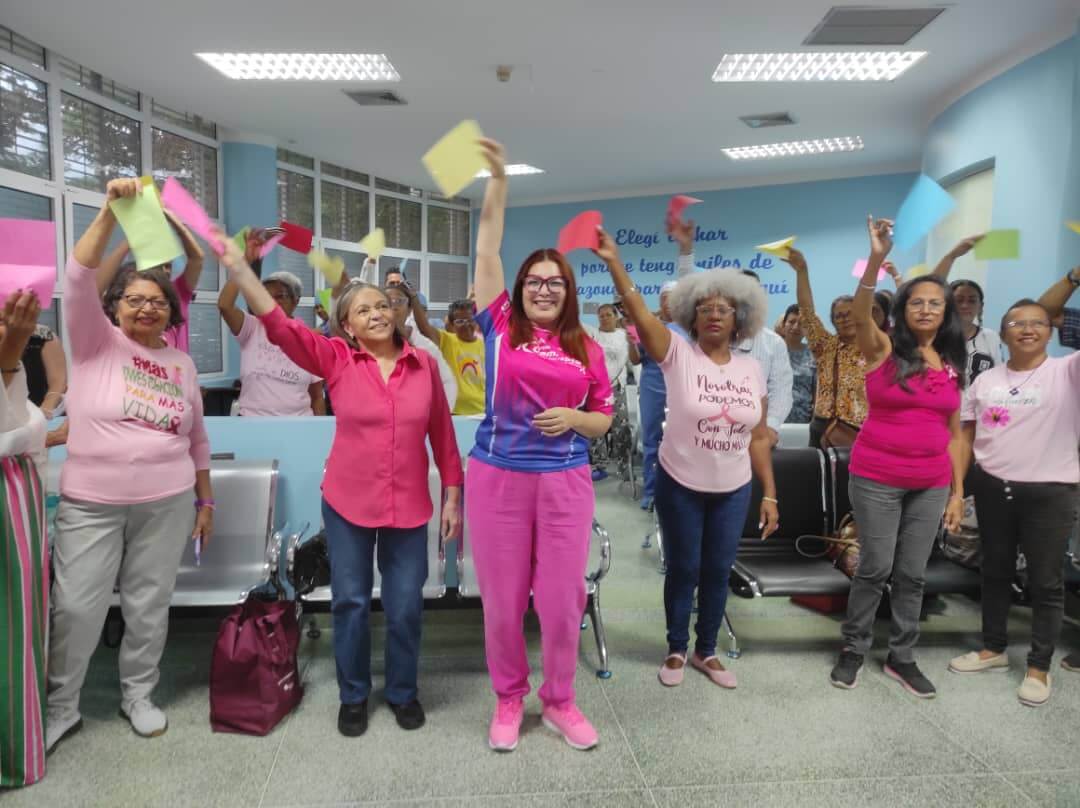
Among the programmes developed is "La Vida es Bella Hoy" (Life is Beautiful Today), self-financed and promoted by the Foundation for the Fight Against Breast Cancer (Funcamama). This programme was created out of concern for the health conditions of full-time carers.
"Informal carers suffer from exhaustion; they become isolated, give up their private lives and have no support, and end up developing illnesses, burnout, depression and denial of their private lives," says Scarlet Celis, programme coordinator.
Intervened Solidarity
In the country, civil society organisations face significant challenges after the the Law on the Control, Regularisation, Operation and Financing of Non-Governmental Organisations and Non-Profit Social Organisations came into force. This law establishes a regime of state control over the registration, operation and financing of NGOs, requiring them to declare national and international funds under the supervision of the Ministry of the Interior and Justice, with prohibitions on political activities and heavy fines.
"It has affected the financing of organisations, and some programmes are now underfunded," adds Luisa Rodriguez.
The Sinergia representative considers the permanence of organisations to be important because of what they represent for carers and others who need help. She explained that, together with Forus and private business organisations, they developed actions to strengthen people affected by breast cancer but also their carers.
"These programmes are important because we not only provide psychological care, but also training in microfinance. We have managed to arrange microloans so that people can be financially independent, finance their businesses and overcome one of the most significant psychological effects on carers, which is the lack of financial resources, because in many cases they cannot work due to their schedules, and this programme allows them to start their own businesses in their own time," Luisa points out.
Private sector initiatives
Private companies have also begun to address the invisibility of the sector. Victoria Romero, CEO of Bibi Care, focuses her work on dignifying labour:
"Our approach has a gender component to support women in vulnerable situations, including women who have historically taken on caregiving roles and have never been seen as productive workers."
Victoria stresses that her project seeks to guarantee "decent wages so that their work is compensated for the activities they do," especially for rural women, women of African descent, older women and women living in poverty.
Those consulted agree that the reality of caregivers in Venezuela continues to hang in the balance, between the urgency of home care programmes and the need for the state to assume the shared responsibility required by its own laws.
This article is written as part of the Forus journalism fellowship programme. Learn more here

2026-02-09
News
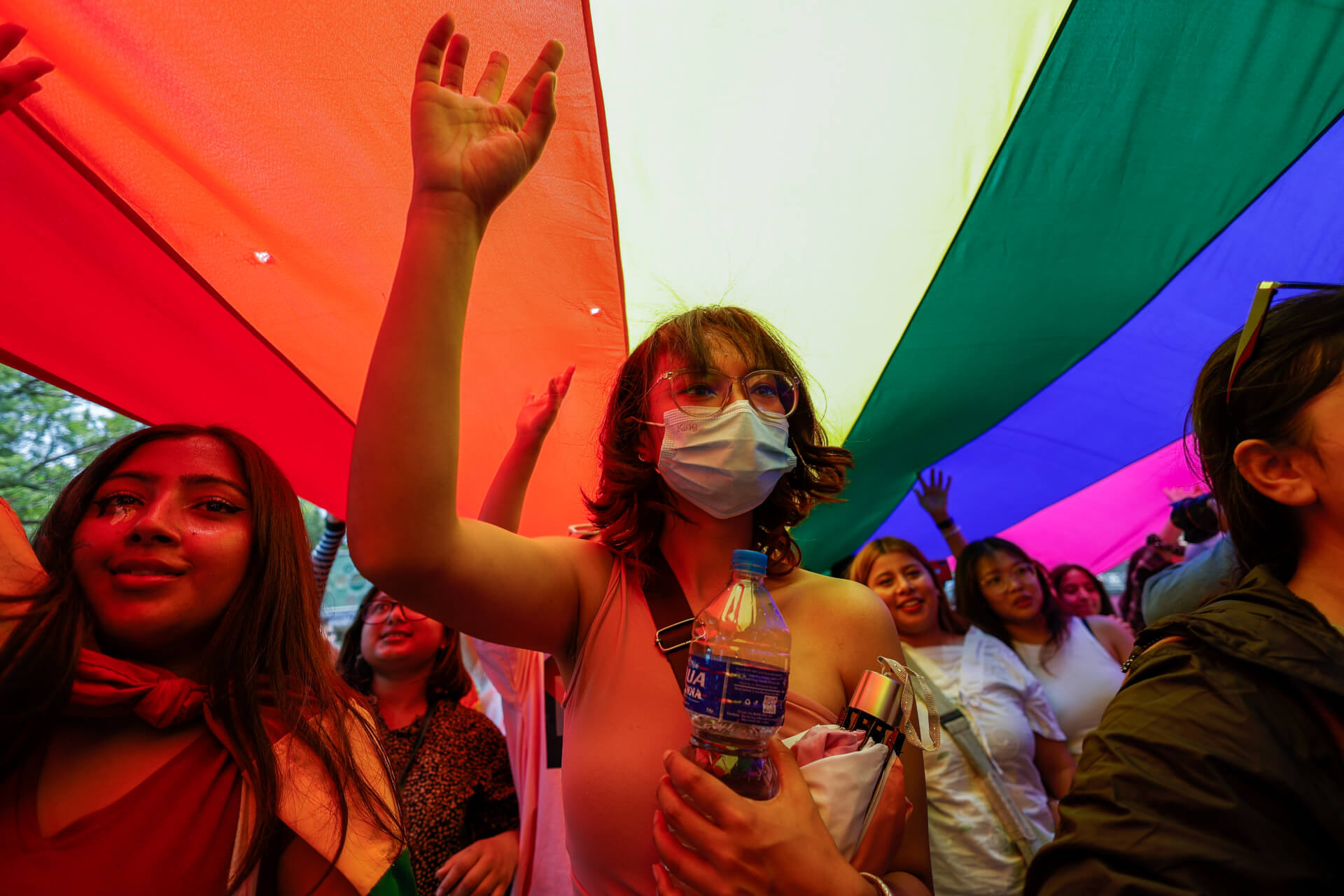
How Nepal’s Pride and Gai Jatra Movements Are Advancing Queer Equality As Nepal navigates the early months of 2026, the movement for queer equality has moved beyond the quiet chambers of the Supreme Court and into the vibrant, chaotic heart of public life. This cultural mobilization reveals a profound truth that resonates across the Global South: legal progress remains incomplete without a radical reclamation of public and cultural space.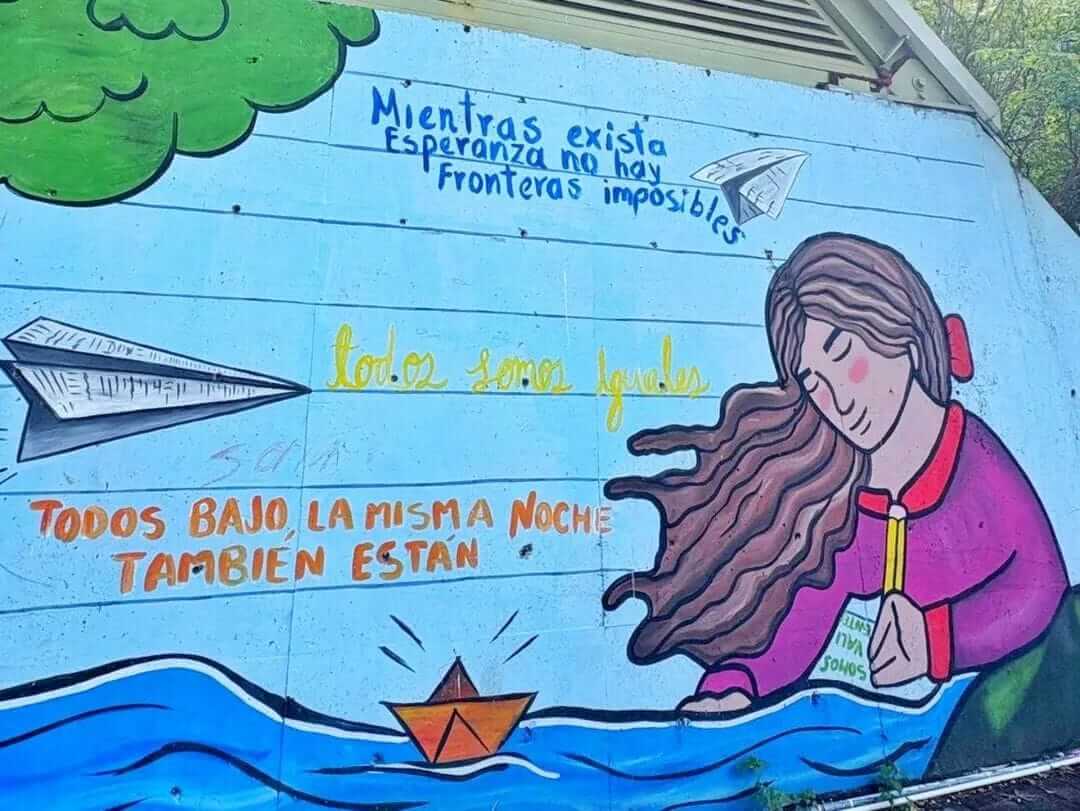
2026-02-02
Forus in Media
Es Casa Frida LGBTI+ refugio y defensa de migrantes contra tortura policial - Luces del Siglo A través de esta investigación periodística respaldada con la beca Forus sobre Narrativas Positivas, se sabe que la víctima –cuya identidad fue reservada por Raúl Caporal, presidente fundador de Casa Frida Refugio LGBT+– acudió ese día a una entrevista de trabajo.