© NGO Forum on ABD
© Forus

2025-01-07
The “silent” crisis in Mozambique
Maputo, 06 January 2025 - For over two months now, Mozambique finds itself deep in a post-electoral crisis following its October general elections . What should have been a positive moment for democracy has instead exposed severe flaws in the nation’s electoral and governance systems, as thousands took to the streets over alleged election fraud.
Alarming patterns of repression and human rights violations followed as documented by JOINT – the League of NGOs in Mozambique – a coalition of civil society organisations.
In response to these electoral irregularities, millions of Mozambicans mobilised in peaceful demonstrations, demanding transparency and accountability. Exercising their constitutional right to assembly, enshrined in Article 51, approximately two million citizens participated in protests nationwide, with notable representation from youth and women.
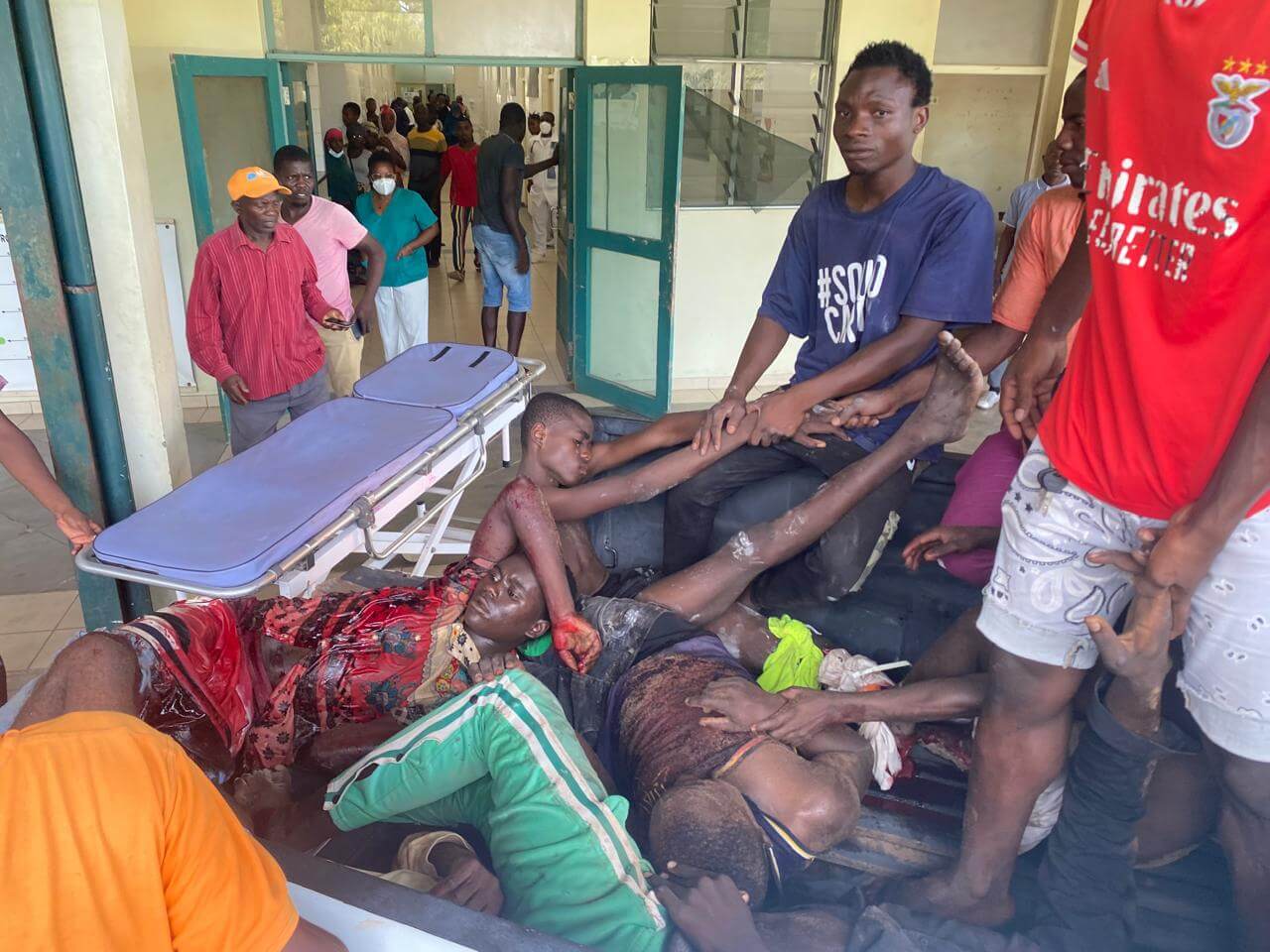
However, what began as a peaceful assertion of democratic rights was met with a violent and disproportionate response by the government and security forces as witness videos, pictures and reports have shown. The Defence and Security Forces used tear gas, rubber bullets, and live ammunition against unarmed demonstrators, resulting in widespread casualties.
Reports from human rights organisations paint a grim picture: at least 110 deaths (by December 11, 2024), over 1,700 injuries, and 3,000 arrests during the last months of protests. More than 30 protesters have been killed in the last week alone. Particularly disturbing incidents have been documented, including military vehicles deliberately driving over civilians, such as the killing of a protester on Avenida Eduardo Mondlane in Maputo.
The violence did not end in the streets. Mozambican authorities imposed severe internet restrictions – including shutdowns - to silence dissent and disrupt communication, isolating Mozambicans and making the crisis “invisible”. These actions reflect broader patterns of state repression that have increasingly restricted collective rights in Mozambique.
“The recent shutdowns in the country follow a worrying trend that authorities in Mozambique began in October 2023, when they imposed a total internet blackout for at least three hours for the first time during local elections. Mozambican authorities’ regular practice of shutting down the internet around elections and in times of political unrest must not be allowed to continue,” says the #KeepItOn coalition against internet shutdowns.
Over the years, Mozambique’s civic space - currently considered “repressed”- has faced increasing challenges despite its constitutional guarantees of freedom of expression, association, and peaceful assembly.
Civil society organisations, which emerged rapidly in the 1990s as partners in social development, have more recently been labelled as “agents of foreign interests” - a narrative often propagated by political actors via traditional and social media.
Since the 2000s, civil society organisations have focused on transparency, accountability, and governance. However, their growing efforts and legitimacy has been met with pushback, including restrictions on freedoms, threats, and judicial intimidation. High-profile attacks on journalists and activists highlight a dangerous climate where dissent is met with violence or suppression.
“Reporters are constantly targeted by police and demonstrators during protests that are shaking the country. Instead of ensuring the protection of journalists, the authorities cover up attacks against reporters and the terrible repression of protesters by cutting internet access,” says Sadibou Marong Director of Reporters Without Borders, Sub-Saharan Africa Bureau.
Stringent and repressive licensing laws for media outlets introduced in 2018 have been criticised as attempts to stifle independent journalism. In 2022, the Mozambican government introduced a new proposal to unify and streamline the legal regime for associations and NGOs under a single framework which sparked debate among civil society actors with fear that it would lead to greater state control over civil society, potentially stifling dissent and limiting the operational independence of organisations.
Mozambique’s crisis is not isolated. The international community has the tools and responsibility to act. Mozambique is a member of key regional and international organisations, including the Southern African Development Community (SADC), the African Union, and the United Nations. The EU election observation team condemned the election results, yet the crisis continues to unfold in front of our very eyes. These bodies must step in to hold the government accountable, protect citizens’ rights, and prevent further escalation.
“NGOs in Mozambique work under some of the most restrictive, even dangerous conditions in the region, and have been effectively silenced,” says Freedom House, “with several NGO leaders were harassed, arrested, abducted, or killed."
Civil society is demanding accountability through independent investigations into human rights abuses to ensure those responsible are held to account. Pressure must be applied to restore freedoms, including lifting internet restrictions and safeguarding freedom of expression and assembly. Regional and international actors should facilitate inclusive dialogue among political leaders, civil society, and opposition parties to resolve electoral irregularities and rebuild trust. Additionally, the global community must support democratic reforms to strengthen Mozambique's institutions and prevent future crises.
There is a cost to this silence. The people of Mozambique have shown extraordinary courage in standing up for their rights. It is now up to the global community to ensure their voices are heard instead of turning a blind eye.
Graphic content. Images shared by civil society groups with Forus following attack on protesters in Maputo, Mozambique.