© NGO Forum on ABD
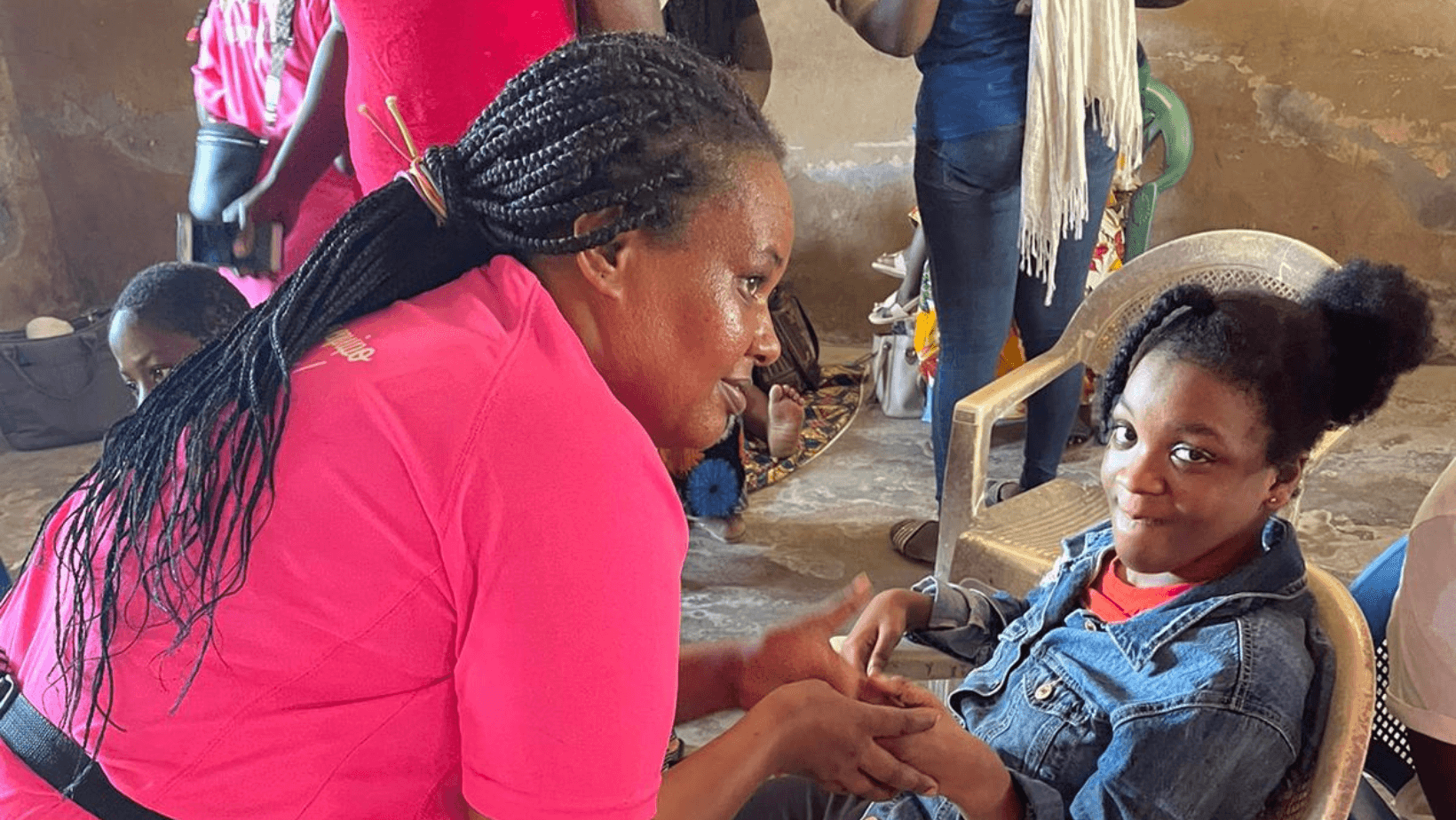
© Rene Mey Foundation
2025-03-25
Women Bring "Emotional Medicine" to Buduburam Refugee Camp Amidst Demolition Crisis
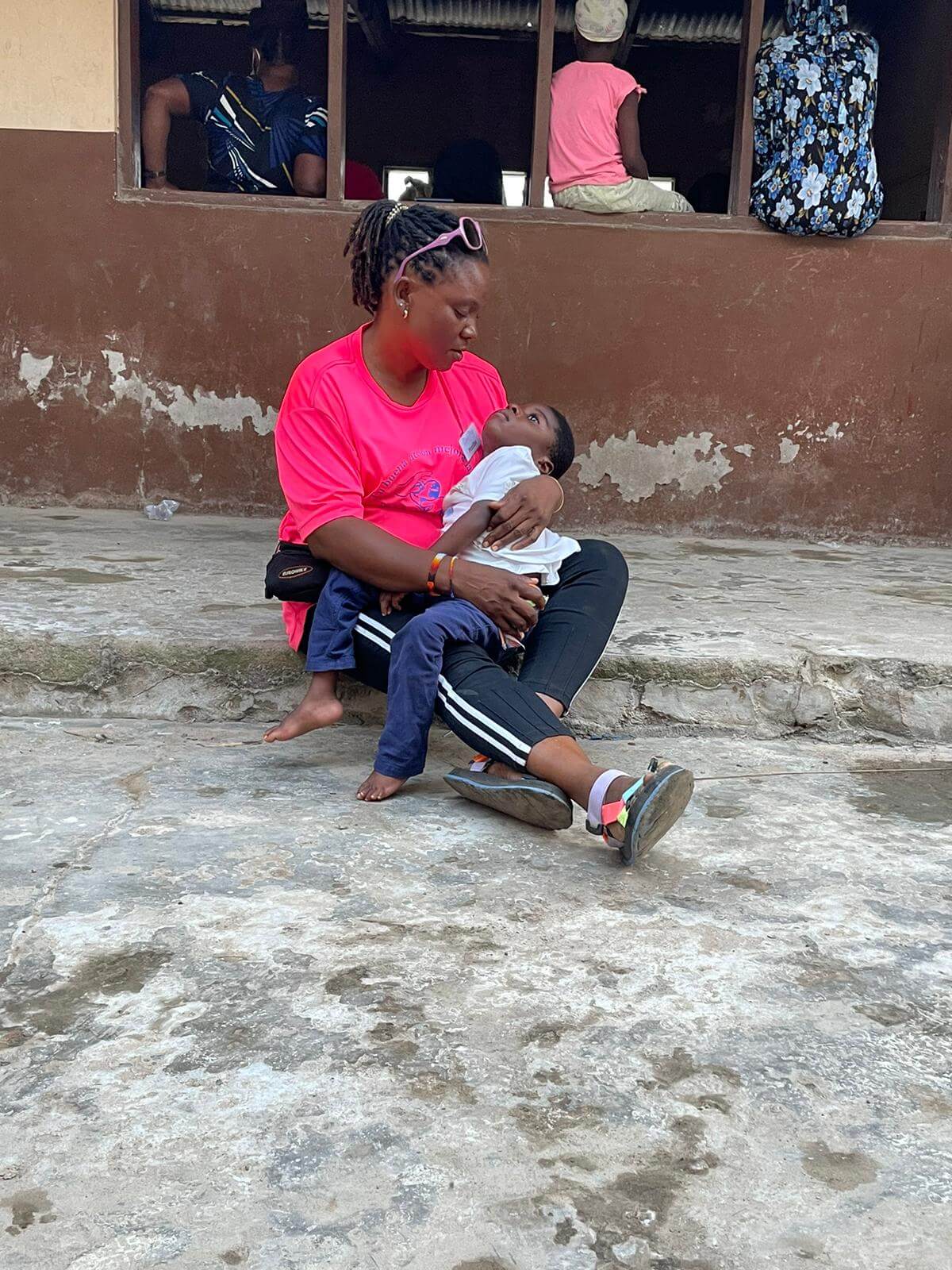
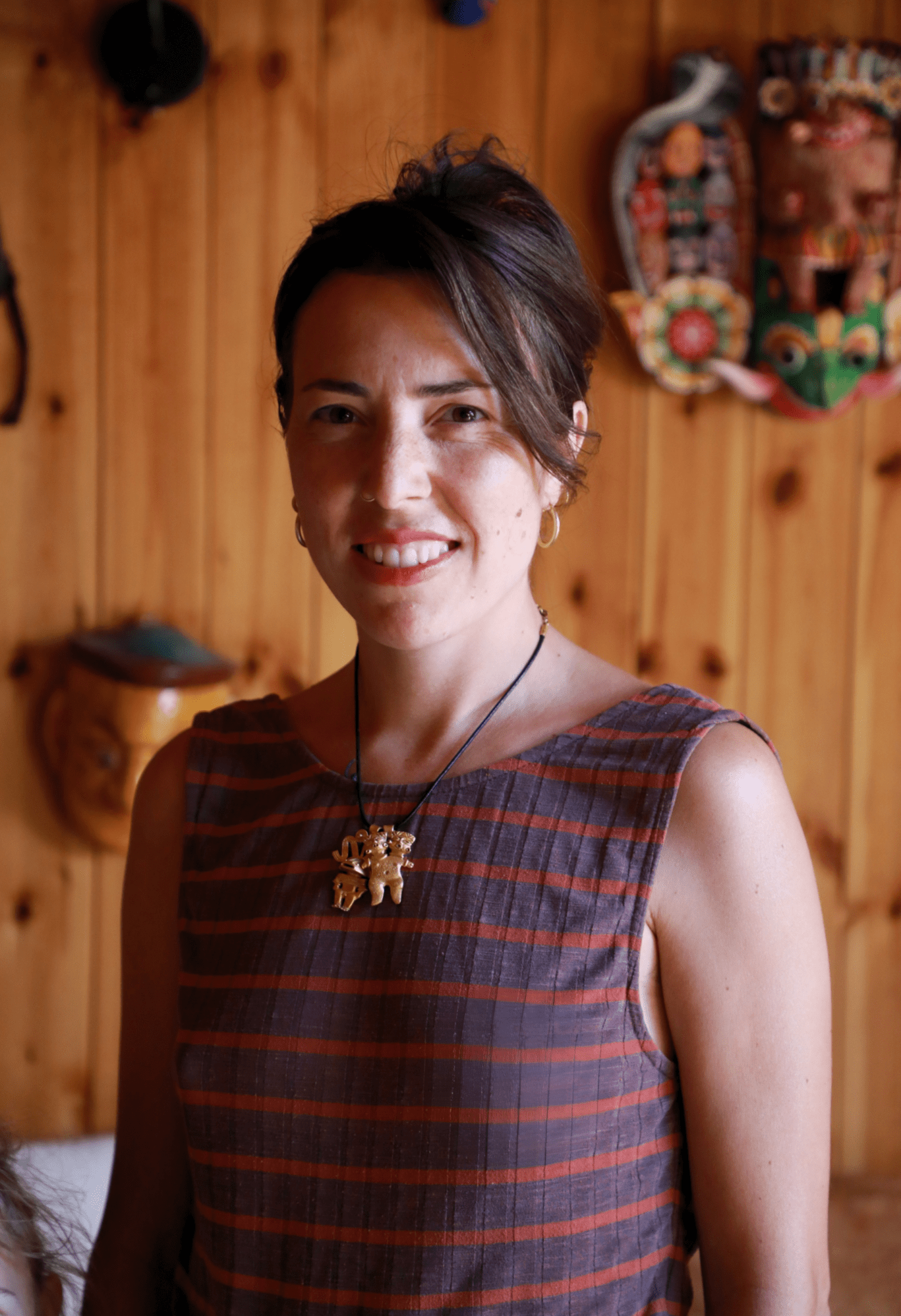
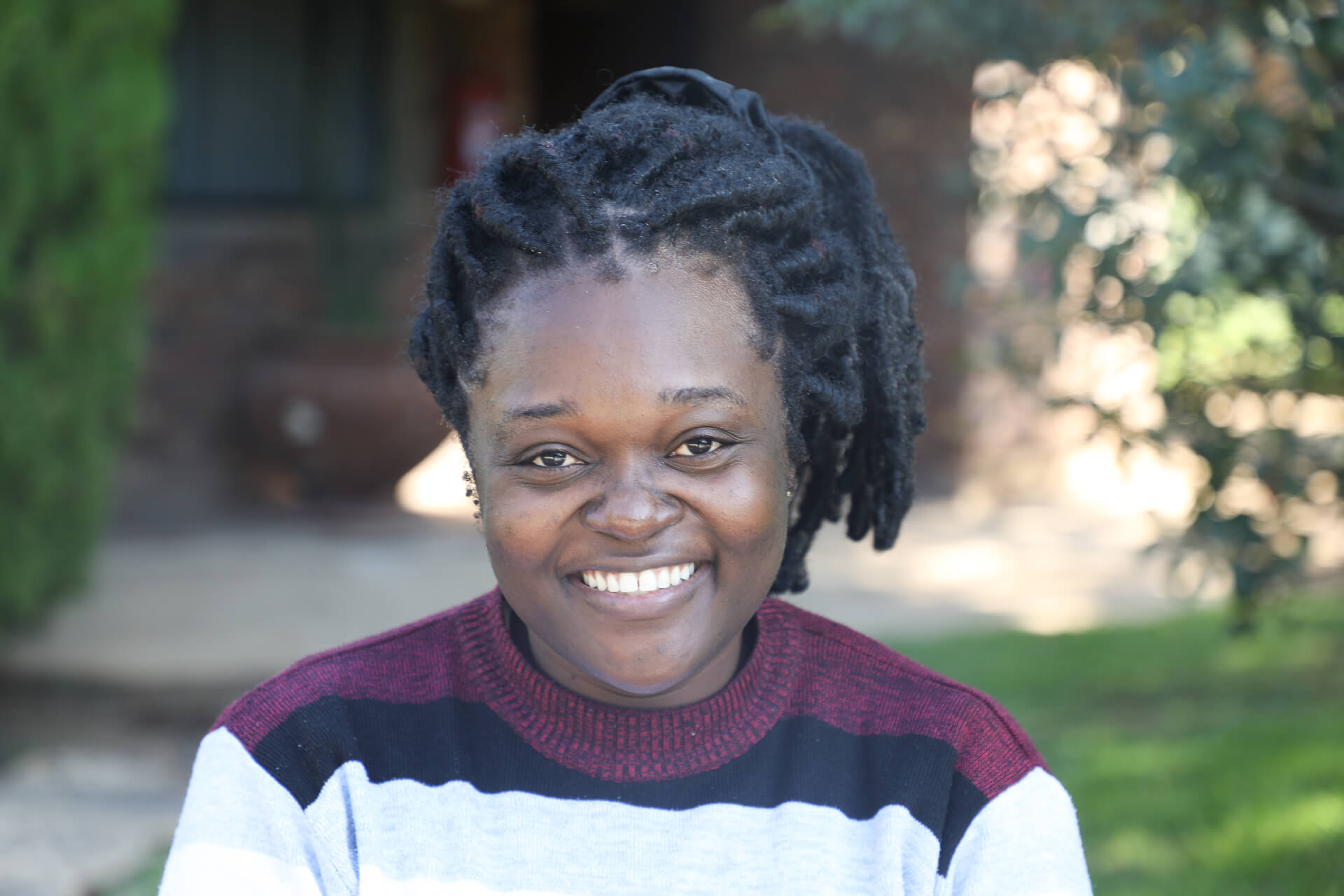
Amid the remains of the once-thriving Buduburam refugee camp in Ghana, a group of women is offering an unexpected source of collective healing. As thousands of displaced refugees face an uncertain future following the demolition of their homes, Rachel J. Bestman, Dehcontee Gould, Martalhen Q. Dorbor, and Vera Dweh have stepped in with a mission of care and psychosocial support. This article is part of the #MarchWithUs campaign where we feature stories of Forus members and grassroots organizations leading efforts working towards justice and change.
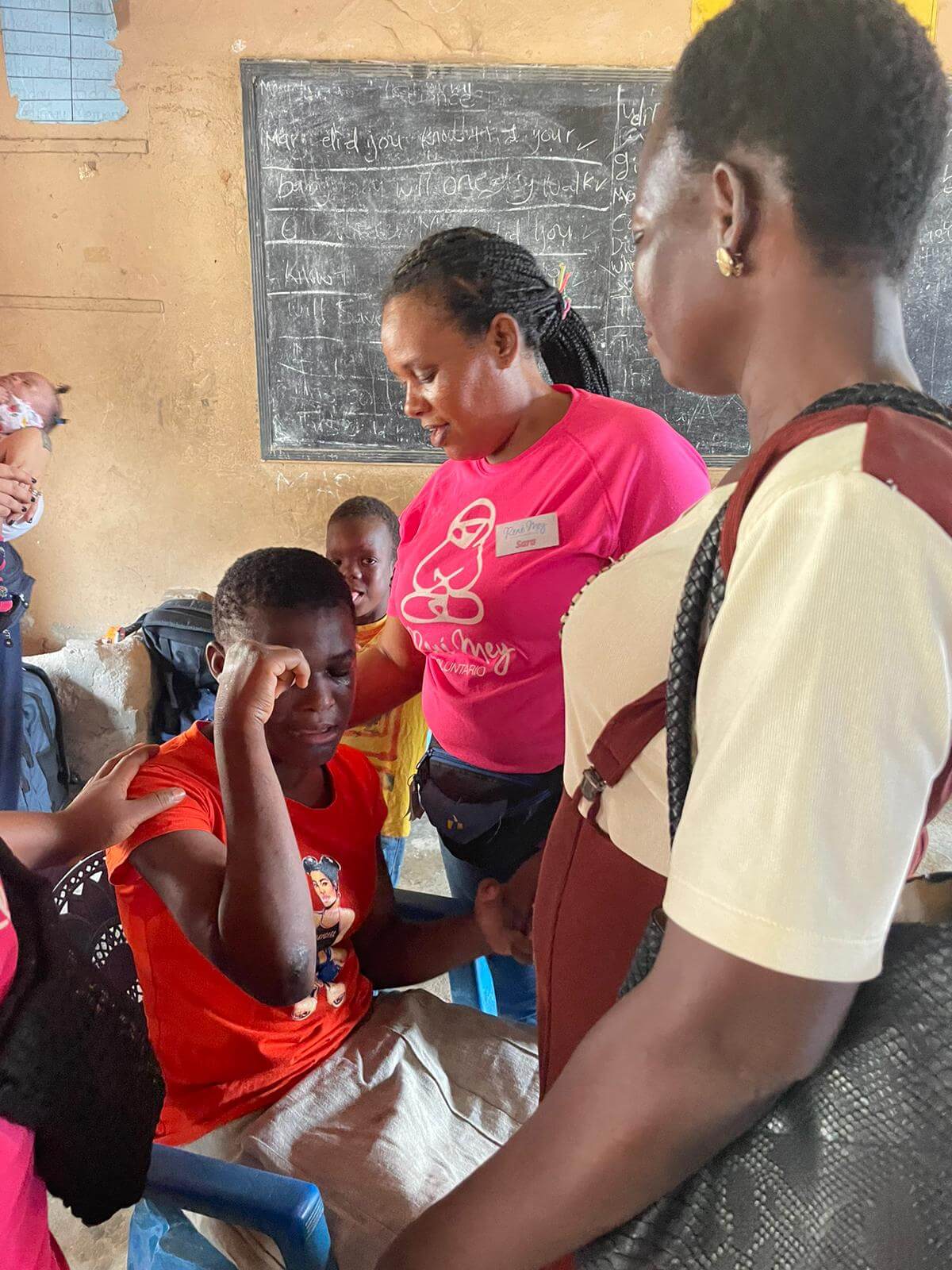
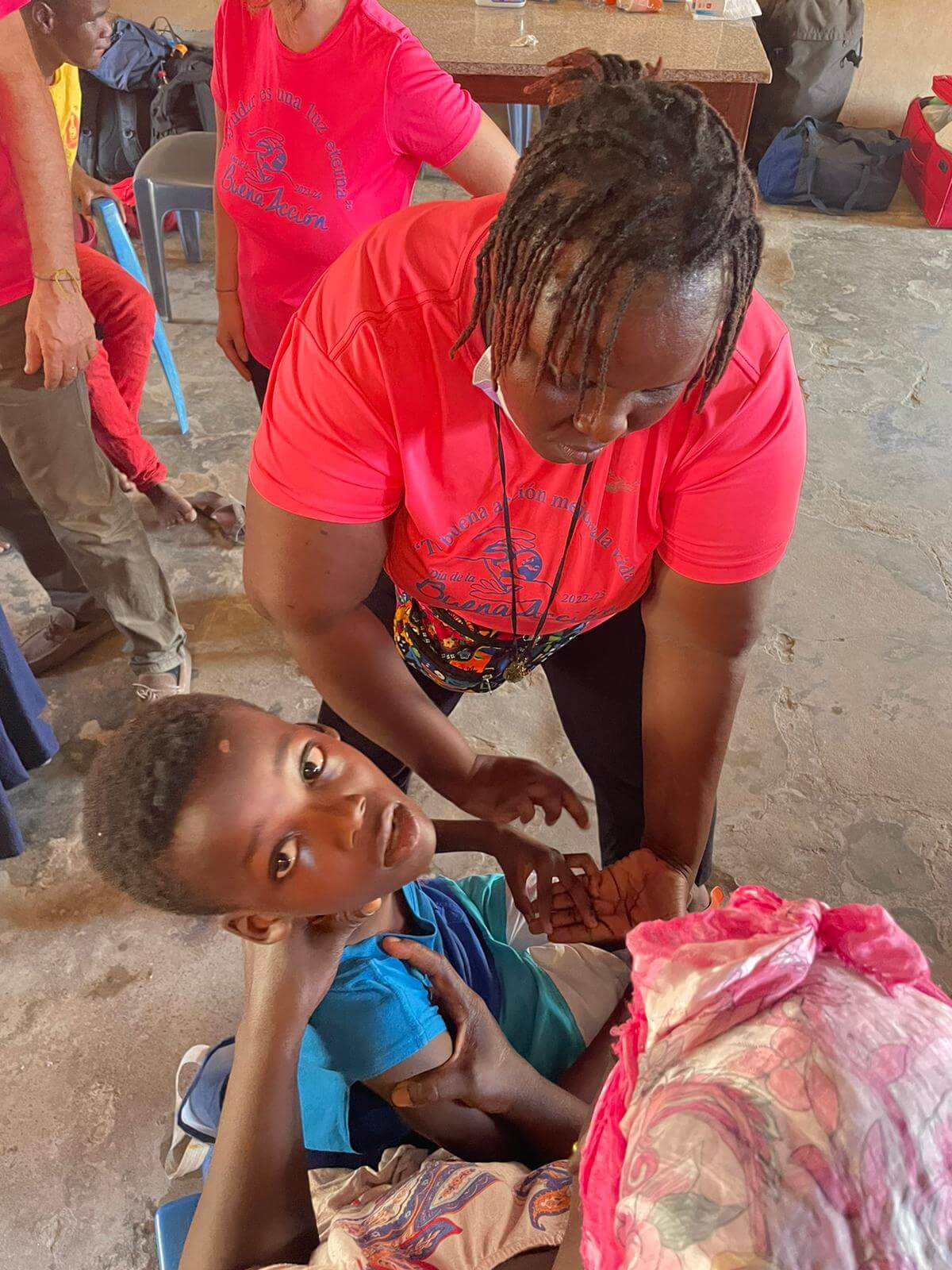
As members of the René Mey International Foundation, these women are introducing a unique form of support—emotional medicine therapy—to the residents of Buduburam, most notably to children affected by different forms of disabilities. Their work is part of a broader humanitarian effort to provide free medical services and psychological healing to refugees, and vulnerable communities many of whom have suffered the lasting effects of conflict and various forms of individual and collective violence. Studies have shown that every day, nearly 34,000 people become forcibly displaced due to wars, conflicts, and natural disasters. More than half of them are younger than 18 years of age. According to the World Health Organization (WHO), in 2022, one in eight people globally were displaced. This amounts to nearly one billion people.
A Camp in Crisis
For more than three decades, Buduburam has been home to thousands of Liberians as well as locals who fled conflict or found a community in the camp. Though the United Nations declared it safe for them to return home in 2006, many remained, unable to reconcile with the past or with the reality of having no ties left in Liberia. Now, as traditional landowners move to reclaim the land, refugees and locals alike face yet another crisis—homelessness and uncertainty.
Wendell Elijah Mallobe, a 55-year-old resident who arrived at the camp in 1990, now finds himself without shelter or possessions. “My bed, television, clothes—everything I have worked for is gone,” he says, sitting on a tattered mattress among the rubble of his former home.
The Role of Women in Community Resilience
In a place where suffering runs deep and trauma is often passed from generation to generation, the work of these women is crucial. They provide emotional therapy that combines touch with meditative techniques, aiming to ease anxiety, stress, and PTSD. Their approach is particularly focused on children with disabilities, a group often overlooked in crisis situations. Children with disabilities are among the most marginalized and at-risk people in communities affected by armed conflict, natural disaster and other humanitarian emergencies.
Severe undertreatment is common, says Alvin Kuowei Tay, who has studied the mental health needs of displaced communities. The women have taken it upon themselves to introduce alternative healing methods that are culturally accessible and effective.
Beyond healing, these women are helping to restore a sense of community among the displaced. “Women are the backbone of resilience,” says Dehcontee Gould. “We are not just providing therapy; we are rebuilding support networks, creating spaces where families can gather, share, and find solutions together.”
Through their outreach efforts, the women have transformed a small group of caregivers into an international movement of hope, supporting and forming others to take part in the healing process. Their work extends beyond therapy to organizing food and medicine distribution, assisting women and children, and providing basic medical services. They continue to seek resources to expand their work, ensuring that healing—both physical and emotional—remains a possibility for the displaced people of Buduburam and other communities who are vulnerable across Ghana.
Children with disabilities are among the most vulnerable in humanitarian crises and in conditions of limited economic support, yet their needs are too often overlooked. Limited access to education, healthcare, and basic services exacerbates their struggles, while a lack of inclusive policies leaves them further marginalized. To break this cycle, disability-inclusive responses must be prioritized—ensuring that aid programs, infrastructure, and information are accessible to all. As shared by this group of women, true humanitarian aid must leave no one behind.