© Forus
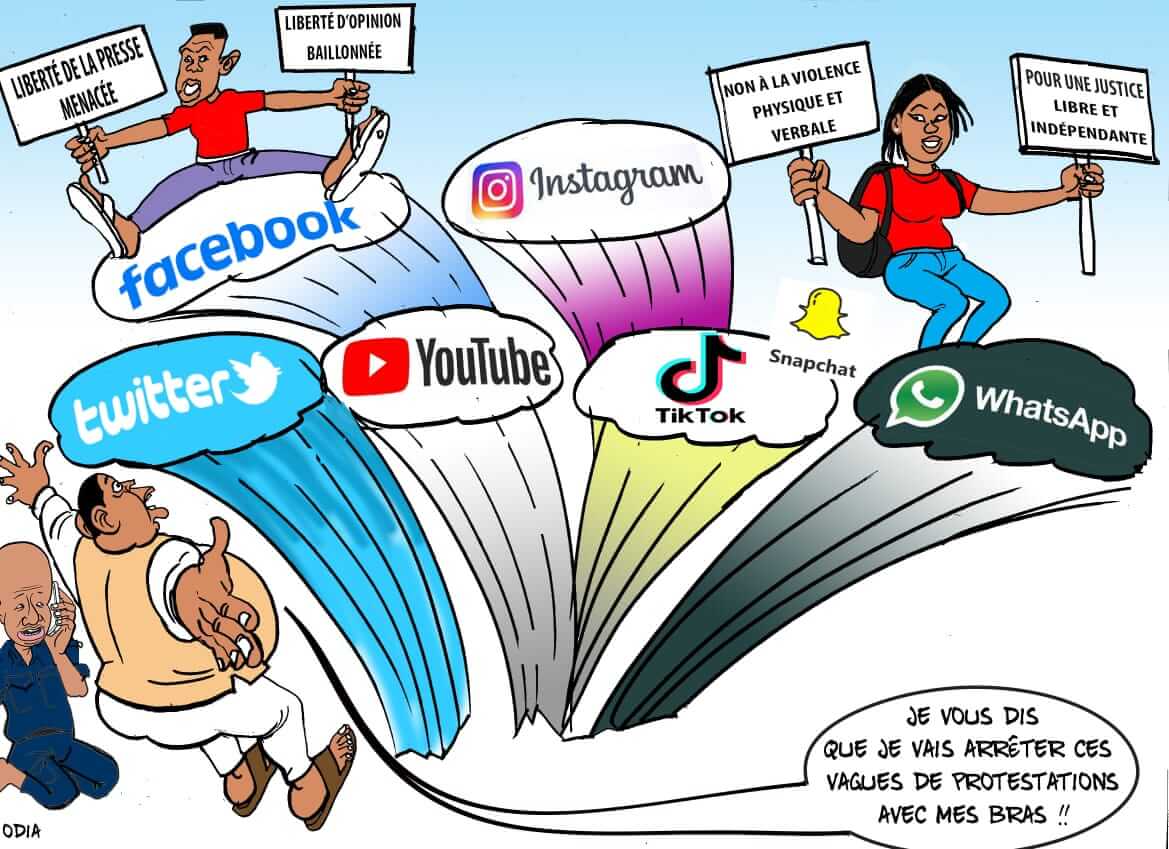

Thu 11 Dec 2025
Digital Freedoms in West Africa: A Landscape of Tragedies, Coups, Arrests and Resistance
SUMMARY:
In West Africa, digitally connected citizens experience severe repression, from internet shutdowns in times of crisis to advanced digital surveillance technologies and disinformation. In some countries, the consequences of this growing form of authoritarianism can extend beyond censorship and economic harm to doxxing, arbitrary arrests, and even death. While the internet offers immense potential for democratic participation and economic growth, this surge in digital oppression mirrors a broader political instability. In less than a month today, the military takeover in Bissau and the attempted one in Benin, coupled with concerning patterns of arbitrary arrests in Mauritania, the return of violence in Senegal universities, all highlight the deterioration of civic space in the region. Yet, the region also witnesses how civil society and the judiciary in countries like Senegal lean on vibrant activism, dialogue and legal frameworks to push back against these restraints.
Mali -- The death of Mariam Cissé in the town of Tonka, publicly executed by a group allegedly affiliated with Al-Qaeda on 07 November 2025, highlights the extreme dangers Malian citizens face daily. “They didn't just shoot Mariam. They shot her whole family,” said her sister on a Tik Tok video, recalling the heart attack their diabetic mother experienced in the face of the horrific news. According to Human Rights Watch, the young TikToker was accused of collaborating with the Malian army. This macabre execution symbolizes the slow but increasingly visible death of freedom of expression in public space, both physical and digital.
“It now poses an undeniable threat to democratic progress in the country and across the region” warns Alioune Tine, founding president of think tank AfrikaJom Center in Dakar. In West Africa, countries have been linked since the dawn of time, according to historian Professor Ibrahima Fall. Far more than the close borders they share – As in the case of Mali and Senegal with villages like Aroundou (Senegal side), Gouthioubé (Mali) and Kidira. This relationship is forged by centuries of socio-cultural, religious, and economic exchange. Even short-lived, the remnants of French West Africa (AOF) have today led these young nations to maintain a desire for pan-African unity. Today, the arrival of the jihadist threat imposes unprecedented dynamics, “contrary to the famous Charter of Kurukan Fuga founded by Sundiata Keita around 1235” recalls the historian. This ancestral declaration of human rights founded its roots on peaceful coexistence, social justice, and the sanctity of life – The West African way of life.
Mauritania -- Dieynaba N'Diom was arrested on November 28, 2025, during peaceful demonstrations commemorating the 35th anniversary of the 1990 Inal massacre, where 28 black Mauritanian soldiers were executed. This event is a dark reminder of a period of brutal state repression and mass deportations of afro descendants to neighboring Senegal and Mali. N'Diom’s arbitrary arrest sparked outrage across the region. According to Ivorian activist Marie Okri, “Dieynaba has the right to voice her opinion on the fact that beneath official denials, Mauritanian society remains fractured by deep ethnic and racial divisions” – While slavery was officially abolished in 1981 and criminalized in 2007, its legacy persists, and activists who dare to speak out are frequently targeted by authorities. “Speaking out shouldn’t be a reason to arrest Dieynaba” adds Marie, who is a member of VOFA, a feminist network from francophone Africa. The group uses social media to flag human rights abuses across the continent. An anonymous source reveals that as of today, the six activists arrested and who reached the prosecutor’s office are awaiting a concluding trial. “They are free from jail without any proper judicial decisions. There is even one detainee who was arrested when he had nothing to do with the march. Moctar Diaw was arrested while on his way to visit someone at the hospital. The 3 men remain in jail.” -- Marie sees this situation, normalized by the authorities, as “yet another attempt to silence voices that publicly denounce injustices.”
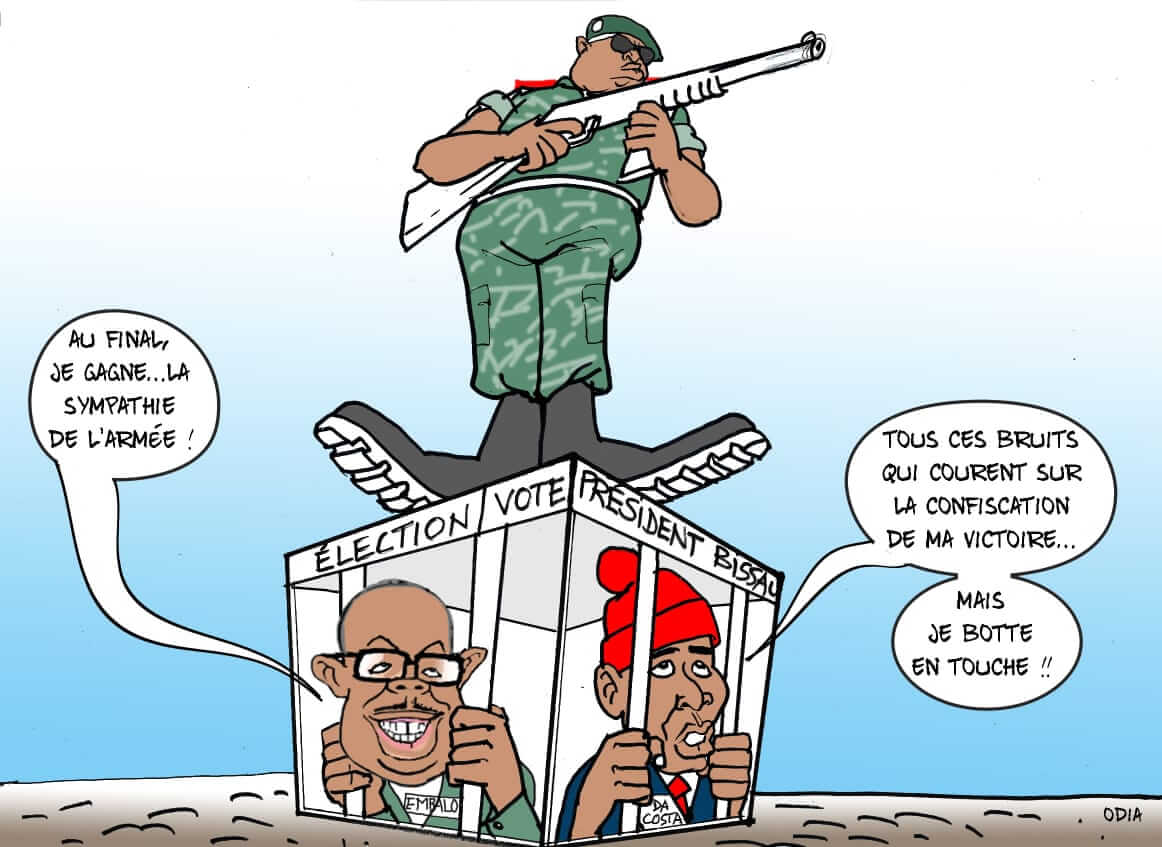
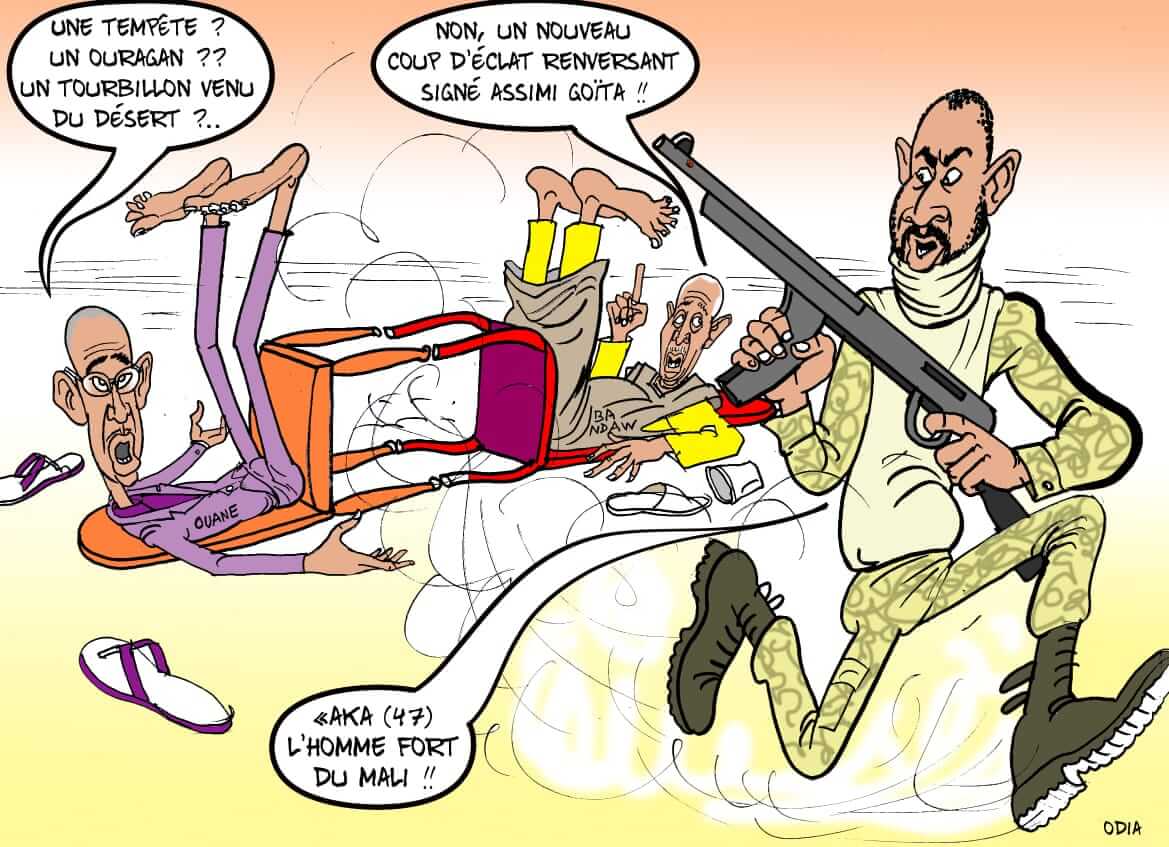
Guinea-Bissau is another case in the region, where news remains dominated by the consequences of a military coup that occurred on 27 November. Today, outgoing President Umaro Sissoco Embaló is in exile in Morrocco, after a brief stay first in Senegal then in the Republic of Congo (Brazzaville). According to a report by Jeune Afrique, from where he had announced the coup against him, Embaló wishes to travel to Portugal. Observers are connecting his presence in the kingdom with that of the one he calls “my brother”, former Senegalese President Macky Sall, who has been living in Marrakesh since stepping down in April 2024. Bissau’s electoral commission has announced the suspension of the process pending in a more favorable context. General Horta Inta-A Na Man, Chief of Staff of the Army, has been sworn in as president of a transitional government whose duration is one year “but we’re used to extensions” laughs a taxi driver from Conakry in Dakar. in Africa also doubt the veracity of this coup. True or not, this umpteenth disruption to the country’s political and military stability, since 1974, is particularly impactful given the reality of internet shutdowns during times of tension, which hinder communication and the dissemination of reliable information. These shutdowns, often justified under the guise of “national security” are a primary tool for silencing dissent, and consolidating control during political chaos and human rights abuses. “In such places nowadays, protesting online is dangerous” according to the locals who still dare to whisper the truth. This says more about social activism shrinking than words can express. Freedom of expression and people's safety could be at stake.
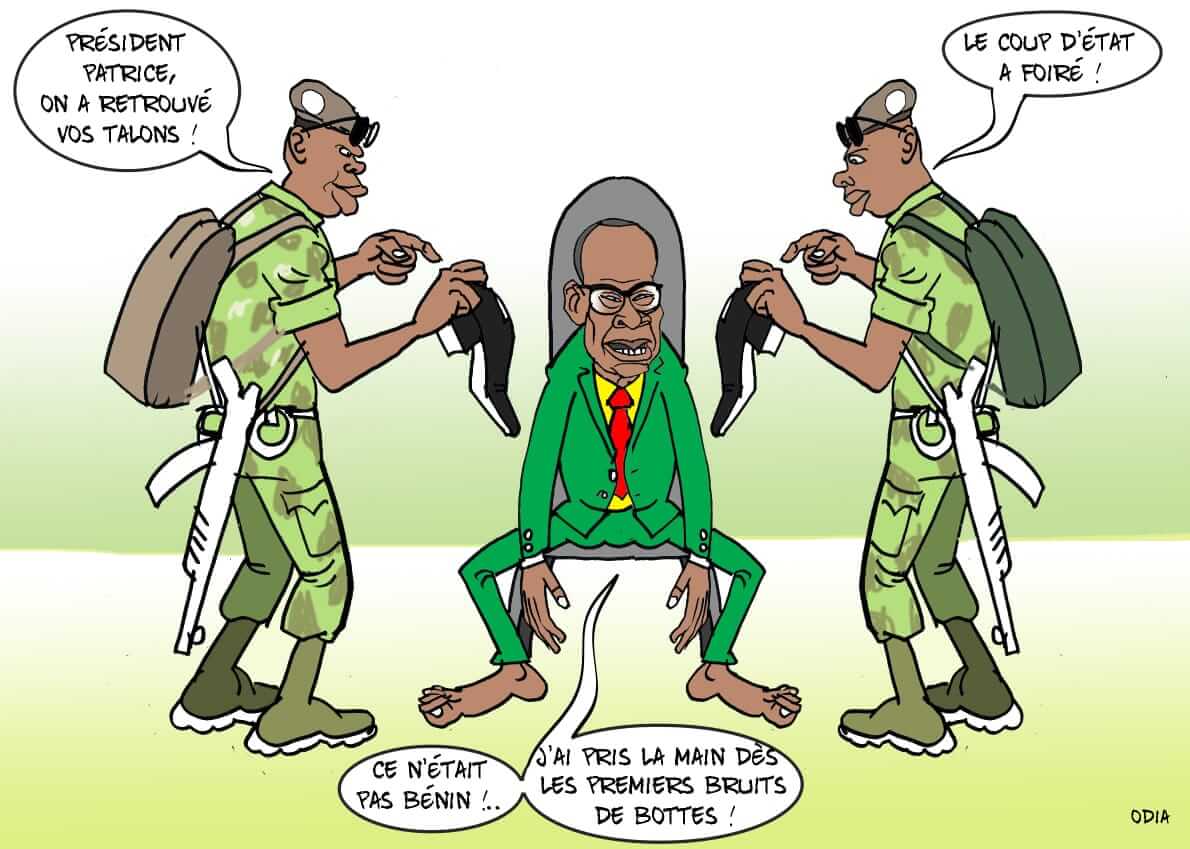
Benin -- On 07 December, loyalist forces, backed by military support from Nigeria and ECOWAS, successfully thwarted a putsch in Benin.This event represents a significant disruption following the coup in Bissau, and in the memory of several decades of democratic stability, which had positioned the country as a model in the region. Benin counts 09 recorded coup from 1960 to 1975. No coup had succeeded since, but the recent attempt was led by a small group of soldiers and highlighted underlying tensions rooting from security and political discontent. While analysts generally view this as an isolated incident rather than a systemic shift in the military's relationship with political affairs, commentators online see this in its worst-case scenario. On the ground, however, “there is a strong culture of trying to achieve change through political and civil society action, rather than force” shared BBC west Africa analyst.
Last 21 October, the country's Defense Ministry reminded military personnel of their “imperative duty to scrupulously respect the principle of political neutrality, an essential foundation of the ethics of the Beninese Armed Forces.” This reminder aims to ensure that no behavior can be interpreted as support for or opposition to any political party. This position echoes the one adopted by Senegal during its political crisis of March 2023.2 The emphasis was also on the for the military to maintain a strictly republican stance, “free from any partisan affiliation” we could read on social media. These two examples illustrate the convergence of these two West African nations on a fundamental principle of governance: the unwavering commitment of their armed forces to the duty of discretion and political neutrality. Currently from Benin, an anonymous voice confirms that the situation remains calm: "the mutineers are in Togo. The streets are calm, as are the exchanges on social networks.” Reuters informs that Benin is demanding the return of lieutenant-colonel Pascal Tigri.
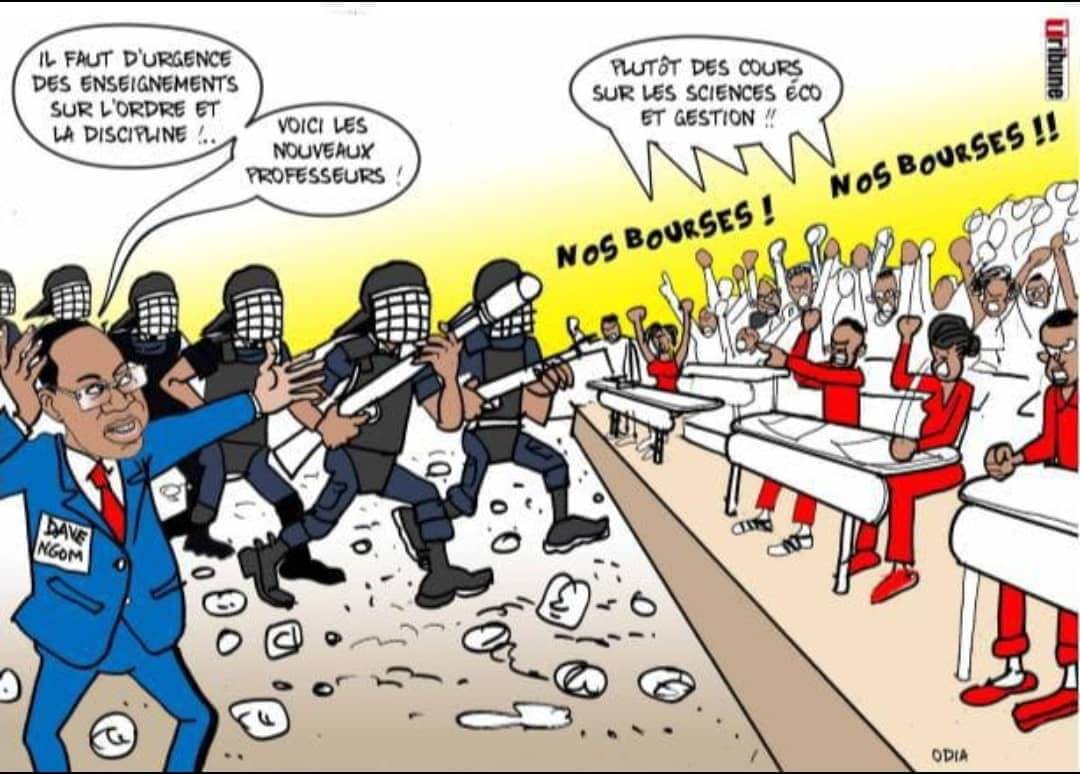
Senegal -- Long considered one of the more stable democracies in the region, voices in Dakar and across the country traditionally rise to protect and expand the right to expression for all, especially the youth. Although the country had seen repeated internet shutdowns during the periods of political unrest and election-related tensions from March 2021 to February 2024-- Senegalese civil society organizations tried to remain at the forefront of resistance. On 26 August 2025, Senegal's National Assembly adopted a law to protect whistleblowers, marking a major step for transparency and anti-corruption efforts in the country. Whistleblowers who honestly report abuses are guaranteed anonymity, immunity from retaliation and criminal charges, in addition to a financial reward. The country’s applauded reputation remains a beacon of hope in the region, but some issues still need to be addressed. “There is an ongoing battle to render justice to the families of 80 victims of political repressions. Our authorities must be courageous to make the profound changes we want. Unfortunately, things are dragging on, and people are extremely frustrated” says Fall, a social activist active on twitter. Citizens online are still documenting arbitrary arrests, especially these days marked by the return of violent face-to-face between police forces and university students across the country. On social media, comments massively support the students, and this resurgence of violence comes as “a surpise” -- Senegal remains a model but it’s a “double edge sword” says sociologist Abdou Khadre Sanoko. “The use of violence from police forces demonstrate a challenge where even countries with strong constitutional guarantees for free expression resort to repressive tactics when faced with political challenges.” According to Malick Ndome, a program coordinator at CONGAD (an umbrella group of over 180 local CSOs and a Forus community member), the recent university strikes across the country are driven by the current leaders' "increasingly violent and humiliating discourse." Ndome argues this rhetoric, especially spread via social media, added to the government’s lingering promises for change, doesn’t favor civil society’s endeavors to carry on with the country’s reputation of free speech and peacebuilding.
Didier Awadi, popularly known as DJ Awadi, one of Senegal’s pan-African artists, paints a portrait of Senegal vs. many other countries across the continent: “In many countries with so-called very strong powers, voices that could challenge the leaders are silenced. There is a lot of propaganda, and the use of AI is fueling unrest. On social media, those inciting rebellions are the most vocal. Senegal, however, is still holding on; people are speaking out. The youth understand that freedom is not given; it is seized. I don't see who can stop Senegalese people from expressing themselves. Students are vocal with their own arguments and in their own way, and this is a Senegalese tradition. It's an expression of the vibrancy of democracy. But at the same time, we condemn the violence on both sides, police and students.”
This article is written as part of the Forus journalism fellowship programme. Learn more here
Our Campaigns on #Positive Narratives

Tue 16 Dec 2025
News
Digital Space, Artificial Intelligence, and the Struggle for Civic Life Across the globe, artificial intelligence is rapidly reshaping economies, governance, culture, and civic participation. Yet while the ethics of AI are debated intensely in boardrooms and policy circles in Europe and North America, communities across the Global South often encounter these technologies first as testing grounds rather than as co-architects of tAcross the globe, artificial intelligence is rapidly reshaping economies, governance, culture, and civic participation. Yet while the ethics of AI are debated intensely in boardrooms and policy circles in Europe and North America, communities across the Global South often encounter these technologies first as testing grounds rather than as co-architects of their digital futures. At the heart of this imbalance lies a fundamental question: who governs public life when the digital rules are still being written?heir digital futures. At the heart of this imbalance lies a fundamental question: who governs public life when the digital rules are still being written?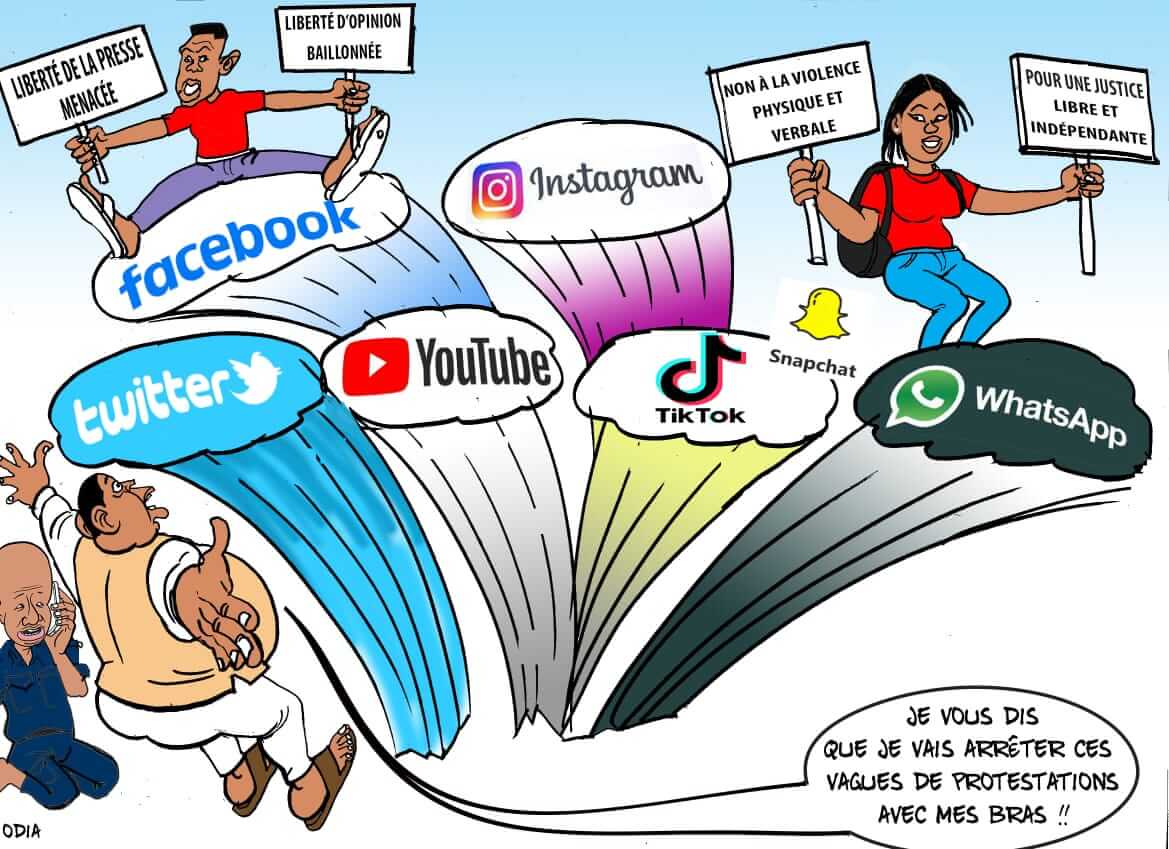
Thu 11 Dec 2025
News
Digital Freedoms in West Africa: A Landscape of Tragedies, Coups, Arrests and Resistance In West Africa, digitally connected citizens experience severe repression, from internet shutdowns in times of crisis to advanced digital surveillance technologies and disinformation. In some countries, the consequences of this growing form of authoritarianism can extend beyond censorship and economic harm to doxxing, arbitrary arrests, and even death. While the internet offers immense potential for democratic participation and economic growth, this surge in digital oppression mirrors a broader political instability. In less than a month today, the military takeover in Bissau and the attempted one in Benin, coupled with concerning patterns of arbitrary arrests in Mauritania, the return of violence in Senegal universities, all highlight the deterioration of civic space in the region. Yet, the region also witnesses how civil society and the judiciary in countries like Senegal lean on vibrant activism, dialogue and legal frameworks to push back against these restraints.