Connect

Forus Virtual Forum
The Forus Virtual Forum is a space to reconnect, strengthen our ties, share perspectives, experiences and learnings, while celebrating the diversity of the network.
In October 2020, in the context of the COVID-19 pandemic, Forus organized a Virtual Forum with the aim of gathering its members and fostering exchanges and collective reflection across the network and beyond. Following the success of the previous Forus Virtual Forum (FVF), and with the aim of strengthening community-building and ties among its members, the second edition of the Forus Virtual Forum took place on 27-28 June, 2022 with 98 participants from 42 member organisations. The program of the 2022 Forus Virtual Forum was defined by the members of Forus, through a process of consultation carried out by the Forus Secretariat from April to early June 2022. The final program consisted of 4 thematic sessions over two days.
All sessions were simultaneously interpreted in English, French and Spanish.

©Both Nomads
What Forus members have to say
Feedback we have received from members on the Forus Virtual Forum

"The Forus Virtual Forum allows us to better integrate the realities and issues of other continents to our local context."

"Dynamic, democratic, constructive."

"Fantastic discussions and ideas for future endeavors!"
Session 1. The role of civil society in today’s turbulent world.
Pawn of international power games or force for positive change and transformation? How can we achieve real transformational change?
Is civil society “fit for future” and “fit for purpose”? In many places, the space for civil society to act is increasingly restricted, yet we cannot keep still! Where can we gather the strength and creativity to push forward collectively, and to be more dynamic, vibrant, and influential? What role can networks play given future disruptions in economic, political, social, technological and environmental spaces? Civil society is unfolding an ever-wider ecosystem of voices, yet what should we do differently?
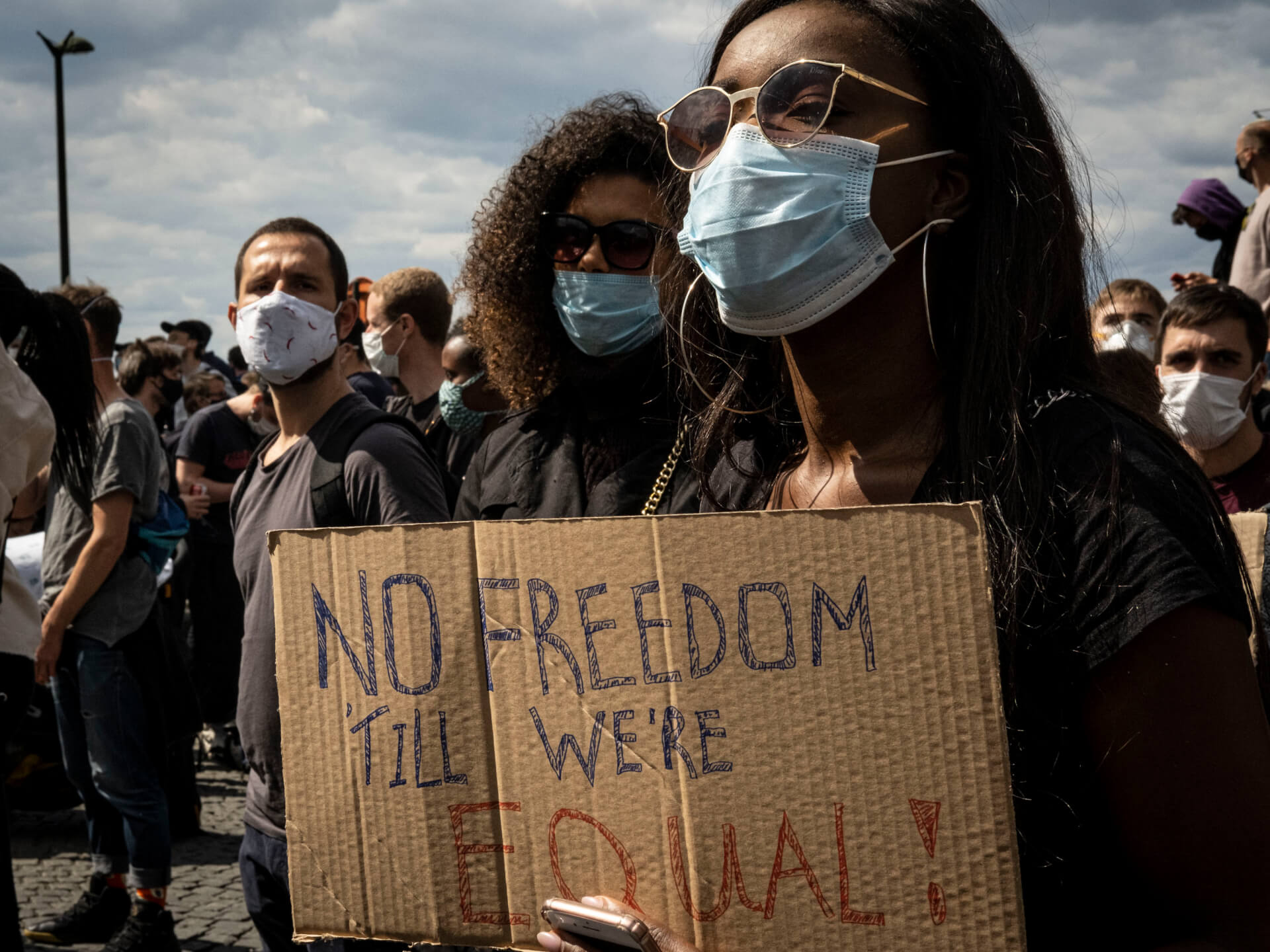
During the Opening session of the Forus Virtual Forum, Forus members reflected and discussed the role of civil society in today's world, as well as what civil society should stop, continue and start doing in order to achieve real transformational change. The session was inaugurated by Sarah Strack (Director, Forus) and was divided into two rounds of discussion. The first round, "Pushing forward: What Civil Society Organizations need to overcome at regional and national level", was moderated by Lina Lara Negrette (Advocacy coordinator, COONG, Colombia). This first round was opened by Kashish Das Shrestha who spoke about his experience in 'solutions journalism' and as an activist in Nepal. Likewise, Ziad Abdel Samad (Executive Director, ANND, Arab region) and Deborah Van Berkel (Chair, Sinergia, Venezuela) highlighted the importance of capacity development, networking, and professionalization of civil society, as well as the strengthening of alliances, to better address current challenges. The second round of discussions, "Triggering Transformational Change: the good, the bad and the new", was moderated by Oluseyi Oyebisi (Executive Director, NNNGO, Nigeria) and included as panelists Sagarika Bhatta (Chairperson, PowerShift, Nepal), Putheary Sin (Director, CCC, Cambodia), and Maite Serrano (Executive Director, Coordinadora ONGD, Spain). They highlighted the need of integrating youth, grassroots groups and activists (climate, gender, vulnerable groups) in the work of civil society organisations and in dialogues with governments and international organisations.
©Ioanna Gimnopoulou
Session 2. Strengthening local leadership and achieving equal partnerships.
How sustainable are the development models that CSOs are currently promoting and how can meaningful greater localization and community-led development be accelerated globally? How can international partners play a complementary role in the development sector while supporting leadership at the local level?
Current development models have failed to solve poverty and inequalities and have not allowed enough progress to improve the well-being of populations around the world. However, alternative development models exist, based on the realities and context of populations, which are not centered on economic growth and the indiscriminate exploitation of natural resources.
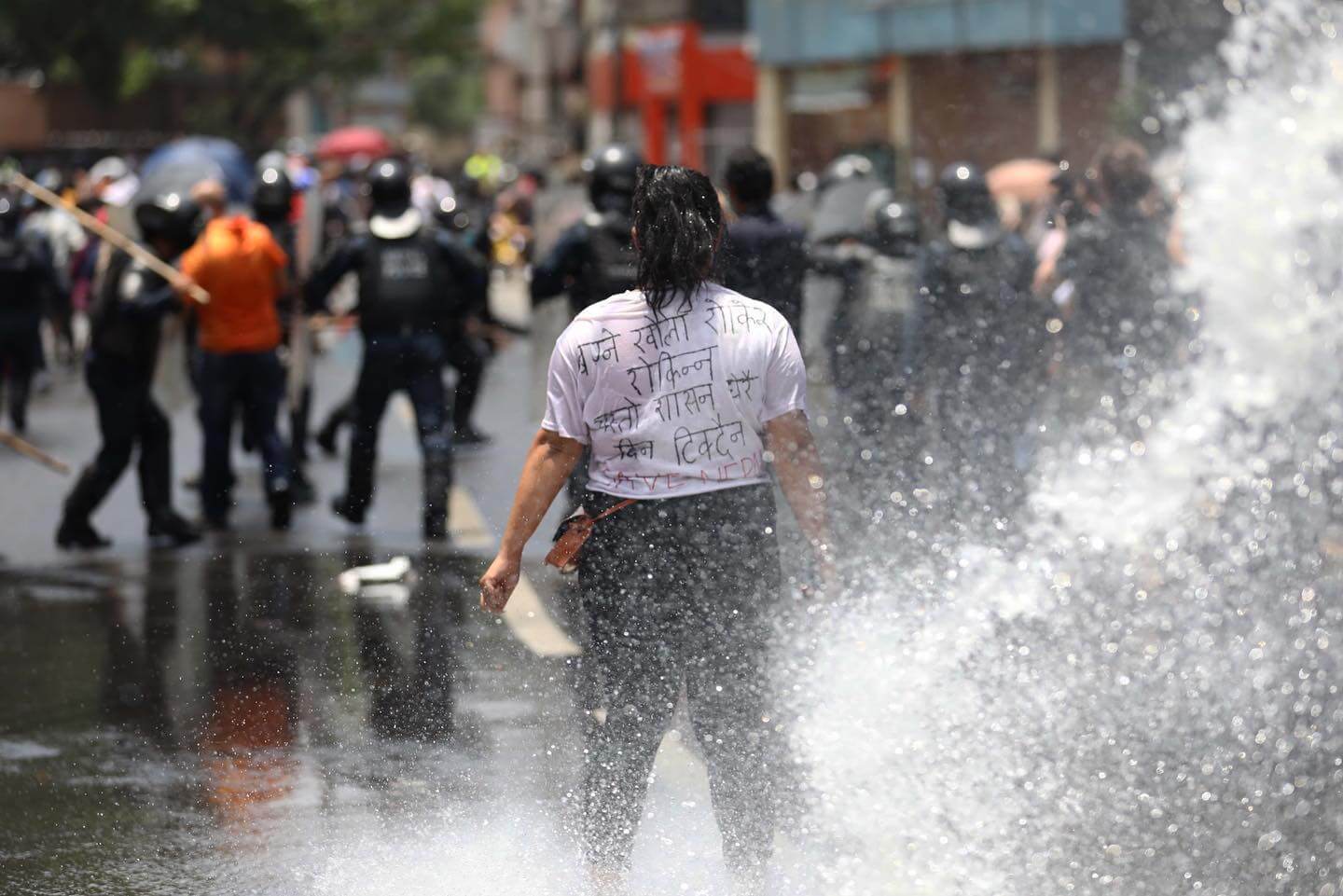
During the second session of the Forus Virtual Forum, Forus members explored the ways in which we can work together and leverage our diversity to counter the vested interests and obstructive powers that push against the implementation of alternative development models. The session was moderated by Ana de Oliveira (Policy and Research Officer, Cooperation Canada, Canada) and Athayde Motta (Member of Executive Board, ABONG, Brazil), and included the participation as panelists of Josaia Osborne (Deputy Executive Director, PIANGO, Pacific), Harsh Jaitli (Director, VANI, India) and Gladys Casaccia (Member of the Executive Coordination, POJOAJU, Paraguay). Forus members highlighted the urgent need to rethink and replace the destructive and extractive neoliberal model with local development models in order to change power dynamics. They also emphasized the need for more collaboration and less competition, with the common goal of putting the interests of local communities at the center of actions, as well as the importance of involving local grassroots organizations in all civil society actions and building horizontal alliances. Participants also underlined the need to be more present and active on the regional and international scene, as well as to collaborate with multiple actors. In this sense, we must advocate for civil society to be included in official spaces where our voices are not being heard and taken into account.
©Sanjog Manandhar
Session 3. Shifting the paradigm of aid towards sustainable support to local CSOs.
How can new funding models allow better localization of financial and human resources in order to ensure the implementation of sustainable community-led actions?
Traditional funding streams that CSOs have relied on so far are shrinking and they are now facing greater uncertainty in relation to funding size, sources and models. Despite many promises on localization, are we seeing real change? While pushing for more locally-led initiatives, and in order to ensure their sustainability and adapt to new demands such as: diversification of funding sources, private sector partners, and clearer demonstration of impact, CSOs have been exploring new funding strategies and mechanisms to access finance.
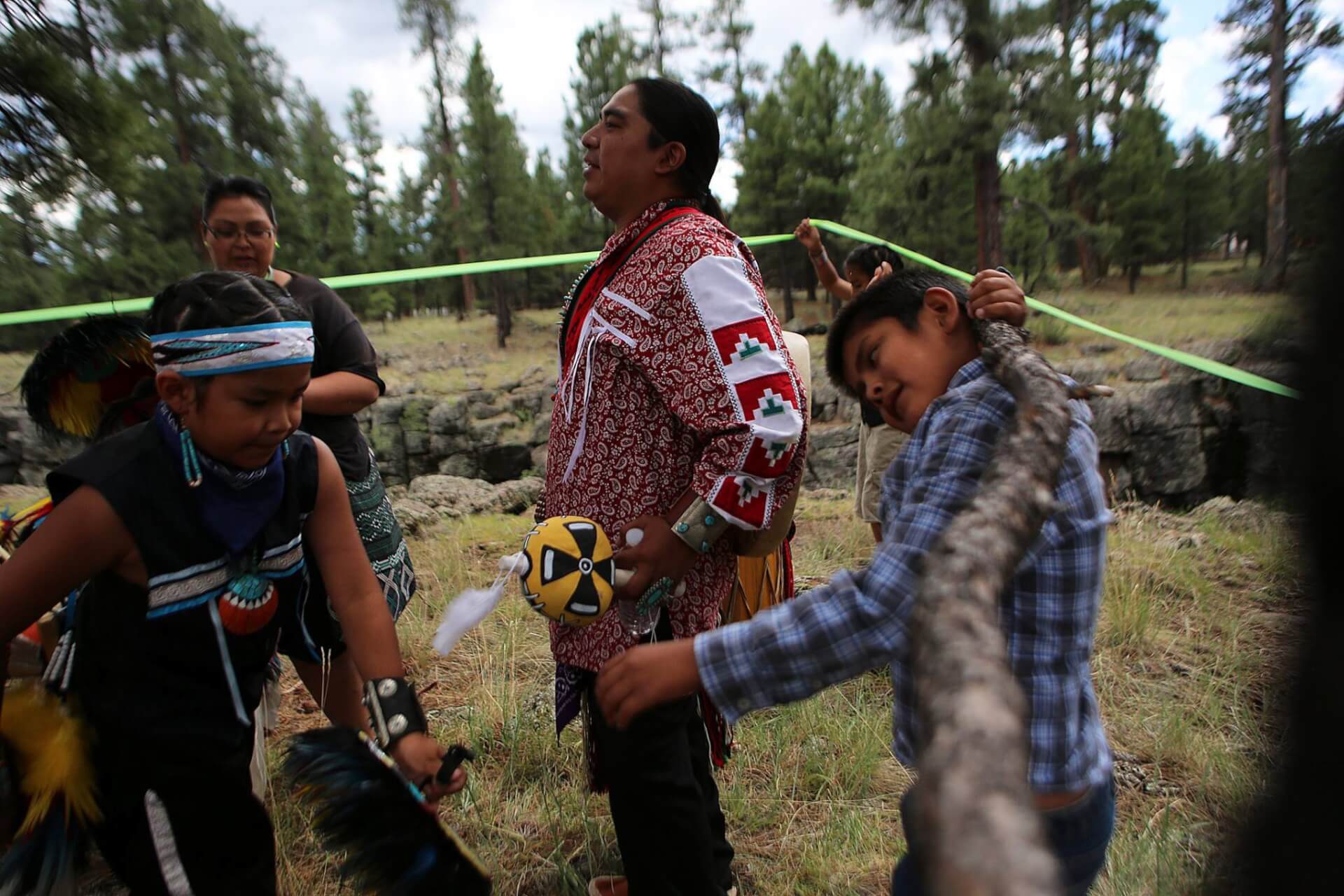
Two years after the launch of the Forus’ Toolkit “Funding Civil Society Organisations & Networks: Promising approaches to financing development in the 21st century”, it is time to discuss what innovative funding models have emerged ever since. During this session, Forus members brainstormed on how to transform donors’ approach to local needs and potential innovative CSOs funding models. The first round of discussions "Are we on the right path for fund localization?" was moderated by Josefina "Pina" Huaman (Executive Secretary, ANC, Peru) and included the participation of Jean-Luc Galbrun (Advocacy, Coordination Sud, France), Akmal Ali (Networking and Capacity Development Officer, PIANGO, Pacific) and Rolando Kandel (President, EENGD - Red Encuentro, Argentina) as panelists. The first round allowed us to hear concrete experiences of several Forus members in fund localization. The second round of discussions "Exploring Innovative Funding Models & Strategies" was moderated by Raina Fox (Senior Manager, Interaction, United States) and included the participation as panelists of Ms. Xu Xiaoxiao (Assistant Executive Director, CANGO, China), José Ramon Avila (Director, ASONOG, Honduras), Zahra Bazi (Program Manager, ANND, Arab region), Inese Vaivare (Director, LAPAS, Latvia), and Ana Paula Gouvea (Fundraising & Partnerships manager, Forus). In this round of discussion, panelists and participants shared some of the lessons learned during their attempts to diversify funding strategies in their national/regional context. Several participants also highlighted the urgent need to attack structural constraints that prevent CSOs from accessing new funding models, such as corruption, democratic fragility and the non- compliance of middle-income countries with their commitments in favor of international development cooperation.
©Both Nomads
Session 4. Shifts in civic space, digital access and rights, and the erosion of democratic values.
Regional perspectives on these intersecting challenges.
Around the globe, restrictions on freedoms of speech, assembly, and association are shrinking and transforming the space for CSOs. Shrinking civic spaces and limited civil society influence have serious consequences for effective governance. SDG16 of the Agenda 2030 commits governments to the protection of the fundamental rights and freedoms linked to civic space. However, research has demonstrated that most governments avoid reporting on civic space in the VNRs submitted to the UN HLPF. In recent years, several key issues have further impacted civic space across different regions and countries of the world – these include the COVID-19 pandemic and the accelerating process of digitalization, both of which have rapidly transformed civic space across diverse national and regional contexts.
In the closing session of the Forus 2022 Virtual Forum, Forus members illustrated how civil society is fighting to defend civic space, both online and offline. The first round of discussions, "Sharing experiences on the impacts of digitisation, COVID-19 and shrinking civic space on CSOs worldwide", was moderated by Jyotsna Mohan Singh (Regional Coordinator, ADA, Asia) and was attended by Pedro Bocca (International Advocacy Advisor, ABONG, Brazil), Moses Isooba (Executive Director, UNNGOF, Uganda), Hum Bhandari (Executive Director, NFN, Nepal), Balint Hamvas (Director, HAND, Hungary) and Zia-ur-Rehman (National President, PDA, Pakistan). Members gave examples of threats and restrictions affecting civic space in their countries, particularly in countries with authoritarian and/or right-wing governments. The second round of discussions, "Responding to growing threats and restrictions: How CSOs can strategise and fight back at regional and national levels to defend civic space", was moderated by Deirdre de Burca (Advocacy Coordinator, Forus) and included the participation as panelists of Susana Eróstegui (Director, Red UNITAS, Bolivia), Jaeeun SHIN (Director of Policy and Education Centre, KCOC, South Korea), Sara Brandt (Policy Advisor and Coordinator, Global Focus, Denmark) and Rizka Antika (Programme Officer, INFID, Indonesia). In the second round of discussions, Forus presented key findings from the new report "Enabling Stories: How civil society can build new narratives in a world transformed by digitisation and the Covid-19 pandemic", to illustrate how civil society is struggling around the world. Members and participants also gave examples of how CSOs are responding to these challenges in their respective contexts, for example, by creating and disseminating alternative narratives.
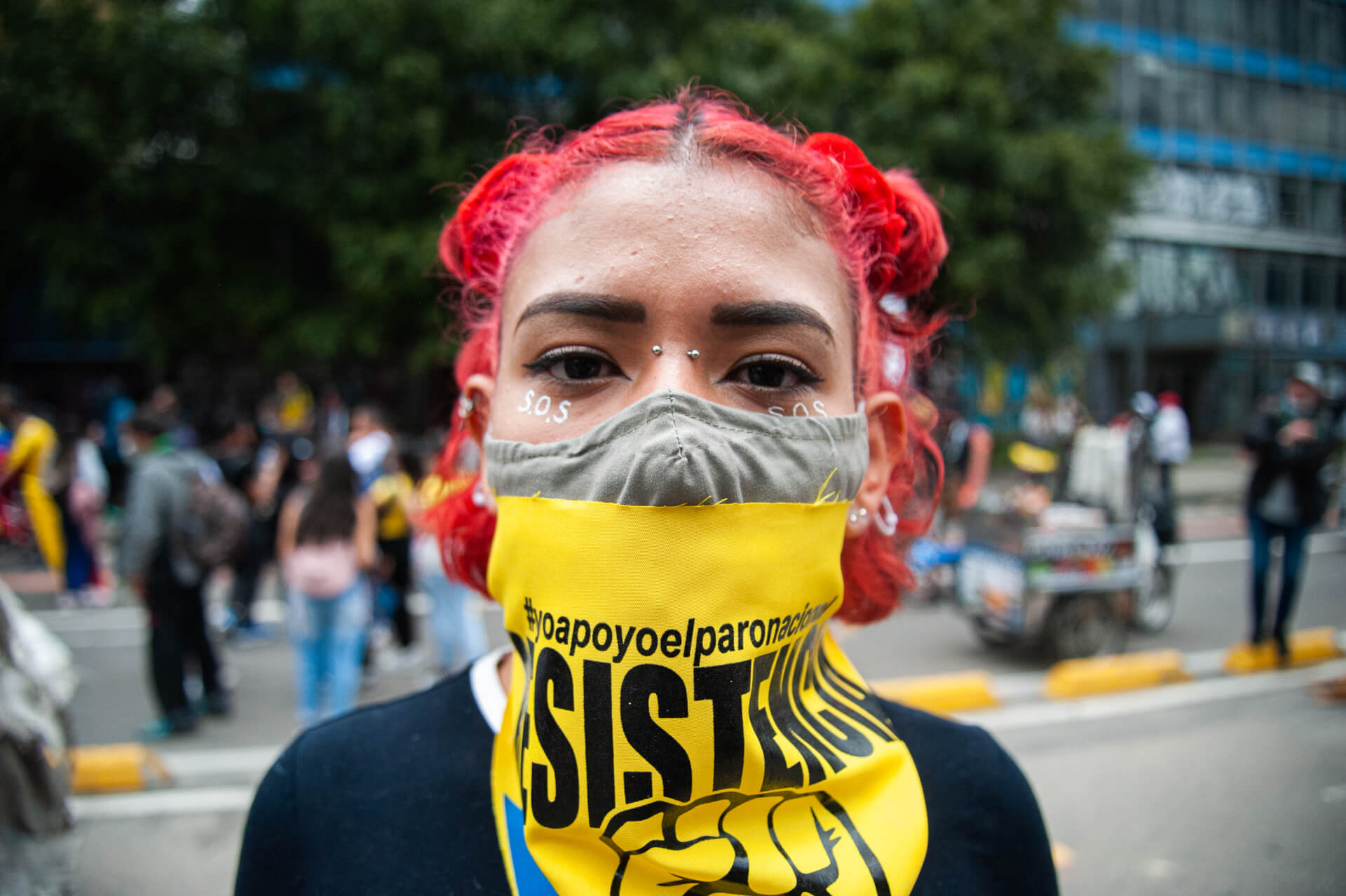
©Sebastian Barros
/ Reports & publications
Tue 5 Jul 2022
Enabling Stories - How civil society can build new narratives in a world transformed by Digitalization and the Covid-19 PandemicThe aim of this report is to examine two key factors which have been rapidly transforming civic space across the world in recent years, often negatively impacting the rights and freedoms of activists and civil society practitioners and their operating environments. These factors are, firstly, the COVID 19 global health pandemic and secondly, the accelerating global process of digitalization.