© Forus
© Sanjog Manandhar


Thu 16 Apr 2026
How Local Communities Are Transforming Marble Danda From Quarry Site to Sustainable Tourism in Nepal
How Marble Danda became a local tourism engine: A former quarry tests whether community-led tourism can grow without repeating the environmental damage that once defined it.
By Sanjog Manandhar | Kathmandu, Nepal
At the foothills of Phulchoki Hill, what was once a scarred landscape of extraction has begun to rewrite its story, but whether it rewrites that story sustainably remains an open question.
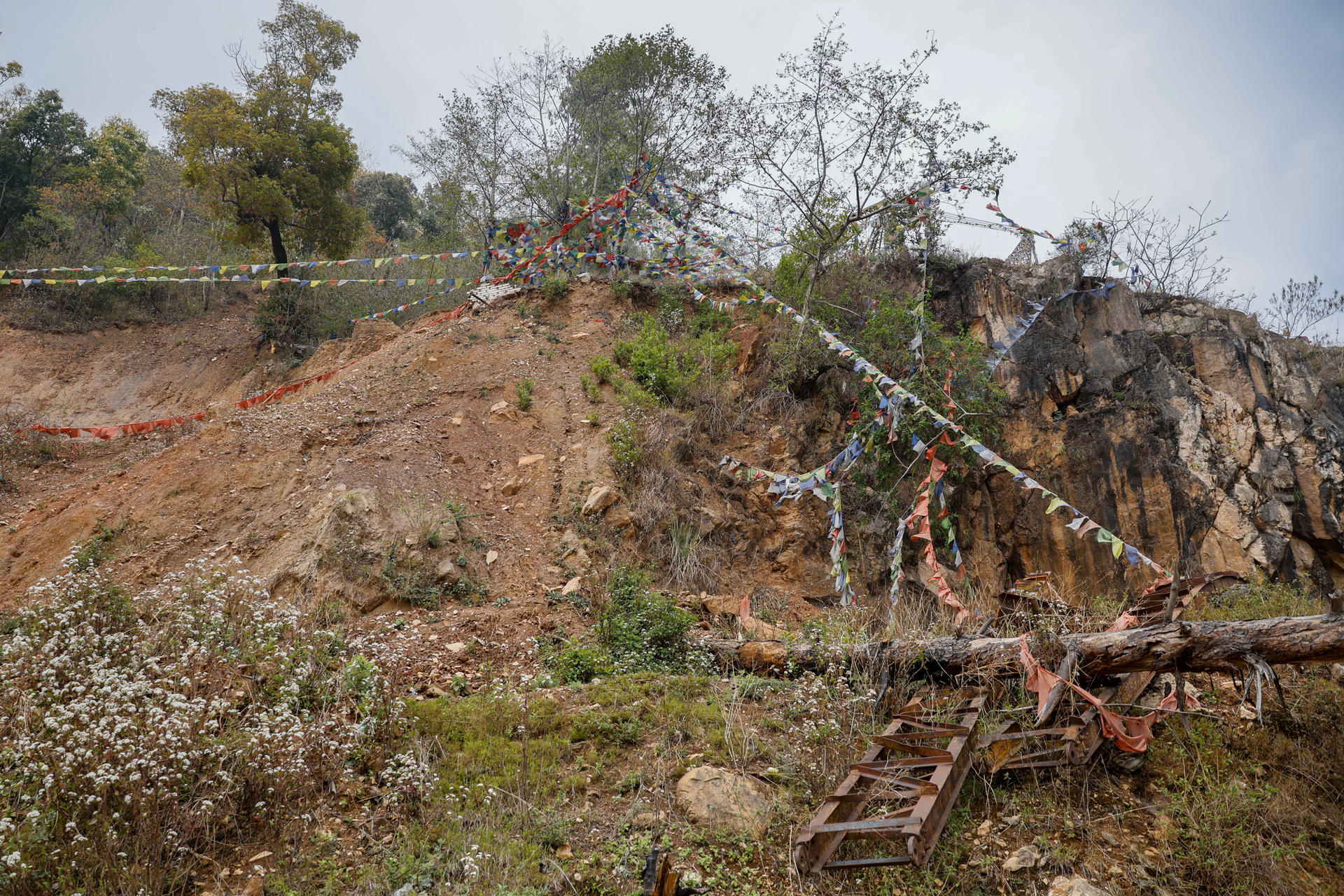
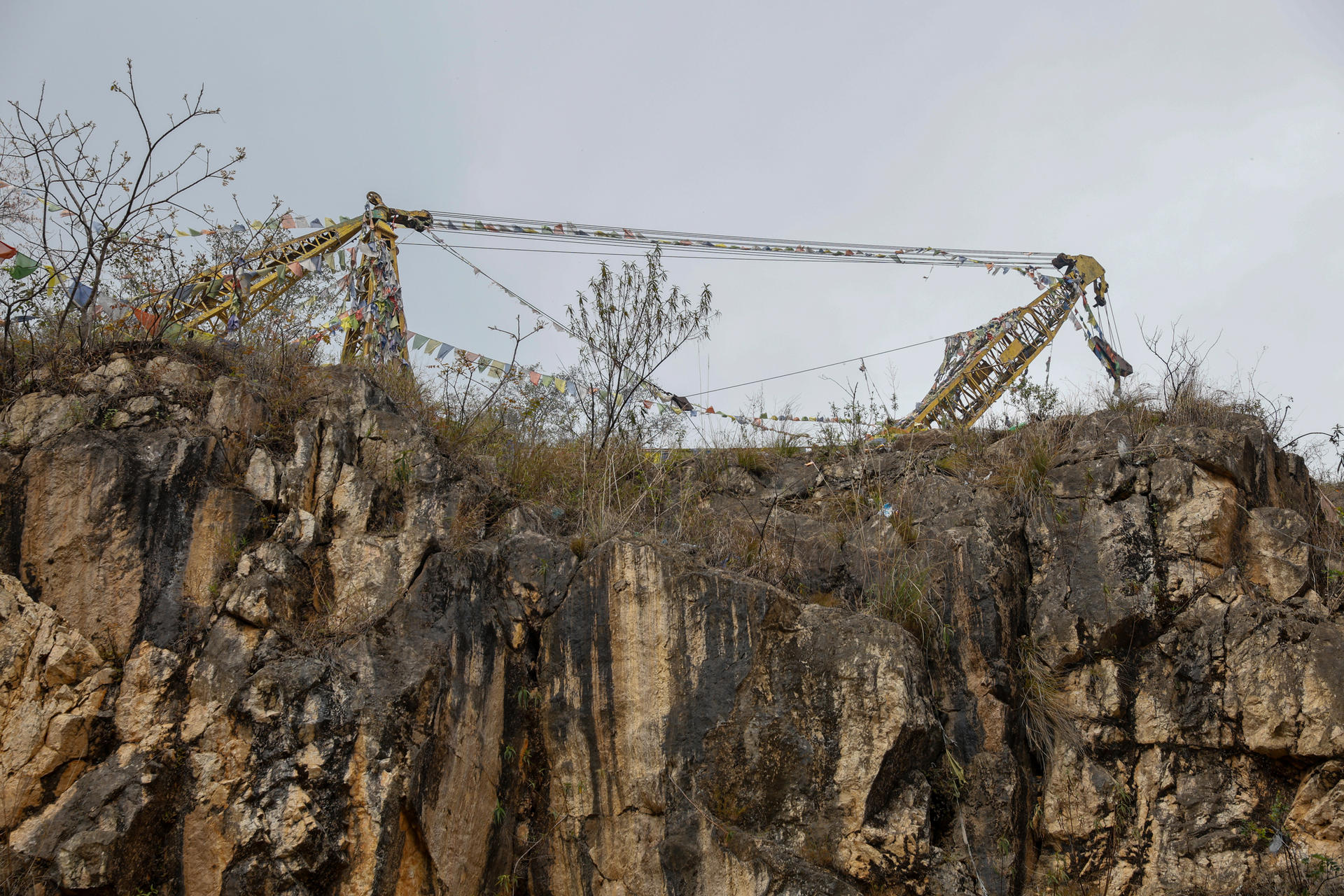
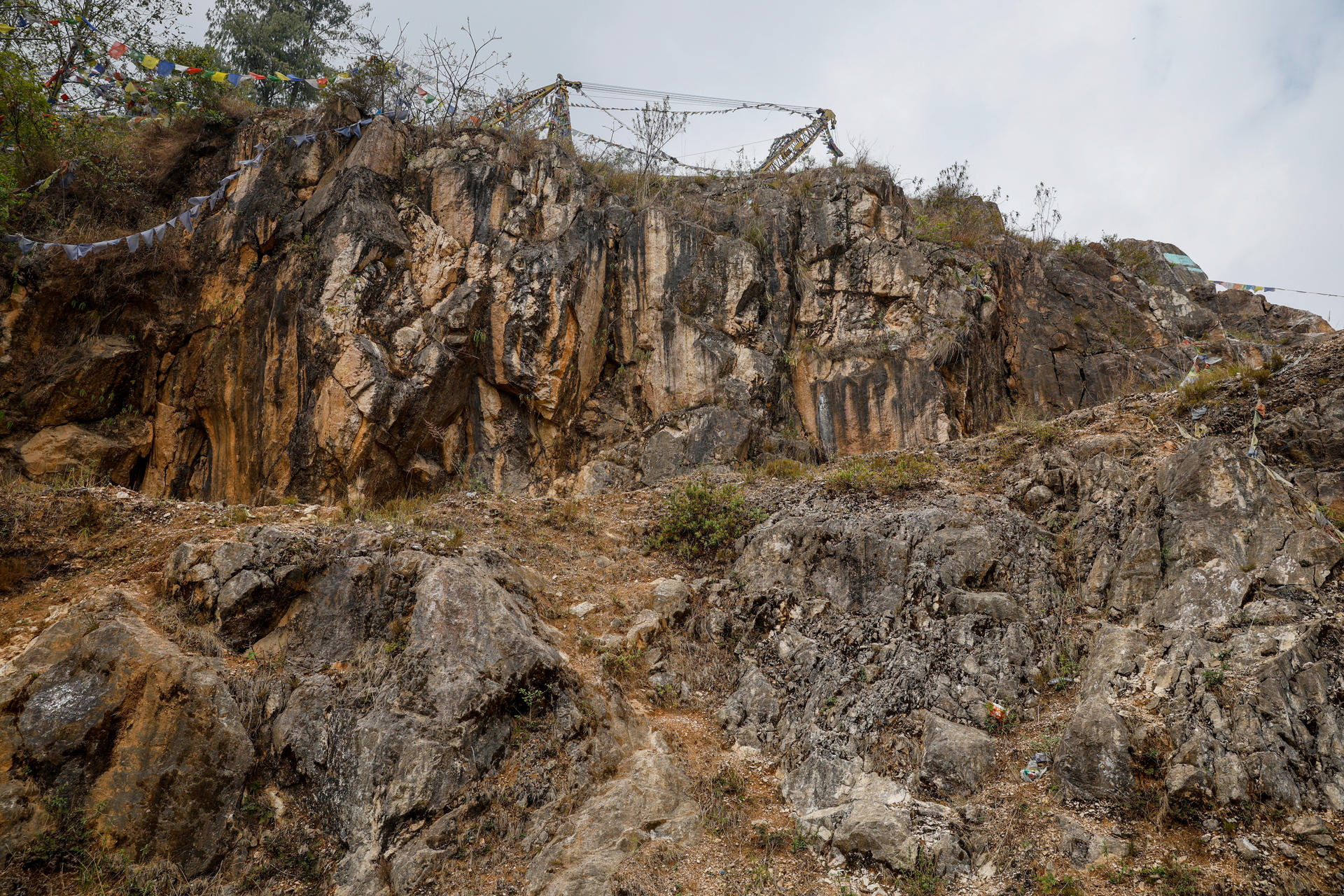
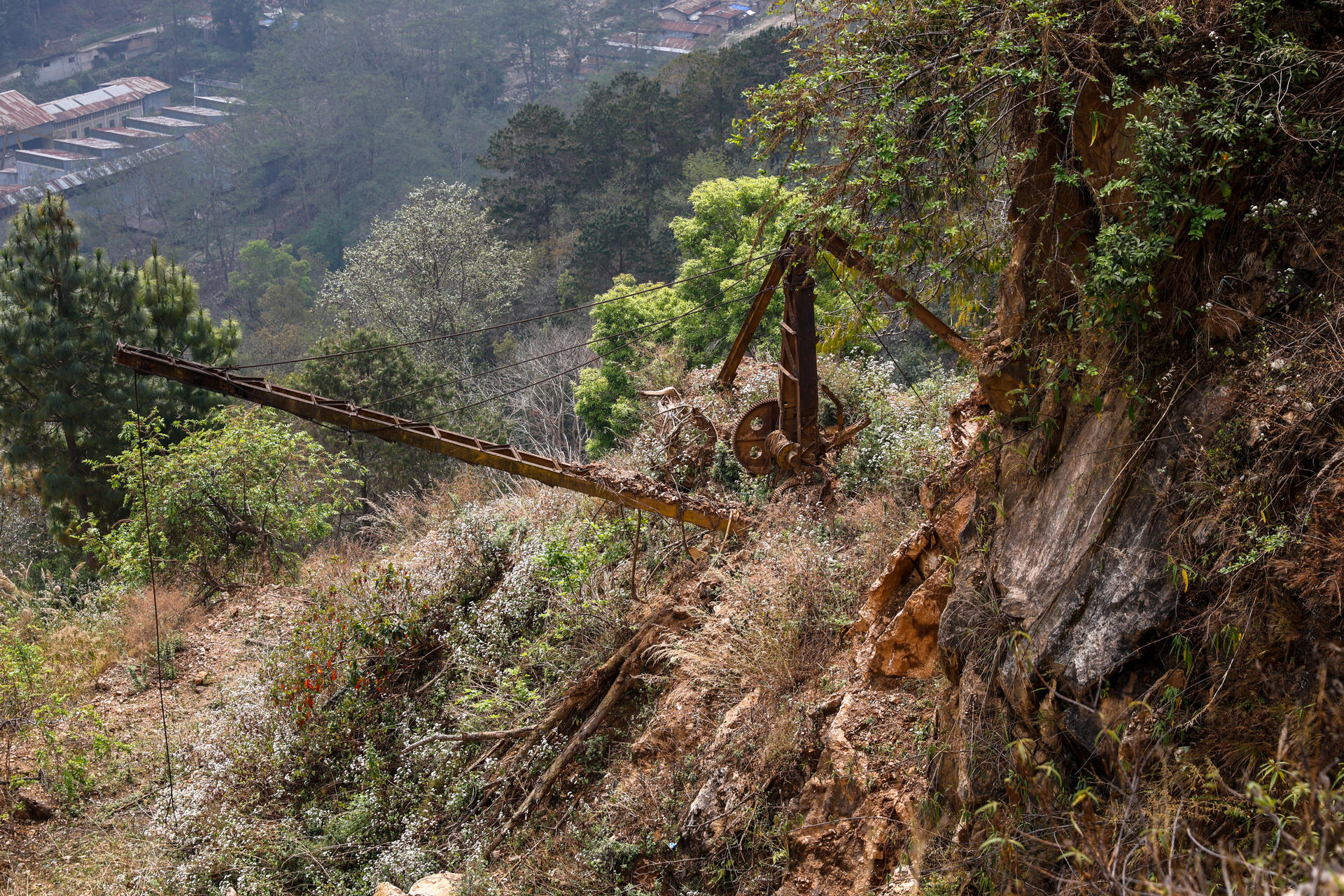
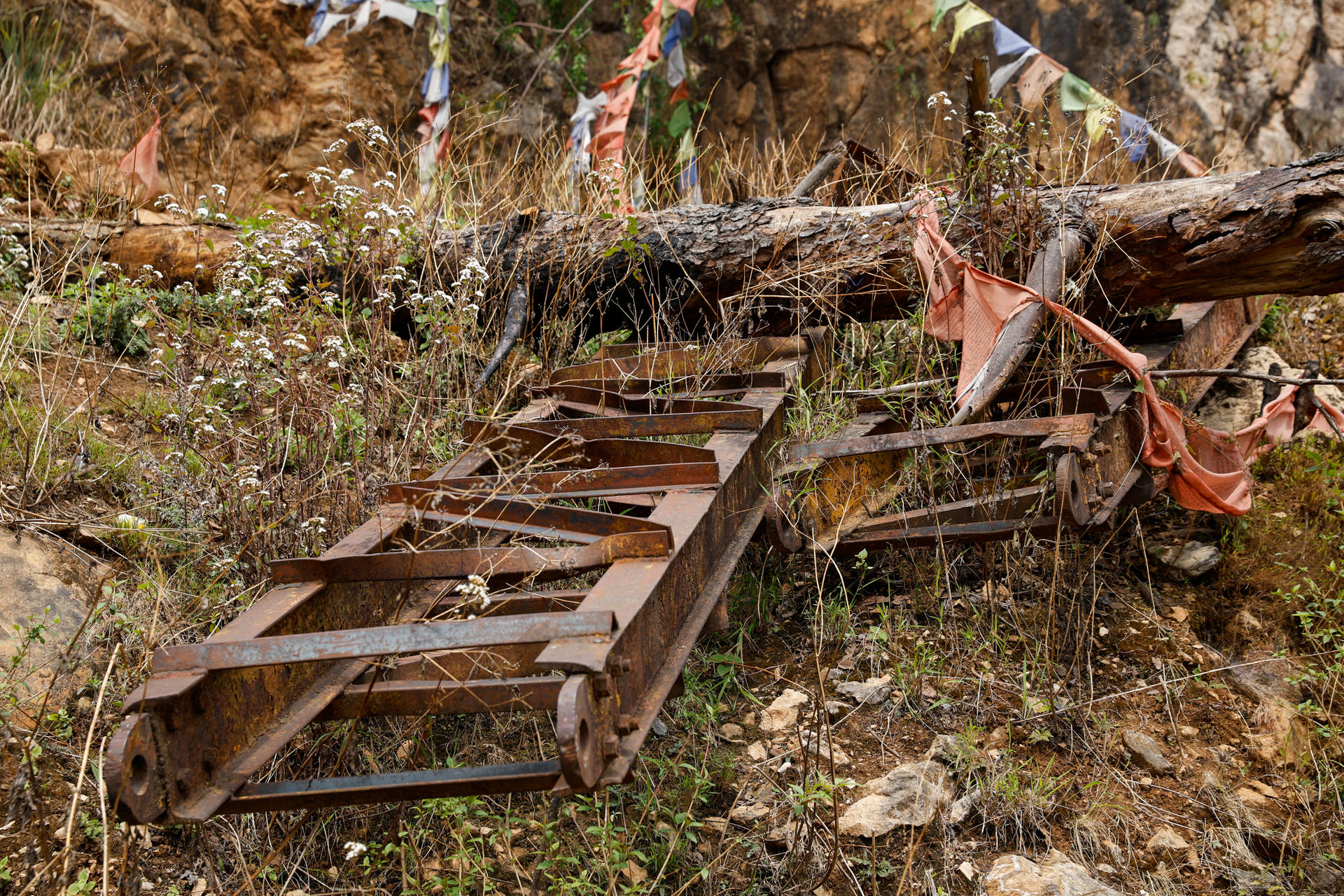
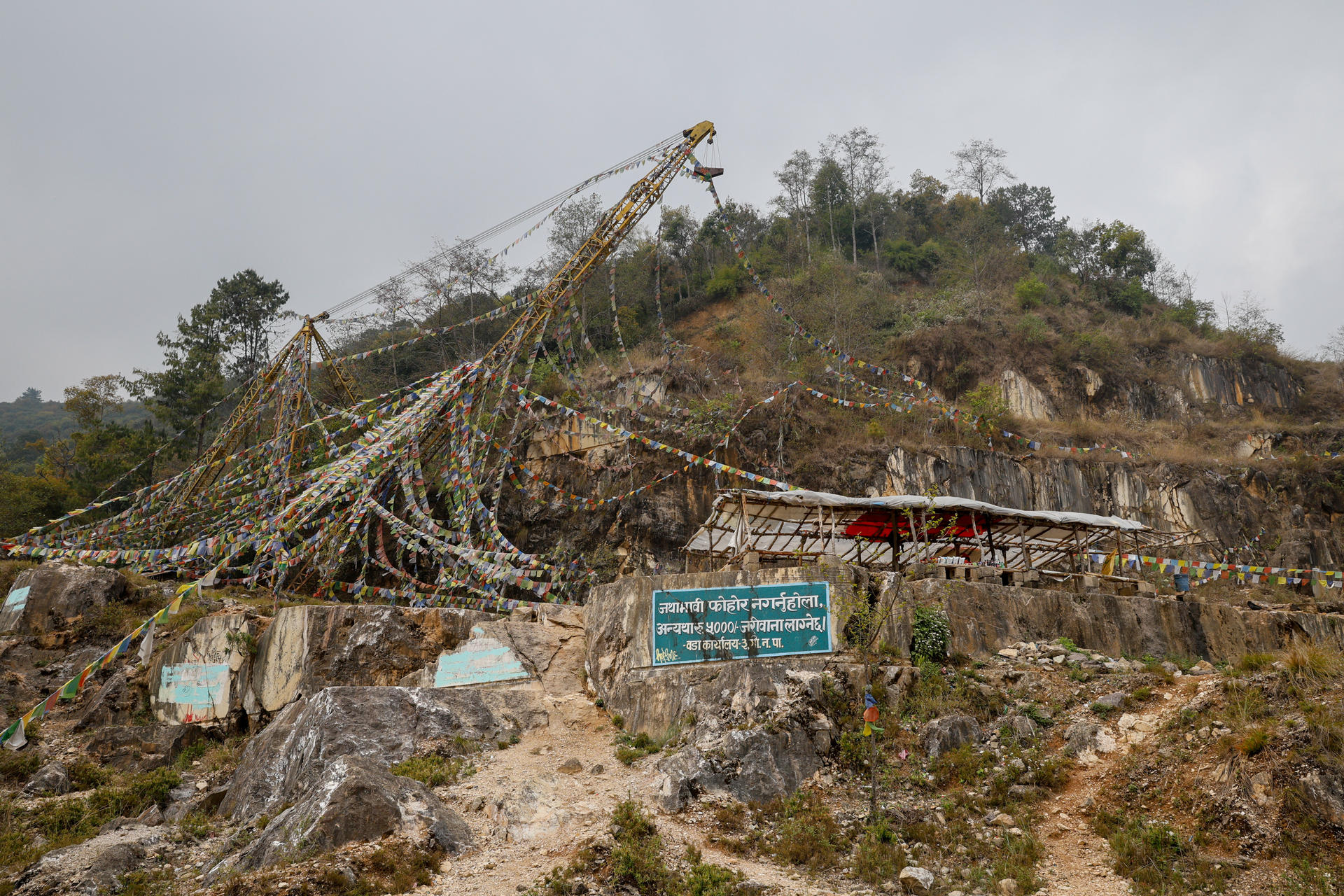
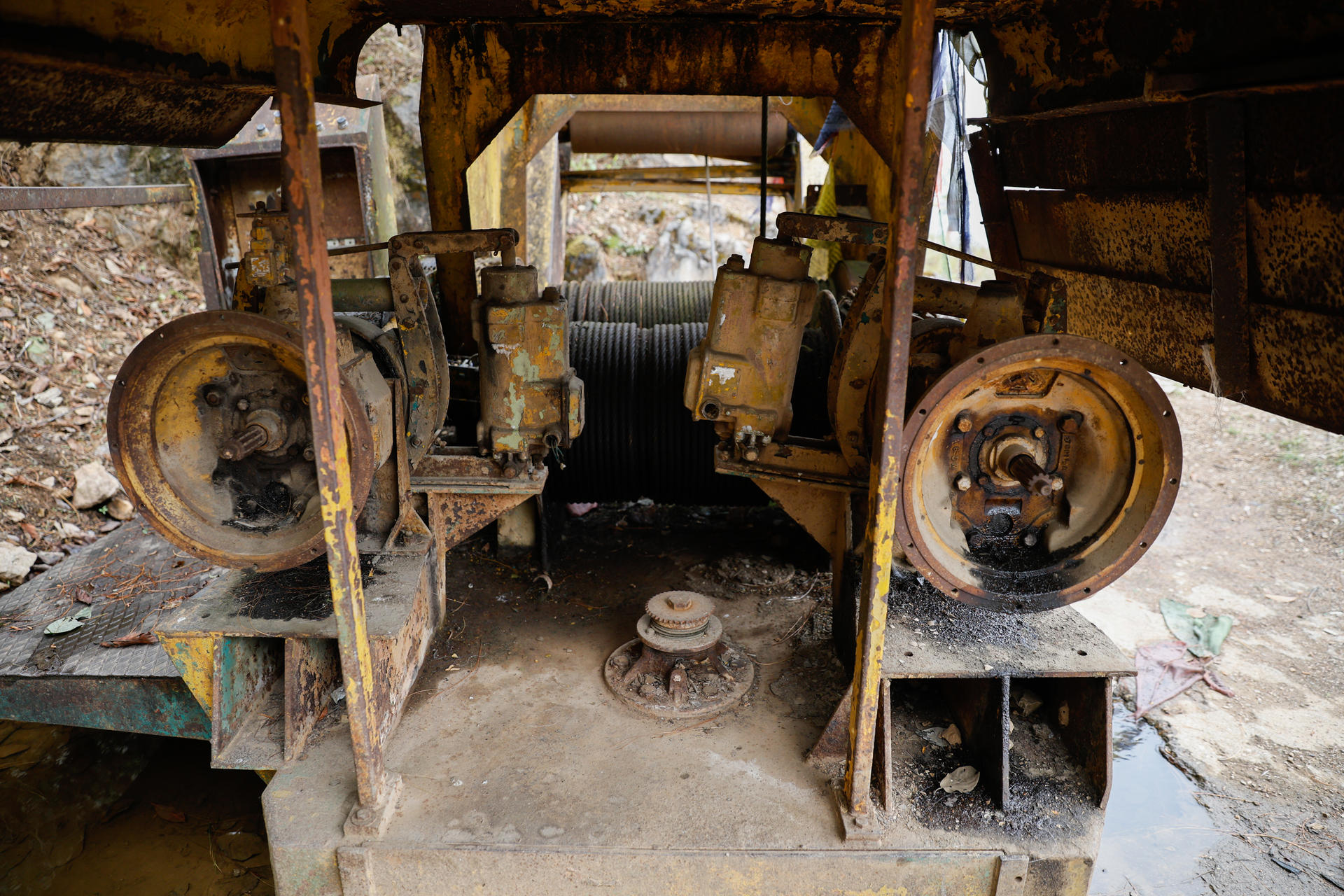
For decades, Marble Danda was synonymous with marble mining. The quarry carved into the hillside stood as a symbol of industrial activity, leaving visible marks on the terrain. But when operations ceased in 2020–21, the site was abandoned, its machinery left to rust and its future uncertain. No environmental remediation was carried out.
Today, that same site tells a different story, though not always a simple one.
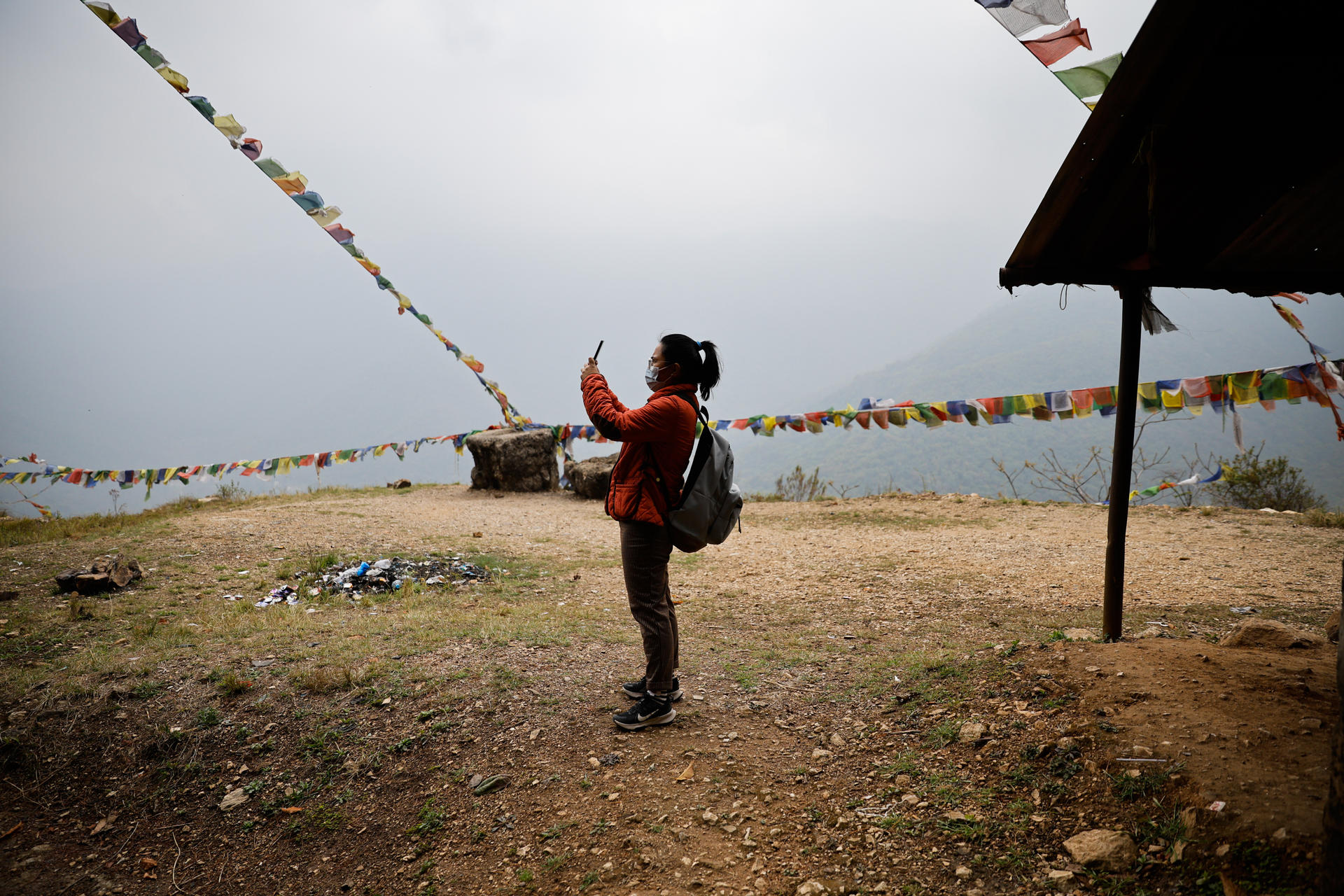
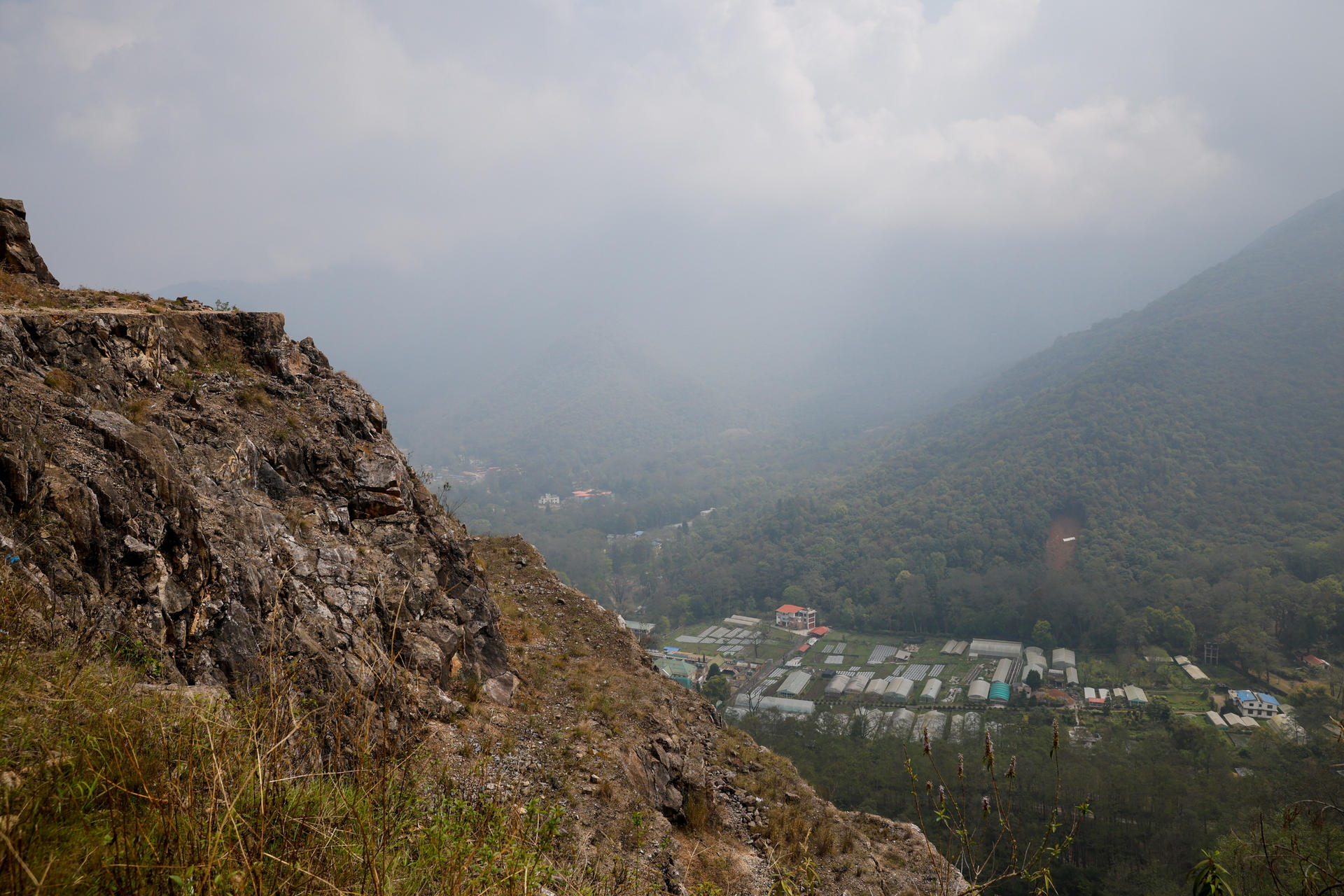
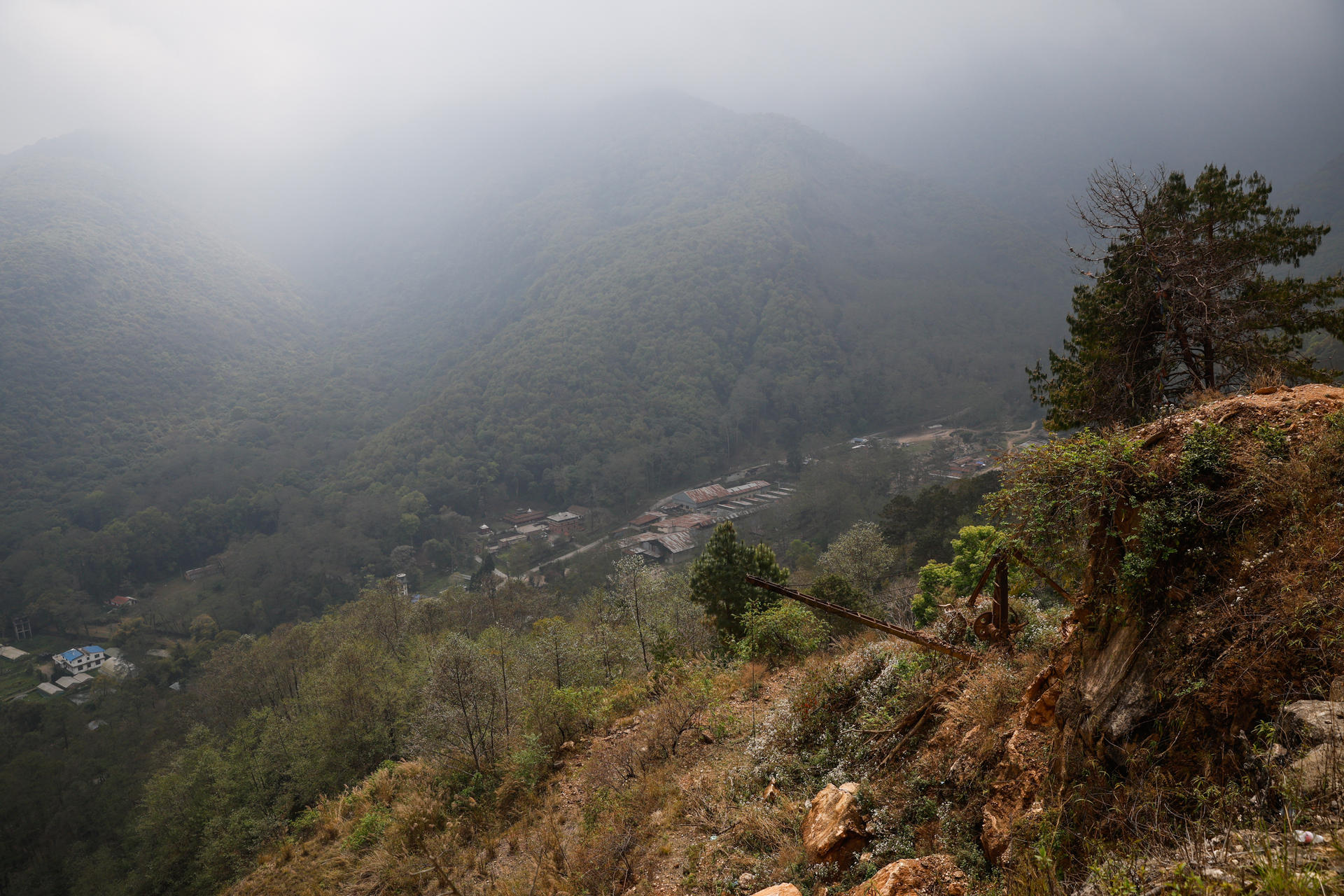
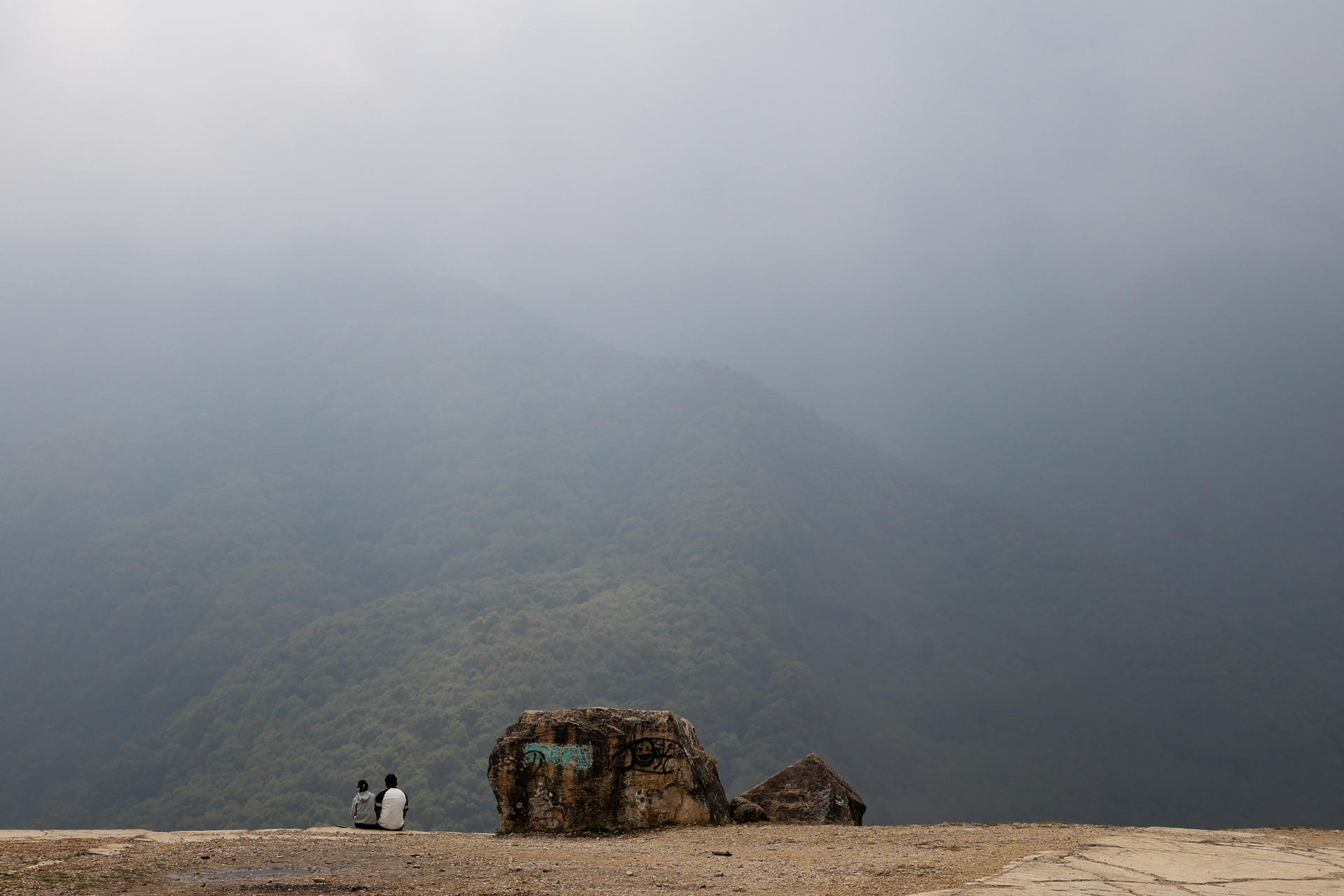
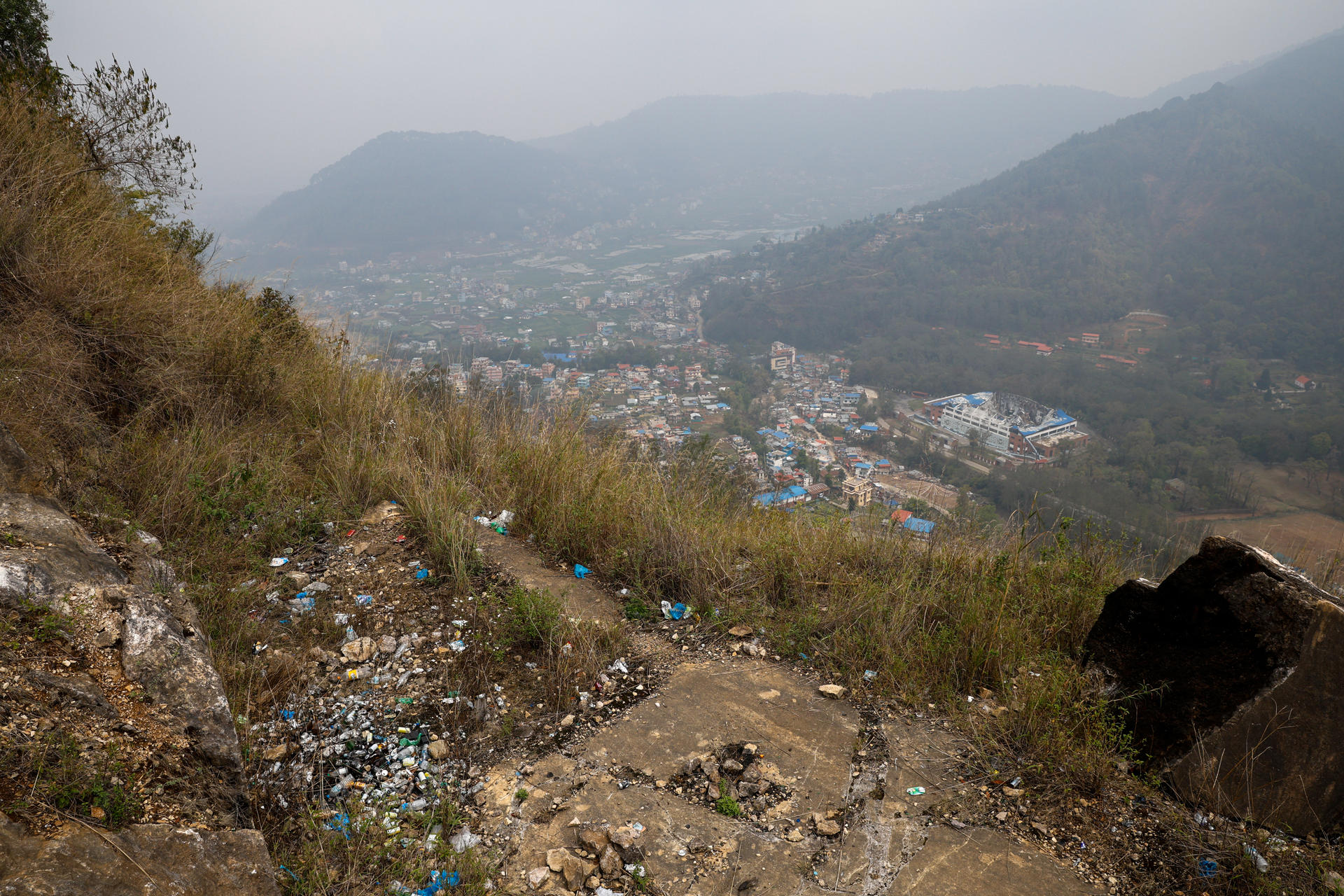
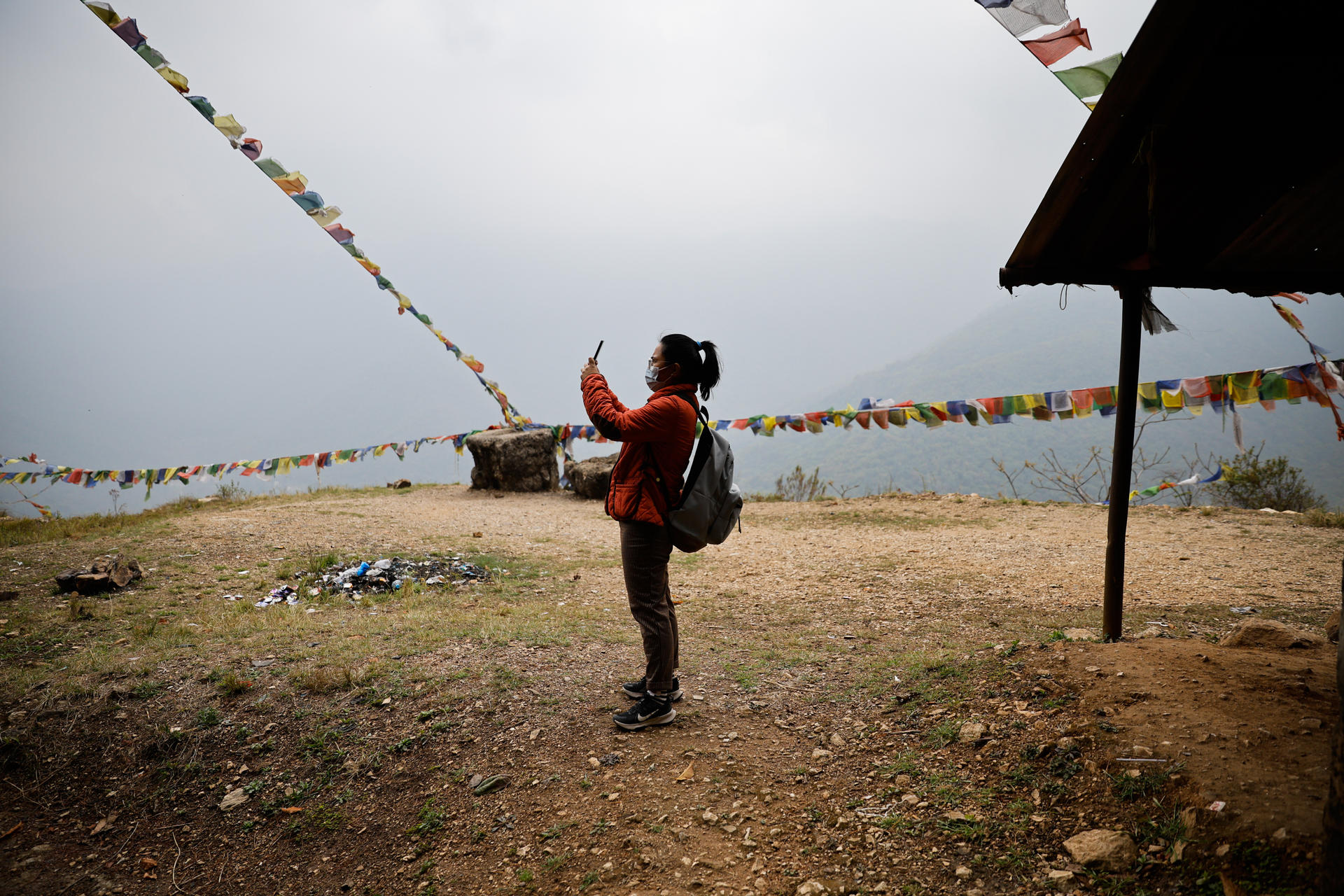
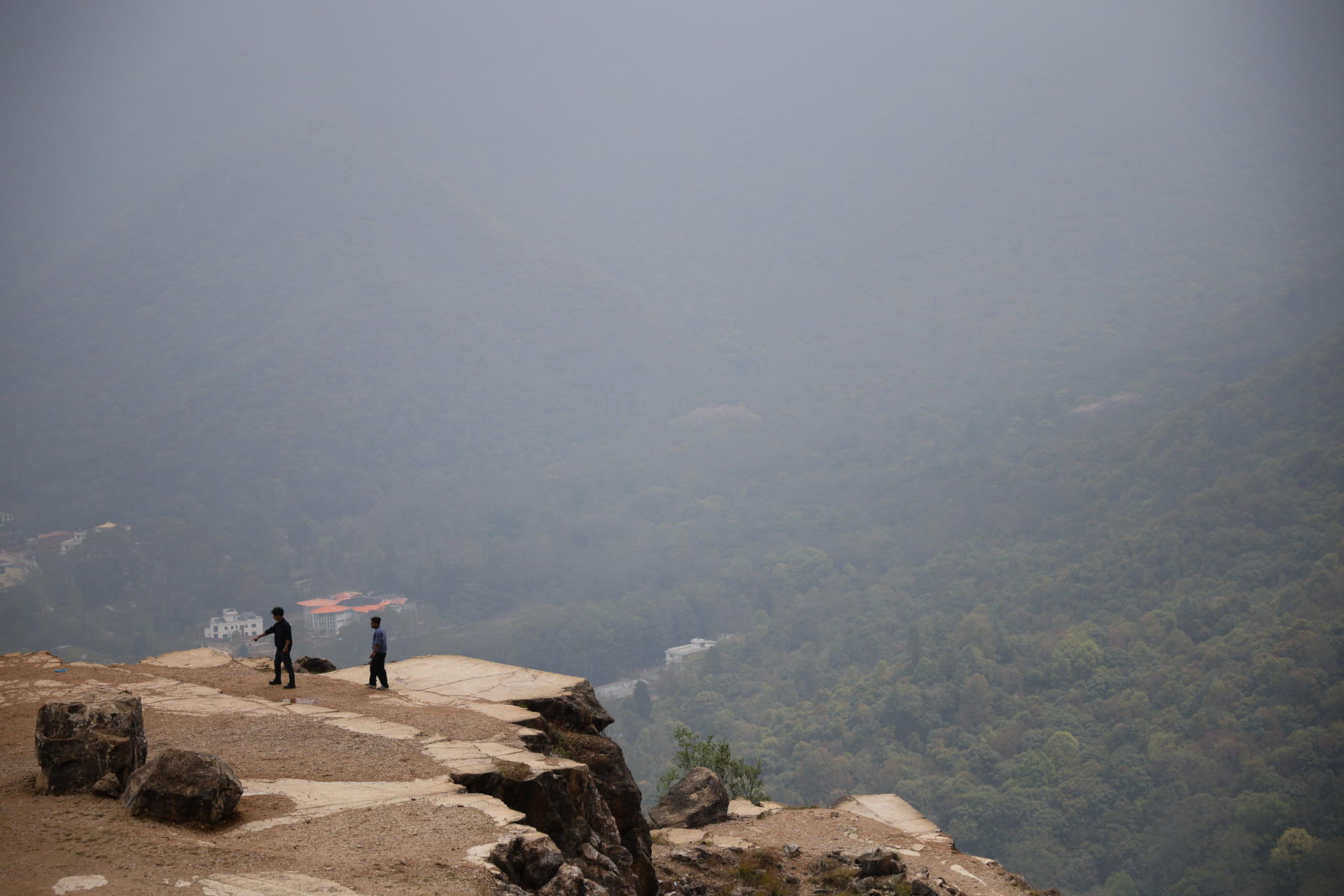
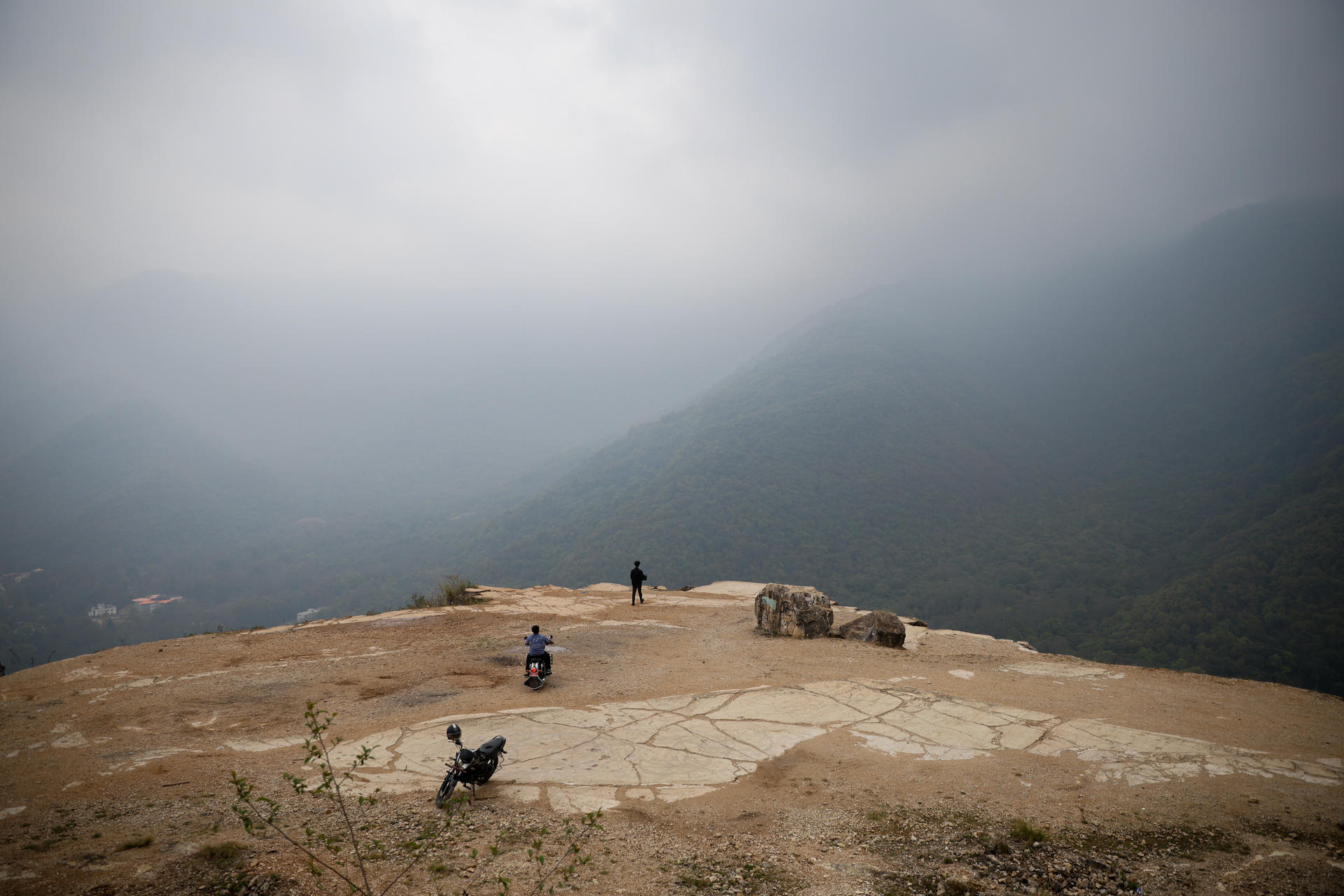
On weekends, groups of young people from Kathmandu Valley and beyond, make their way up the short, forested trail. The hike takes less than half an hour and leads to sweeping views of the valley below. Sunsets have become a particular draw, pulling in photographers and casual visitors alike.
The transformation is also about livelihoods.
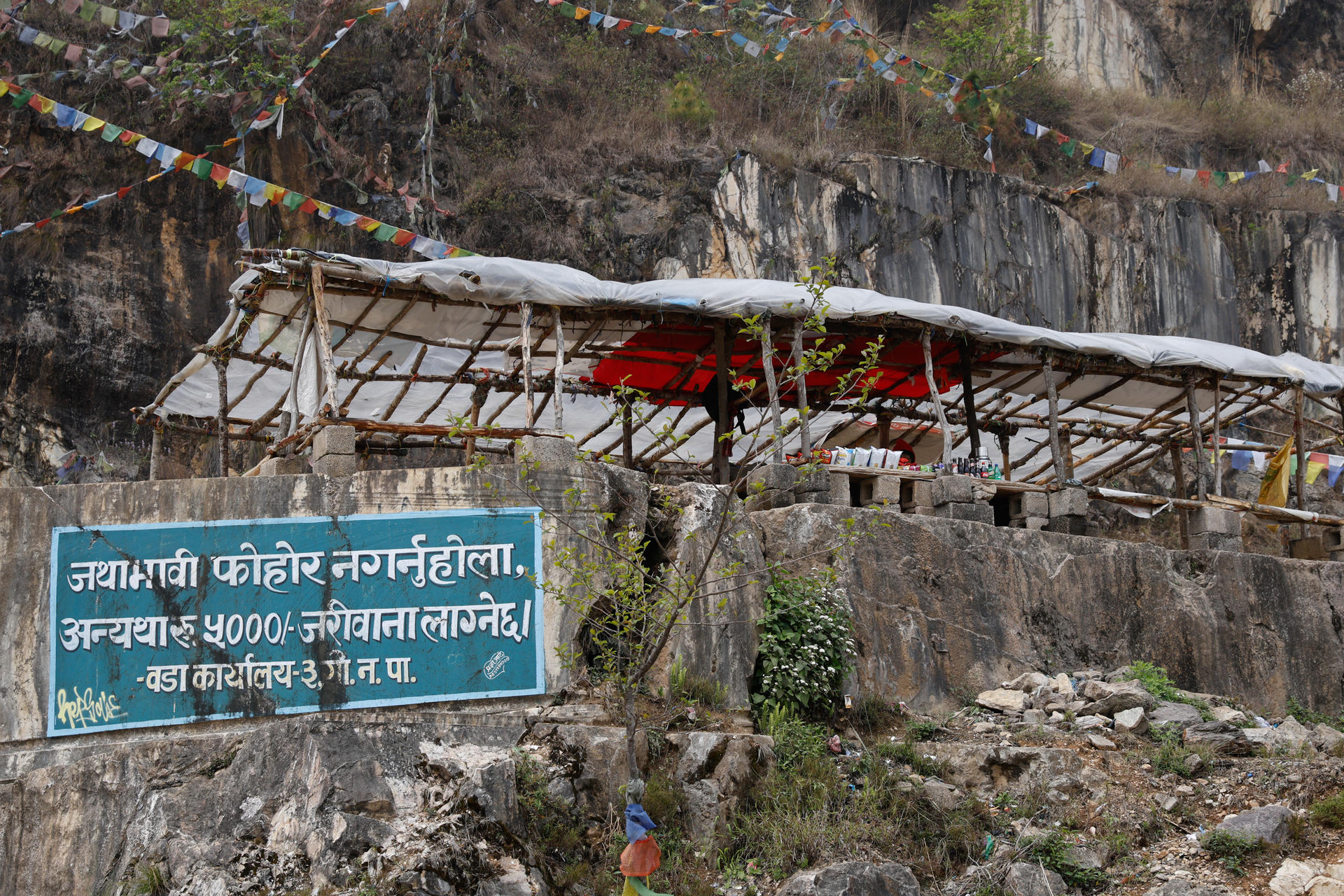
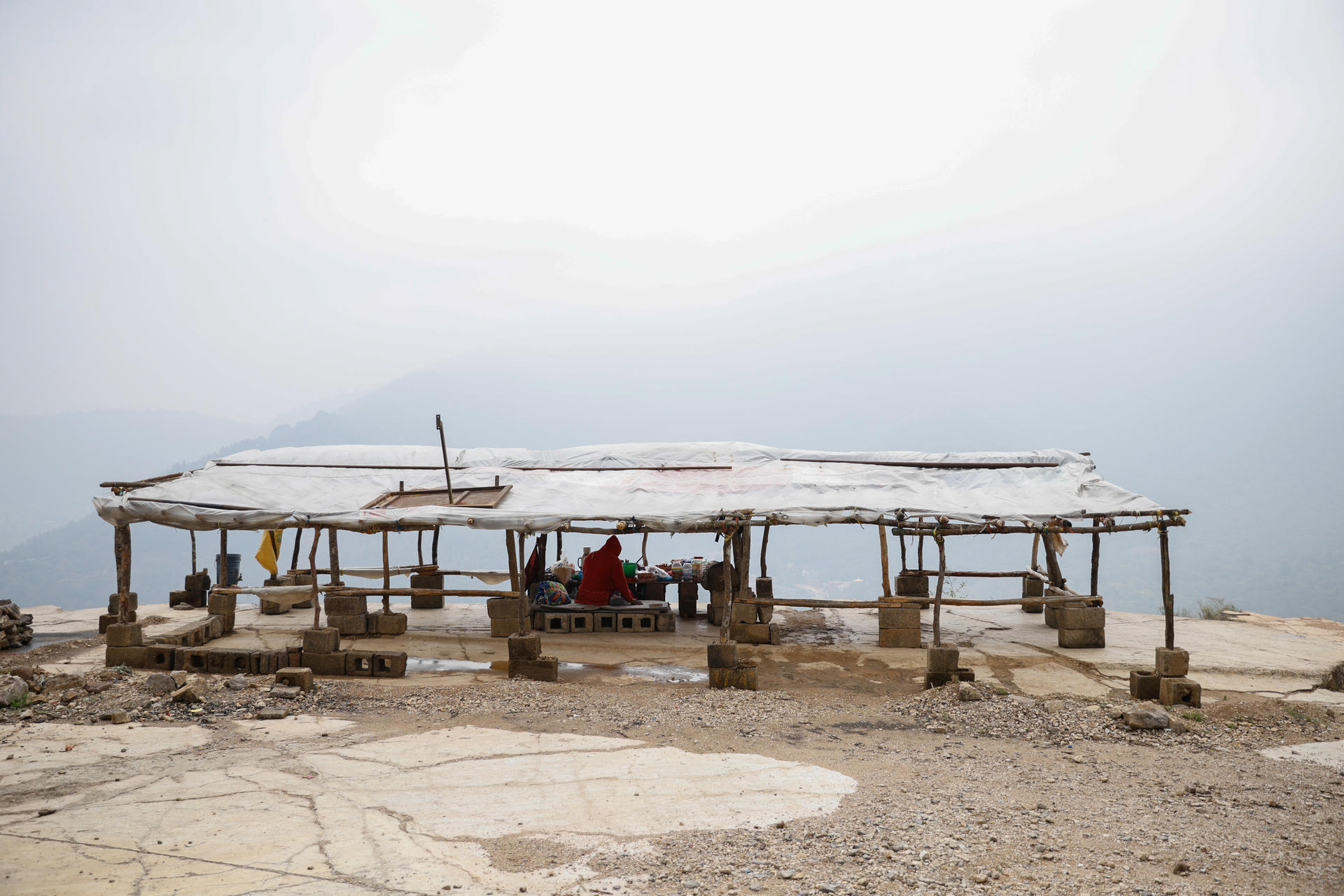
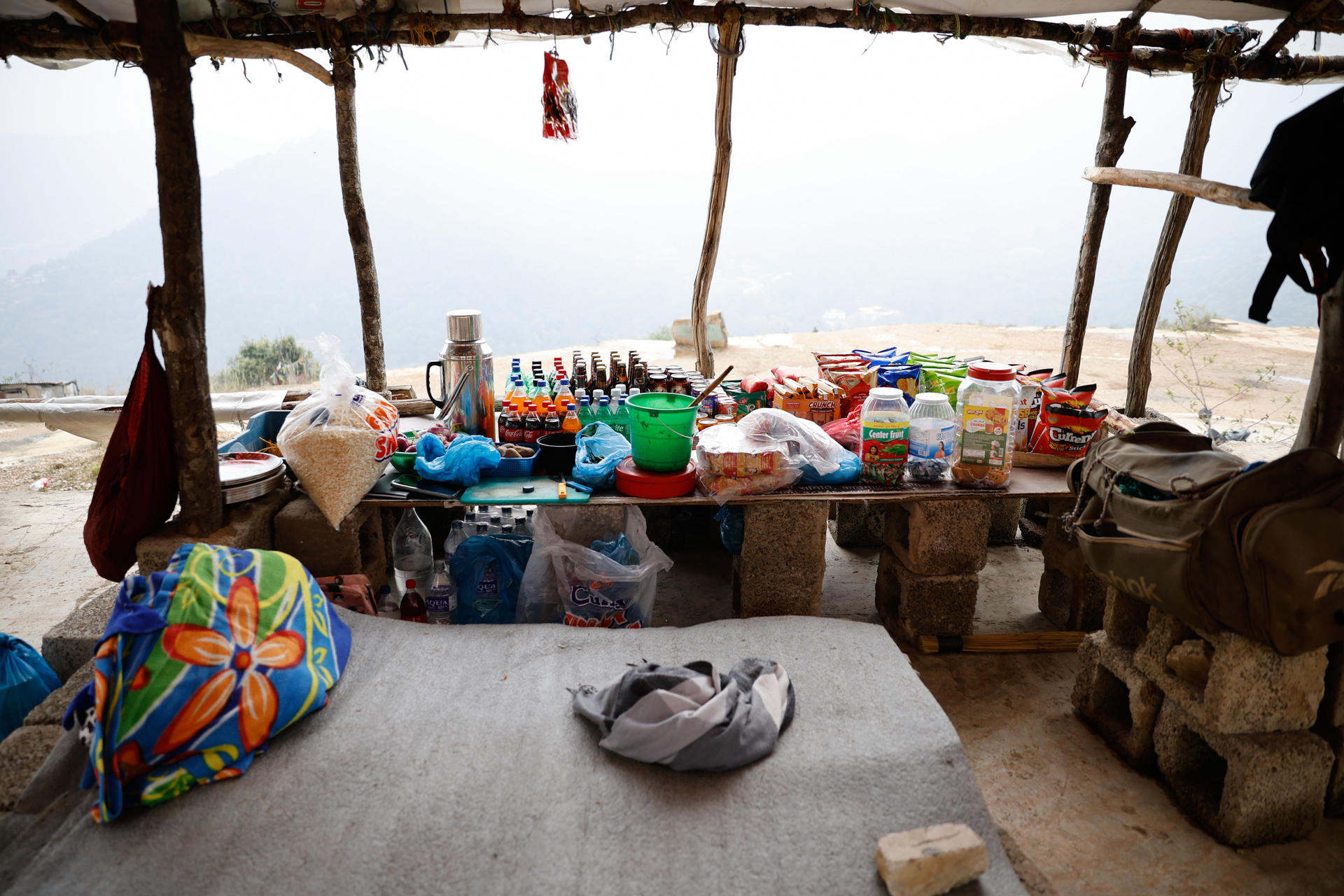
Kanchi Tamang, 53, has sheltered under a plastic-roofed stall at Marble Danda for over four years, selling everything from beverages to snacks. She arrives between eight and ten in the morning; Saturdays are her busiest days, though sales remain modest—many visitors come with their own food. For her, the hikers and other bike tourists are not just foot traffic. They are a livelihood where none existed before.
Youth in the area are finding ways in too, some offering informal guiding, others promoting the destination through social media. But this organic, infrastructure-light growth also means environmental oversight falls to no one in particular.
In previous reports, officials from Godawari Municipality have acknowledged the site's growing popularity but admit that formal planning has yet to catch up. The hazards are real and include: exposed rock faces, unstable spoil heaps, and rusting machinery remain from the quarry era. Basic facilities, waste management, maintained trails, safety signage are limited or absent. No environmental impact assessment has been conducted since the quarry closed.
Environmental experts warn that unregulated visitor pressure could damage the fragile ecosystem that has begun to recover since mining stopped, threatening the forest cover, wildlife corridors, and bird habitat that make the Phulchoki ridge ecologically significant.
"There is potential here," says one advocate, "but without proper management, the same place that was once damaged by mining could face new risks from overuse."
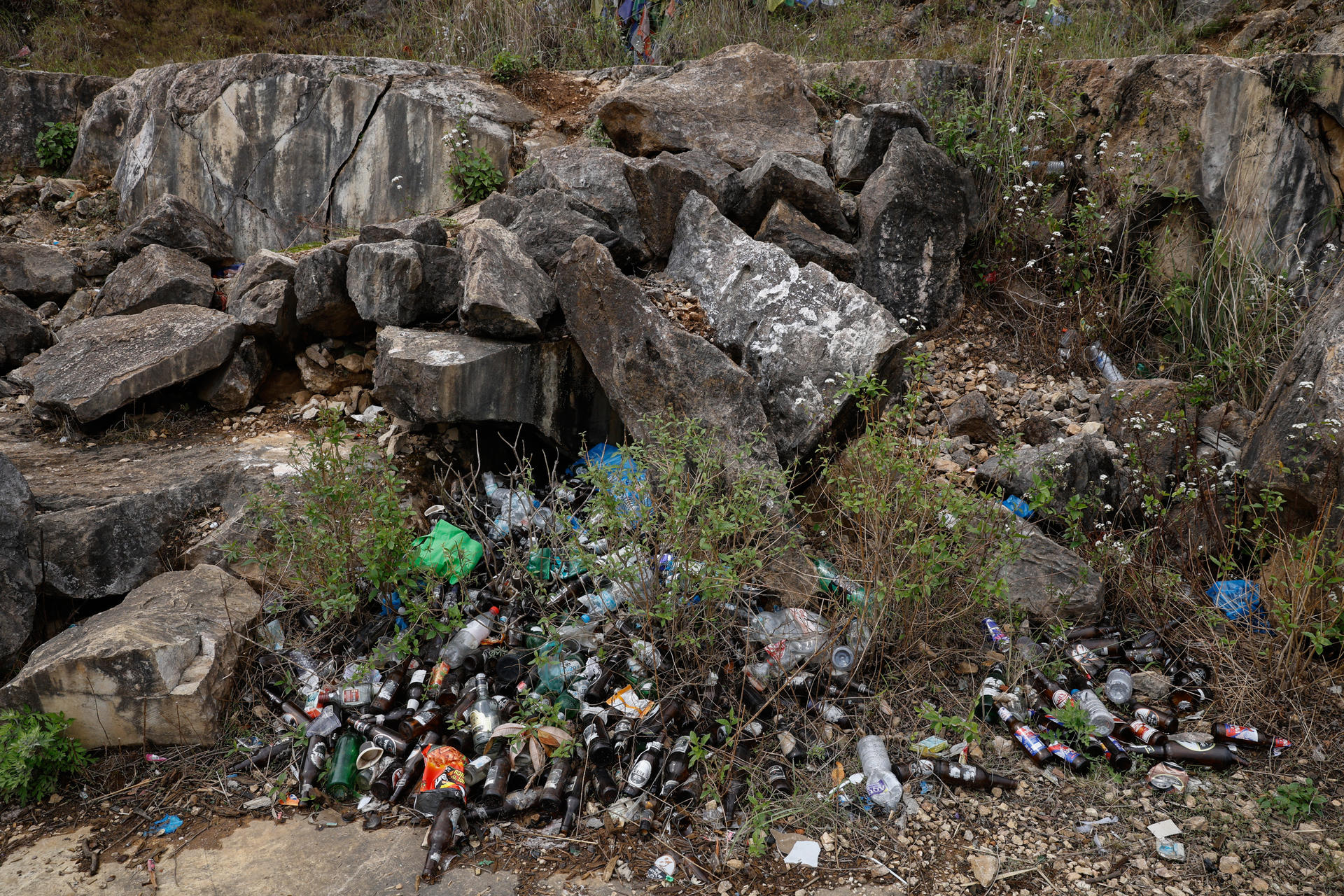
A sign at the hilltop warns that littering carries a fine of Rs 5,000. A few metres away, plastic bottles and packaging are burned in open piles, the smoke drifting across the valley below. Tamang says that in four years of daily presence at the site, she has not seen a single penalty enforced. There is, she explains, hardly anyone to monitor it.
The story of Marble Danda is, in miniature, the story of unplanned tourism across Nepal's urban fringes. Communities can reclaim landscapes once defined by extraction and turn them into spaces of recreation and income. But without formal management—environmental monitoring, waste infrastructure, safety remediation, enforceable rules—the site risks trading one form of damage for another.
The question now is whether Godawari Municipality and the community will act before the next wave of growth makes the environmental cost irreversible.
For now, as the sun sets over the valley and visitors gather at the hilltop, some leaving their bottles behind, Marble Danda stands as a symbol of change: a place where the past and future meet, and where the difference between those two outcomes may still be decided.
Civil society organisations could play an important role in shaping that outcome. In Nepal, groups such as the NGO Federation of Nepal have been working to strengthen civil society engagement in disaster risk reduction and climate resilience with support from Forus. Through training and awareness initiatives, this work has helped sensitise civil society organisations about the risks posed by disasters and climate change, as well as relevant policies, programmes and the spaces available for CSO engagement. These efforts have contributed to identifying practical measures including the construction of earthquake-resilient infrastructure, the prevention of floods and landslides, the preparation of preparedness plans for disaster-prone communities, and strategies to build stronger collaboration between civil society and local governments. Boosting local capacities has been recognised as a critical priority in expanding the role of civil society in disaster risk management and climate action. In places like Marble Danda, where environmental management and tourism development intersect, such strengthened civil society engagement could help ensure that community-led initiatives grow sustainably while reducing environmental and climate-related risks.
Find the DRR micro-website here.
Photo album:
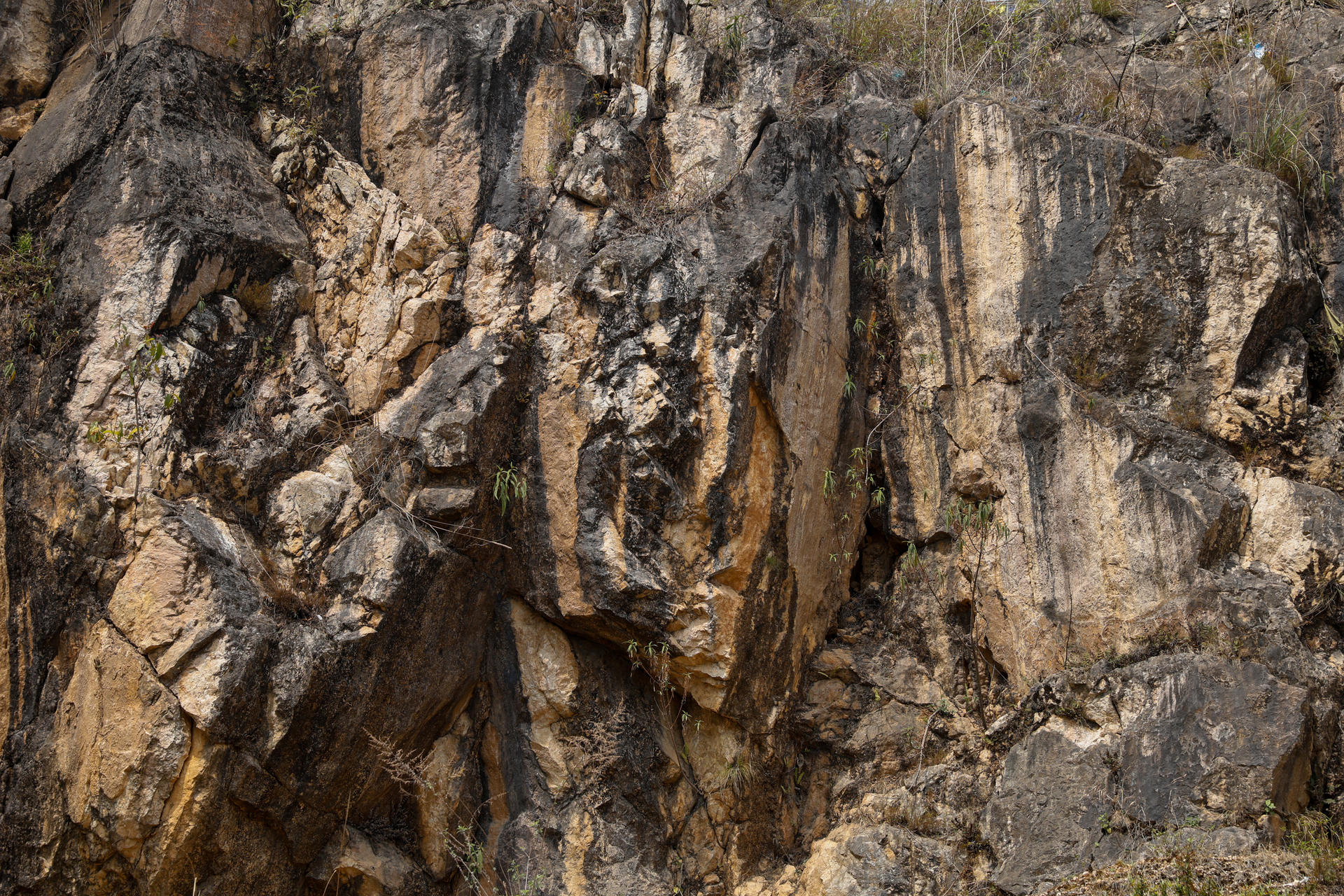
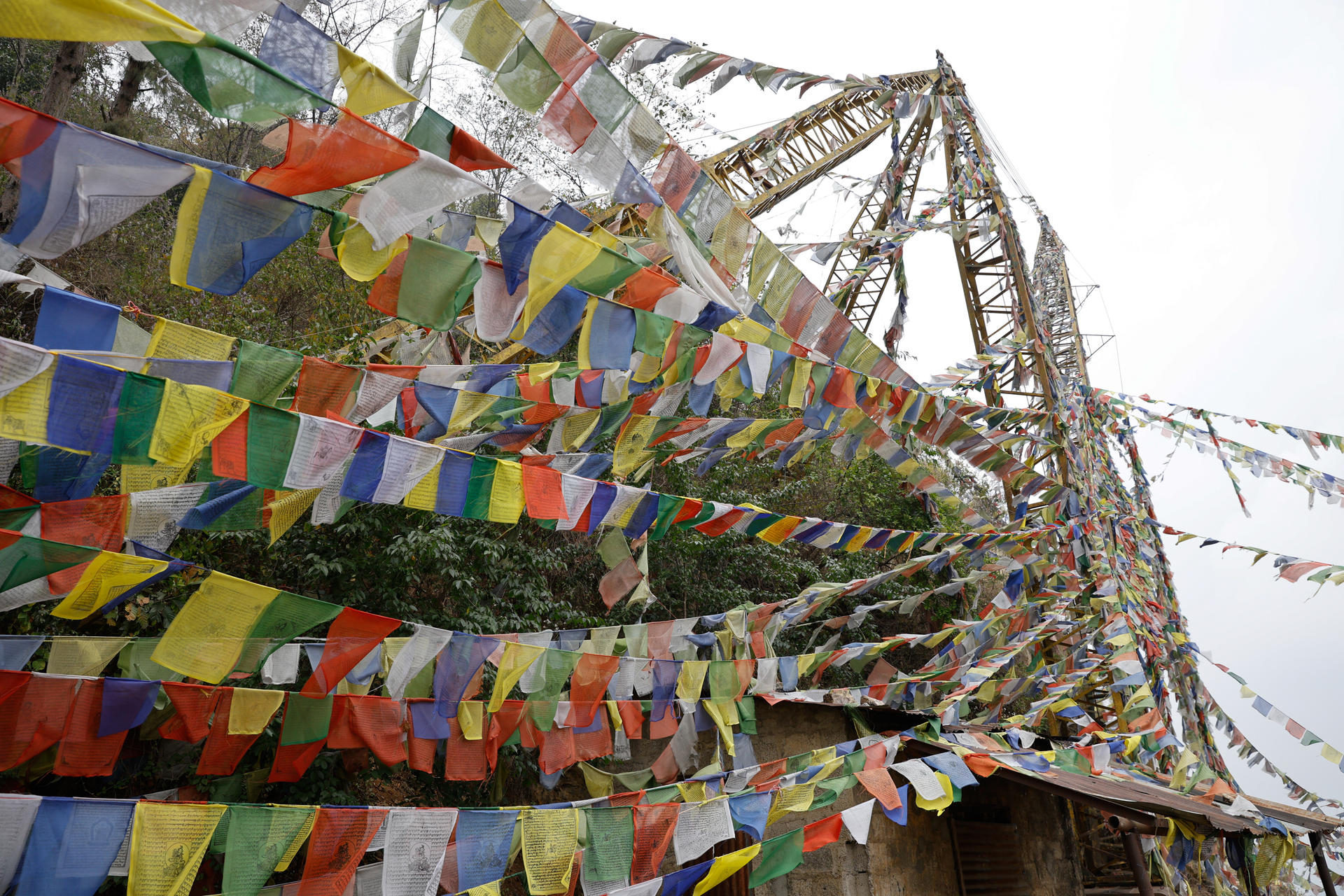
A public notice from the local ward office at Marble Danda warns visitors that littering in the area carries a fine of 5,000 Nepalese rupees. Around the hilltop, groups of visitors explore the site, drawn by the short hike and the sweeping views of the valley below. Scattered across the premises are abandoned machines once used to operate the marble factory, reminders of the quarrying activity that once defined the landscape. Among the visitors and remnants of the past, Kanchi Tamang is seen cleaning near her small plastic-covered temporary stall, where she sells snacks and drinks to hikers and bikers who pass through the area. The album also captures views of the surrounding landscape seen from Marble Danda. All photos taken in Lalitpur, Nepal, on March 29, 2026. PHOTO/SANJOG MANANDHAR.
This piece is part of the Forus Journalism Fellowship Programme.

Wed 18 Mar 2026
News
The Bell and the Silence: Inside Nepal’s 2026 Political Reordering On the morning of March 5, 2026, the queues outside polling stations across Nepal were longer, and noticeably younger, than they had been in decades. By the time the Nepal Election Commission called a 60 percent turnout among the 19 million registered voters, it was clear that the "Gen-Z Revolution"—the months of street protests and digital organizing that had paralyzed the capital over the previous autumn—had finally moved to the ballot box.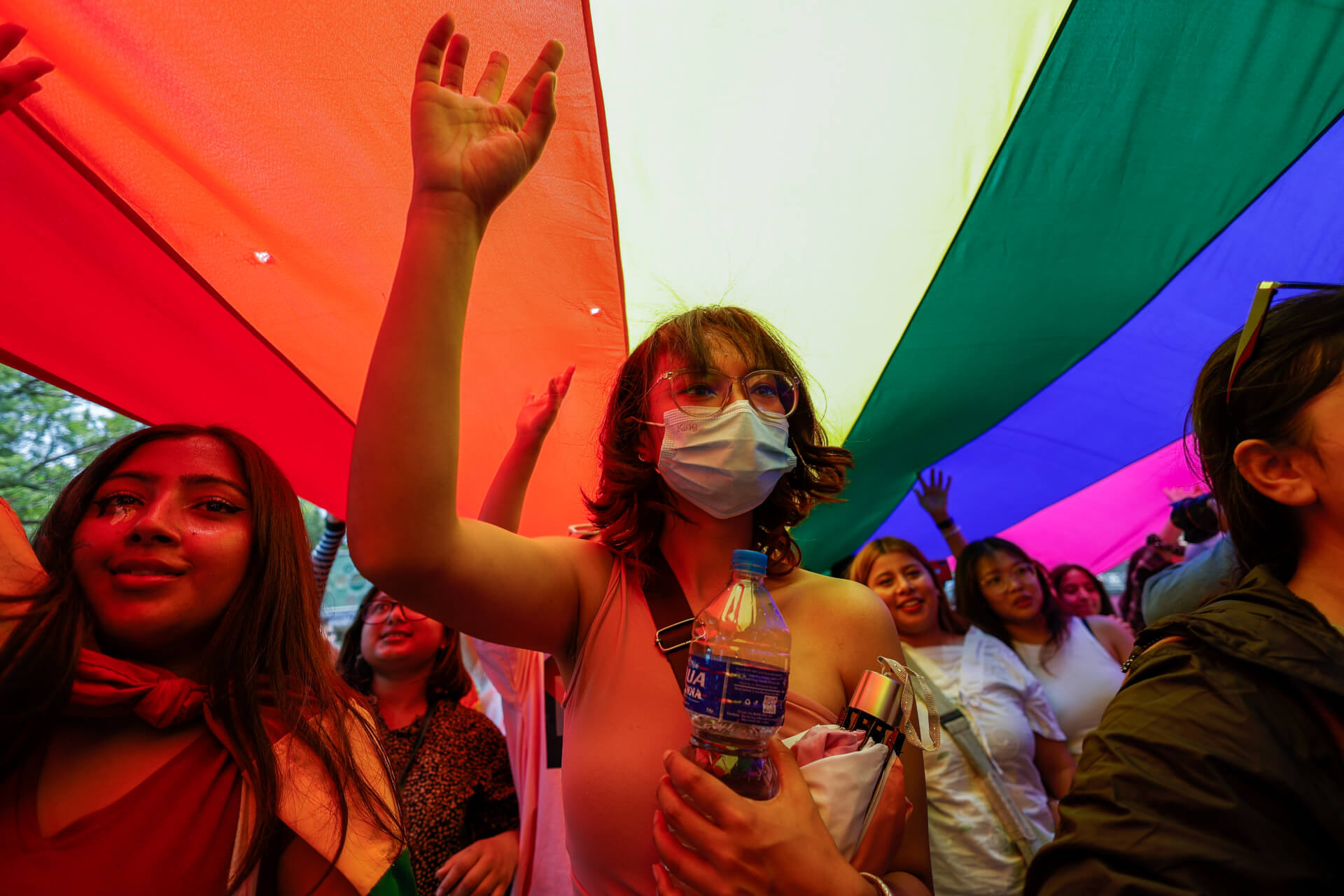
Mon 9 Feb 2026
News
How Nepal’s Pride and Gai Jatra Movements Are Advancing Queer Equality As Nepal navigates the early months of 2026, the movement for queer equality has moved beyond the quiet chambers of the Supreme Court and into the vibrant, chaotic heart of public life. This cultural mobilization reveals a profound truth that resonates across the Global South: legal progress remains incomplete without a radical reclamation of public and cultural space.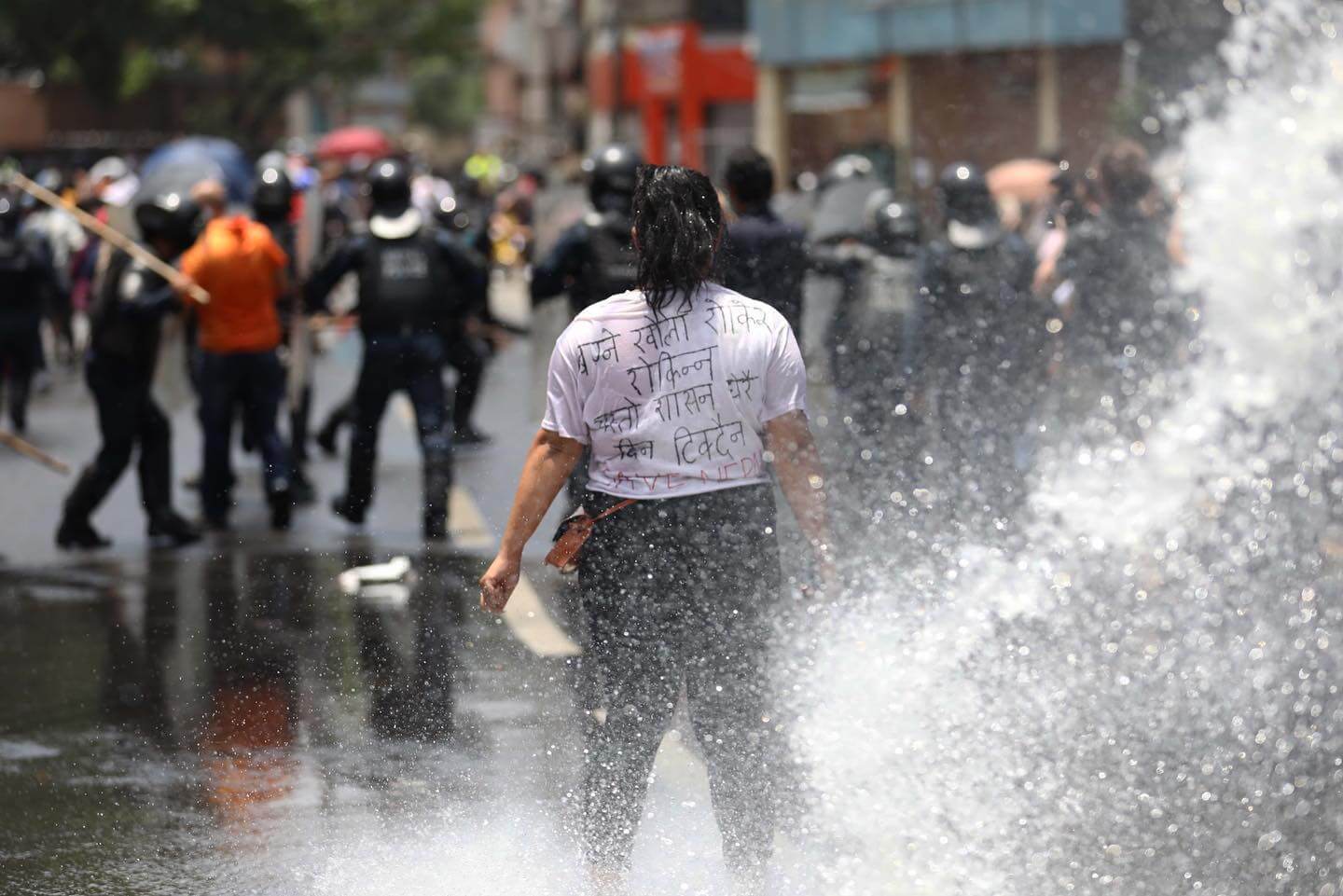
Wed 27 Apr 2022
Forus in Media
Honduras, Lebanon, Nepal: civil society on the front lines of natural disasters and their daily consequences – Alternatives Humanitaires How does society deal with the cascading consequences of natural disasters? In this collaborative article, the authors highlight the active participation of local civil societies, often the first and last on the scene when it comes to helping populations.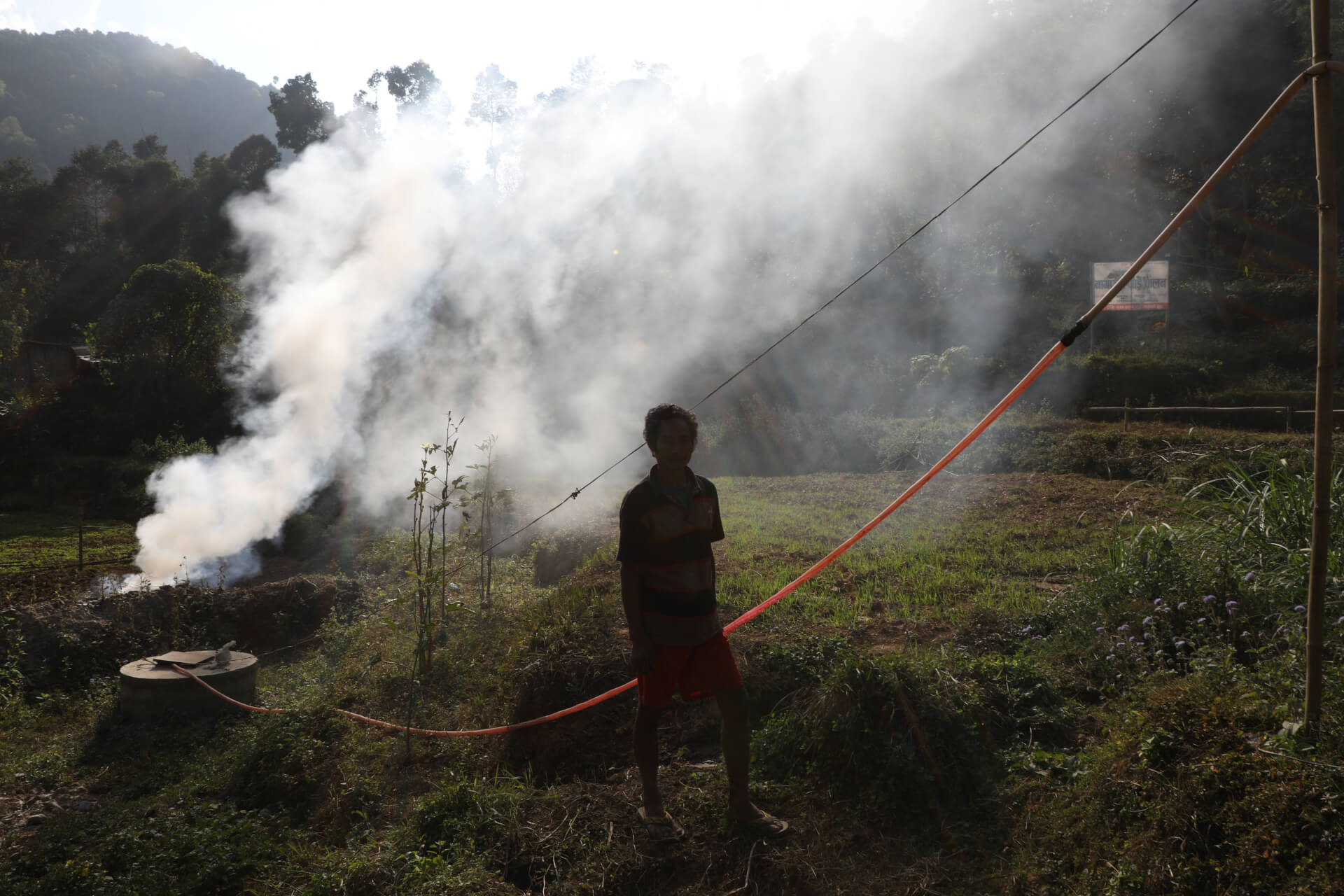
Thu 3 Dec 2020
News
Nepal: Capacitating CSOs on Disaster Risk Management and Climate Change Nepal is considered among the highest disaster prone countries in the world, ranking 116th in the disaster risk index [1]. The NGO Federation of Nepal (NFN) organized a two-day national conference on Disaster Risk Management and Climate Change in Nepal, Kathmandu, on January 31 - February 1, 2020. Representatives of CSOs traveled from all across the country to participate in the event.